Comprehensive Material Compatibility
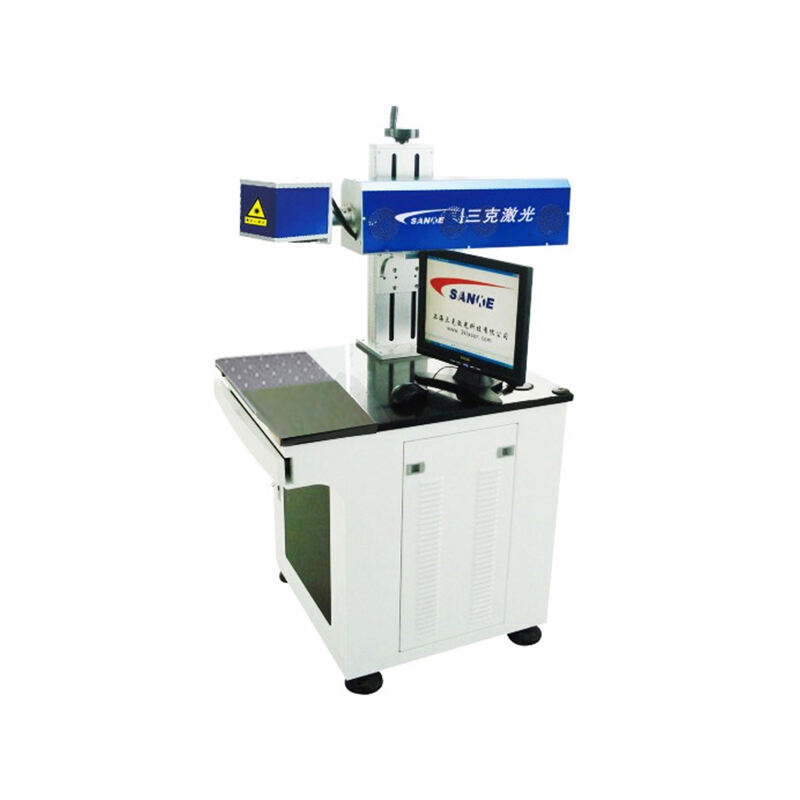
The industrial laser marking machine demonstrates exceptional versatility through its ability to process an extensive range of materials with optimal results, making it an invaluable asset for diverse manufacturing environments. Fiber laser configurations excel at marking metals including stainless steel, aluminum, titanium, and precious metals, creating permanent marks that withstand corrosion and mechanical stress. CO2 laser systems effectively process organic materials such as wood, leather, paper, and various plastics, enabling detailed engraving and cutting operations with smooth, sealed edges. UV laser technology provides superior results on sensitive materials including medical-grade plastics, electronic components, and glass substrates without generating heat-affected zones that could compromise material properties. The industrial laser marking machine adapts its parameters automatically for different materials, optimizing power levels, pulse duration, and scanning speeds to achieve ideal marking characteristics for each substrate. Advanced material detection systems identify substrate properties and recommend optimal settings, reducing setup time and minimizing the risk of material damage during initial testing. The technology creates different visual effects depending on material composition, including color changes in plastics, oxidation patterns in metals, and sublimation effects in coated materials. Coating removal capabilities allow selective stripping of paints, anodizing, and plating materials to reveal underlying substrates, creating high-contrast marks without compromising base material integrity. The industrial laser marking machine handles materials of varying thicknesses and surface finishes, from mirror-polished metals to textured plastics, maintaining consistent mark quality regardless of surface characteristics. Multi-material marking capabilities enable processing of composite assemblies and layered materials in single operations, reducing handling time and improving production efficiency. The system accommodates materials with different thermal properties, automatically adjusting parameters to prevent overheating or thermal stress that could affect dimensional stability. This comprehensive material compatibility eliminates the need for multiple marking systems, reducing capital investment and simplifying production workflows while ensuring optimal results across all material types used in modern manufacturing.
 EN
EN
 AR
AR
 FR
FR
 DE
DE
 JA
JA
 KO
KO
 RU
RU
 ES
ES