price of laser marking machine
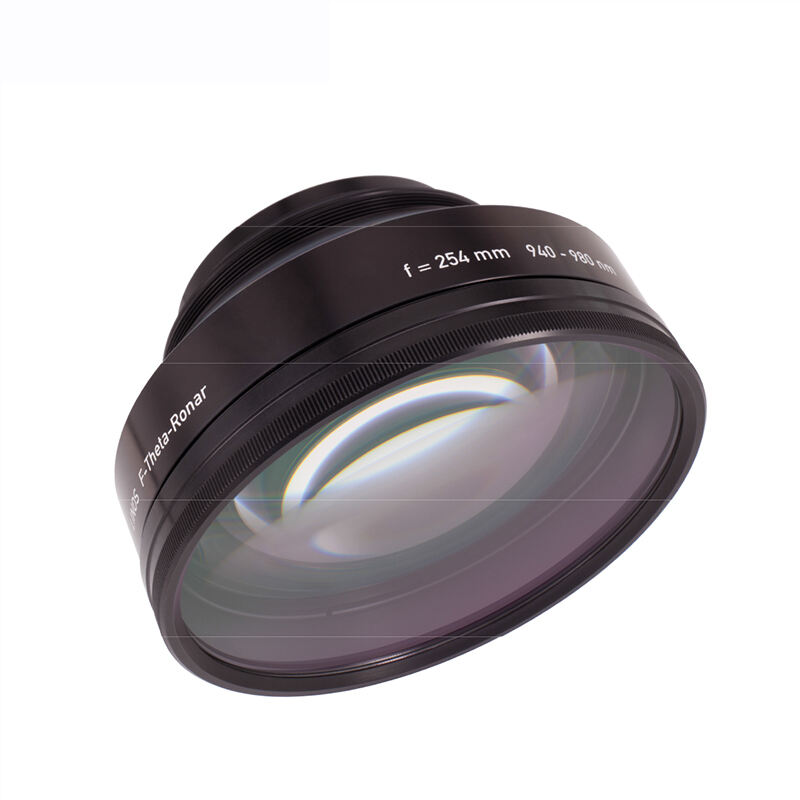
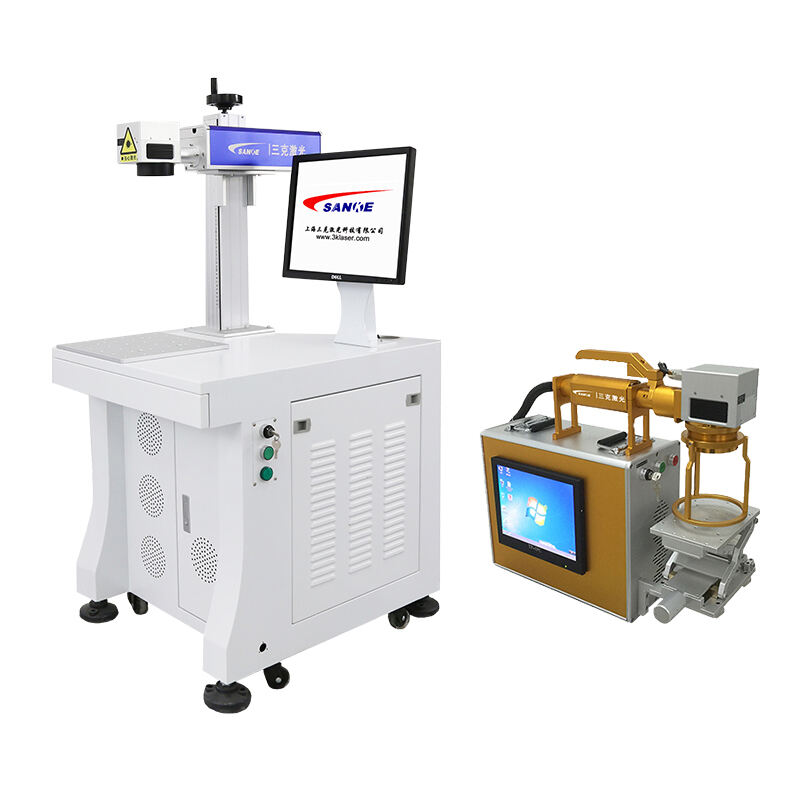
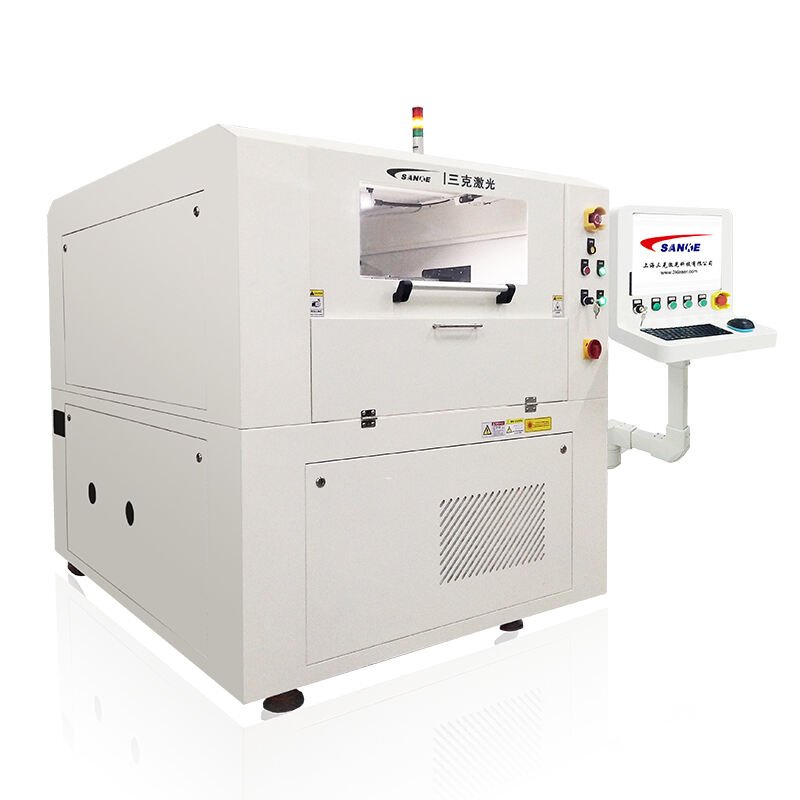
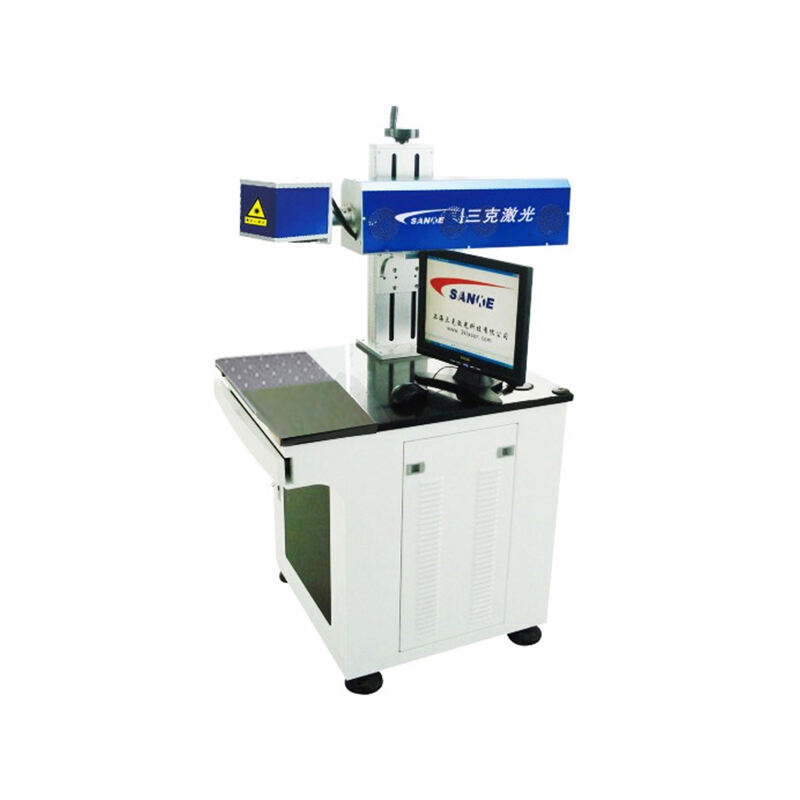
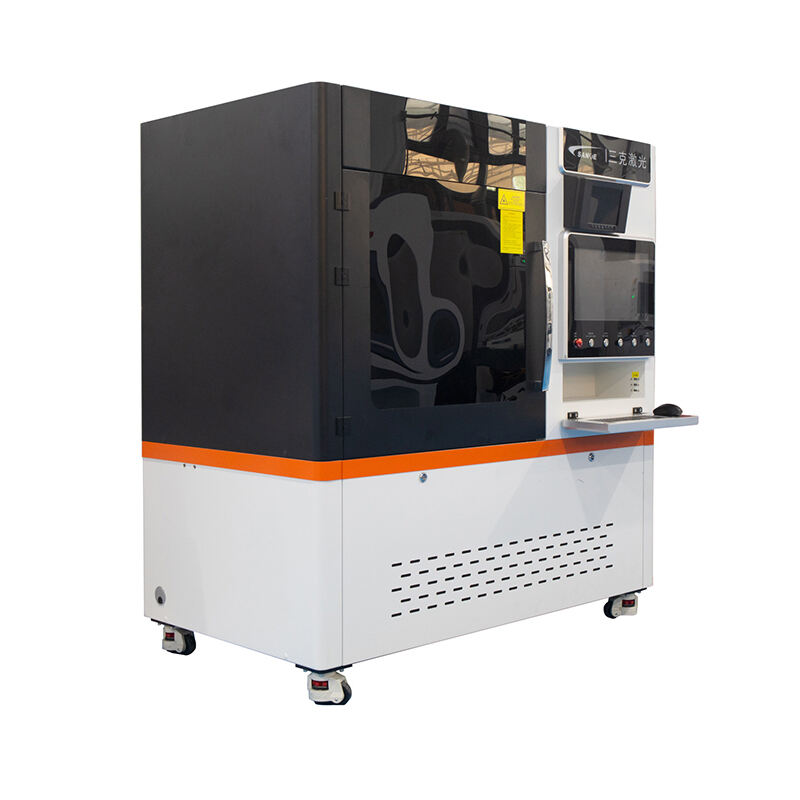
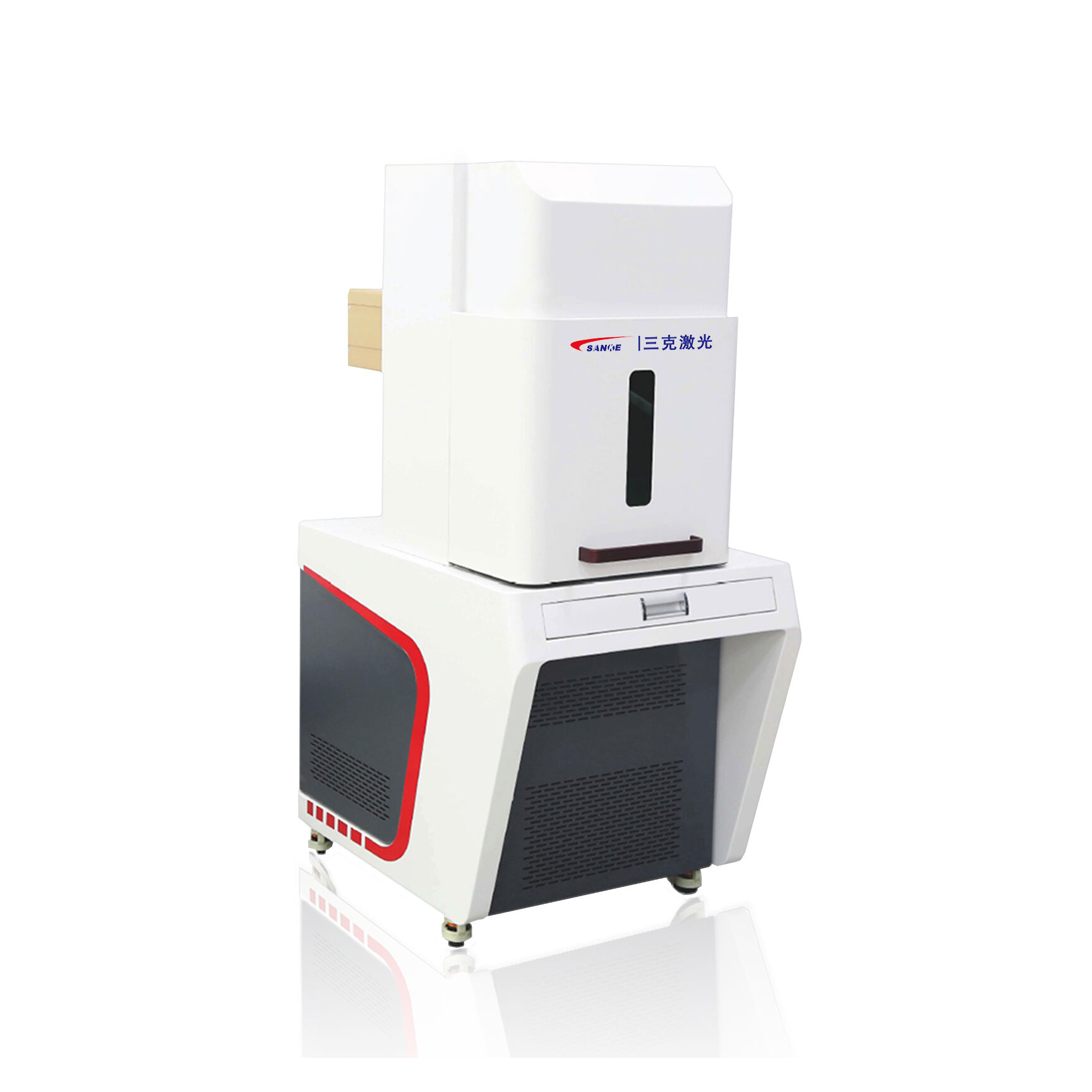
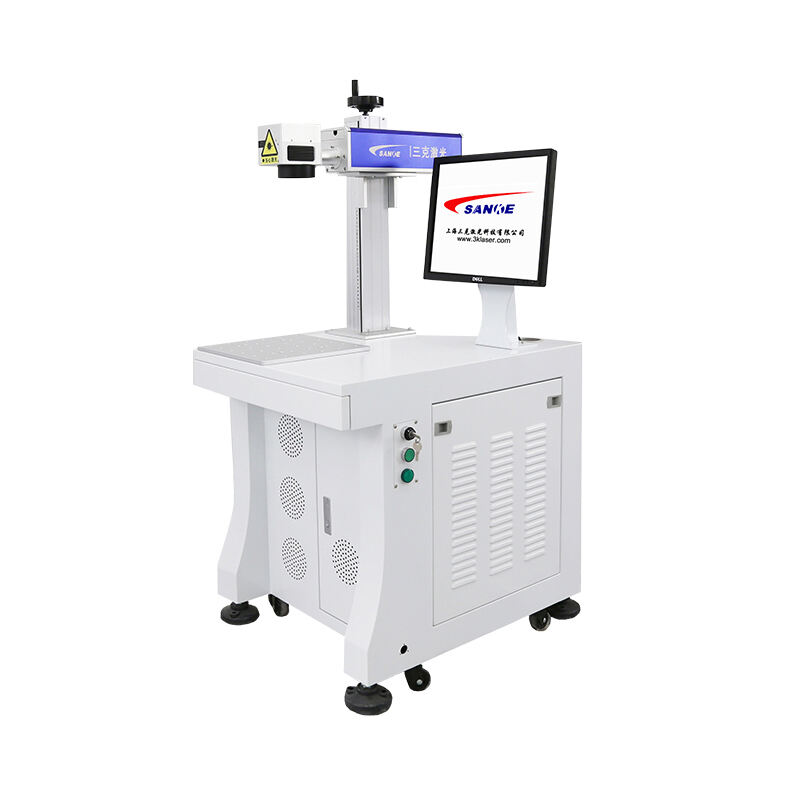
Understanding the price of laser marking machine is crucial for businesses seeking efficient marking solutions across various industries. Laser marking machines represent a significant investment, with costs typically ranging from $15,000 to $150,000 depending on specifications, power output, and technological capabilities. The price of laser marking machine varies considerably based on laser type, with fiber laser systems generally commanding higher prices due to their superior performance and versatility. These sophisticated devices utilize concentrated laser beams to create permanent marks on materials without physical contact, ensuring precise and consistent results. The main functions include engraving text, logos, barcodes, serial numbers, and complex graphics on metals, plastics, ceramics, and other materials. Advanced models feature computer-controlled positioning systems, enabling automated marking processes that significantly boost productivity. Technological features influencing the price of laser marking machine include laser power output measured in watts, marking speed capabilities, software integration options, and cooling systems. Higher-powered units offer faster processing times and can handle thicker materials, justifying their premium pricing. Modern systems incorporate user-friendly software interfaces, allowing operators to design and execute marking patterns with minimal training. Applications span automotive manufacturing, electronics production, medical device labeling, jewelry engraving, and aerospace component identification. The price of laser marking machine reflects its ability to meet stringent quality standards and regulatory requirements across these sectors. Factors affecting cost include brand reputation, warranty coverage, technical support availability, and additional accessories like rotary attachments or conveyor systems. When evaluating the price of laser marking machine options, businesses must consider long-term operational costs, maintenance requirements, and potential return on investment through improved efficiency and reduced labor expenses.
 EN
EN
 AR
AR
 FR
FR
 DE
DE
 JA
JA
 KO
KO
 RU
RU
 ES
ES