Exceptional Versatility and Material Compatibility
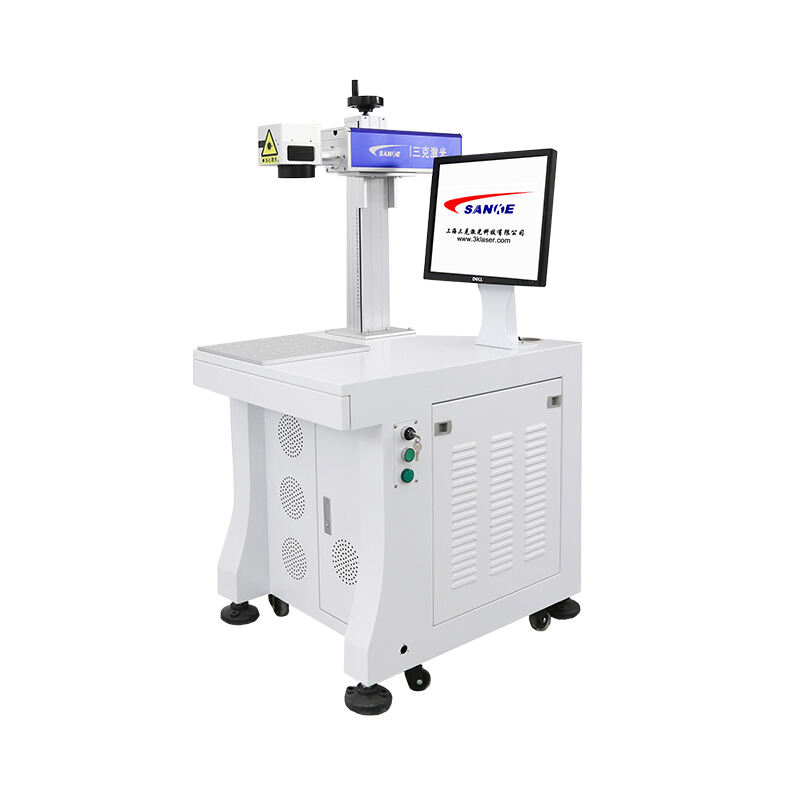
The fiber optic laser marking machine demonstrates remarkable versatility by successfully processing an extensive range of materials without requiring specialized tooling or consumables. This adaptability eliminates the need for multiple marking systems, consolidating equipment requirements and reducing capital investment costs. Metals including stainless steel, aluminum, titanium, brass, copper, and hardened steel alloys respond excellently to fiber laser wavelengths, producing deep, permanent engravings or surface modifications as required. The machine effectively handles various plastic materials such as ABS, polycarbonate, acrylic, polyethylene, and engineering plastics, creating clear, contrasting marks without causing thermal damage or material degradation. Ceramic components, glass surfaces, and composite materials also fall within the processing capabilities, expanding application possibilities across diverse industries. The versatility extends to different marking styles, including surface etching for subtle identification marks, deep engraving for enhanced durability, annealing for color-change marking without material removal, and ablation for coating removal applications. This flexibility allows manufacturers to customize their marking approach based on specific requirements, whether prioritizing speed, aesthetics, or durability. The fiber optic laser marking machine adapts to various part geometries, from flat surfaces to curved contours, cylindrical objects, and irregular shapes through adjustable focal systems and rotary attachment options. Production flexibility enables seamless transitions between different products, materials, and marking requirements without lengthy setup procedures or tool changes. This adaptability proves particularly valuable for contract manufacturers, job shops, and companies producing diverse product lines. The machine handles both high-volume production runs and single-piece custom orders with equal efficiency, making it suitable for everything from mass-produced automotive components to personalized consumer goods. Quality remains consistent across all material types and applications, ensuring that marking standards meet or exceed expectations regardless of the substrate or design complexity involved.
 EN
EN
 AR
AR
 FR
FR
 DE
DE
 JA
JA
 KO
KO
 RU
RU
 ES
ES