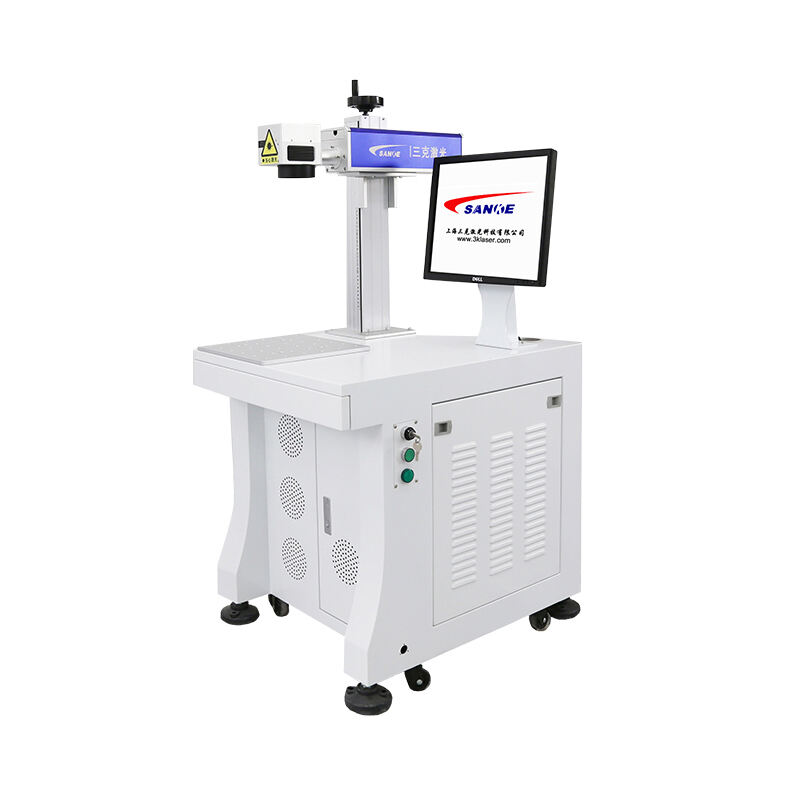
Versatile Material Processing and Application Flexibility
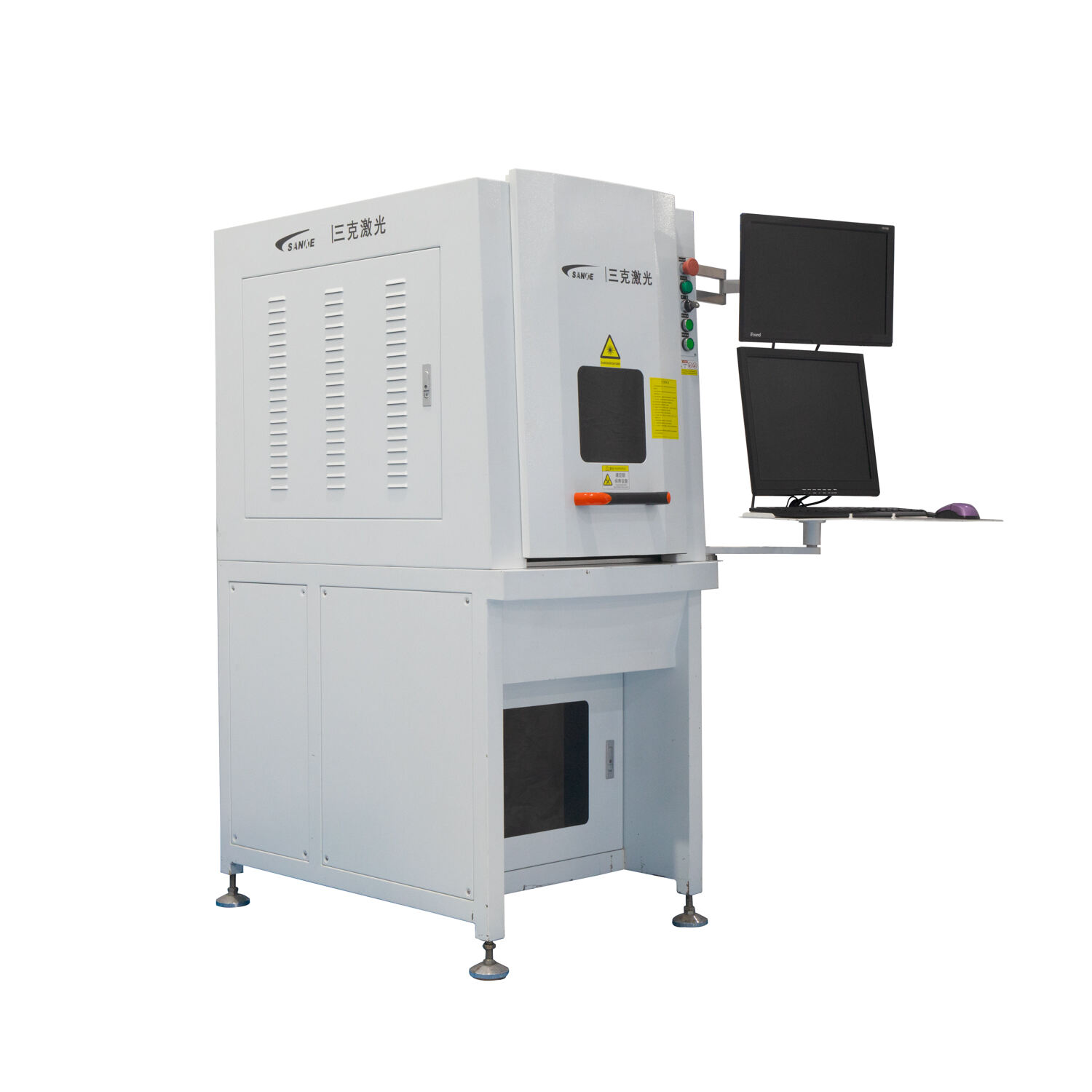
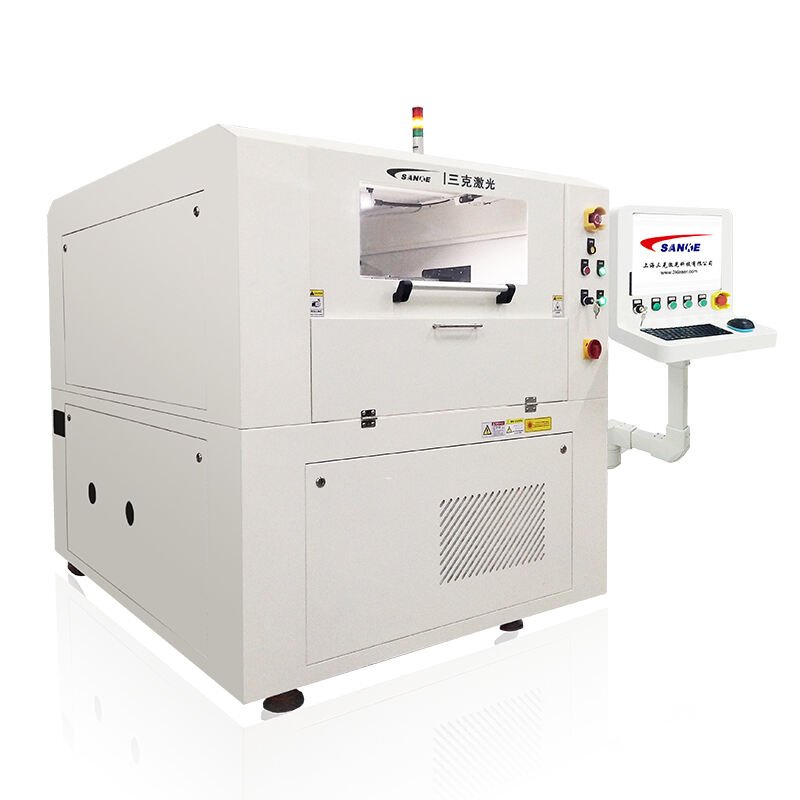
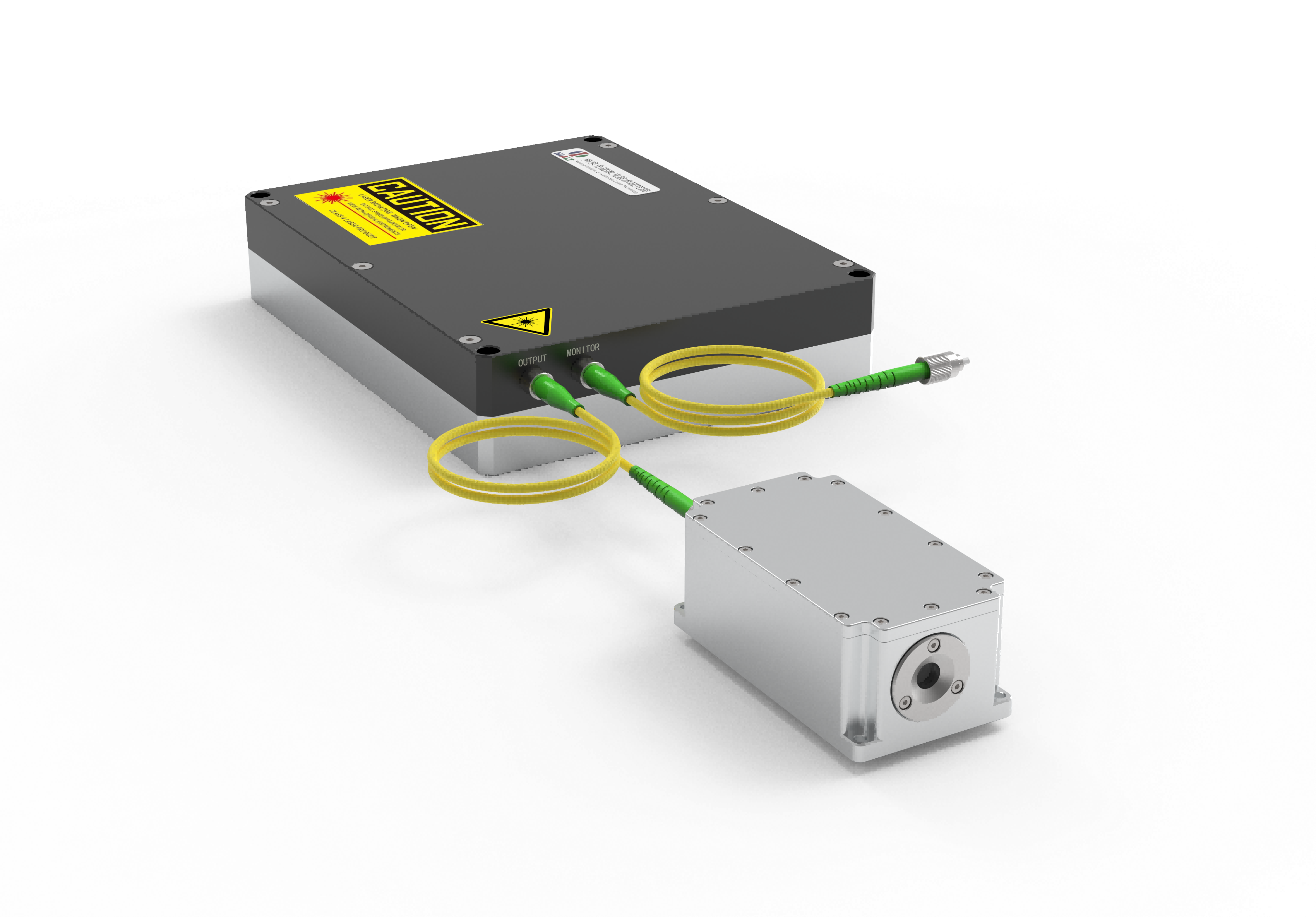
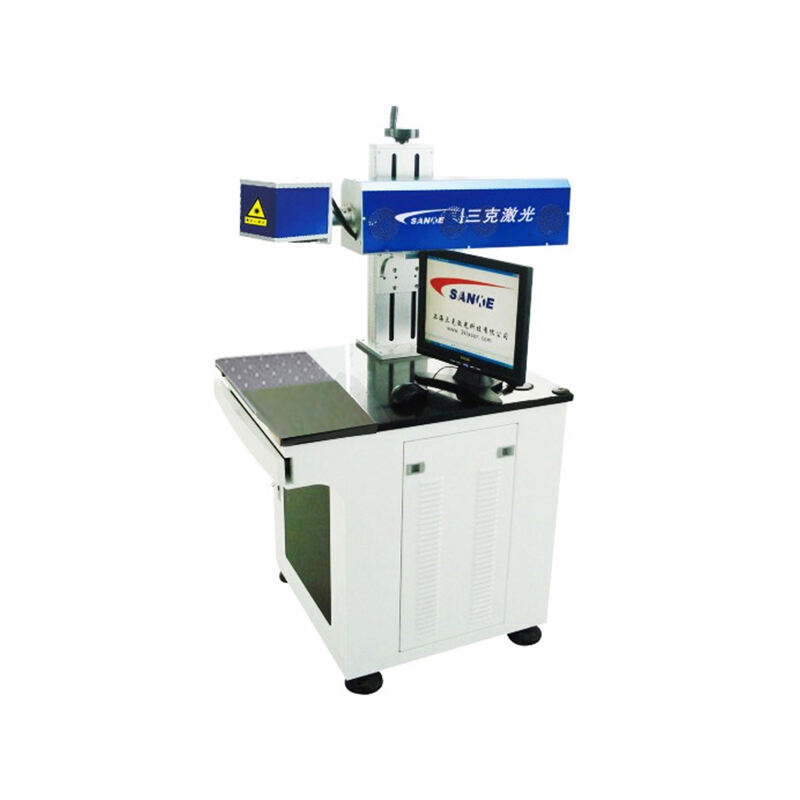
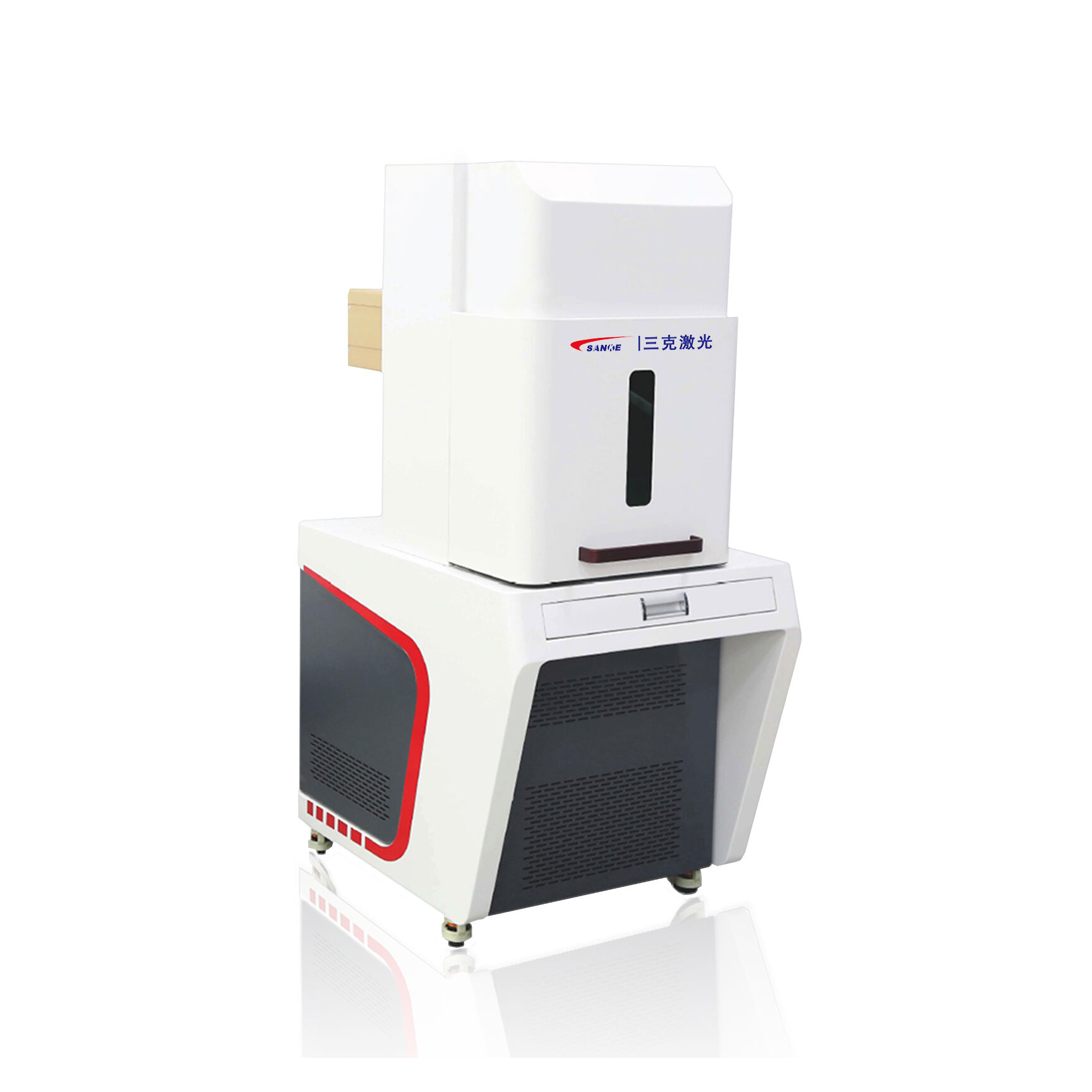
The laser part marking machine demonstrates exceptional versatility in material processing capabilities, accommodating an extensive range of substrates and applications across diverse manufacturing sectors. This remarkable flexibility stems from precisely controlled laser parameters that can be optimized for each material type, ensuring optimal marking quality regardless of substrate characteristics. Metals represent a primary application area where the laser part marking machine excels, creating permanent identification marks on stainless steel, aluminum, titanium, brass, copper, and various alloy compositions without requiring surface preparation or post-processing treatments. The technology effectively marks through surface treatments including anodizing, plating, powder coating, and paint systems, revealing base material for high-contrast identification that remains permanent throughout product lifecycles. Plastic materials benefit significantly from laser part marking machine capabilities, with precise control over thermal input preventing melting or deformation while creating clear, legible marks on engineering plastics, commodity resins, and composite materials. Glass and ceramic substrates present unique challenges that the laser part marking machine addresses through specialized parameter sets that create subsurface modifications or controlled surface texturing for permanent marking without compromising material integrity. Electronic component marking represents a critical application where the laser part marking machine provides essential traceability for semiconductors, circuit boards, and micro-components using ultra-precise beam control that avoids damage to sensitive electronic elements. Medical device manufacturing relies heavily on laser part marking machine capabilities for creating biocompatible marks on surgical instruments, implants, and diagnostic equipment while maintaining sterility and regulatory compliance requirements. Automotive applications span from engine components requiring high-temperature durability to plastic interior parts demanding aesthetic quality, with the laser part marking machine adapting to each requirement through programmable parameter sets. Aerospace industry demands exceptional reliability and permanence that the laser part marking machine delivers through deep engraving capabilities that survive extreme environmental conditions including temperature cycling, vibration, and chemical exposure. The system's ability to create two-dimensional codes enables advanced traceability systems that link individual parts to manufacturing data, quality records, and service history throughout operational lifecycles. Customization capabilities allow the laser part marking machine to accommodate unique marking requirements including variable data fields, serialization sequences, and conditional marking based on inspection results or production parameters.
 EN
EN
 AR
AR
 FR
FR
 DE
DE
 JA
JA
 KO
KO
 RU
RU
 ES
ES