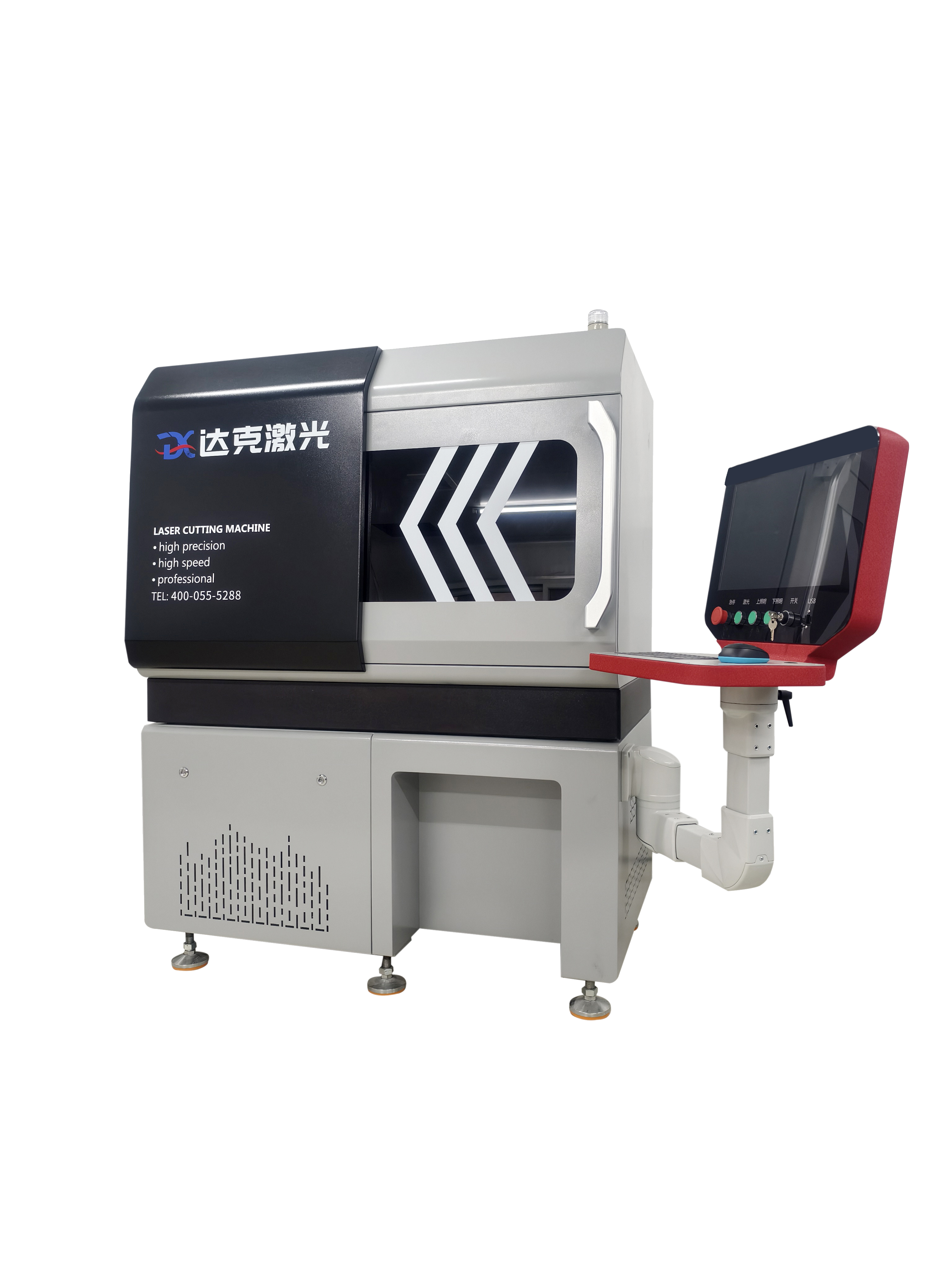
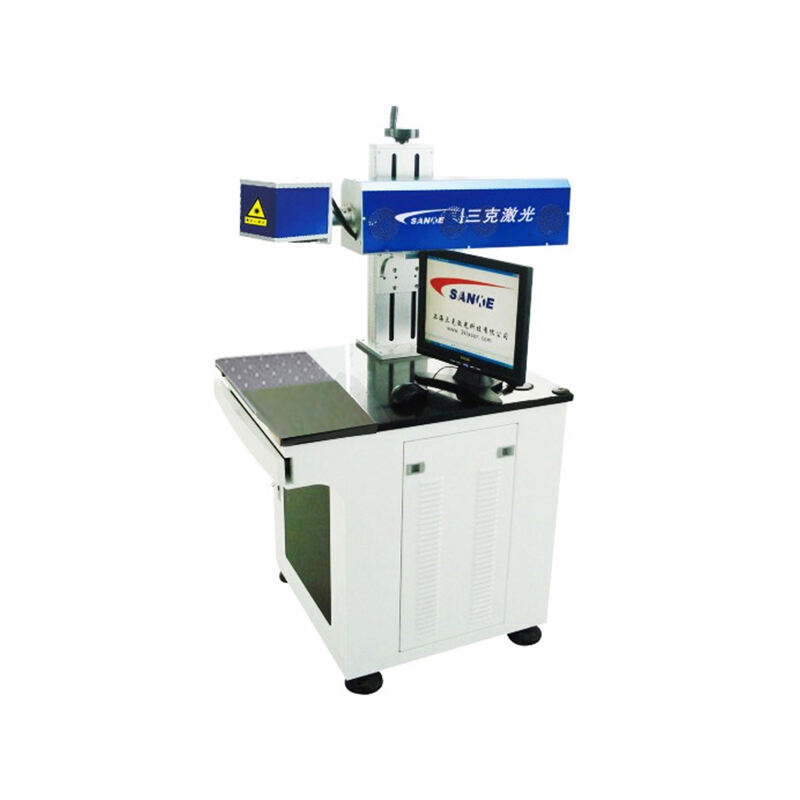
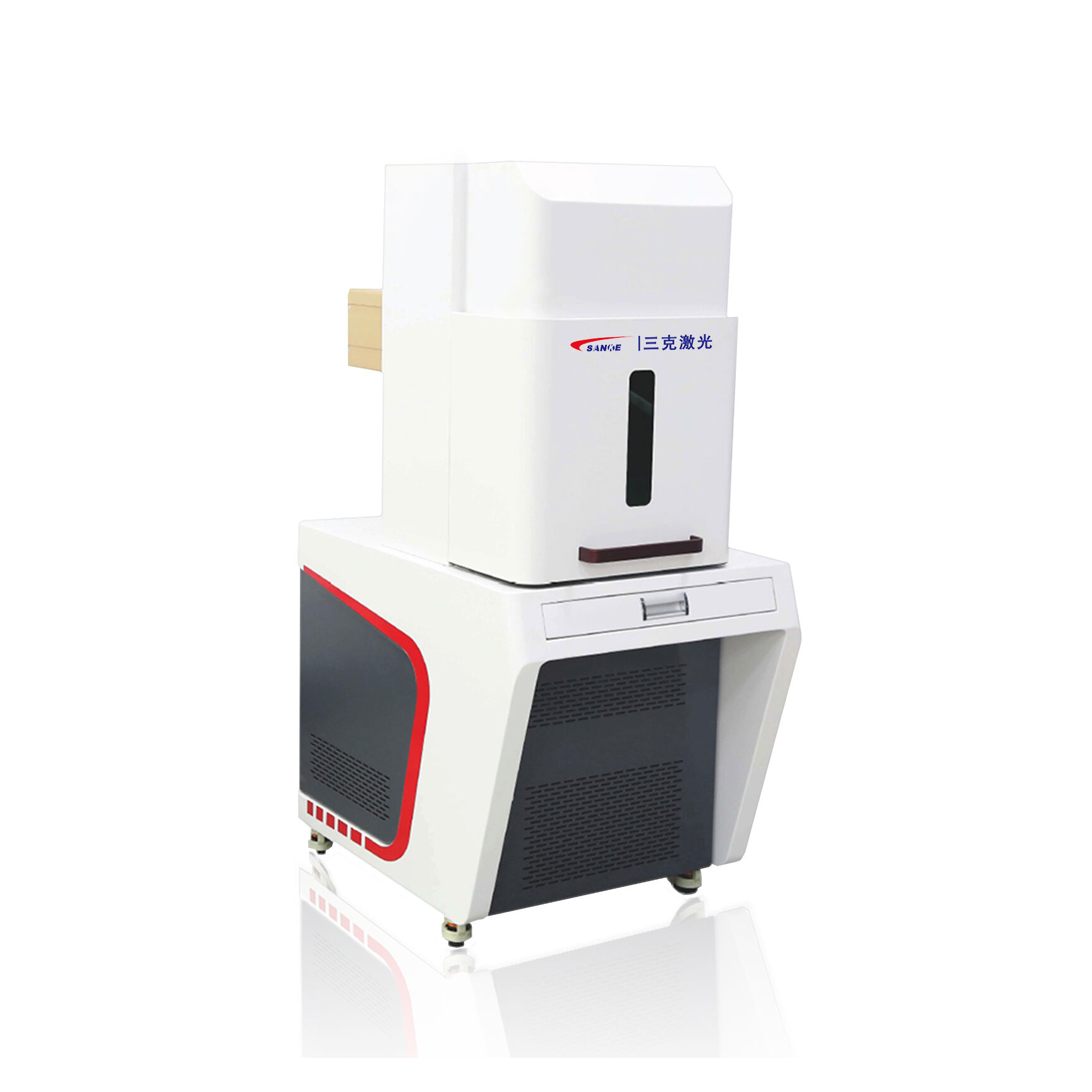
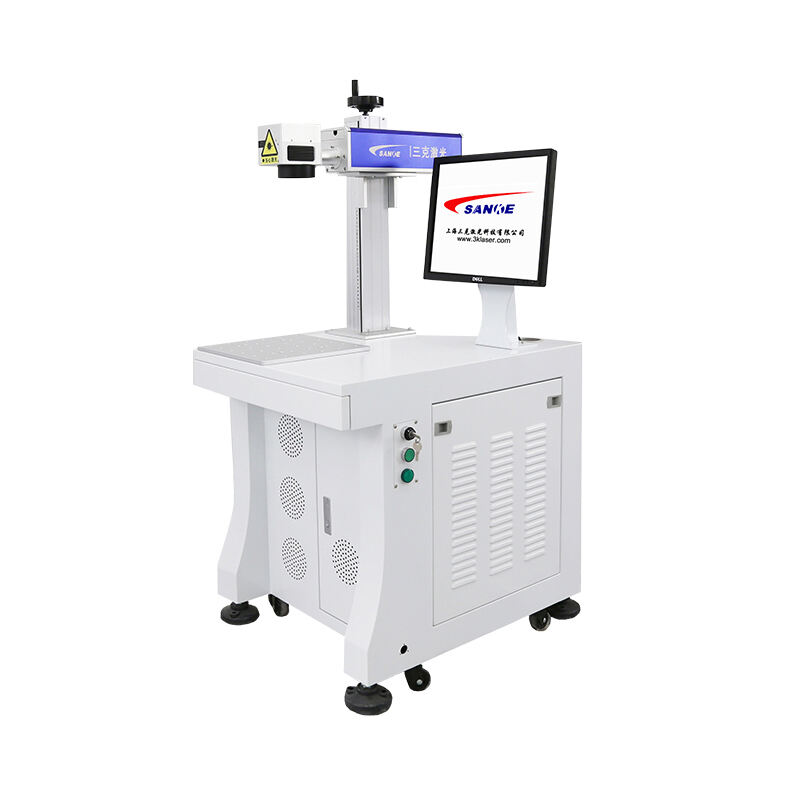
high precision laser marking process-0

High Precision Laser Marking Process: Advanced Technology Solutions for Superior Manufacturing Results

Get a Free Quote

Our representative will contact you soon.
Email
Name
Company Name
Message
0/1000

high precision laser marking process

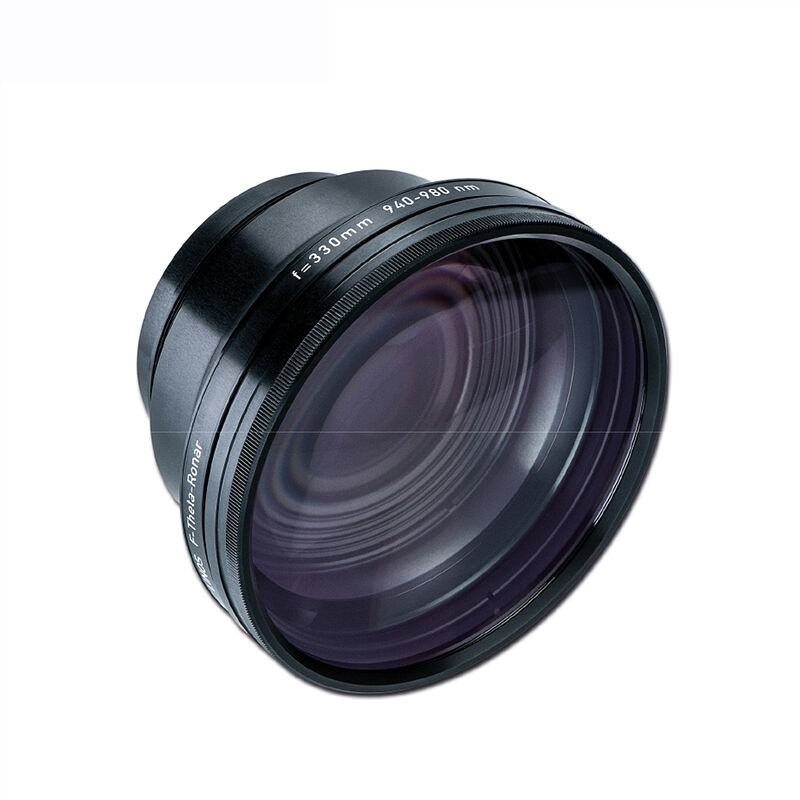
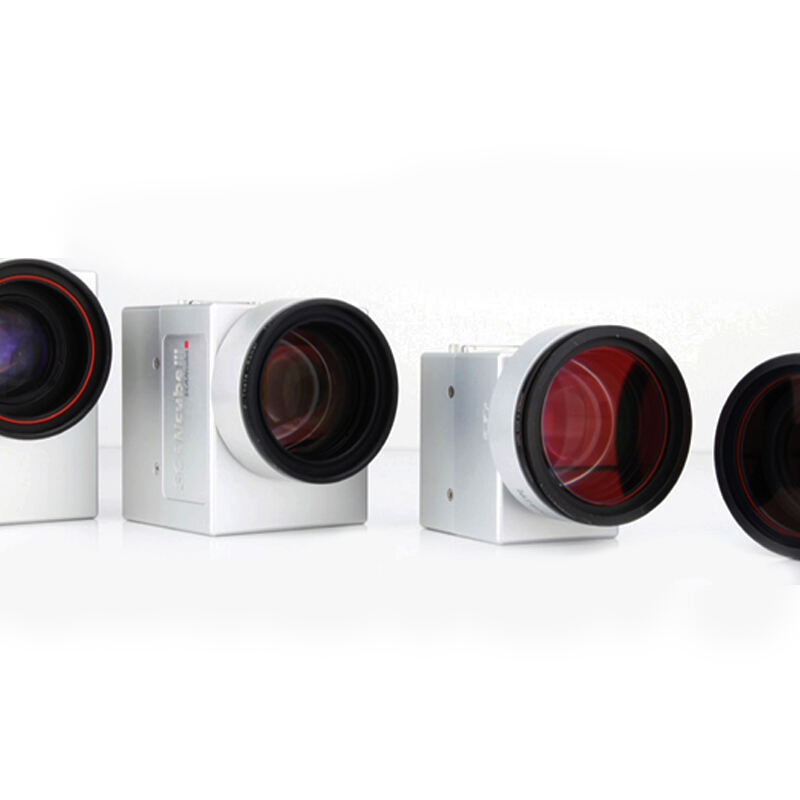
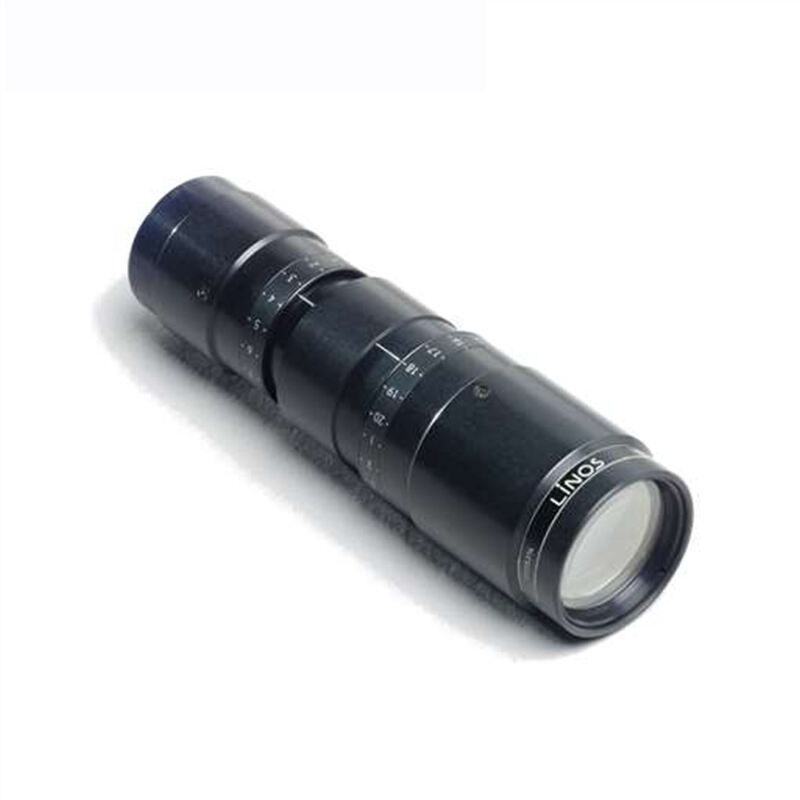
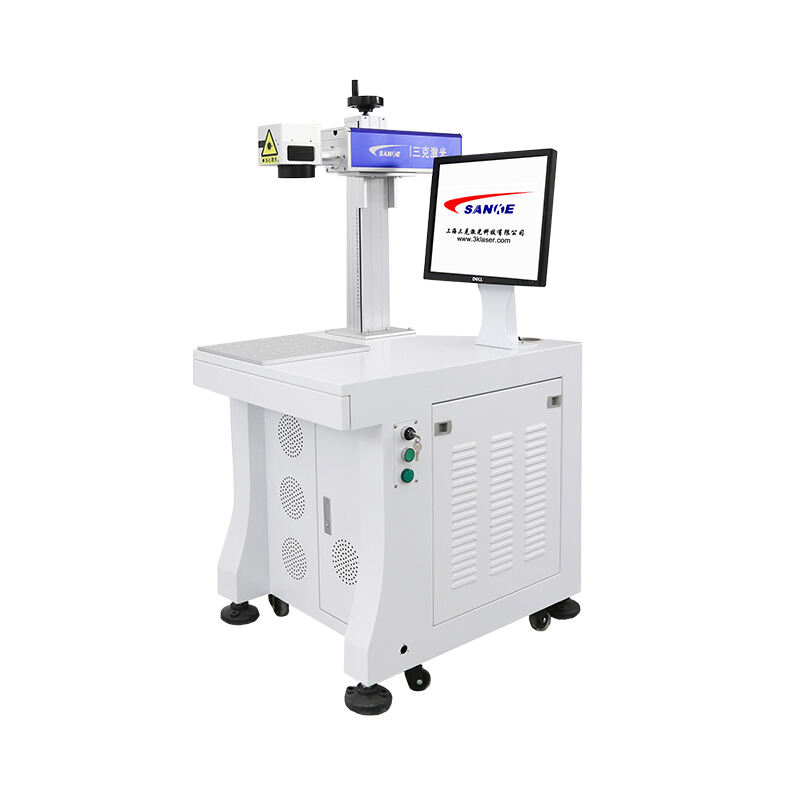
The high precision laser marking process represents a cutting-edge technology that utilizes focused laser beams to create permanent marks, codes, logos, and text on various materials with exceptional accuracy and detail. This advanced manufacturing technique employs concentrated light energy to alter the surface properties of materials, resulting in durable markings that maintain clarity and legibility throughout the product's lifecycle. The process operates by directing a laser beam through sophisticated optical systems that control beam intensity, pulse duration, and positioning with microscopic precision. The main functions of the high precision laser marking process include product identification, traceability coding, branding, decorative marking, and anti-counterfeiting applications. This technology excels in creating barcode systems, QR codes, serial numbers, expiration dates, and complex graphics with remarkable consistency across production runs. Technological features that distinguish this process include non-contact operation, which eliminates mechanical stress on delicate components, and computer-controlled automation that ensures repeatable results. The system utilizes various laser types, including fiber lasers, CO2 lasers, and UV lasers, each optimized for specific materials and applications. Advanced software integration enables real-time data processing, allowing manufacturers to incorporate dynamic information such as batch numbers and timestamps directly into the marking process. The high precision laser marking process finds extensive applications across numerous industries, including automotive manufacturing for component identification, medical device production for regulatory compliance, electronics for circuit board marking, aerospace for critical part traceability, and consumer goods for brand protection. The technology demonstrates exceptional versatility in handling diverse materials such as metals, plastics, ceramics, glass, and composite materials. Its ability to create markings with feature sizes as small as 10 micrometers makes it invaluable for miniaturized components and intricate designs. The process maintains consistent quality standards while operating at high speeds, making it suitable for both low-volume custom applications and high-throughput production environments.

Popular Products

The high precision laser marking process delivers substantial benefits that transform manufacturing operations and enhance product quality for businesses across industries. This technology eliminates consumable costs associated with traditional marking methods, as it requires no inks, solvents, or replacement parts during normal operation. Companies save thousands of dollars annually by avoiding recurring expenses for marking supplies while reducing inventory management complexity. The process creates permanent markings that resist fading, scratching, and chemical exposure, ensuring product identification remains intact throughout harsh environmental conditions. This durability eliminates warranty issues and customer complaints related to illegible markings, protecting brand reputation and reducing support costs. Speed advantages become immediately apparent in production environments, as the high precision laser marking process completes marking tasks in seconds rather than minutes required by alternative methods. Manufacturers experience significant throughput improvements, enabling them to meet demanding production schedules without compromising quality standards. The technology integrates seamlessly with existing production lines through automated positioning systems and conveyor interfaces, minimizing workflow disruptions during implementation. Flexibility represents another major advantage, allowing instant changeover between different marking designs without tooling modifications or setup time. Operators can switch from one product configuration to another through simple software commands, accommodating custom orders and seasonal variations efficiently. The high precision laser marking process maintains consistent quality regardless of production volume, delivering identical results for single prototypes and million-unit production runs. This consistency reduces quality control requirements and eliminates variations that could affect downstream processes or customer satisfaction. Environmental benefits include zero waste generation and elimination of chemical emissions associated with traditional marking methods. Companies improve their sustainability profiles while complying with increasingly strict environmental regulations. The technology requires minimal maintenance, typically operating for thousands of hours between service intervals, reducing downtime and maintenance costs. When service is required, diagnostic systems provide clear guidance for technicians, minimizing repair time and complexity. Return on investment typically occurs within 12 to 18 months through combined savings in consumables, labor, and improved productivity. The high precision laser marking process scales efficiently from small job shops to large manufacturing facilities, making advanced marking capabilities accessible to businesses of all sizes while delivering measurable improvements in operational efficiency and product quality.

Practical Tips

Can a laser drilling machine be integrated into an automated production line?

19

Nov

Can a laser drilling machine be integrated into an automated production line?

Modern manufacturing demands unprecedented levels of precision, efficiency, and automation to remain competitive in today's global marketplace. The integration of advanced equipment into automated production lines has become essential for manufacture...
View More
2025 Guide: How to Choose the Perfect Beam Expander

21

Oct

2025 Guide: How to Choose the Perfect Beam Expander

Understanding the Critical Role of Beam Expanders in Modern Optics The optical industry continues to evolve at a rapid pace, and beam expanders have become indispensable components in numerous applications, from laser processing to advanced microscop...
View More
Top 5 Beam Expander Applications in Laser Systems

21

Oct

Top 5 Beam Expander Applications in Laser Systems

Understanding the Revolutionary Impact of Laser Beam Expansion Technology Modern laser systems have transformed numerous industries, from medical procedures to advanced manufacturing. At the heart of many of these applications lies a crucial optical ...
View More
Fixed vs Variable Beam Expander: Which to Choose?

21

Oct

Fixed vs Variable Beam Expander: Which to Choose?

Understanding Optical Beam Expansion Technology In the world of optics and laser applications, beam expanders play a crucial role in manipulating light beams for various scientific and industrial purposes. These sophisticated optical instruments are ...
View More

Get a Free Quote

Our representative will contact you soon.
Email
Name
Company Name
Message
0/1000

high precision laser marking process

Unmatched Precision and Quality Control

Unmatched Precision and Quality Control

The high precision laser marking process achieves marking accuracies that exceed industry standards, creating features with tolerances measured in micrometers while maintaining exceptional edge definition and contrast. This extraordinary precision stems from advanced beam control systems that manipulate laser parameters with computer-controlled accuracy, ensuring every mark meets exact specifications regardless of complexity or size. The technology employs sophisticated feedback mechanisms that continuously monitor beam position and intensity, making real-time adjustments to compensate for environmental variations or material inconsistencies. Quality control becomes automated through integrated vision systems that inspect each mark immediately after creation, identifying defects or variations before products continue through the production line. This immediate verification prevents defective items from reaching customers while providing statistical data for process optimization. The high precision laser marking process creates markings with consistent depth profiles and smooth surface finishes that enhance readability under various lighting conditions and scanning environments. Barcode and QR code applications benefit tremendously from this precision, achieving perfect contrast ratios that ensure reliable scanning performance throughout the product lifecycle. Medical device manufacturers particularly value this capability, as regulatory requirements demand permanent, legible markings that remain intact through sterilization processes and extended use. The technology accommodates intricate designs and fine text that would be impossible with conventional marking methods, enabling manufacturers to include comprehensive product information within minimal space constraints. Advanced optical systems focus laser energy into spot sizes smaller than human hair width, creating sharp edges and fine details that maintain clarity even under magnification. This precision extends to depth control, allowing manufacturers to create markings that penetrate just enough to ensure permanence without compromising material integrity or structural properties. The high precision laser marking process delivers repeatable results across millions of cycles, maintaining dimensional accuracy and appearance consistency that meets the most demanding quality standards while providing complete traceability documentation for regulatory compliance and quality assurance programs.
Versatile Material Compatibility and Adaptability

Versatile Material Compatibility and Adaptability

The high precision laser marking process demonstrates remarkable versatility in handling diverse materials and surface conditions, making it the preferred solution for manufacturers working with multiple substrate types or complex assemblies. This adaptability stems from sophisticated laser parameter control systems that automatically adjust power, pulse duration, and scan speed based on material properties and desired marking characteristics. Metal marking applications benefit from precise heat control that creates permanent marks without causing thermal damage to surrounding areas or affecting material properties. Stainless steel, aluminum, titanium, and exotic alloys all respond excellently to optimized laser parameters, producing marks with excellent contrast and durability. Plastic marking requires different approaches, as the high precision laser marking process can create markings through foaming, carbonization, or color change mechanisms depending on polymer composition and additive content. The technology handles challenging materials such as glass and ceramics by creating micro-fractures that form visible marks without compromising structural integrity. Advanced parameter libraries contain optimized settings for hundreds of material combinations, enabling operators to achieve consistent results across diverse applications without extensive experimentation. The process adapts to varying surface textures, from mirror-polished finishes to rough-cast surfaces, maintaining marking quality through dynamic focus adjustment and beam shaping capabilities. Multi-material assemblies present no obstacles, as the system can mark different materials within the same product using appropriate parameters for each substrate. This flexibility proves invaluable in electronics manufacturing, where circuit boards contain multiple material types requiring different marking approaches. The high precision laser marking process accommodates curved surfaces and three-dimensional objects through sophisticated beam delivery systems that maintain focus accuracy across complex geometries. Automotive components with compound curves, medical implants with irregular shapes, and aerospace parts with intricate contours all receive uniform marking quality regardless of surface orientation. Temperature-sensitive materials benefit from specialized pulsing techniques that minimize heat input while achieving permanent marking results. The technology continuously evolves through software updates that add new material capabilities and marking techniques, ensuring long-term versatility as manufacturing requirements change and new materials enter production environments.
Advanced Automation and Smart Integration Capabilities

Advanced Automation and Smart Integration Capabilities

The high precision laser marking process incorporates cutting-edge automation features and intelligent integration capabilities that streamline production workflows while maximizing efficiency and minimizing human intervention requirements. Modern systems feature sophisticated software platforms that manage complex marking sequences, coordinate with upstream and downstream processes, and provide comprehensive data logging for quality assurance and regulatory compliance. Machine learning algorithms continuously optimize marking parameters based on historical performance data, automatically adjusting settings to maintain consistent quality as environmental conditions change or materials age. The technology integrates seamlessly with Manufacturing Execution Systems (MES) and Enterprise Resource Planning (ERP) platforms, enabling real-time data exchange that supports advanced production planning and inventory management strategies. Automated part positioning systems ensure precise component alignment without manual intervention, utilizing vision systems and coordinate measurement capabilities to locate marking areas with sub-millimeter accuracy. The high precision laser marking process supports dynamic data marking applications that incorporate real-time information such as production dates, batch numbers, and unique serial codes generated during the marking operation. This capability eliminates pre-printed labels and reduces inventory complexity while ensuring accurate traceability information appears on every marked component. Remote monitoring capabilities enable production managers to oversee multiple marking stations from centralized control rooms, receiving instant notifications of process variations or maintenance requirements. Predictive maintenance algorithms analyze system performance data to schedule service activities before problems occur, minimizing unexpected downtime and extending equipment life. The technology supports flexible production scheduling through rapid changeover capabilities that accommodate varying product mixes without manual setup procedures. Recipe management systems store optimized parameters for thousands of part configurations, enabling instant switching between different marking requirements through simple operator commands or automated production signals. Quality data integration provides statistical process control information that helps manufacturers identify trends and optimize production parameters for maximum efficiency. The high precision laser marking process communicates with robotic systems and automated handling equipment through standardized industrial protocols, creating fully integrated production cells that operate with minimal human supervision. Advanced security features protect proprietary marking designs and prevent unauthorized access to system parameters, ensuring intellectual property protection and regulatory compliance in sensitive manufacturing environments.

Get a Free Quote

Our representative will contact you soon.
Email
Name
Company Name
Message
0/1000