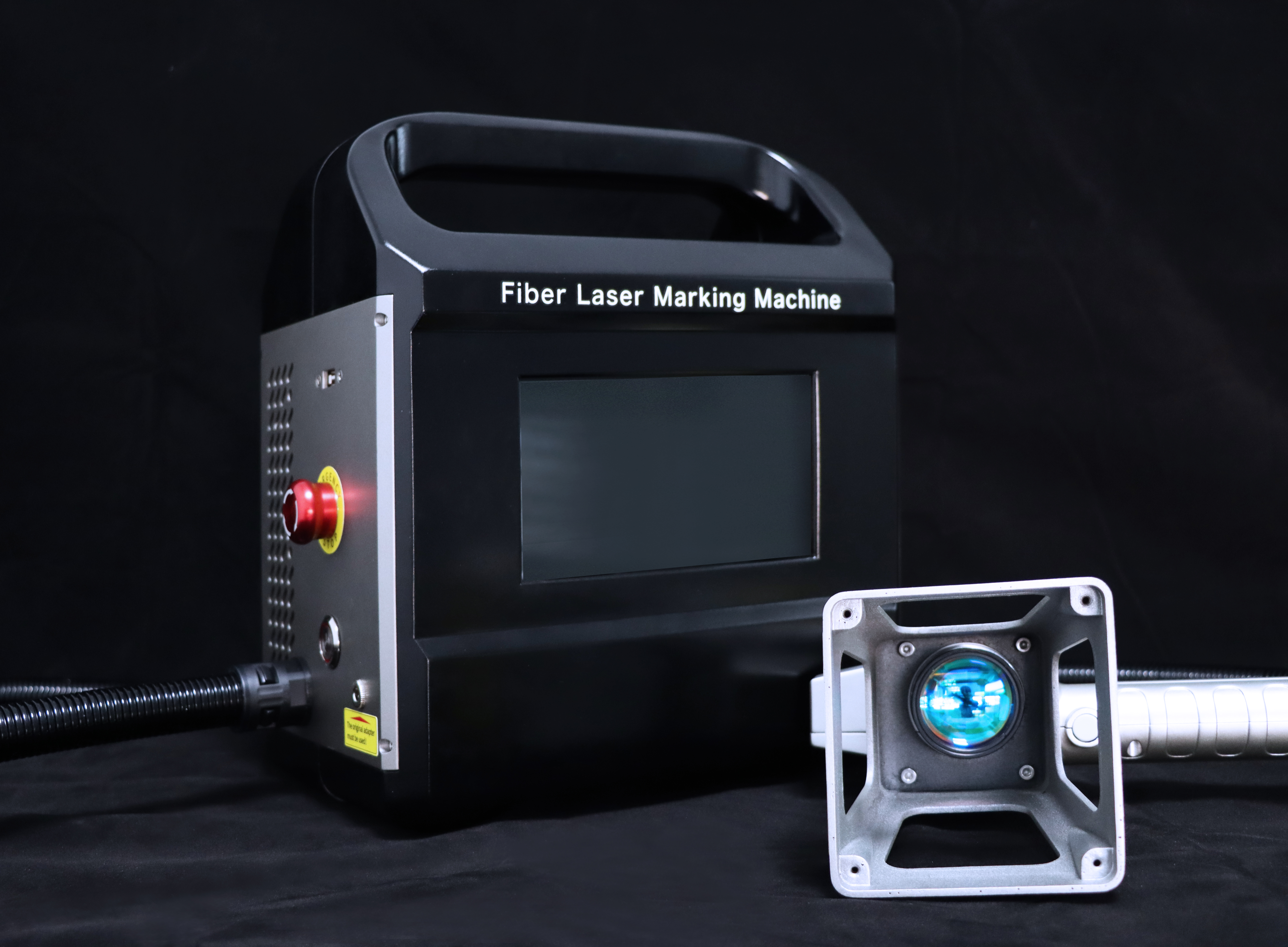
laser micromachining system
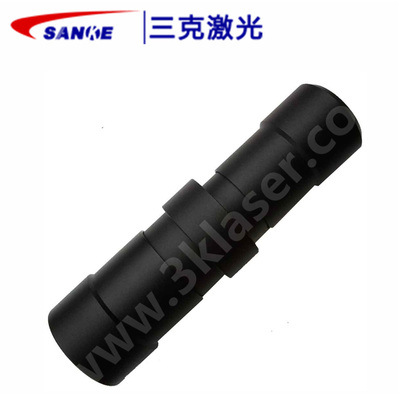
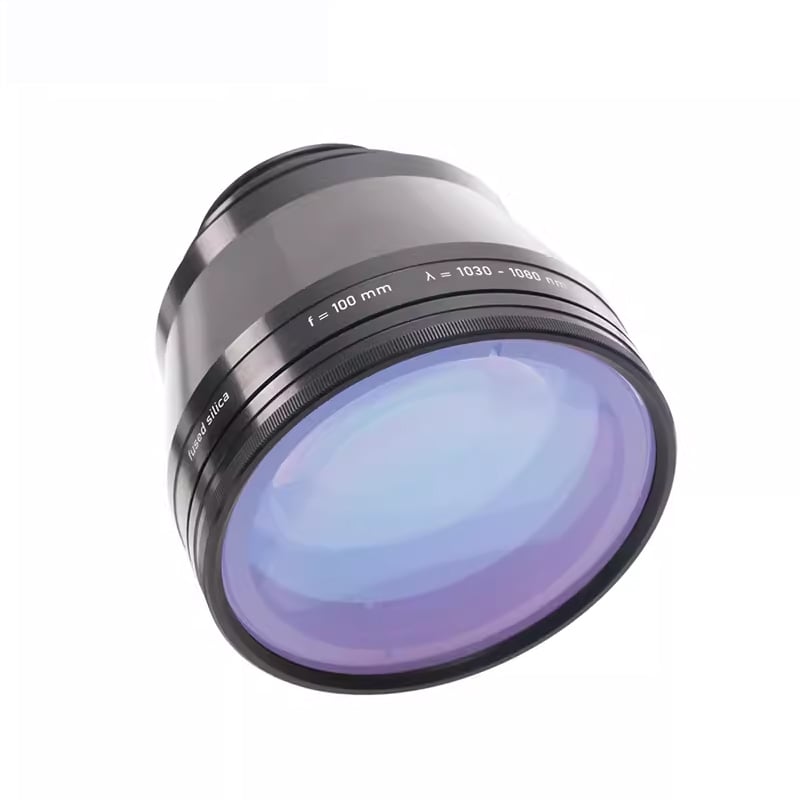
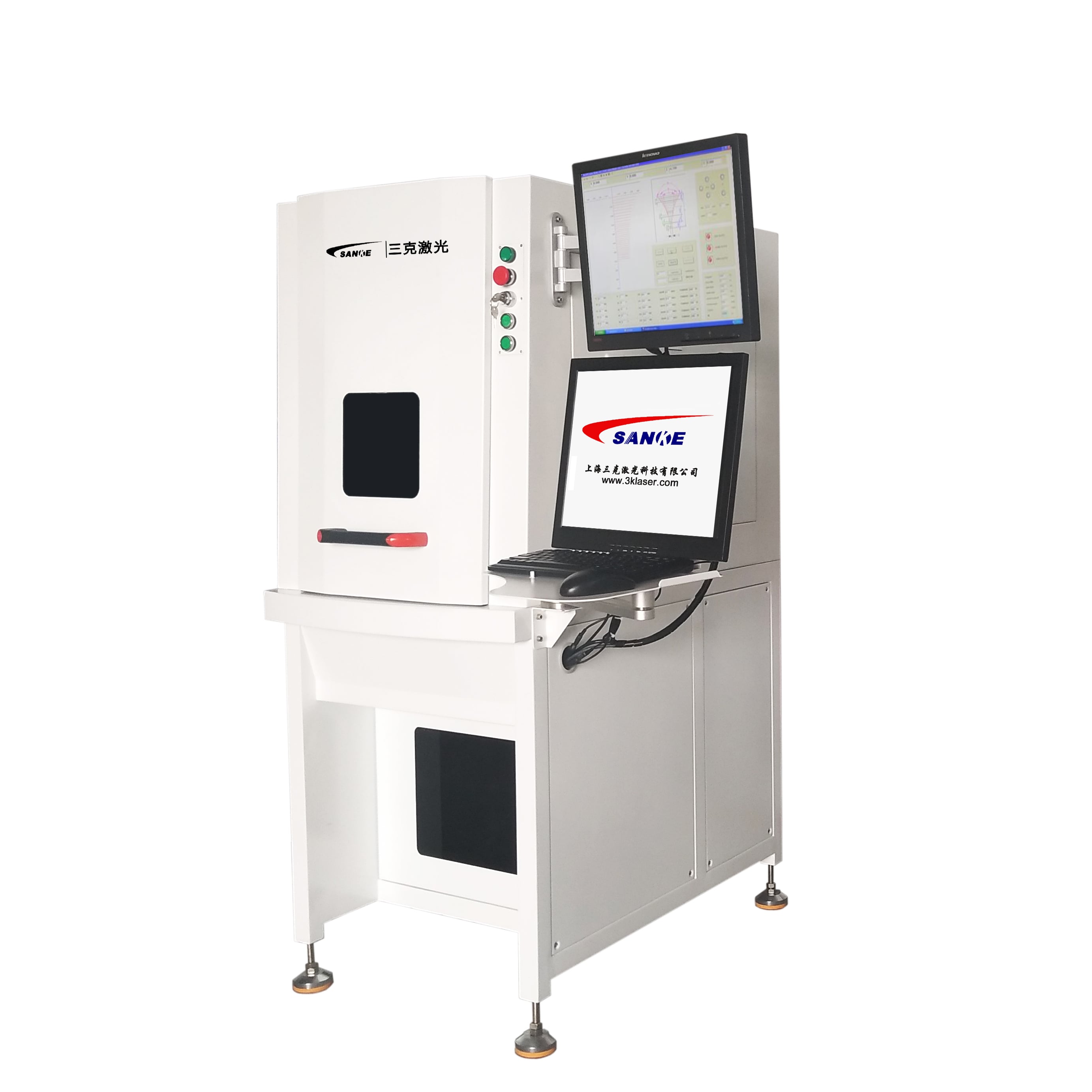
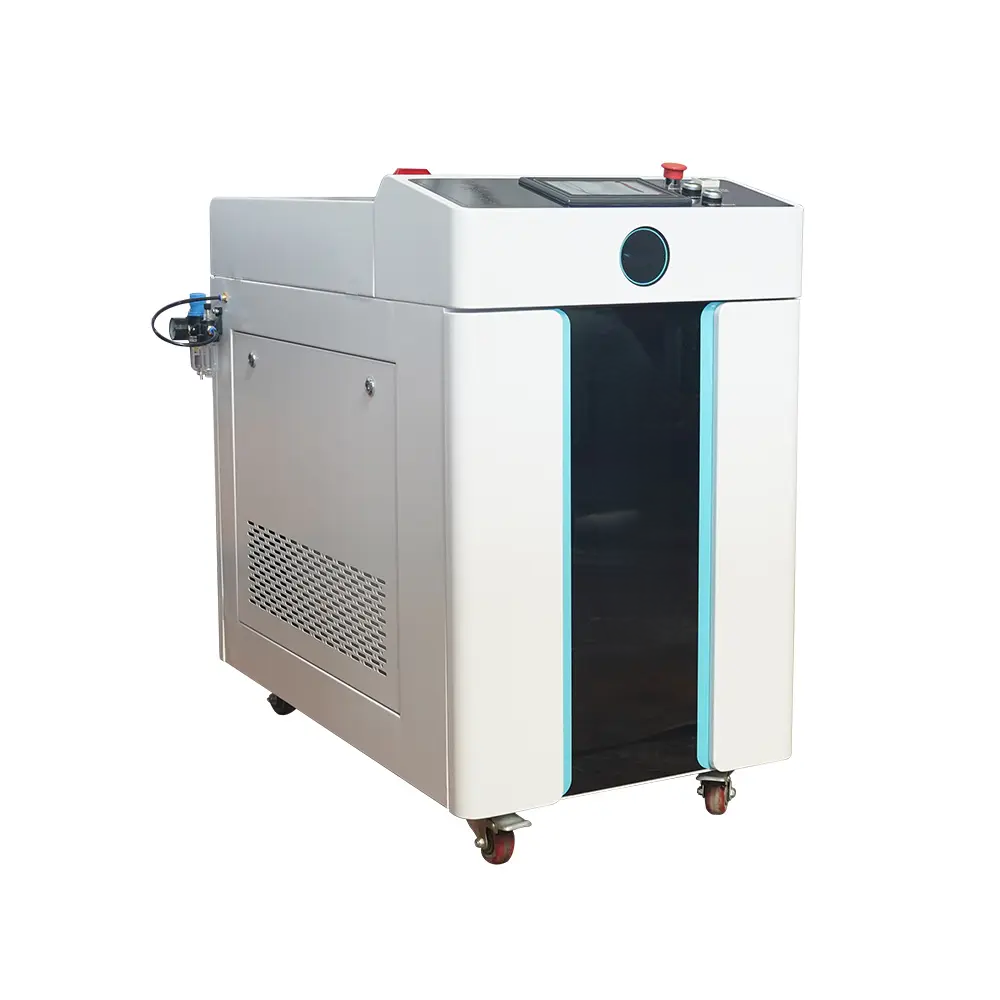
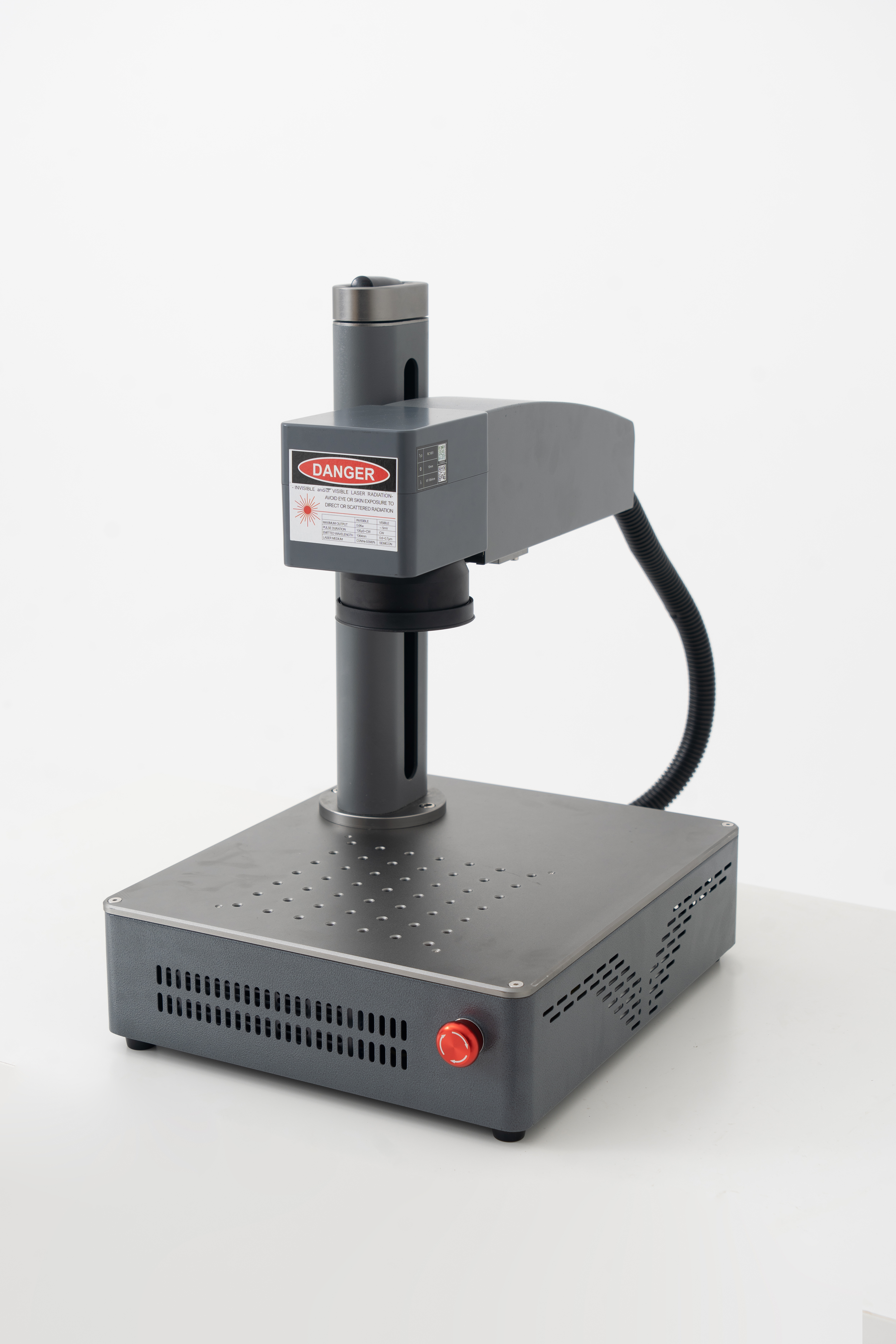
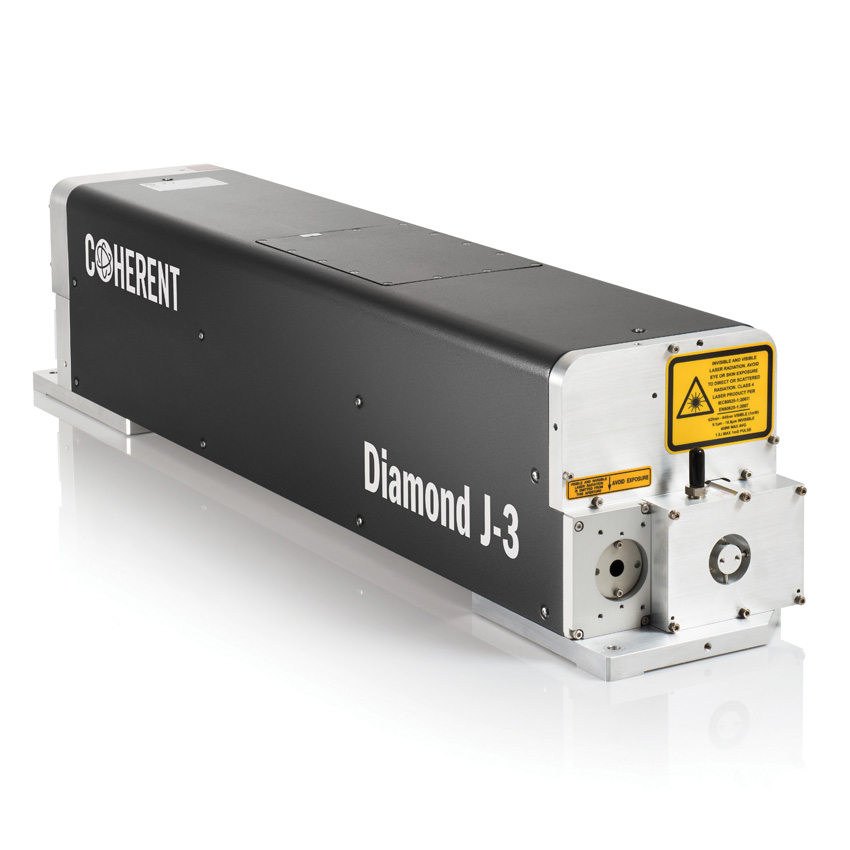
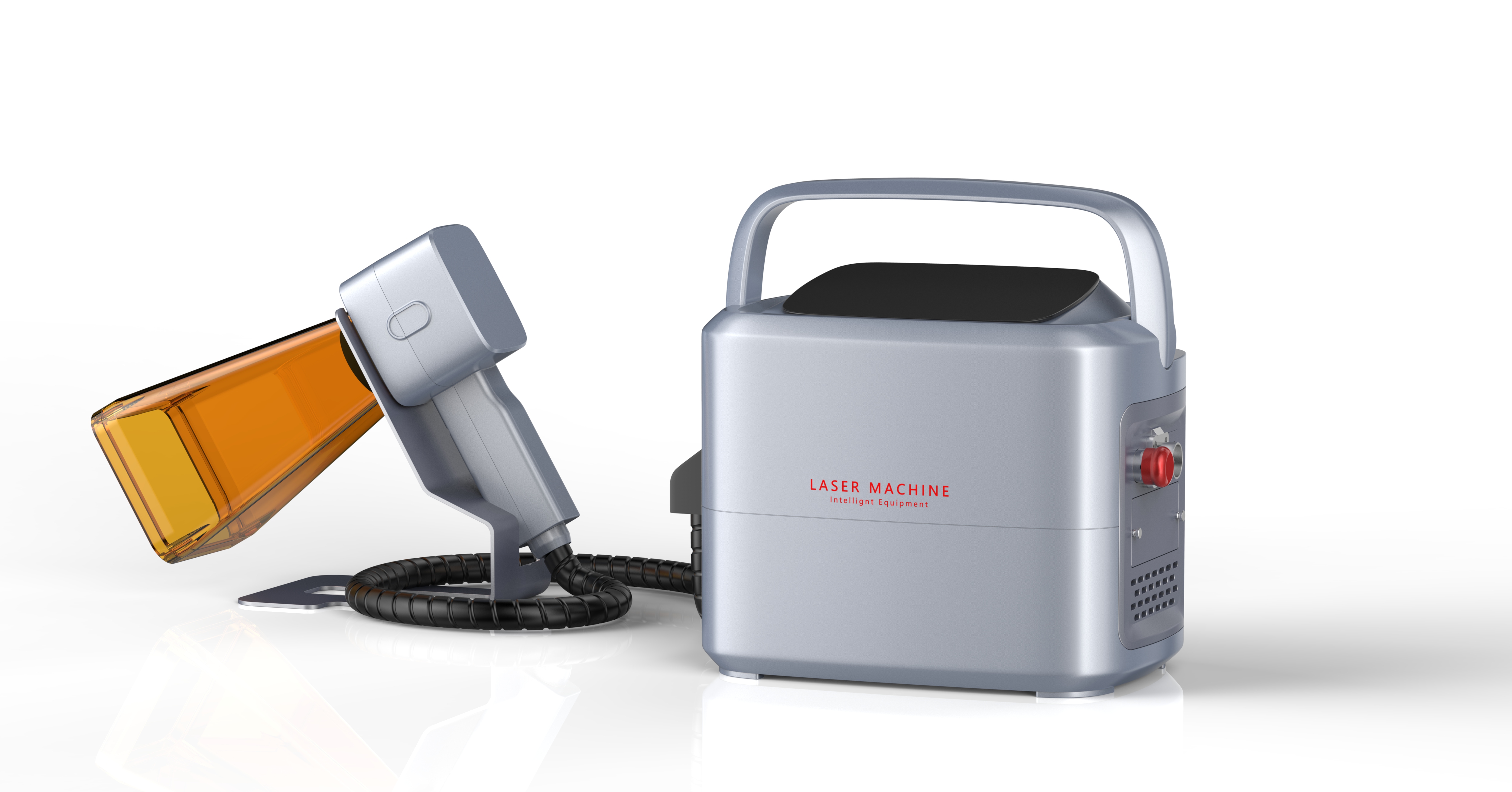
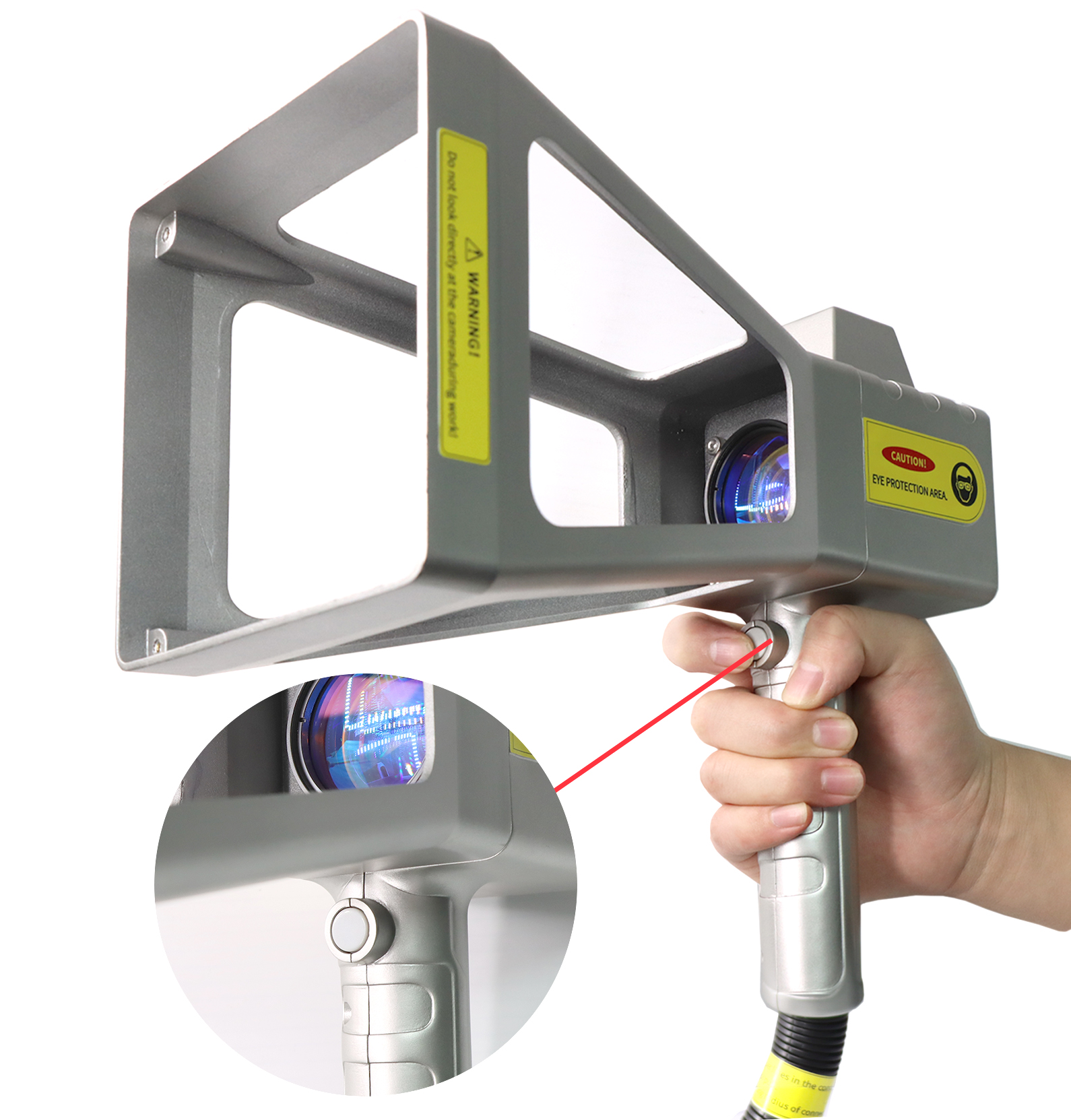
A laser micromachining system represents an advanced manufacturing solution that utilizes highly focused laser beams to perform precise material removal, cutting, drilling, and structuring at microscopic scales. This sophisticated technology enables manufacturers to process a wide range of materials including metals, ceramics, polymers, glass, and semiconductors with exceptional accuracy. The laser micromachining system operates by concentrating intense light energy onto extremely small areas, allowing for feature sizes down to a few micrometers while maintaining tight tolerances. Main functions include micro-drilling for creating tiny holes in circuit boards and fuel injectors, precise cutting of delicate components, surface texturing for improved adhesion properties, and selective material ablation for creating complex three-dimensional structures. Technological features encompass computer-controlled positioning systems, real-time monitoring capabilities, adjustable pulse durations, variable wavelength options, and automated pattern recognition. Modern laser micromachining systems integrate sophisticated software that enables operators to design intricate patterns and execute complex processing sequences with minimal manual intervention. Applications span multiple industries including electronics manufacturing for smartphone components and microchips, medical device production for stents and surgical instruments, automotive sector for fuel system components, aerospace industry for turbine blade cooling holes, and watchmaking for decorative engraving. The laser micromachining system delivers non-contact processing that eliminates tool wear, reduces contamination risks, and enables processing of heat-sensitive materials that would be damaged by conventional machining methods.
 EN
EN
 AR
AR
 FR
FR
 DE
DE
 JA
JA
 KO
KO
 RU
RU
 ES
ES