 EN
 AR
 FR
 DE
 JA
 KO
 RU
 ES


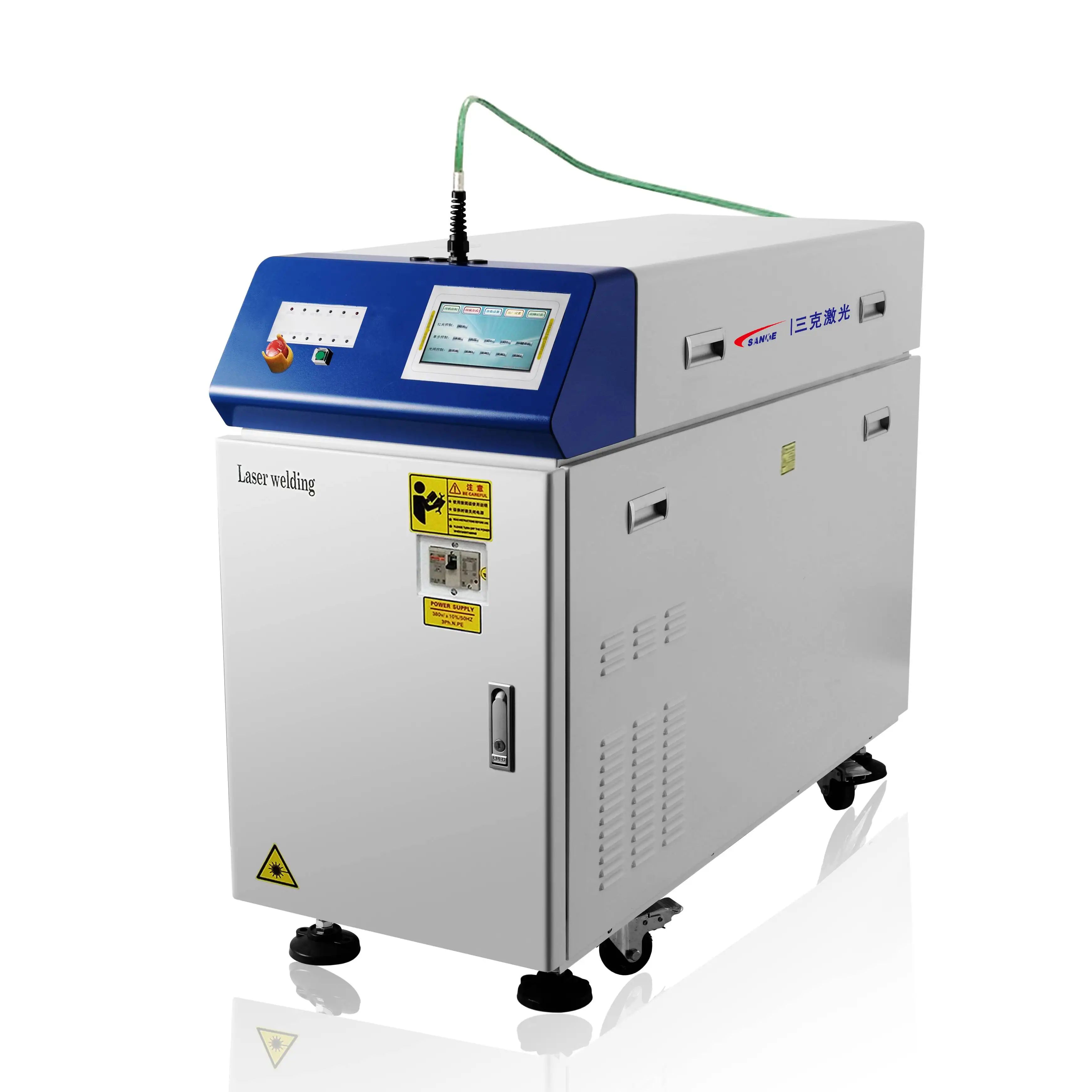
Micro-tech production increasingly depends on tiny, consistent holes in materials that can be thin, delicate, or difficult to machine. Ten connected shifts are shaping this work, and a Laser Drilling service now brings together beam control, digital inspection, and process planning rather than simply making an opening. These changes matter to engineers balancing feature quality, throughput, and repeatability.
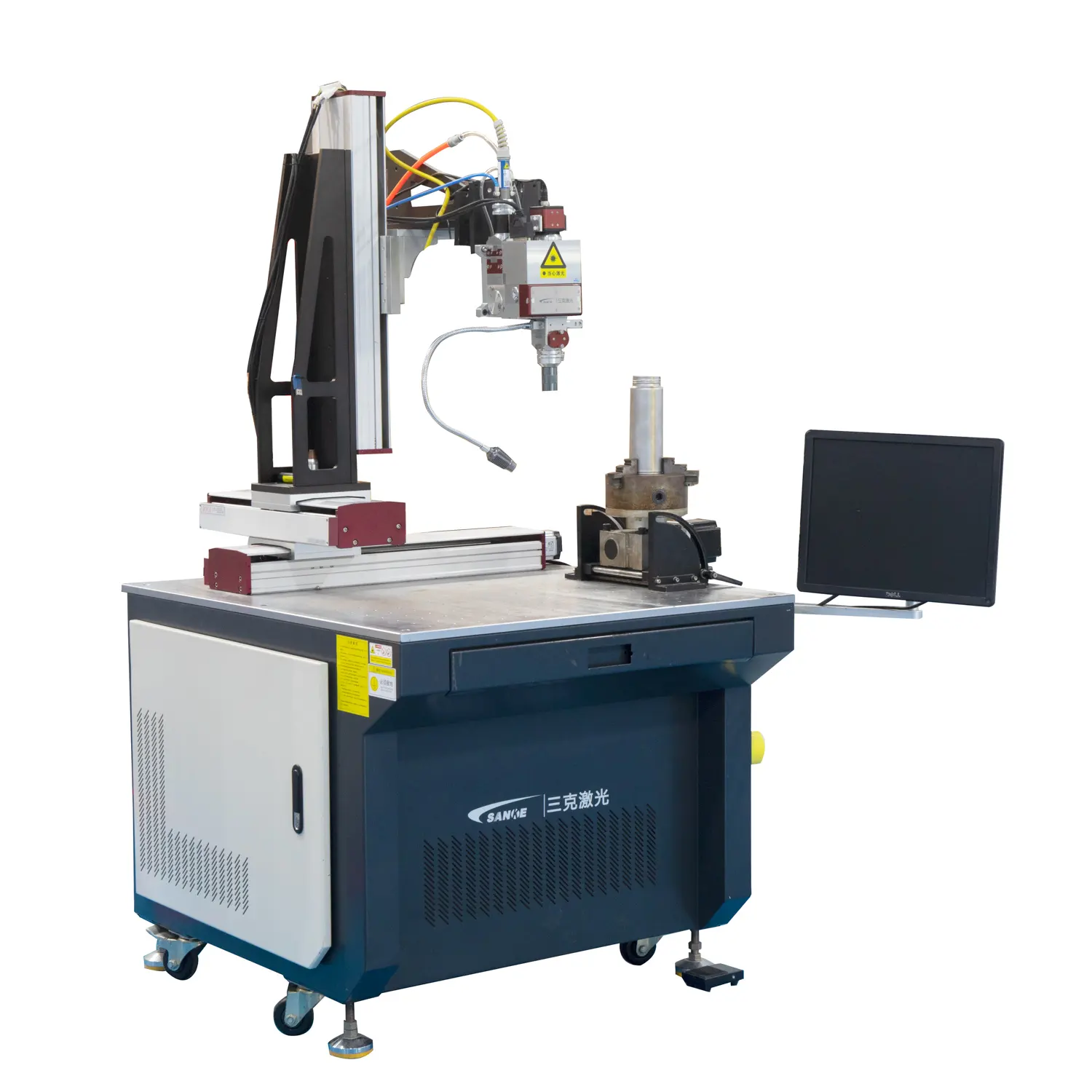
The most important trends are practical responses to tighter tolerances and more varied product designs. A Laser Drilling service can help manufacturers evaluate pulse settings, wavelength, beam shaping, and inspection as one connected process. The following themes show how those developments affect real production decisions and where teams should focus during process qualification.
Precision trends reshape the drilling process
Pulse control and ultrafast processing
The first major shift is toward closer control of energy delivered to each feature. A Laser Drilling service can adjust pulse duration, repetition rate, and fluence to suit a target material instead of relying on one broad recipe. That control supports cleaner edges and helps limit heat transfer around small openings. Engineers still need trials, because the best settings depend on thickness, geometry, and the required finish.
Ultrashort pulses are attracting attention where thermal effects threaten a fine feature. In a Laser Drilling service, evaluating shorter pulses means checking hole shape, debris, and production time together, not assuming that a shorter pulse automatically improves every outcome. This trend is especially relevant to heat-sensitive substrates and intricate patterns. It also raises practical questions about equipment capability, maintenance, and whether the process window remains stable over a full production run.
Wavelength choice and beam shaping
A second development is more deliberate wavelength selection. A Laser Drilling service can compare how a material absorbs different wavelengths, which influences energy coupling and the way a hole forms. UV processing is of interest for certain micro-scale applications, but material response and feature requirements must guide the choice. Testing representative samples helps establish whether the resulting edge quality and geometry meet design needs.
Beam shaping and focus management are also becoming part of routine process development. A Laser Drilling service may use a tailored beam profile, controlled focus position, or scanning strategy to improve consistency across an array of holes. These adjustments matter when layouts include dense features or varied diameters. The trend moves setup beyond choosing a power value toward coordinating optics, motion, and part alignment as a complete system.
Material and application demands expand
More materials and mixed-layer structures
Micro-tech products increasingly combine thin films, polymers, ceramics, glass, and metals within compact assemblies. A Laser Drilling service must account for how each layer responds, especially where a hole crosses dissimilar materials. A recipe suited to one layer may produce unwanted residue or edge changes in another. This makes stack-up details and representative sample testing essential inputs to development.
The move toward mixed materials creates demand for adaptable process windows rather than single-material assumptions. A Laser Drilling service can assess whether wavelength, pulse strategy, or entry direction should change between layers. Engineers should also decide what constitutes an acceptable result at each interface, since visual appearance alone may not reveal internal damage. Clear acceptance criteria make trials more useful and prevent late-stage design disputes.
Smaller features and application-specific designs
Another trend is the growing use of micro-holes for fluid flow, sensing, venting, and electrical or optical functions. A Laser Drilling service helps translate these application goals into measurable dimensions, spacing, and edge requirements. The smallest possible feature is not always the right target; functional performance, manufacturability, and inspection access all shape the specification. Early collaboration can reveal those trade-offs before tooling and production plans are fixed.
Designs are also moving from uniform hole patterns toward application-specific geometries. A Laser Drilling service may need to process different diameters, angles, or densities on one component while maintaining registration. That variety increases the importance of CAD preparation and sample approval. It also rewards teams that define critical features clearly, so process tuning focuses on characteristics that influence assembly or end-use function.
Connected production raises quality expectations
Vision, metrology, and process feedback
Automated vision and in-process sensing are extending quality checks beyond occasional manual inspection. A Laser Drilling service can use imaging or measurement feedback to identify positional variation and monitor feature consistency. Inspection methods must match the feature: diameter, taper, roundness, and edge condition may require different evaluation approaches. Defining measurement methods early helps ensure that supplier and customer results can be compared meaningfully.
The move toward process feedback connects inspection findings with operating parameters. A Laser Drilling service can use documented results to guide adjustments, while keeping changes controlled and traceable. This is not a substitute for validation; it is a way to make deviations visible and investigations more focused. Teams should agree on sampling plans, calibration practices, and escalation steps before relying on automated data.
Automation, traceability, and production readiness
Automation is another clear trend, particularly for repeat jobs and components with many features. A Laser Drilling service may integrate part handling, alignment, recipe selection, and inspection to reduce avoidable variation between operations. Automation is most useful when the incoming part condition and setup requirements are understood. It cannot compensate for unclear specifications or unstable material supply, so process readiness remains a prerequisite.
Finally, traceable digital records are becoming important to production handoffs. A Laser Drilling service can document material details, recipe revisions, inspection results, and approved samples so that a qualified process is easier to reproduce. The practical value lies in linking records to the actual part and revision, not collecting data without context. This trend supports engineering changes, audits, and root-cause work when a feature falls outside its agreed limits.
Together, these ten developments change how manufacturers plan micro-drilling: precision is designed into the process, material behavior is tested early, and quality evidence travels with production. Selecting a Laser Drilling service therefore involves discussing geometry, substrate, inspection, and production intent as a single scope. A focused review of samples and acceptance criteria can turn broad trends into decisions that suit a specific component.
FAQ
Which trend most affects micro-hole quality?
Pulse control is a major influence, but material absorption, focus, and inspection method also matter. A Laser Drilling service should establish quality using representative samples and agreed measurement criteria.
Is UV processing suitable for every micro-tech material?
No. Suitability depends on absorption, thickness, feature geometry, and the required edge condition. A Laser Drilling service can assess candidate settings through application-specific trials rather than assuming one wavelength fits all materials.
When should inspection planning begin?
Plan inspection during design and process development, before production acceptance criteria are fixed. A Laser Drilling service can then align feature requirements, measurement capability, and process records from the start.