 EN
 AR
 FR
 DE
 JA
 KO
 RU
 ES


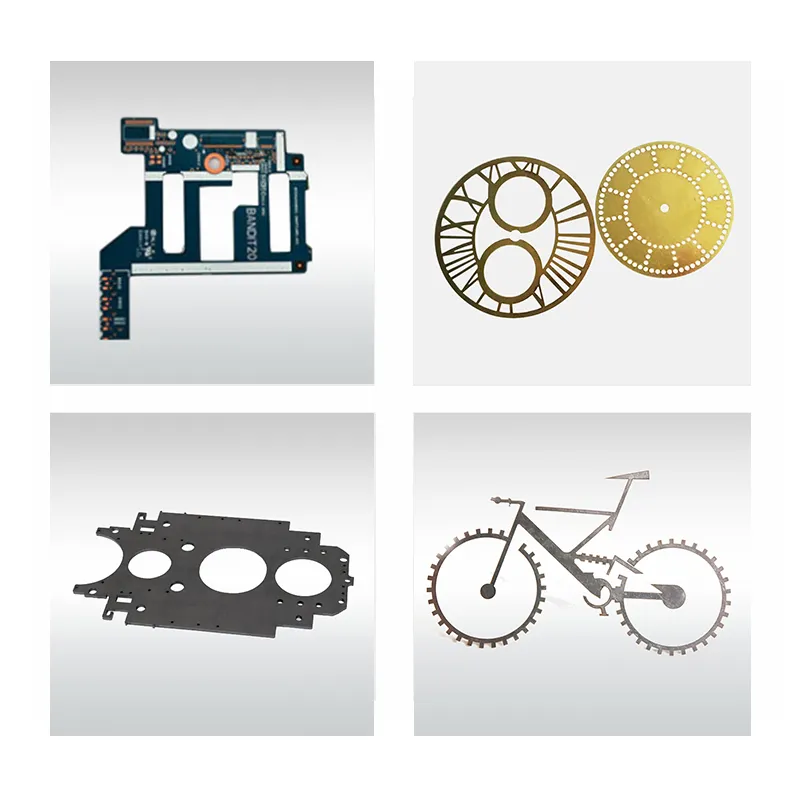
Choosing among the best CNC options for metal sheet starts with matching the machine to your actual parts and production mix. A Laser Cutting System should handle the materials, thicknesses, sheet sizes, and tolerances you need without forcing compromises in workflow. The right choice is not simply the machine with the highest stated speed; it is the Laser Cutting System whose cutting capability and operating setup fit your daily work.
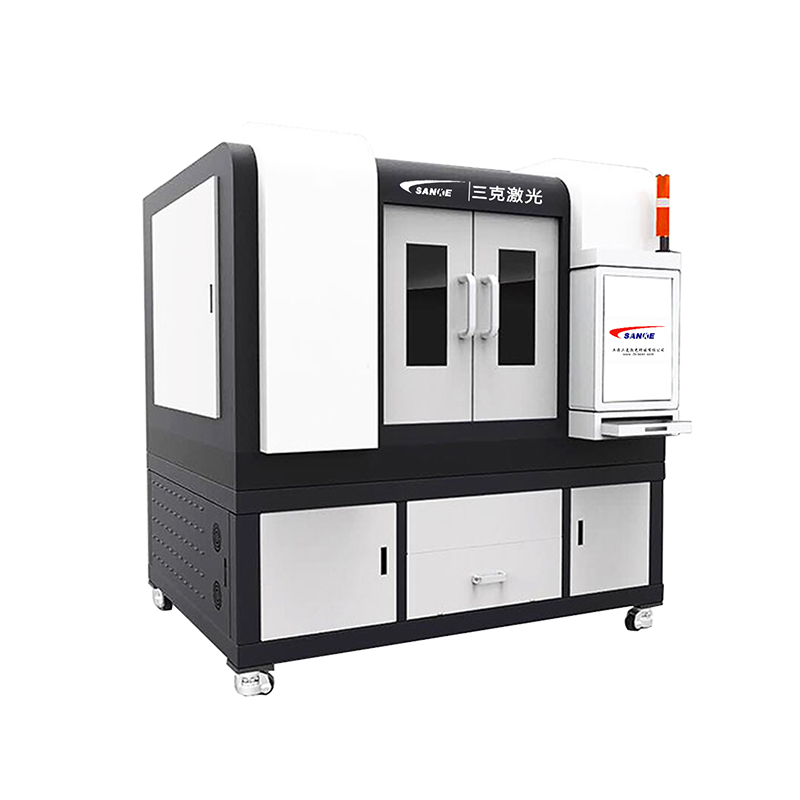
For a useful comparison, assess cutting performance, CNC controls, material handling, safety, and service requirements together. A Laser Cutting System that suits thin stainless panels may not be the best fit for thicker carbon steel or frequent alloy changes. This guide explains how to assess those factors and narrow the field to a Laser Cutting System that supports reliable metal-sheet production.
Match cutting capability to sheet work
Define materials, thickness, and part geometry
Begin with a record of the metals and thicknesses that make up your real workload, including occasional jobs that can affect equipment sizing. A Laser Cutting System must be specified for the material range you intend to process, since thickness and reflectivity influence process settings and cutting results. Evaluate the Laser Cutting System against representative parts rather than relying on a single maximum-thickness figure.
Part geometry matters as much as raw material. A Laser Cutting System used for small brackets with many holes faces different demands from one cutting broad panels with long contours. Review edge quality, minimum feature size, hole proportions, and tolerance needs with sample drawings. When possible, ask for a trial using comparable sheet stock so your team can judge whether the Laser Cutting System produces parts ready for the next operation.
Check the working area and cutting source
The available sheet format should fit common jobs while leaving practical room for loading and positioning. A Laser Cutting System with a bed that is too small may require extra nesting or remnant handling, while an oversized platform can take up space without improving output. Confirm usable cutting area, loading access, and the floor layout before choosing a Laser Cutting System for a specific shop.
Select a laser source and power configuration in relation to the material mix, thickness range, and quality targets. More power is not automatically a better purchase if most work involves thinner sheet or delicate features. Ask how the Laser Cutting System maintains stable processing across routine jobs and what setup changes different materials require. This helps compare usable capability, not just a headline specification, when evaluating each Laser Cutting System.
Evaluate CNC control and production flow
Assess programming, nesting, and operator use
CNC software determines how smoothly drawings become finished parts. Check whether the Laser Cutting System accepts your common file formats, supports practical nesting, and makes parameter selection clear to operators. A clear workflow reduces avoidable preparation delays and makes job changes easier to manage. During a demonstration, follow a part from file import through cutting rather than judging the Laser Cutting System only by its interface.
Control functions should support repeatable work without hiding essential settings. Review how operators set material, thickness, and cutting parameters, and how the Laser Cutting System displays alarms or process interruptions. Consider training needs across shifts, particularly if several employees will program and operate the equipment. A Laser Cutting System that fits your team's experience can make adoption more practical than a feature-heavy control that requires unfamiliar routines.
Plan loading, unloading, and automation
Material movement can become the production constraint even when cutting itself is fast. Map how sheets arrive, are loaded, and leave the cutting area, then determine whether manual handling is suitable for your volume and sheet sizes. A Laser Cutting System should fit that flow safely, with clear access for operators and enough space for incoming stock, cut parts, and remnants.
Automation may be valuable when repeated loading tasks consume labor or interrupt machine use, but it also brings integration and maintenance considerations. Ask how a Laser Cutting System coordinates with loading equipment, job queues, and shop procedures. Estimate whether the expected work pattern supports the added complexity. For mixed, low-volume work, a simpler Laser Cutting System may be more suitable; steady repeat runs may justify more automated handling.
Verify ownership fit before selection
Compare operating demands and service access
A purchase decision should include the resources needed to keep equipment in service. Clarify routine cleaning, consumable replacement, inspection intervals, and the skills required for basic troubleshooting. The Laser Cutting System documentation should explain maintenance tasks in terms your team can follow. Also confirm how technical support is accessed and what information is needed to diagnose issues with the Laser Cutting System.
Review safety provisions as part of the operating plan, including enclosure design, interlocks, fume extraction, and procedures for handling sheet stock. Match these needs to local rules and your facility's existing controls. A Laser Cutting System must be installed and operated within the requirements set by its documentation and applicable regulations. Include extraction, electrical supply, and operator training when calculating the practical footprint of the Laser Cutting System.
Use a structured acceptance decision
Before committing, build an acceptance plan around representative materials, part files, and production steps. Define what your team needs to verify, such as dimensions, edge condition, setup time, and successful file transfer. Test the Laser Cutting System against those agreed needs and record the results. This gives stakeholders a common basis for deciding whether the Laser Cutting System fits the intended work.
Finally, weigh purchase cost against operating requirements, facility readiness, training, and expected utilization. The Laser Cutting System with the most impressive specification may not deliver the best operational fit if its capacity is rarely used or its workflow conflicts with existing processes. A balanced selection ties every major feature to a production need. That discipline helps identify a Laser Cutting System that can serve the metal-sheet jobs planned for it.
FAQ
What should be checked first when choosing a Laser Cutting System?
Start with the materials, thickness range, sheet dimensions, and part tolerances your shop actually handles. Then assess whether the Laser Cutting System can process representative jobs and fit your loading, safety, and facility requirements. This keeps the choice grounded in production needs rather than an isolated specification.
Does higher laser power always make a better choice?
No. The suitable power depends on material, thickness, quality expectations, and job mix. Compare demonstrated performance on your intended work and consider operating needs as well. A Laser Cutting System selected around routine production may be a better match than one sized mainly for occasional maximum-thickness jobs.
How can a shop confirm that a system fits its workflow?
Use sample drawings and materials to test programming, setup, cutting, and part handling. Include operators in the review and check maintenance access, extraction, and loading space. A Laser Cutting System should satisfy documented acceptance criteria, while its workflow and support needs should be practical for the team responsible for daily operation.