 EN
 AR
 FR
 DE
 JA
 KO
 RU
 ES


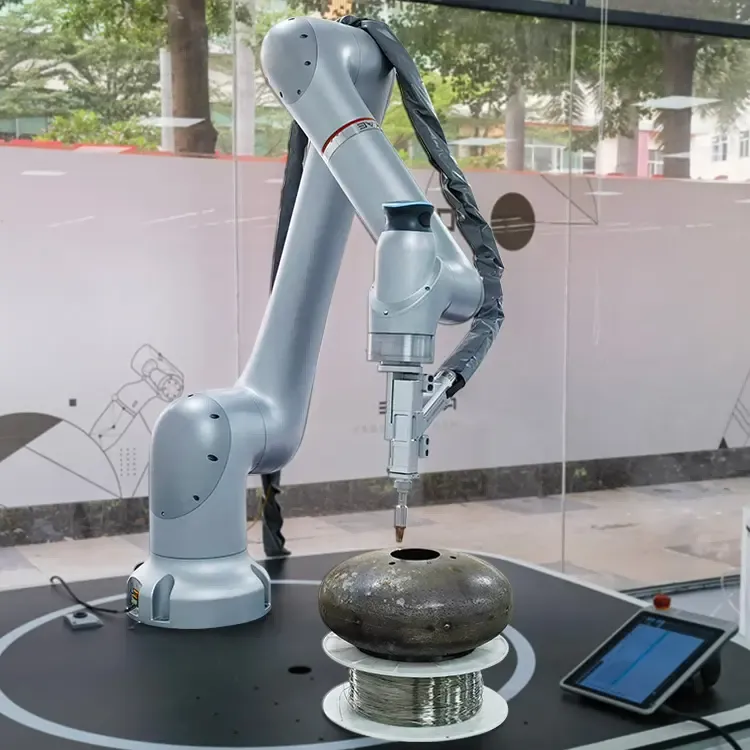
A Laser Welding robot is a capital purchase whose price depends on more than the laser source. Buyers also pay for motion equipment, safety controls, integration, and the work needed to make the cell production-ready. Understanding these cost layers helps teams compare proposals on a like-for-like basis and avoid budgeting only for the visible machine.
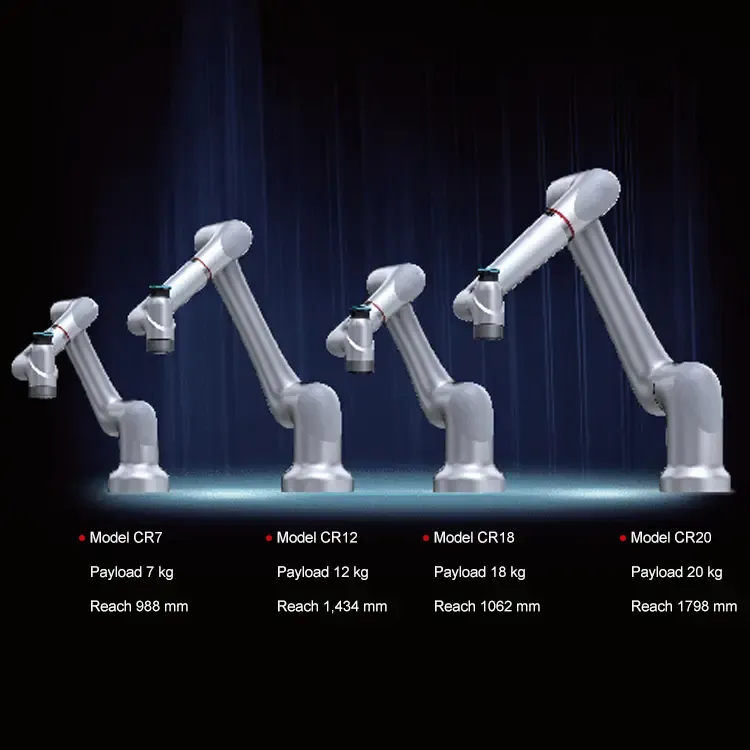
The right estimate starts with the application: material, joint design, part size, production volume, and the required level of automation. A Laser Welding robot configured for repeatable, high-volume work has a different cost profile from equipment intended for flexible, occasional jobs. This guide explains the main machinery price drivers and shows how to build a more realistic investment budget.
What Determines the Machinery Price
Laser source and process requirements
The laser source is a major price component, but its rated power is only one purchasing factor. A Laser Welding robot must suit the material thickness, joint geometry, weld speed, and duty cycle of the actual job. Selecting more capacity than the process needs can raise the initial outlay, while insufficient capacity may limit throughput or the range of suitable parts.
Ask what is included with the source, such as the cooling unit, delivery optics, and process interface. For a Laser Welding robot, beam delivery and compatible tooling affect both the quote and the practical work envelope. Buyers should confirm supported materials and process conditions through application testing rather than assuming a higher specification automatically improves every weld.
Motion hardware and cell configuration
The motion package can include a robot arm, positioner, fixture, controller, and any additional axis required to reach the joint. Each added component influences the price of a Laser Welding robot, but may also reduce repositioning or manual handling. The value depends on whether the planned parts need that reach, orientation, and cycle sequence.
Compare the proposed working envelope with real part drawings and fixture dimensions. A Laser Welding robot that can technically reach a joint may still create awkward access, collision risks, or inefficient loading. A clear layout review helps identify these issues before purchase and prevents late changes to guarding, fixtures, or motion components.
How Automation Choices Change the Budget
Manual, semi-automatic, and integrated operation
Automation level changes both machinery cost and the labor assumptions behind the project. A Laser Welding robot in a basic cell may require operators to load parts and start each cycle, while a more integrated setup can coordinate fixtures, sensors, and material handling. The extra equipment is worthwhile only when the production flow can use it consistently.
Map the full sequence from part arrival through loading, welding, inspection, and unloading. This reveals whether a Laser Welding robot needs a turntable, dual station, or connection to existing equipment. Include interface engineering in the estimate, because communication between machines, safety circuits, and production software can require project-specific work.
Safety, fixtures, and integration work
Laser processing requires a safety design appropriate to the installation and local requirements. Enclosures, interlocks, extraction provisions, and access controls can form a meaningful portion of the total price. A Laser Welding robot quote should describe these items clearly, so the buyer can distinguish included safeguards from site work that remains outside the machinery package.
Fixtures influence repeatability and changeover time, so they should be designed around the actual part family. A Laser Welding robot may need dedicated tooling for stable clamping, or adaptable fixtures where products vary. The budget should also cover installation, programming, commissioning, and operator instruction; these activities turn a delivered machine into usable production capacity.
Building a Realistic Total Cost
Purchase price and cost of ownership
A useful budget separates the equipment purchase from costs that continue after commissioning. For a Laser Welding robot, recurring expenses may include electricity, consumables, preventive maintenance, replacement components, and production downtime during service. Ask for maintenance requirements and expected service intervals, then relate them to the facility’s operating schedule.
Estimate cost per acceptable part rather than judging the investment by purchase price alone. A Laser Welding robot can affect labor allocation, cycle time, rework, and material handling, but these effects depend on the specific process and baseline. Use measured trial data where available, and keep assumptions about utilization and staffing visible in the financial model.
Quote review and investment readiness
For a meaningful comparison, define a common scope before requesting or reviewing proposals. Specify sample parts, material, weld requirements, production targets, utilities, and site conditions. Then check whether each Laser Welding robot quotation includes the same laser package, tooling, guarding, integration, training, and commissioning activities.
A staged evaluation can reduce uncertainty without committing to every automation feature at the outset. First validate weld quality and cycle assumptions, then confirm layout, safety, and operator workflow. When reviewing a Laser Welding robot option, verify that its configuration matches the intended process; a handheld machine and a robotic cell serve different operating setups.
FAQ
What is usually included in a Laser Welding robot price?
A Laser Welding robot package may include the laser source, motion equipment, controller, and basic process components, but inclusions vary. Confirm whether guarding, fixtures, installation, programming, training, and commissioning are covered or quoted separately. Request a written scope so the total investment reflects the complete production setup.
Does higher laser power always mean higher value?
Not necessarily. A Laser Welding robot needs power suited to the material, thickness, joint, and production target, rather than the highest available rating. Overspecification can increase purchase and operating requirements without improving the process. Validate the proposed capacity using representative parts and agreed weld criteria.
How can a buyer estimate the full project budget?
Start with the machine quote, then account for installation, site preparation, safety measures, fixtures, integration, training, and ongoing maintenance. For a Laser Welding robot, include realistic assumptions about utilization, staffing, and service downtime. Reviewing these items early gives decision-makers a clearer basis for assessing payback and project readiness.