 EN
EN
 AR
AR
 FR
FR
 DE
DE
 JA
JA
 KO
KO
 RU
RU
 ES
ES


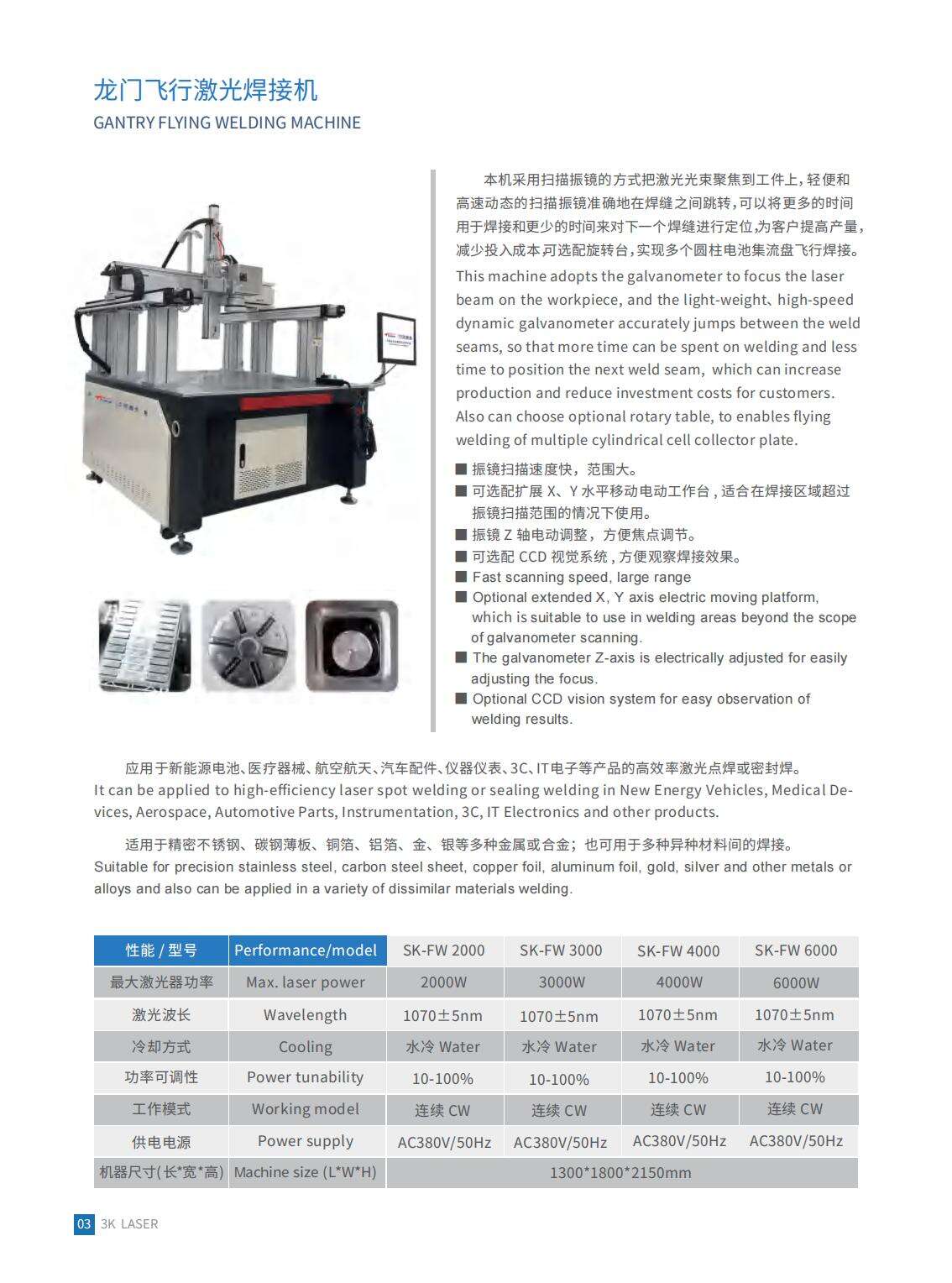
Modern manufacturing faces unprecedented pressure to deliver higher quality products faster while maintaining cost-effectiveness. Traditional manual welding processes, while skilled, often create bottlenecks that limit production capacity and introduce variability in quality outcomes. Industries ranging from automotive to aerospace are discovering that automated welding solutions offer the key to unlocking superior production efficiency, consistent quality standards, and reduced operational costs.
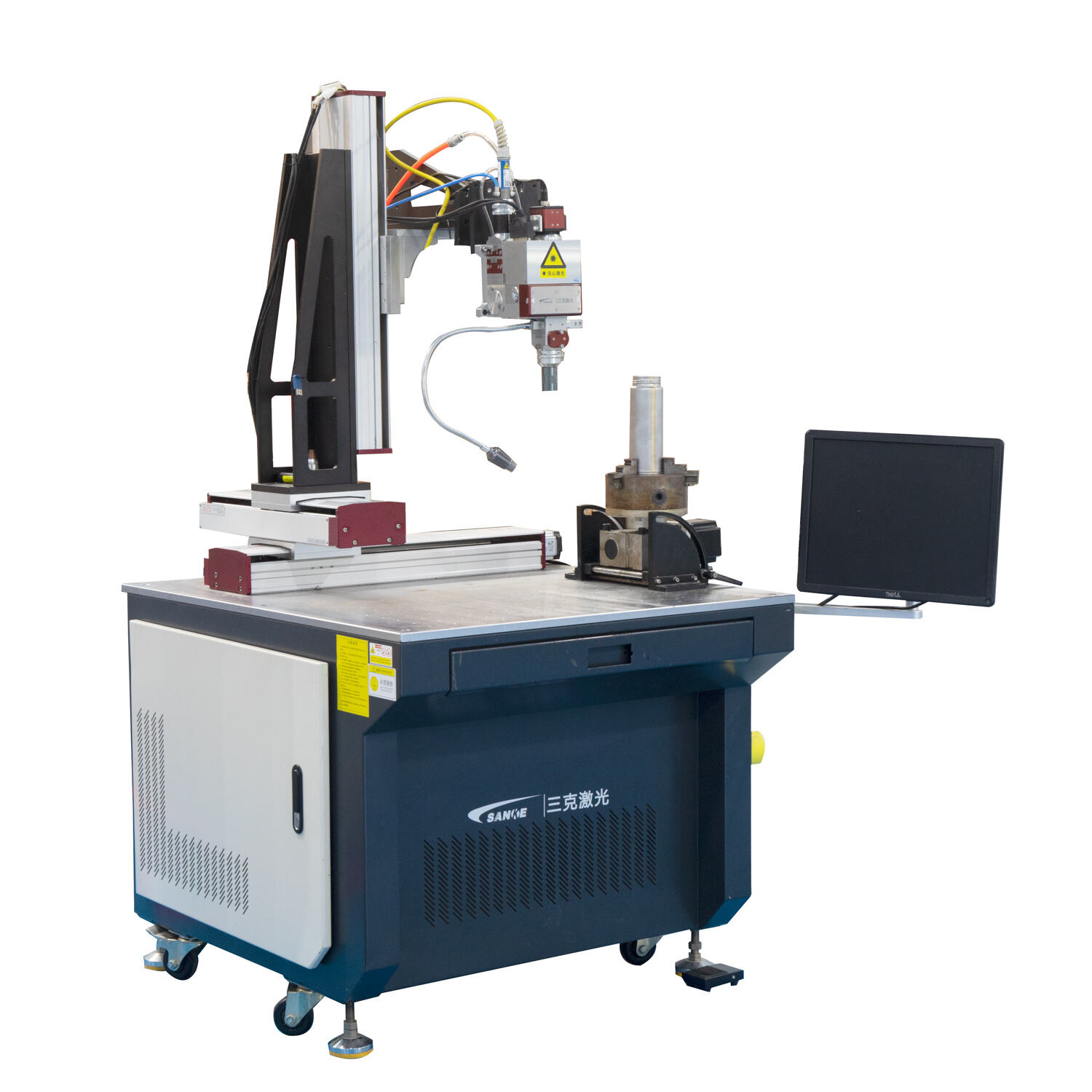
The transformation from manual to automated welding represents more than just technological advancement; it represents a fundamental shift in how manufacturers approach production optimization. Companies implementing automated welding systems report dramatic improvements in throughput rates, with some facilities experiencing productivity increases of 300% or more. These systems operate with precision that human welders, despite their expertise, cannot consistently match across extended production runs.
Understanding Automated Welding Technology
Core Components of Automated Welding Systems
Automated welding systems integrate sophisticated robotics with advanced welding technologies to create seamless production workflows. The foundation of these systems lies in programmable robotic arms that execute precise welding paths with repeatability measured in fractions of millimeters. These robotic platforms work in conjunction with intelligent welding power sources that automatically adjust parameters based on material thickness, joint configuration, and environmental conditions.
Vision systems play a crucial role in modern automated welding setups, providing real-time feedback that allows systems to adapt to variations in part positioning or material properties. Advanced sensors monitor arc characteristics, penetration depth, and weld pool dynamics, ensuring consistent quality throughout the welding process. This integration of multiple technologies creates a synergistic effect where the whole system performs significantly better than the sum of its individual components.
Types of Automated Welding Processes
Several automated welding processes have emerged to address different manufacturing requirements and material combinations. Gas Metal Arc Welding (GMAW) automation offers exceptional versatility for a wide range of materials and thicknesses, making it particularly popular in automotive and general fabrication applications. The automated GMAW process maintains consistent wire feed rates and travel speeds, resulting in uniform bead profiles and optimal penetration characteristics.
Laser welding automation represents the pinnacle of precision joining technology, offering minimal heat-affected zones and exceptional aesthetic results. Automated welding systems utilizing laser technology can achieve welding speeds that are orders of magnitude faster than traditional processes while maintaining superior quality standards. These systems excel in applications requiring minimal distortion and high-strength joints, such as medical device manufacturing and precision electronics assembly.
Production Efficiency Advantages
Speed and Throughput Improvements
The speed advantages of automated welding extend beyond simple travel velocity improvements. While robotic systems can indeed move faster than human welders, the real efficiency gains come from elimination of setup time, reduced rework requirements, and continuous operation capabilities. Automated welding systems can operate for extended periods without fatigue, maintaining consistent performance throughout entire production shifts.
Cycle time reductions in automated welding applications often exceed 50% compared to manual operations, with some specialized applications achieving even greater improvements. These systems eliminate the variability associated with human factors such as fatigue, distraction, or skill level differences between operators. The consistent performance of automated welding translates directly into predictable production schedules and improved delivery reliability for manufacturers.
Quality Consistency and Repeatability
Automated welding systems deliver unprecedented consistency in weld quality, virtually eliminating the variation inherent in manual welding processes. Each weld joint receives identical heat input, travel speed, and shielding gas coverage, resulting in uniform mechanical properties throughout production runs. This consistency proves particularly valuable in applications where weld strength and appearance directly impact product performance and customer satisfaction.
Statistical process control becomes significantly more effective with automated welding because the reduced variation allows for tighter control limits and more sensitive detection of process changes. Manufacturers report defect rates dropping by 80% or more when transitioning from manual to automated welding processes. This improvement in first-pass quality reduces inspection requirements and virtually eliminates costly rework operations that can disrupt production flow.
Cost Reduction and ROI Benefits
Labor Cost Optimization
While the initial investment in automated welding equipment requires significant capital, the long-term labor cost benefits typically justify the expenditure within 12 to 18 months of implementation. Automated welding systems operate with minimal human intervention, allowing skilled welders to focus on more complex tasks that truly require human expertise and judgment. This reallocation of human resources often results in improved job satisfaction for welding personnel who transition to supervisory and programming roles.
The scarcity of skilled welders in many regions makes automated welding an attractive solution for maintaining production capacity without competing for limited talent pools. Companies implementing automated welding report reduced dependence on overtime labor and improved ability to meet production commitments during periods of high demand. The consistent availability of automated welding capacity provides strategic advantages in competitive bidding situations where delivery timing is critical.
Material Utilization Efficiency
Automated welding systems optimize material utilization through precise control of welding parameters and consumable usage. Consistent arc stability and optimal wire feed rates minimize spatter generation and reduce overall consumable waste. The precise heat input control achievable with automated welding also reduces distortion-related material waste, as parts maintain dimensional accuracy throughout the welding process.
Energy efficiency represents another significant cost advantage of automated welding systems. Modern automated welding equipment incorporates power management features that optimize energy consumption based on actual welding requirements. These systems automatically adjust power output during non-welding portions of the cycle and implement sophisticated standby modes that reduce facility electrical loads during idle periods.
Implementation Strategies and Best Practices
Facility Integration Planning
Successful automated welding implementation requires comprehensive planning that considers existing facility constraints and workflow patterns. The physical integration of automated welding systems often necessitates modifications to material handling systems, ventilation requirements, and electrical infrastructure. Forward-thinking manufacturers develop phased implementation plans that minimize production disruption while gradually building automated welding capabilities.
Workflow analysis becomes critical during automated welding system planning, as the increased speed and consistency of automated processes can create bottlenecks in upstream or downstream operations. Manufacturers often discover that implementing automated welding reveals inefficiencies in other production areas that were previously masked by slower welding processes. Addressing these systemic issues as part of the automated welding implementation ensures maximum benefit realization.
Operator Training and Skill Development
The transition to automated welding requires different skill sets from production personnel, emphasizing programming, troubleshooting, and system optimization rather than manual welding technique. Successful implementations invest heavily in comprehensive training programs that help existing welding personnel develop the technical skills needed to operate and maintain automated welding systems effectively.
Automated welding operators must understand the relationship between welding parameters and system programming to optimize performance for different applications. This knowledge enables operators to make informed adjustments when processing new materials or joint configurations. The most successful automated welding installations develop internal expertise that reduces dependence on external technical support and enables continuous improvement initiatives.
Industry-Specific Applications
Automotive Manufacturing Applications
The automotive industry has embraced automated welding as a cornerstone technology for modern vehicle production. Body-in-white assembly lines utilize hundreds of automated welding stations to join stamped panels with precision and speed impossible to achieve with manual processes. These systems handle the complex three-dimensional geometries typical of modern vehicle designs while maintaining the structural integrity required for safety compliance.
Automated welding in automotive applications extends beyond simple spot welding to include sophisticated seam welding operations that provide both structural strength and aesthetic appeal. The consistency achievable with automated welding enables automotive manufacturers to implement lean production principles, reducing inventory levels and improving response times to market demand changes. Advanced automotive automated welding systems incorporate adaptive control features that compensate for normal manufacturing variations in panel thickness and fit-up conditions.
Aerospace and Defense Industries
Aerospace applications demand the ultimate in weld quality and traceability, making automated welding systems essential for meeting stringent certification requirements. These industries utilize specialized automated welding processes capable of joining exotic materials such as titanium alloys and high-strength stainless steels with full penetration and minimal distortion. The documentation capabilities of modern automated welding systems provide the comprehensive records required for aerospace quality management systems.
Defense contractors rely on automated welding for producing critical components where failure is not an option. The repeatability of automated welding processes ensures that each component meets identical specifications, reducing variability in performance characteristics. Automated welding systems in aerospace applications often incorporate advanced inspection technologies that verify weld quality in real-time, preventing defective parts from entering the supply chain.
Future Trends and Technology Evolution
Artificial Intelligence Integration
The next generation of automated welding systems incorporates artificial intelligence algorithms that continuously optimize welding parameters based on real-time feedback from multiple sensors. These intelligent systems learn from each welding operation, gradually improving performance and adapting to changing production conditions. Machine learning algorithms analyze patterns in weld quality data to predict optimal parameters for new applications, reducing setup time and improving first-article success rates.
AI-enhanced automated welding systems demonstrate predictive maintenance capabilities that identify potential equipment issues before they impact production quality or throughput. These systems monitor consumable wear patterns, component temperatures, and performance trends to schedule maintenance activities during planned downtime periods. The integration of artificial intelligence transforms automated welding from a programmed process to an adaptive manufacturing capability that continuously improves over time.
Advanced Sensor Technology
Emerging sensor technologies promise to further enhance the capabilities of automated welding systems by providing more detailed real-time information about weld pool dynamics and material behavior. Advanced spectroscopic sensors analyze the chemical composition of the weld pool during the welding process, enabling real-time adjustments to maintain optimal metallurgical properties. These sophisticated sensing capabilities enable automated welding systems to handle increasingly complex applications with minimal human intervention.
Thermal imaging integration allows automated welding systems to monitor heat distribution patterns and cooling rates, optimizing thermal cycles for specific material combinations and joint geometries. This thermal awareness enables more sophisticated control strategies that minimize distortion while maximizing joint strength. The combination of multiple sensor modalities creates a comprehensive understanding of the welding process that surpasses human perception capabilities.
FAQ
What types of materials can automated welding systems handle effectively
Modern automated welding systems can process virtually any weldable material, including carbon steels, stainless steels, aluminum alloys, titanium, and exotic superalloys. The key to successful material processing lies in proper parameter optimization and appropriate consumable selection. Advanced automated welding systems include material-specific welding programs that automatically configure optimal settings for different alloy combinations and thickness ranges.
How long does it typically take to see return on investment from automated welding implementation
Most manufacturers realize positive return on investment from automated welding systems within 12 to 24 months of implementation, depending on production volumes and labor cost factors. High-volume applications with consistent part geometries typically achieve faster payback periods, while low-volume custom applications may require longer timeframes. The ROI calculation should include direct labor savings, quality improvements, reduced rework costs, and increased production capacity utilization.
Can existing manual welding operations be converted to automated welding systems
Many existing manual welding operations can be successfully converted to automated welding with proper planning and system design. The feasibility of conversion depends on part geometry, production volumes, and existing fixturing capabilities. Simple conversions might require only the addition of robotic welding equipment, while complex applications may need complete redesign of part handling and fixturing systems. Professional assessment by automated welding specialists helps determine the most cost-effective conversion approach.
What maintenance requirements are associated with automated welding systems
Automated welding systems require regular preventive maintenance including consumable replacement, sensor calibration, and mechanical component inspection. Most systems include diagnostic capabilities that monitor component condition and predict maintenance requirements. Typical maintenance intervals range from daily consumable checks to quarterly comprehensive system calibration. Proper maintenance scheduling ensures optimal system performance and extends equipment service life while minimizing unexpected downtime events.
Table of Contents
- Understanding Automated Welding Technology
- Production Efficiency Advantages
- Cost Reduction and ROI Benefits
- Implementation Strategies and Best Practices
- Industry-Specific Applications
- Future Trends and Technology Evolution
-
FAQ
- What types of materials can automated welding systems handle effectively
- How long does it typically take to see return on investment from automated welding implementation
- Can existing manual welding operations be converted to automated welding systems
- What maintenance requirements are associated with automated welding systems