 EN
EN
 AR
AR
 FR
FR
 DE
DE
 JA
JA
 KO
KO
 RU
RU
 ES
ES


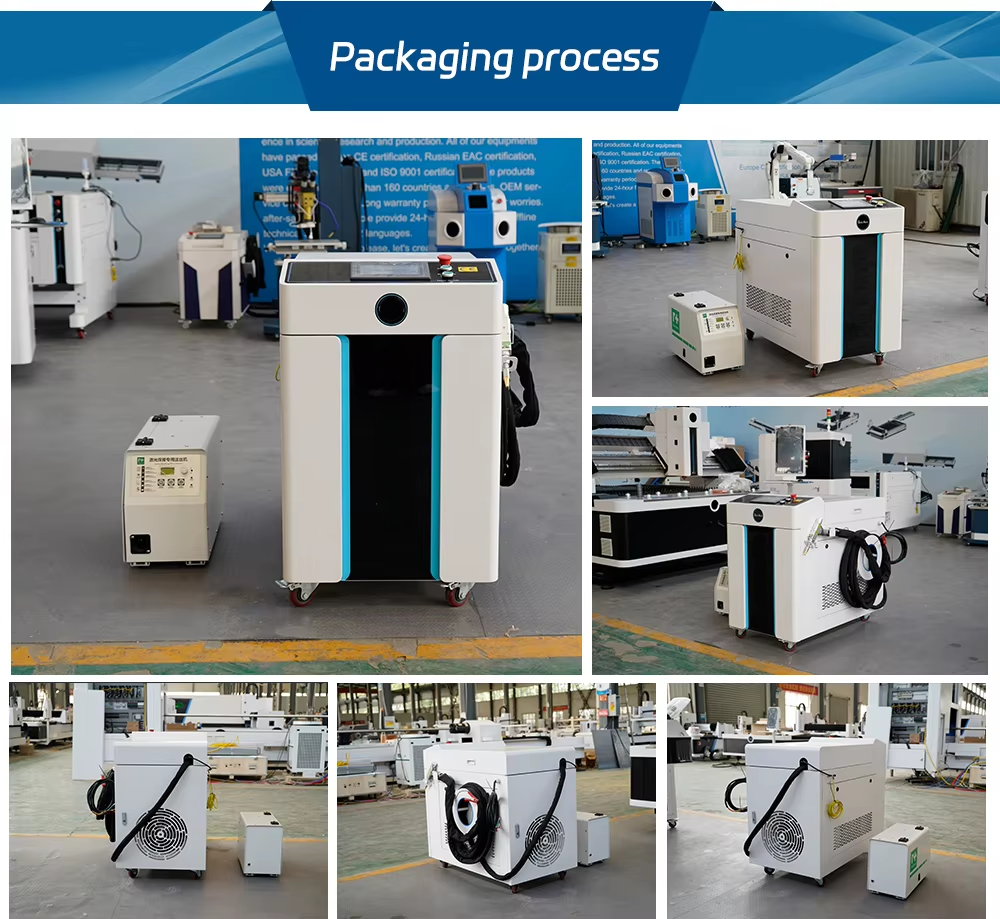
Laser cleaning represents a revolutionary advancement in industrial surface preparation and restoration technology. This innovative process utilizes focused laser energy to remove contaminants, coatings, rust, and unwanted materials from various surfaces without the need for chemicals or abrasive media. The precision and efficiency of laser cleaning have made it an indispensable tool across manufacturing, restoration, and maintenance industries worldwide.
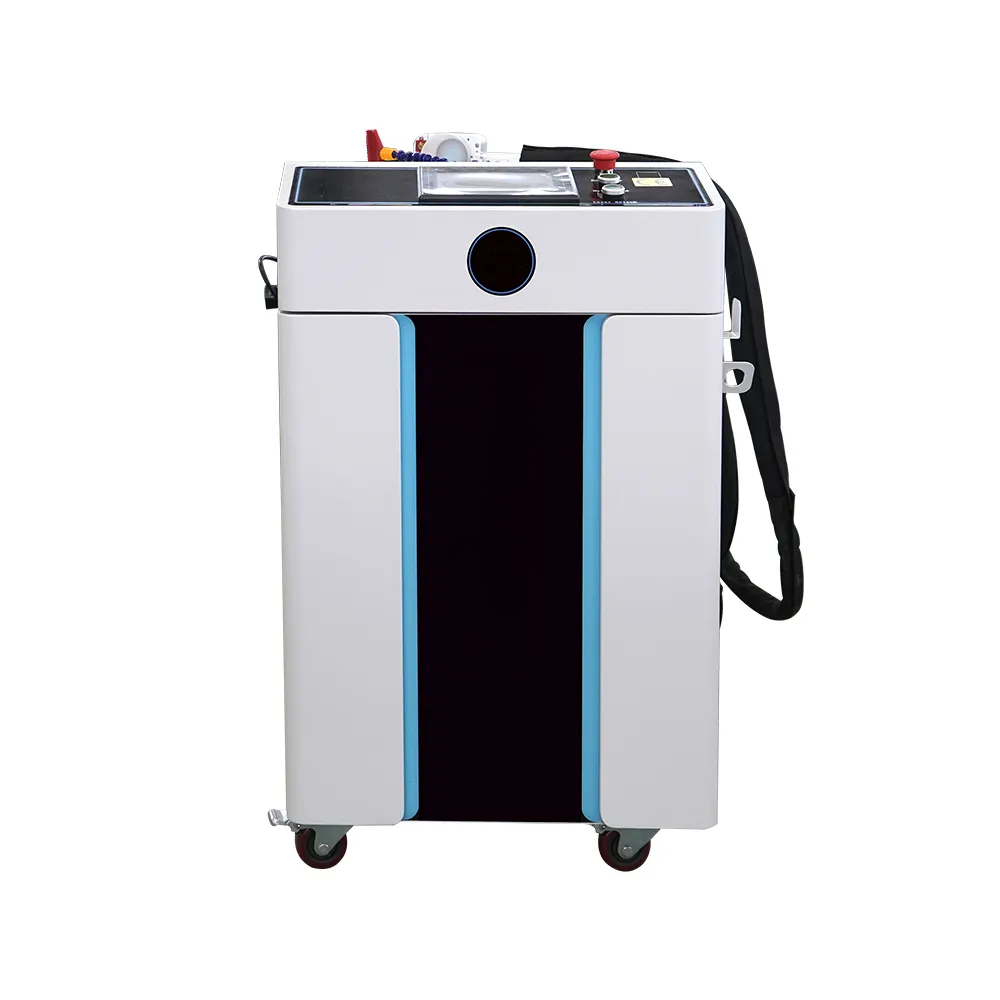
The fundamental principle behind laser cleaning involves the controlled application of high-intensity light pulses that interact with surface contaminants through various physical mechanisms. These interactions result in the selective removal of unwanted materials while preserving the underlying substrate integrity. Understanding the complete process requires examining the physics of laser-material interaction, the equipment components, and the operational parameters that determine cleaning effectiveness.
Physics and Mechanisms of Laser Cleaning
Photon Energy Absorption and Material Interaction
The laser cleaning process begins when photons from the laser beam are absorbed by the target material. Different materials exhibit varying absorption characteristics depending on their optical properties and the laser wavelength used. When contaminants absorb sufficient photon energy, they undergo rapid heating that can lead to several removal mechanisms including ablation, thermal expansion, and photochemical decomposition.
The selective nature of laser cleaning stems from the differential absorption rates between contaminants and substrate materials. Most industrial applications exploit this selectivity by choosing laser parameters that preferentially interact with unwanted surface layers while minimizing energy transfer to the base material. This precision makes laser cleaning particularly effective for delicate restoration work and high-value component processing.
Thermal and Non-Thermal Removal Processes
Thermal removal mechanisms dominate many laser cleaning applications, where rapid heating causes contaminant materials to vaporize, decompose, or undergo thermal shock leading to detachment from the substrate. The speed of energy deposition during laser cleaning creates temperature gradients that generate stress within the contamination layer, facilitating its removal through thermal expansion effects.
Non-thermal processes become significant with ultrashort pulse lasers, where photon energy directly breaks molecular bonds without substantial heat generation. These photochemical and photomechanical effects enable precise material removal with minimal thermal damage to surrounding areas. The choice between thermal and non-thermal laser cleaning approaches depends on material compatibility, contamination type, and required surface quality specifications.
Laser Cleaning Equipment Components and Configuration
Laser Source Technologies and Specifications
Modern laser cleaning systems utilize various laser technologies, each offering distinct advantages for specific applications. Fiber lasers have gained popularity due to their efficiency, reliability, and compact design, making them ideal for portable and handheld laser cleaning equipment. These systems typically operate at wavelengths around 1064 nanometers with pulse durations ranging from nanoseconds to continuous wave operation.
The power output requirements for laser cleaning vary significantly based on application needs, with systems ranging from 20 watts for delicate restoration work to several kilowatts for heavy industrial processing. Pulse frequency and energy density parameters must be carefully matched to the contamination type and substrate material to achieve optimal laser cleaning results while preventing substrate damage.
Beam Delivery and Scanning Systems
Effective laser cleaning requires precise beam delivery systems that maintain consistent energy distribution across the treatment area. Galvanometer-based scanning systems provide rapid beam positioning capabilities, enabling automated processing of complex geometries and large surface areas. These systems can achieve scanning speeds exceeding several meters per second while maintaining precise control over energy deposition patterns.
Handheld laser cleaning devices incorporate simplified beam delivery systems optimized for operator mobility and ease of use. These portable units typically feature integrated safety systems, ergonomic designs, and real-time parameter adjustment capabilities that allow operators to adapt cleaning parameters for varying surface conditions encountered during field applications.
Process Parameters and Optimization Strategies
Energy Density and Pulse Characteristics
The effectiveness of laser cleaning depends critically on proper selection and control of energy density, which represents the amount of laser energy delivered per unit area. Insufficient energy density may fail to remove contamination completely, while excessive energy can damage the underlying substrate or create unwanted surface modifications. Optimal energy density values must be determined experimentally for each specific combination of contamination type and substrate material.
Pulse duration and repetition rate significantly influence the laser cleaning mechanism and results quality. Short pulses minimize heat diffusion into the substrate, reducing thermal damage risks, while longer pulses may provide more efficient energy coupling for certain contamination types. The repetition rate affects processing speed and can influence the surface finish quality through overlapping pulse effects.
Scanning Patterns and Processing Speed
Systematic scanning patterns ensure uniform contamination removal across treated surfaces during laser cleaning operations. Linear, raster, and spiral scanning strategies each offer advantages depending on the geometry and size of the treatment area. Proper overlap between adjacent scan lines prevents incomplete cleaning while avoiding excessive energy accumulation that could damage the substrate.
Processing speed optimization requires balancing cleaning effectiveness with productivity requirements. Faster scanning speeds increase throughput but may require multiple passes to achieve complete contamination removal. The optimal balance depends on contamination thickness, laser power availability, and quality specifications for the finished surface.
Applications and Industry Implementation
Industrial Manufacturing and Maintenance
Manufacturing industries have adopted laser cleaning for various applications including pre-treatment of welding surfaces, removal of oxide layers, and cleaning of precision components. The process eliminates the need for chemical solvents and abrasive media, reducing environmental impact and waste disposal costs while improving workplace safety conditions.
Maintenance operations benefit significantly from laser cleaning technology, particularly for equipment restoration and component refurbishment. The precision and controllability of laser cleaning enable selective removal of corrosion, paint, and other deposits while preserving underlying surface features and dimensional accuracy. This capability extends component service life and reduces replacement costs in critical applications.
Restoration and Cultural Heritage Preservation
Art restoration and cultural heritage preservation represent specialized applications where laser cleaning demonstrates exceptional value. The gentle, selective nature of the process allows conservators to remove centuries of accumulated pollutants, overpainting, and corrosion products from historical artifacts without risking damage to original materials.
Stone monument cleaning represents another important application where traditional methods often prove inadequate or potentially harmful. Laser cleaning can remove biological growth, atmospheric soiling, and previous restoration attempts while preserving the original stone texture and patina. The process enables reversible cleaning treatments that meet conservation ethics requirements.
Safety Considerations and Best Practices
Operator Safety and Protective Equipment
Safe operation of laser cleaning equipment requires comprehensive understanding of laser safety principles and proper use of personal protective equipment. Eye protection represents the most critical safety concern, as laser radiation can cause permanent vision damage even from reflected or scattered light. Appropriate laser safety eyewear must be selected based on the specific wavelength and power levels used in each application.
Skin protection and respiratory safety also require attention during laser cleaning operations. While direct laser contact with skin should be prevented through proper equipment design and operational procedures, operators may encounter exposure to fumes and particulates generated during the cleaning process. Adequate ventilation and respiratory protection help maintain safe working conditions.
Environmental Controls and Containment
Environmental considerations for laser cleaning include containment of airborne particles and management of removed material. Effective fume extraction systems capture contaminants at the source, preventing workplace exposure and environmental release. The collected material may require special handling procedures depending on its composition and regulatory requirements.
Noise levels during laser cleaning operations typically remain moderate compared to mechanical cleaning methods, but hearing protection may still be necessary in industrial environments. Proper equipment maintenance and operational procedures help minimize noise generation while ensuring consistent laser cleaning performance.
Future Developments and Technology Trends
Advanced Laser Technologies and Automation
Emerging laser technologies continue to expand the capabilities and applications of laser cleaning systems. Ultrashort pulse lasers offer enhanced precision and reduced thermal effects, enabling new applications in electronics manufacturing and micro-component processing. These advanced systems provide unprecedented control over material removal rates and surface quality.
Automation integration represents a major trend in laser cleaning technology development. Robotic systems equipped with advanced sensors and control algorithms can perform autonomous cleaning operations while adapting to varying surface conditions and contamination levels. This automation capability promises increased productivity and consistency while reducing operator skill requirements.
Environmental Benefits and Sustainability
The environmental advantages of laser cleaning continue to drive adoption across industries seeking sustainable manufacturing and maintenance practices. The elimination of chemical solvents and abrasive media reduces waste generation and disposal costs while improving worker safety and environmental compliance. These benefits align with increasing corporate sustainability commitments and regulatory requirements.
Energy efficiency improvements in laser cleaning systems contribute to reduced operational costs and environmental impact. Modern fiber laser systems achieve high electrical-to-optical conversion efficiency while requiring minimal maintenance compared to traditional cleaning methods. The precision of laser cleaning also minimizes material waste by enabling selective processing and extended component service life.
FAQ
What types of materials can be effectively processed using laser cleaning technology
Laser cleaning effectively processes most metallic materials including steel, aluminum, copper, and titanium alloys. The technology also works well on stone, concrete, wood, and certain plastics depending on the specific laser parameters and contamination type. Material compatibility depends primarily on the optical absorption characteristics and thermal properties of both the substrate and contamination layer.
How does laser cleaning compare to traditional cleaning methods in terms of cost and efficiency
While initial equipment costs for laser cleaning systems are higher than traditional methods, operational costs often prove lower due to eliminated consumable materials and reduced waste disposal expenses. The precision and speed of laser cleaning frequently result in higher overall efficiency, particularly for complex geometries or delicate surfaces where traditional methods may cause damage or require extensive preparation.
What training and certification requirements exist for laser cleaning operators
Laser cleaning operator training typically includes laser safety education, equipment operation procedures, and material-specific parameter selection. Many regions require formal laser safety training and certification for operators working with Class 4 laser systems. Additional training in specific applications such as cultural heritage restoration or industrial maintenance may be necessary depending on the intended use.
Can laser cleaning cause damage to substrate materials or create safety hazards
Properly configured laser cleaning systems minimize substrate damage through precise parameter control and real-time monitoring capabilities. However, incorrect settings or inadequate operator training can potentially cause surface modification or damage. Safety hazards are primarily related to laser radiation exposure, which requires appropriate protective equipment and operational procedures to prevent injury to operators or bystanders.
Table of Contents
- Physics and Mechanisms of Laser Cleaning
- Laser Cleaning Equipment Components and Configuration
- Process Parameters and Optimization Strategies
- Applications and Industry Implementation
- Safety Considerations and Best Practices
- Future Developments and Technology Trends
-
FAQ
- What types of materials can be effectively processed using laser cleaning technology
- How does laser cleaning compare to traditional cleaning methods in terms of cost and efficiency
- What training and certification requirements exist for laser cleaning operators
- Can laser cleaning cause damage to substrate materials or create safety hazards