 EN
EN
 AR
AR
 FR
FR
 DE
DE
 JA
JA
 KO
KO
 RU
RU
 ES
ES


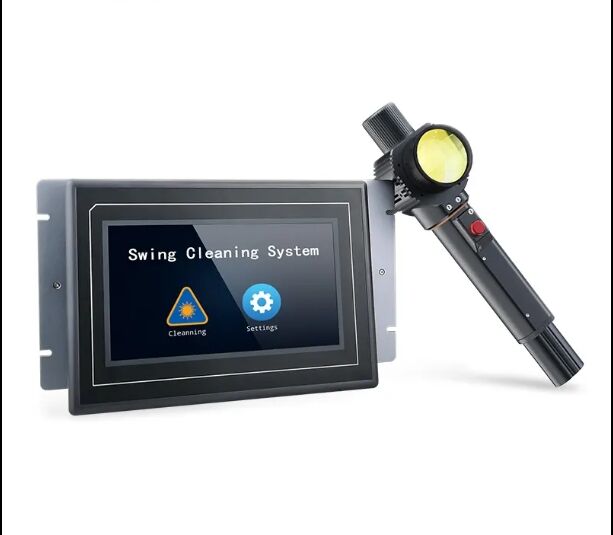
Industrial manufacturing has witnessed a revolutionary transformation with the introduction of advanced surface preparation technologies. Among these innovations, laser cleaning stands out as a groundbreaking solution that eliminates traditional abrasive methods while delivering superior results. This cutting-edge technology harnesses the power of focused laser beams to remove contaminants, rust, paint, and unwanted materials from various surfaces without causing damage to the underlying substrate.
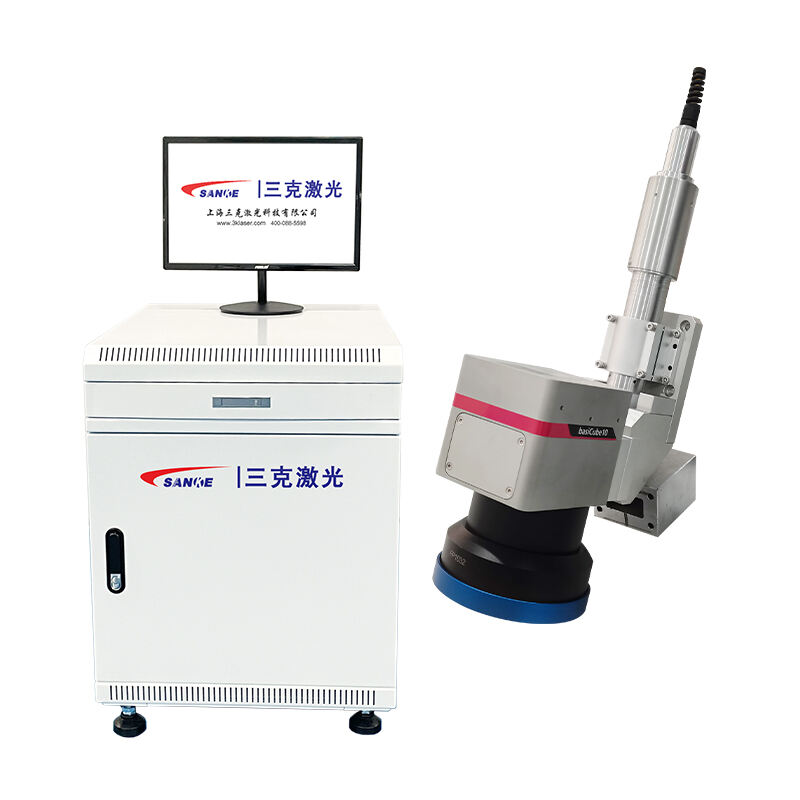
The industrial sector has embraced laser cleaning as an environmentally friendly alternative to conventional cleaning methods. Unlike sandblasting or chemical treatments, this technology produces no secondary waste and requires minimal consumables. Manufacturing facilities across automotive, aerospace, shipbuilding, and heritage restoration industries have integrated laser cleaning systems to achieve precise, efficient, and cost-effective surface preparation results.
Understanding Laser Cleaning Technology Fundamentals
Core Principles of Laser-Based Surface Treatment
Laser cleaning operates on the principle of selective photothermolysis, where high-intensity laser pulses are directed at contaminated surfaces. The laser energy is absorbed by the unwanted material, causing rapid heating and subsequent vaporization or sublimation. This process leaves the underlying substrate intact while effectively removing rust, oxides, coatings, and other surface contaminants. The precision of laser cleaning allows operators to control the depth and intensity of material removal with exceptional accuracy.
The technology utilizes different wavelengths and pulse durations depending on the specific application requirements. Fiber lasers, typically operating at wavelengths around 1064 nanometers, are commonly employed for industrial laser cleaning applications. These systems can be configured for continuous wave operation or pulsed mode, with pulse frequencies ranging from single shots to several kilohertz for optimal cleaning efficiency.
Advantages Over Traditional Cleaning Methods
Traditional surface preparation methods often involve abrasive materials, chemical solvents, or mechanical processes that generate significant waste and pose environmental concerns. Laser cleaning eliminates these drawbacks by providing a non-contact, chemical-free solution that produces no secondary contamination. The precision control offered by laser systems allows for selective removal of specific layers while preserving the integrity of delicate substrates.
Energy efficiency represents another significant advantage of laser cleaning technology. Modern systems consume considerably less power compared to alternative methods when factoring in the complete process cycle, including waste disposal and environmental compliance costs. The automation capabilities of laser cleaning systems further enhance productivity by reducing manual labor requirements and ensuring consistent results across large-scale operations.
Industrial Applications and Use Cases
Automotive Manufacturing Applications
The automotive industry has rapidly adopted laser cleaning for various production processes, including pre-weld surface preparation, paint removal, and mold cleaning. Vehicle assembly lines utilize laser systems to remove oils, oxides, and protective coatings from metal components before welding or bonding operations. This ensures optimal adhesion and joint quality while maintaining production speed requirements.
Tire mold maintenance represents a critical application where laser cleaning has proven exceptionally effective. Traditional mold cleaning methods involved manual scrubbing with chemicals and abrasives, resulting in extended downtime and potential mold damage. Laser cleaning systems can remove rubber residue and release agents from complex mold geometries without affecting the precision-machined surfaces, significantly reducing maintenance time and extending mold life.
Aerospace and Defense Sector Implementation
Aerospace applications demand the highest levels of precision and quality control, making laser cleaning an ideal solution for critical component preparation. Aircraft maintenance operations utilize laser systems for removing paint, coatings, and corrosion from aluminum and composite structures without compromising material integrity. The non-abrasive nature of laser cleaning is particularly valuable when working with thin-walled aerospace components.
Engine component refurbishment represents another significant application area where laser cleaning excels. Turbine blades, combustion chambers, and other high-temperature components can be restored to original specifications using carefully controlled laser parameters. This capability extends component service life and reduces replacement costs while maintaining strict aviation safety standards.
Technical Specifications and Performance Parameters
Power Requirements and System Configuration
Industrial laser cleaning systems are available in various power configurations to accommodate different application requirements. Low-power systems ranging from 20 to 100 watts are suitable for delicate cleaning tasks and small-scale operations. Medium-power systems operating between 100 to 500 watts provide excellent versatility for general industrial applications, while high-power systems exceeding 1000 watts are designed for heavy-duty cleaning operations and high-throughput production environments.
System configuration flexibility allows operators to optimize laser cleaning performance for specific materials and contamination types. Adjustable parameters include pulse frequency, pulse duration, scanning speed, and beam intensity distribution. Advanced systems incorporate real-time feedback mechanisms that monitor cleaning progress and automatically adjust parameters to maintain consistent results across varying surface conditions.
Beam Delivery and Scanning Technologies
Modern laser cleaning systems employ sophisticated beam delivery mechanisms to ensure uniform energy distribution across the treatment area. Galvanometer-based scanning systems provide high-speed, precise beam positioning with excellent repeatability. These systems can execute complex scanning patterns to optimize cleaning efficiency while minimizing thermal effects on sensitive substrates.
Robotic integration capabilities enable laser cleaning systems to access complex geometries and automate repetitive cleaning tasks. Six-axis industrial robots equipped with laser cleaning heads can navigate intricate workpiece contours while maintaining optimal standoff distances and beam angles. This integration significantly enhances productivity and ensures consistent cleaning quality across batch production runs.
Safety Considerations and Operational Guidelines
Laser Safety Protocols and Protection Measures
Operating laser cleaning equipment requires strict adherence to established safety protocols to protect personnel and equipment. Class 4 laser systems commonly used in industrial laser cleaning applications pose significant hazards if proper safety measures are not implemented. Enclosed working areas with appropriate laser safety windows and interlocked access controls are essential for safe operation.
Personal protective equipment specifically designed for laser applications must be worn by all operators and personnel in the vicinity of laser cleaning operations. Laser safety eyewear with appropriate optical density ratings for the specific wavelength and power levels being used is mandatory. Additionally, proper ventilation systems must be installed to manage fume extraction and maintain air quality standards during cleaning operations.
Environmental Impact and Sustainability Benefits
Laser cleaning technology offers significant environmental advantages compared to traditional surface preparation methods. The elimination of chemical solvents and abrasive materials reduces hazardous waste generation and associated disposal costs. This environmentally conscious approach aligns with increasingly stringent industrial environmental regulations and corporate sustainability initiatives.
Energy consumption analysis demonstrates that laser cleaning systems provide superior efficiency when considering the complete process lifecycle. While initial energy requirements may appear higher, the elimination of consumables, reduced waste handling, and decreased secondary processing requirements result in lower overall environmental impact. Many facilities report substantial reductions in their environmental footprint after implementing laser cleaning technology.
Cost Analysis and Return on Investment
Initial Investment Considerations
The capital investment for industrial laser cleaning equipment varies significantly based on system specifications, automation level, and integration requirements. Entry-level systems suitable for small-scale operations typically require investments ranging from tens of thousands to hundreds of thousands of dollars. High-end automated systems designed for continuous production environments may require investments exceeding one million dollars.
However, comprehensive cost analysis must consider the total cost of ownership rather than initial purchase price alone. Laser cleaning systems typically demonstrate lower operating costs due to reduced consumable requirements, minimal maintenance needs, and increased operational efficiency. Many organizations achieve payback periods of two to four years when factoring in labor savings, waste reduction, and improved quality outcomes.
Operational Efficiency and Productivity Gains
Laser cleaning technology delivers measurable productivity improvements across various industrial applications. Processing speeds for laser cleaning often exceed traditional methods while delivering superior quality results. The precision and consistency of laser systems reduce rework requirements and minimize quality-related production delays.
Automation capabilities further enhance operational efficiency by enabling lights-out operation and reducing manual labor requirements. Integrated quality monitoring systems can detect and compensate for process variations in real-time, ensuring consistent results and minimizing operator intervention. These capabilities translate into significant labor cost savings and improved overall equipment effectiveness metrics.
Future Trends and Technology Development
Emerging Laser Technologies and Innovations
The laser cleaning industry continues to evolve with ongoing research and development efforts focused on improving system performance and expanding application capabilities. Ultrafast pulse laser technology represents a promising advancement that could enable even more precise material removal with reduced thermal effects. These developments may open new applications in sensitive material processing and micro-scale cleaning operations.
Artificial intelligence integration is beginning to transform laser cleaning operations through predictive maintenance capabilities and adaptive process control. Machine learning algorithms can analyze operational data to optimize cleaning parameters automatically and predict maintenance requirements before system failures occur. This technology advancement promises to further improve system reliability and operational efficiency.
Market Expansion and Industry Adoption
The global laser cleaning market is experiencing rapid growth as industries recognize the technology's advantages over conventional cleaning methods. Expanding applications in renewable energy, nuclear decommissioning, and cultural heritage preservation are driving demand for specialized laser cleaning solutions. Market analysts project continued strong growth in the coming years as technology costs decrease and performance capabilities improve.
Regulatory trends favoring environmentally sustainable manufacturing processes are accelerating laser cleaning adoption across various industries. Government incentives and environmental compliance requirements are making laser cleaning technology more attractive from both economic and regulatory perspectives. This trend is expected to continue as environmental regulations become more stringent globally.
FAQ
What materials can be effectively processed using laser cleaning technology
Laser cleaning is effective on a wide range of materials including metals such as steel, aluminum, titanium, and copper, as well as certain composites and ceramics. The technology can remove rust, paint, oxides, oils, rubber residue, and various coatings from these substrates. However, the specific laser parameters must be carefully optimized for each material combination to ensure effective cleaning without substrate damage.
How does laser cleaning compare to sandblasting in terms of surface preparation quality
Laser cleaning typically provides superior surface preparation quality compared to sandblasting because it offers precise control over material removal depth and creates no surface contamination. Unlike sandblasting, which can embed abrasive particles in the substrate and create surface roughness variations, laser cleaning produces clean, consistent surfaces ideal for subsequent coating or bonding operations. The non-contact nature of laser cleaning also eliminates the risk of substrate deformation that can occur with high-pressure abrasive methods.
What maintenance requirements are associated with industrial laser cleaning systems
Industrial laser cleaning systems require minimal maintenance compared to traditional cleaning equipment. Regular maintenance tasks include laser optics cleaning, protective window replacement, and cooling system servicing. Most systems feature diagnostic capabilities that monitor component health and provide maintenance scheduling recommendations. Preventive maintenance programs typically involve quarterly inspections and annual comprehensive servicing to ensure optimal performance and longevity.
Can laser cleaning systems be integrated with existing production lines
Yes, modern laser cleaning systems are designed for seamless integration with existing production lines through standardized interfaces and communication protocols. Robotic integration capabilities allow the systems to be incorporated into automated manufacturing processes, while programmable logic controller compatibility enables coordination with other production equipment. Custom integration solutions can be developed for specific applications to optimize workflow and maximize productivity gains.
Table of Contents
- Understanding Laser Cleaning Technology Fundamentals
- Industrial Applications and Use Cases
- Technical Specifications and Performance Parameters
- Safety Considerations and Operational Guidelines
- Cost Analysis and Return on Investment
- Future Trends and Technology Development
-
FAQ
- What materials can be effectively processed using laser cleaning technology
- How does laser cleaning compare to sandblasting in terms of surface preparation quality
- What maintenance requirements are associated with industrial laser cleaning systems
- Can laser cleaning systems be integrated with existing production lines