 EN
EN
 AR
AR
 FR
FR
 DE
DE
 JA
JA
 KO
KO
 RU
RU
 ES
ES


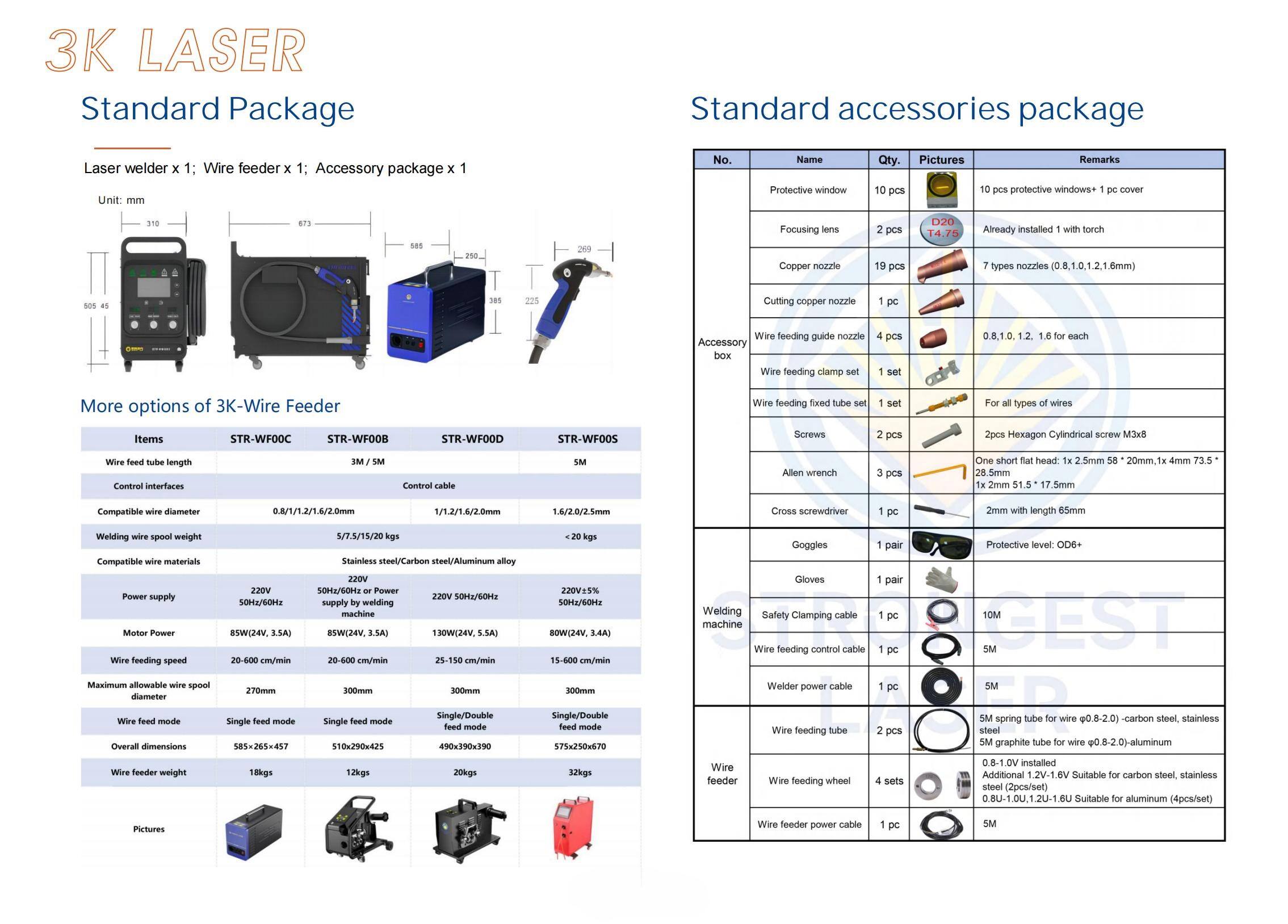
Modern metal fabrication has undergone a revolutionary transformation with the introduction of advanced laser welding technologies. This precision-driven technique has become the cornerstone of contemporary manufacturing processes, offering unparalleled accuracy and efficiency across diverse industrial applications. As manufacturers seek competitive advantages in today's demanding market, laser welding emerges as a critical solution that addresses both quality requirements and operational challenges.
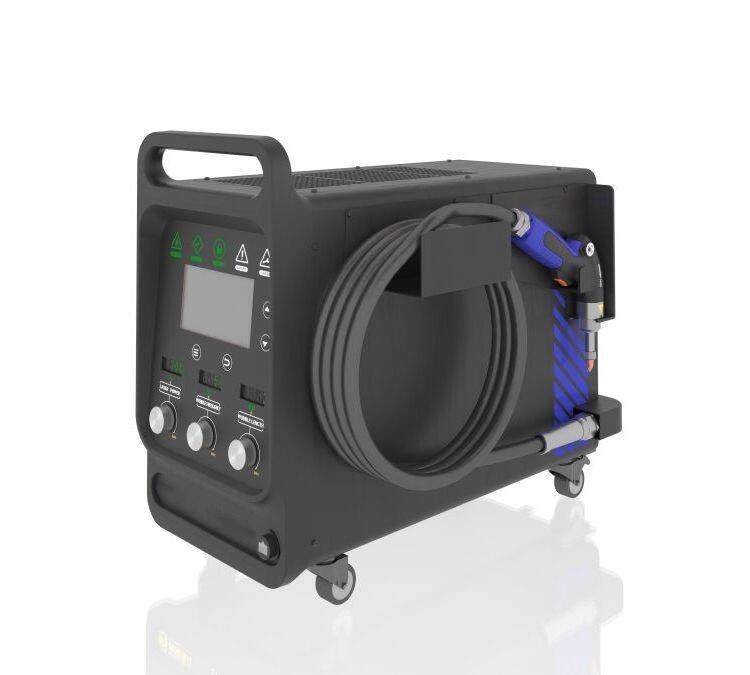
Superior Precision and Accuracy Benefits
Microscopic Heat-Affected Zones
The precision inherent in laser welding processes creates remarkably small heat-affected zones compared to traditional welding methods. This characteristic prevents material distortion and maintains the structural integrity of adjacent metal areas. Fabricators working with thin materials particularly benefit from this controlled heat input, which minimizes warping and preserves dimensional accuracy throughout complex assemblies.
The concentrated energy beam in laser welding allows for exact placement of weld seams, enabling manufacturers to achieve tolerances that were previously impossible with conventional techniques. This precision becomes especially valuable when working with intricate geometries or when maintaining specific material properties in critical applications such as aerospace components or medical devices.
Consistent Weld Quality
Automated laser welding systems deliver exceptional repeatability, ensuring each weld meets identical quality standards regardless of production volume. This consistency eliminates the variability often associated with manual welding processes, where human factors can influence final results. The computer-controlled nature of laser welding enables manufacturers to establish standardized parameters that produce uniform outcomes across entire production runs.
Quality control becomes significantly more manageable when implementing laser welding technologies, as the predictable nature of the process reduces inspection requirements and minimizes rework costs. This reliability translates directly into improved customer satisfaction and reduced warranty claims for fabricated products.
Enhanced Productivity and Efficiency
Rapid Processing Speeds
The high-speed capabilities of laser welding dramatically reduce cycle times compared to traditional welding methods. Production throughput increases substantially as operators can complete complex weld patterns in fractions of the time required by conventional techniques. This speed advantage becomes particularly pronounced in high-volume manufacturing environments where every second of production time directly impacts profitability.
Modern laser welding equipment operates at remarkable speeds while maintaining precision, enabling manufacturers to meet aggressive delivery schedules without compromising quality standards. The ability to process multiple weld joints simultaneously further amplifies these productivity gains.
Minimal Setup Requirements
Laser welding systems require significantly less preparation time between jobs compared to traditional welding equipment. The flexibility of laser parameters allows operators to switch between different materials and thicknesses with simple software adjustments rather than physical equipment changes. This adaptability reduces downtime and enables efficient production of diverse product lines within single manufacturing cells.
The reduced setup requirements also eliminate many of the consumable costs associated with traditional welding, such as electrodes, shielding gases, and flux materials. This efficiency translates into lower operational costs and improved profit margins for fabrication businesses.
Material Versatility and Compatibility
Multi-Metal Joining Capabilities
Laser welding excels at joining dissimilar metals that present challenges for conventional welding techniques. The precise control over heat input and penetration depth enables successful fusion of materials with different melting points, thermal conductivities, and metallurgical properties. This capability opens new design possibilities for engineers seeking to optimize component performance through strategic material selection.
The technology proves particularly valuable in automotive and electronics manufacturing, where combining lightweight aluminum with high-strength steel or joining copper conductors to stainless steel housings becomes routine rather than problematic. These material combinations often provide superior performance characteristics while reducing overall component weight and cost.
Thickness Range Flexibility
Modern laser welding systems accommodate an impressive range of material thicknesses, from ultra-thin foils measuring micrometers to thick structural plates several centimeters deep. This versatility eliminates the need for multiple welding processes within single fabrication facilities, simplifying equipment requirements and operator training programs.
The ability to seamlessly transition between different thickness requirements during production runs enhances manufacturing flexibility and reduces inventory complexity. Fabricators can confidently accept diverse customer requirements knowing their laser welding capabilities can accommodate various specifications.
Cost-Effectiveness and Economic Advantages
Reduced Labor Requirements
Automation inherent in laser welding systems significantly reduces direct labor costs while improving overall safety conditions. Operators can manage multiple welding stations simultaneously, increasing productivity per worker and reducing the skilled labor shortage impact that affects many manufacturing sectors. The computer-controlled nature of laser welding also reduces the extensive training periods required for traditional welding techniques.
The consistency and reliability of laser welding processes minimize the need for skilled technicians to perform constant quality monitoring and adjustment tasks. This efficiency allows manufacturing facilities to optimize their workforce allocation and focus human resources on higher-value activities such as process improvement and quality assurance.
Lower Operational Costs
While initial equipment investment for laser welding systems may exceed traditional welding equipment costs, the long-term operational expenses prove significantly lower. Reduced consumable requirements, minimal maintenance needs, and lower energy consumption per weld contribute to improved cost structures over equipment lifecycles.
The elimination of post-weld finishing operations in many applications further reduces overall manufacturing costs. Laser welding often produces cosmetically acceptable surfaces directly from the welding process, eliminating grinding, polishing, or other secondary operations that add time and expense to traditional welding workflows.
Quality and Durability Improvements
Superior Mechanical Properties
The controlled heat input characteristic of laser welding produces weld zones with excellent mechanical properties that often exceed those achieved through conventional methods. The fine grain structure resulting from rapid cooling rates enhances strength, ductility, and fatigue resistance in critical applications. These improved properties enable designers to optimize component dimensions and reduce material usage while maintaining performance requirements.
The minimal distortion associated with laser welding preserves the original material properties throughout the heat-affected zone, ensuring that welded assemblies maintain their intended performance characteristics. This preservation of base material properties proves crucial in applications where consistent mechanical behavior across the entire component is essential.
Aesthetic Appeal
Laser welding produces exceptionally clean, precise weld seams that enhance the visual appearance of finished products. The narrow weld beads and minimal spatter characteristic of the process eliminate many of the finishing operations required with traditional welding methods. This aesthetic improvement proves particularly valuable in consumer products and architectural applications where appearance directly impacts market acceptance.
The ability to create virtually invisible weld lines enables designers to specify welded joints in visible areas without compromising product aesthetics. This flexibility expands design possibilities and allows manufacturers to pursue welding solutions in applications previously reserved for mechanical fastening or adhesive bonding.
Environmental and Safety Benefits
Reduced Emissions
Laser welding generates significantly fewer harmful emissions compared to traditional welding processes, contributing to improved workplace air quality and reduced environmental impact. The elimination of consumable electrodes and flux materials reduces waste generation and disposal requirements. This environmental advantage aligns with increasing corporate sustainability initiatives and regulatory requirements for manufacturing operations.
The energy efficiency of laser welding systems also contributes to reduced carbon footprints for manufacturing facilities. The precise energy delivery inherent in laser welding minimizes waste heat generation and optimizes power consumption per weld, supporting environmental stewardship goals while reducing operational costs.
Enhanced Workplace Safety
The enclosed nature of many laser welding systems provides superior protection for operators compared to open-arc welding processes. Reduced exposure to harmful UV radiation, toxic fumes, and molten metal spatter creates safer working conditions and reduces the risk of occupational injuries. The automated operation of laser welding equipment further minimizes direct operator exposure to hazardous conditions.
The elimination of heavy gas cylinders and complex ventilation requirements associated with traditional welding processes simplifies facility safety management and reduces insurance costs. These safety improvements contribute to better employee retention and reduced workers' compensation claims for manufacturing organizations.
Advanced Technology Integration
Industry 4.0 Compatibility
Modern laser welding systems integrate seamlessly with advanced manufacturing technologies, including robotics, artificial intelligence, and real-time quality monitoring systems. This compatibility enables manufacturers to implement comprehensive digital manufacturing strategies that optimize entire production processes rather than individual operations. The data generation capabilities of laser welding equipment support predictive maintenance programs and continuous process improvement initiatives.
The networking capabilities inherent in contemporary laser welding systems facilitate integration with enterprise resource planning systems and supply chain management software. This connectivity enables real-time production monitoring and automated reporting that supports lean manufacturing principles and just-in-time delivery requirements.
Process Monitoring and Control
Advanced sensor technologies integrated into laser welding systems provide real-time feedback on weld quality, enabling immediate process adjustments and defect prevention. These monitoring capabilities eliminate the need for extensive post-weld inspection procedures and reduce scrap rates through early detection of process variations.
The data collection and analysis capabilities of modern laser welding equipment support statistical process control methodologies and continuous improvement programs. This information enables manufacturers to optimize their processes systematically and achieve consistent quality improvements over time.
FAQ
What materials can be effectively joined using laser welding
Laser welding successfully joins virtually all metallic materials including steel, stainless steel, aluminum, titanium, copper, and various metal alloys. The process also excels at joining dissimilar metals that present challenges for traditional welding methods, such as combining aluminum with steel or copper with stainless steel.
How does laser welding compare to traditional welding methods in terms of cost
While initial equipment investment may be higher, laser welding typically provides lower long-term operational costs due to reduced labor requirements, minimal consumables, lower maintenance needs, and elimination of many post-weld finishing operations. The increased productivity and quality consistency often result in superior return on investment.
What thickness ranges can laser welding accommodate
Modern laser welding systems can effectively process materials ranging from ultra-thin foils measuring just a few micrometers to thick plates several centimeters deep. The specific thickness capability depends on the laser power and system configuration, with higher-powered systems accommodating thicker materials.
Is special operator training required for laser welding systems
While operators need training on system operation and safety procedures, laser welding generally requires less specialized skill development compared to traditional welding techniques. The automated nature of the process reduces the manual dexterity requirements and provides more consistent results regardless of operator experience level.