 EN
EN
 AR
AR
 FR
FR
 DE
DE
 JA
JA
 KO
KO
 RU
RU
 ES
ES


Manufacturing industries worldwide are experiencing a revolutionary shift in surface preparation and restoration processes. Traditional cleaning methods that have dominated industrial operations for decades are now being challenged by advanced laser cleaning technologies. This comprehensive cost analysis examines the financial implications of adopting laser cleaning solutions compared to conventional approaches, providing decision-makers with critical insights for strategic investments. Understanding the true economic impact requires examining both immediate expenses and long-term operational benefits across various industrial applications.
Initial Investment Comparison
Capital Equipment Costs
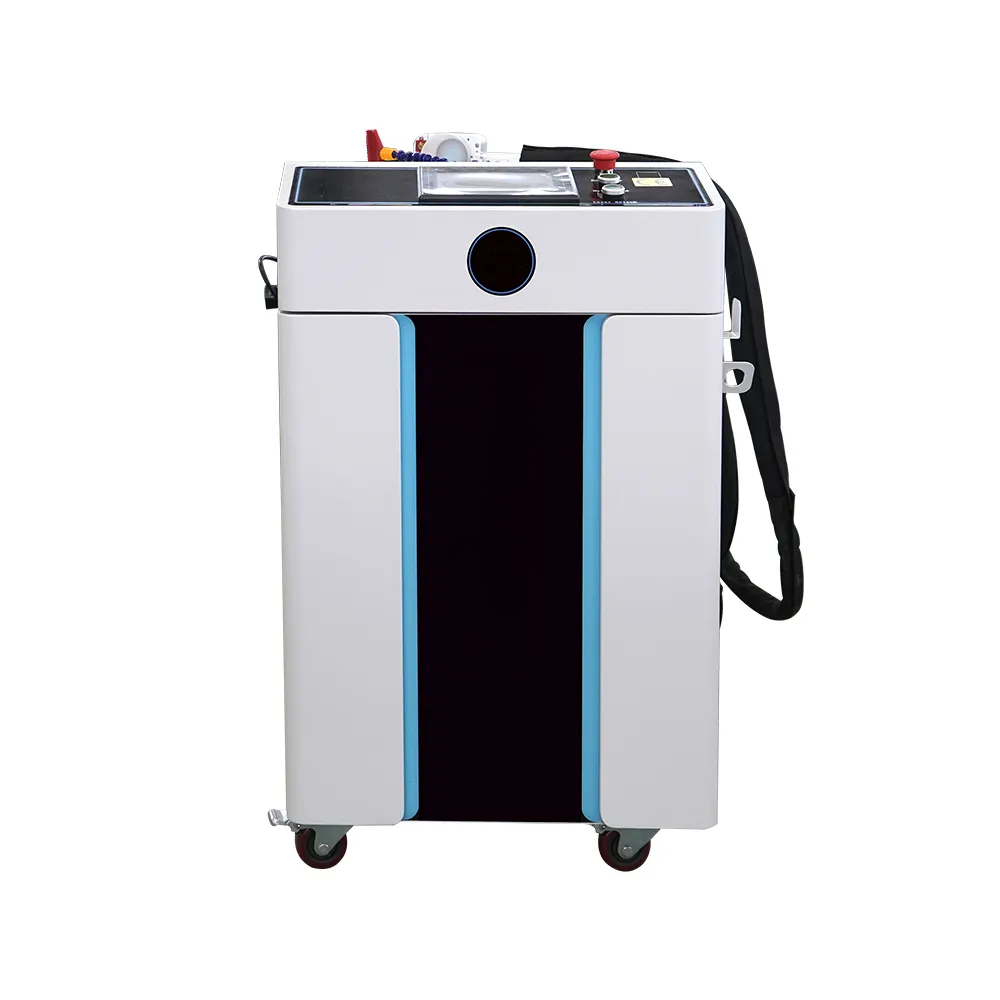
The upfront investment for laser cleaning equipment represents a significant initial expense that requires careful financial planning. Professional-grade laser cleaning systems typically range from $50,000 to $500,000 depending on power output, automation features, and specific industrial requirements. This initial cost includes the laser source, optical components, control systems, and safety equipment necessary for safe operation. While this investment appears substantial, it eliminates the need for multiple traditional cleaning tools and equipment that would otherwise require separate purchases and maintenance.
Traditional cleaning methods involve lower individual equipment costs but require diverse tool investments over time. Sandblasting equipment, chemical application systems, pressure washers, and manual tools collectively represent substantial capital expenditure. Additionally, traditional methods necessitate ongoing investments in consumable materials, replacement parts, and safety equipment. The distributed nature of these costs often masks the true financial commitment required for comprehensive traditional cleaning capabilities across various applications and materials.
Infrastructure and Setup Requirements
Implementing laser cleaning technology requires minimal infrastructure modifications compared to traditional methods. Most laser cleaning systems operate on standard electrical power without requiring specialized ventilation systems, chemical storage facilities, or waste disposal infrastructure. The compact nature of modern laser cleaning equipment allows for easy integration into existing production lines without major facility renovations. This streamlined setup process reduces installation costs and minimizes production disruptions during implementation.
Traditional cleaning methods often demand extensive infrastructure investments including ventilation systems for chemical fumes, containment areas for abrasive materials, and specialized storage facilities for hazardous substances. Sandblasting operations require dedicated booths with sophisticated air filtration systems, while chemical cleaning necessitates proper storage tanks, mixing equipment, and waste treatment facilities. These infrastructure requirements significantly increase the total cost of ownership for traditional cleaning methods.
Operational Cost Analysis
Consumable Material Expenses
One of the most significant advantages of laser cleaning lies in its minimal consumable material requirements. Unlike traditional methods that rely heavily on abrasive media, chemical solvents, and replacement brushes, laser cleaning operates without any consumable materials. This elimination of ongoing material costs represents substantial savings over the equipment's operational lifetime. The only consumable component in laser cleaning systems is the occasional replacement of protective lenses, which occurs infrequently and at minimal cost.
Traditional cleaning methods generate continuous expenses for consumable materials that can quickly exceed the initial equipment investment. Sandblasting operations consume significant quantities of abrasive media including sand, glass beads, or specialized abrasives that require regular replenishment. Chemical cleaning processes demand constant supplies of solvents, acids, and neutralizing agents, with costs varying based on material prices and environmental regulations. These ongoing expenses create unpredictable budget pressures and complicate long-term financial planning for maintenance operations.
Energy Consumption Patterns
Energy efficiency represents a critical factor in operational cost calculations for industrial cleaning processes. Modern laser cleaning systems demonstrate remarkable energy efficiency, converting electrical input directly into focused laser energy without significant losses through mechanical components or heating elements. The precise nature of laser cleaning allows for targeted energy application, minimizing waste and reducing overall power consumption per cleaned surface area. Advanced laser systems incorporate energy-saving features including standby modes and optimized power delivery systems.
Traditional cleaning methods often exhibit higher energy consumption patterns due to inefficient energy conversion and broader application requirements. Sandblasting compressors consume substantial electrical power to generate the air pressure necessary for abrasive material delivery. Chemical cleaning processes frequently require heating elements, mixing equipment, and ventilation systems that increase overall energy consumption. The cumulative effect of these energy requirements creates ongoing operational expenses that impact the total cost of ownership for traditional cleaning systems.
Labor and Productivity Factors
Workforce Requirements
Labor costs represent a significant component of cleaning operation expenses, making workforce efficiency a crucial economic consideration. Laser cleaning technology enables single-operator functionality for most applications, reducing labor requirements compared to traditional multi-person cleaning teams. The automated nature of many laser cleaning processes allows operators to manage multiple systems simultaneously, maximizing productivity per worker. Additionally, laser cleaning operations require minimal setup time between different cleaning tasks, allowing for rapid transitions and improved overall efficiency.
Traditional cleaning methods typically require larger workforce commitments due to manual processes and safety requirements. Sandblasting operations often necessitate multiple operators for media handling, equipment operation, and safety monitoring. Chemical cleaning processes require trained personnel for proper mixing, application, and disposal procedures. The labor-intensive nature of traditional methods creates ongoing payroll expenses that scale directly with cleaning volume requirements, making cost prediction challenging for variable workload scenarios.
Training and Skill Development
Investment in operator training represents an essential but often overlooked cost factor in cleaning technology adoption. Laser cleaning systems require specialized training for safe and effective operation, including understanding laser safety protocols, parameter optimization, and equipment maintenance procedures. However, the standardized nature of laser cleaning operations allows for efficient training programs that quickly develop operator competency. Once trained, operators can apply their skills across various laser cleaning applications with minimal additional instruction.
Traditional cleaning methods demand extensive training across multiple techniques and safety protocols. Workers must develop expertise in different abrasive materials, chemical handling procedures, and application-specific techniques for various surfaces and contaminants. The diverse nature of traditional cleaning methods requires ongoing training investments as new materials and techniques are introduced. Additionally, safety training requirements for traditional methods are often more extensive due to exposure risks and complex safety protocols.
Maintenance and Lifecycle Costs
Equipment Longevity and Reliability
Long-term maintenance costs significantly impact the total cost of ownership for industrial cleaning equipment. Laser cleaning systems demonstrate exceptional reliability due to their solid-state design and minimal moving components. The absence of mechanical wear points reduces maintenance frequency and extends operational lifespan compared to traditional equipment with complex mechanical systems. Modern laser cleaning equipment typically operates for thousands of hours between major maintenance intervals, with routine maintenance limited to optical component cleaning and calibration verification.
Traditional cleaning equipment experiences higher maintenance requirements due to mechanical wear, corrosion from chemical exposure, and component degradation from abrasive materials. Sandblasting equipment requires frequent replacement of nozzles, hoses, and seals exposed to abrasive wear. Chemical cleaning systems need regular maintenance for pumps, valves, and mixing components that degrade from chemical exposure. These maintenance requirements create ongoing expenses and potential production disruptions that impact overall operational efficiency and costs.
Replacement Part Availability
The availability and cost of replacement parts influence long-term operational expenses for cleaning equipment. Laser cleaning systems benefit from standardized components and established supply chains for optical elements, control systems, and safety components. The modular design of modern laser systems allows for selective component replacement without complete system overhaul. Additionally, the durability of laser components reduces replacement frequency, minimizing inventory requirements and associated carrying costs.
Traditional cleaning equipment often requires diverse replacement parts specific to different cleaning methods and applications. Sandblasting systems need regular replacement of wear components including nozzles, blast hoses, and protective equipment. Chemical cleaning systems require specialized pumps, seals, and mixing components that may have limited availability or require custom fabrication. The variety of replacement parts needed for comprehensive traditional cleaning capabilities complicates inventory management and increases carrying costs.
Environmental and Regulatory Compliance
Waste Disposal Costs
Environmental compliance represents an increasingly significant cost factor for industrial cleaning operations. Laser cleaning technology produces minimal waste output, typically limited to small amounts of vaporized contaminants that can be captured with simple filtration systems. The absence of chemical solvents or abrasive media eliminates the need for hazardous waste disposal services, reducing ongoing compliance costs. This clean operation profile simplifies environmental permitting and reduces regulatory oversight requirements.
Traditional cleaning methods generate substantial waste streams requiring costly disposal procedures. Spent abrasive media contaminated with removed materials must be disposed of as hazardous waste in many applications. Chemical cleaning processes produce contaminated solvents and neutralized solutions requiring specialized disposal services. These waste disposal costs continue throughout the equipment's operational life and may increase as environmental regulations become more stringent.
Regulatory Compliance Expenses
Compliance with environmental and safety regulations creates ongoing operational expenses that vary significantly between cleaning technologies. Laser cleaning operations typically require minimal regulatory oversight beyond standard laser safety protocols, reducing compliance costs and administrative burden. The clean nature of laser cleaning processes eliminates many environmental monitoring requirements associated with chemical emissions or dust generation from traditional methods.
Traditional cleaning methods often trigger extensive regulatory compliance requirements including air quality monitoring, chemical storage permits, and worker exposure assessments. Sandblasting operations may require dust control measures and respiratory protection programs. Chemical cleaning processes necessitate environmental monitoring, emergency response planning, and specialized training for hazardous material handling. These compliance requirements create ongoing administrative costs and potential liability exposure that impact total operational expenses.
Return on Investment Analysis
Productivity Improvement Metrics
Measuring productivity improvements provides crucial insights for return on investment calculations in cleaning technology adoption. Laser cleaning systems typically demonstrate significantly higher cleaning rates compared to traditional methods, completing surface preparation tasks in fraction of the time required by manual or chemical processes. The precision of laser cleaning allows for selective contaminant removal without damaging underlying surfaces, reducing rework requirements and improving overall process efficiency. These productivity gains translate directly into reduced labor costs and increased throughput capabilities.
Quantifying productivity improvements requires careful measurement of cleaning rates, quality metrics, and process consistency across different applications. Laser cleaning technology enables predictable cleaning results regardless of operator skill level, reducing variability and improving process control. The ability to achieve consistent results with minimal supervision allows for better resource allocation and production planning. These operational improvements contribute to measurable return on investment through reduced labor requirements and improved process reliability.
Quality and Rework Considerations
Quality improvements achieved through laser cleaning technology significantly impact overall project costs by reducing rework requirements and improving downstream process success rates. The precise nature of laser cleaning allows for selective contaminant removal while preserving surface integrity, eliminating damage commonly associated with aggressive traditional cleaning methods. This improved quality reduces coating failures, adhesion problems, and other issues that necessitate costly rework in manufacturing and maintenance applications.
Traditional cleaning methods often involve trade-offs between cleaning effectiveness and surface preservation, leading to inconsistent results and potential substrate damage. Overly aggressive sandblasting can create surface roughening that impacts subsequent coatings, while insufficient chemical cleaning may leave contaminants that cause adhesion failures. These quality issues create hidden costs through rework requirements, material waste, and potential warranty claims that impact the true cost of traditional cleaning approaches.
FAQ
What is the typical payback period for laser cleaning equipment investment
The payback period for laser cleaning equipment varies significantly based on application volume and operational requirements, typically ranging from 12 to 36 months for high-utilization industrial applications. Factors influencing payback calculations include labor cost savings, eliminated consumable material expenses, and productivity improvements compared to traditional methods. Organizations with consistent cleaning requirements and high labor costs often experience shorter payback periods due to immediate operational savings. The payback period may extend in applications with lower utilization rates or where traditional cleaning costs are already optimized.
How do insurance costs compare between laser cleaning and traditional methods
Insurance costs for laser cleaning operations are typically lower than traditional cleaning methods due to reduced safety risks and environmental hazards. Laser cleaning eliminates exposure to hazardous chemicals and reduces dust generation, lowering worker compensation insurance premiums and environmental liability coverage requirements. However, laser safety requirements may necessitate specialized training and safety protocols that influence insurance considerations. Overall, the cleaner operational profile of laser cleaning technology generally results in favorable insurance cost structures compared to traditional methods involving chemicals or abrasive materials.
What financing options are available for laser cleaning equipment acquisition
Multiple financing options exist for laser cleaning equipment acquisition including traditional equipment loans, leasing arrangements, and specialized technology financing programs. Equipment leasing allows organizations to access advanced laser cleaning technology without significant capital investment while maintaining upgrade flexibility. Some manufacturers offer financing programs with favorable terms for qualified customers, including deferred payment options and performance-based financing structures. Government incentives for clean technology adoption may also provide tax benefits or grants that improve overall project economics for laser cleaning implementations.
How does laser cleaning cost effectiveness vary across different industries
Cost effectiveness of laser cleaning technology varies significantly across industries based on specific application requirements, regulatory environments, and existing process costs. Aerospace and automotive industries often realize exceptional value due to stringent quality requirements and high labor costs associated with precision cleaning tasks. Marine and infrastructure industries benefit from reduced environmental compliance costs and improved worker safety in challenging environments. Manufacturing industries with high-volume production benefit from improved throughput and consistency compared to traditional batch cleaning processes. Each industry must evaluate laser cleaning benefits within their specific operational context to determine optimal cost effectiveness.
Table of Contents
- Initial Investment Comparison
- Operational Cost Analysis
- Labor and Productivity Factors
- Maintenance and Lifecycle Costs
- Environmental and Regulatory Compliance
- Return on Investment Analysis
-
FAQ
- What is the typical payback period for laser cleaning equipment investment
- How do insurance costs compare between laser cleaning and traditional methods
- What financing options are available for laser cleaning equipment acquisition
- How does laser cleaning cost effectiveness vary across different industries