 EN
EN
 AR
AR
 FR
FR
 DE
DE
 JA
JA
 KO
KO
 RU
RU
 ES
ES



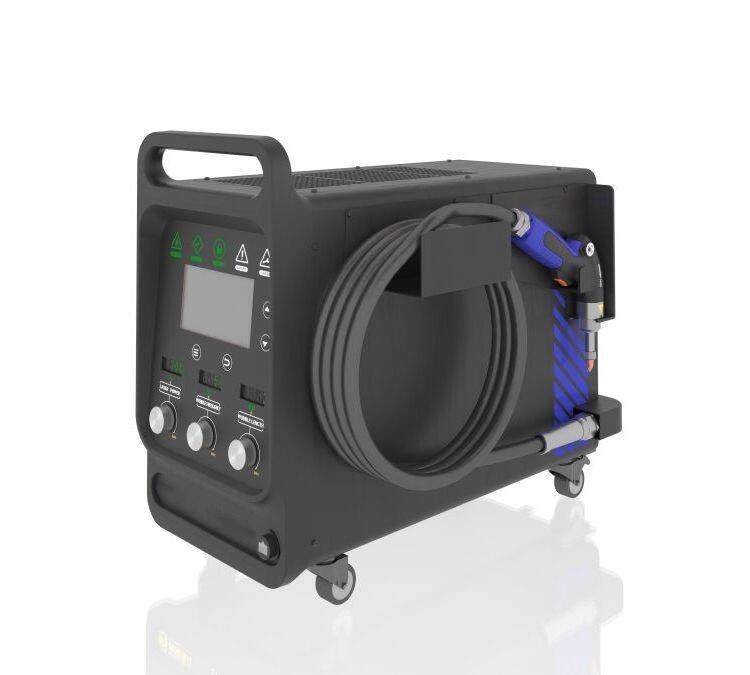
Manufacturing industries are experiencing a revolutionary transformation through advanced laser welding technologies that deliver unprecedented precision, speed, and versatility. As we progress through 2025, laser welding has emerged as the cornerstone of modern production processes, enabling manufacturers to achieve superior joint quality while reducing operational costs. This cutting-edge technique utilizes focused laser beams to create molecular bonds between materials, producing welds that exceed traditional methods in strength, consistency, and aesthetic appeal. The adoption of laser welding across diverse sectors continues to accelerate as companies recognize its potential to streamline operations and enhance product reliability.
Revolutionary Applications Across Industries
Automotive Manufacturing Excellence
The automotive industry has embraced laser welding as a fundamental process for creating lightweight yet durable vehicle components. Modern car manufacturers utilize this technology to join dissimilar metals, enabling the production of hybrid structures that combine aluminum and steel for optimal performance characteristics. Laser welding applications in automotive manufacturing include battery pack assembly for electric vehicles, where precise thermal control prevents damage to sensitive components. The process also enables the creation of seamless body panels that enhance aerodynamics while maintaining structural integrity throughout the vehicle's lifespan.
Advanced automotive applications leverage laser welding for transmission components, engine parts, and safety systems where reliability is paramount. The technology's ability to create deep penetration welds with minimal heat-affected zones makes it ideal for joining critical components without compromising material properties. Furthermore, laser welding facilitates the integration of advanced driver assistance systems by enabling precise assembly of sensor housings and electronic components. This precision manufacturing approach has become essential for meeting stringent automotive quality standards and regulatory requirements in global markets.
Aerospace and Defense Applications
Aerospace manufacturers depend on laser welding for creating components that must withstand extreme environmental conditions while maintaining exact specifications. The technology enables the joining of exotic alloys and titanium components used in jet engines, where traditional welding methods would compromise material integrity. Laser welding processes in aerospace applications require exceptional control over heat input to prevent metallurgical changes that could affect component performance at high temperatures and pressures. The precision achievable through laser welding ensures that critical components meet the rigorous certification standards required for aircraft safety.
Defense applications utilize laser welding for manufacturing armored vehicle components, weapons systems, and communication equipment where reliability under extreme conditions is essential. The technology's ability to create hermetic seals makes it invaluable for protecting sensitive electronics from environmental contamination. Additionally, laser welding enables the production of complex geometries in defense applications that would be impossible to achieve through conventional manufacturing methods. The process contributes to weight reduction initiatives while maintaining or enhancing structural performance requirements.
Technological Advantages and Performance Benefits
Precision and Quality Enhancement
Laser welding technology delivers unmatched precision through computer-controlled beam positioning and power modulation systems that ensure consistent results across production runs. The concentrated energy density of laser beams enables operators to achieve extremely narrow weld seams with minimal distortion, preserving the dimensional accuracy of finished components. This precision capability extends to micro-welding applications where joint dimensions measure in micrometers, making laser welding indispensable for electronics manufacturing and medical device production. The technology's repeatability ensures that each weld meets identical specifications regardless of production volume or operator variations.
Quality enhancement through laser welding includes superior metallurgical properties resulting from rapid heating and cooling cycles that create fine-grained weld structures. These enhanced material properties translate to improved fatigue resistance, corrosion protection, and overall component longevity compared to traditional welding techniques. The absence of filler materials in many laser welding applications eliminates potential contamination sources while maintaining the base material's chemical composition throughout the joint. Advanced beam shaping technologies further optimize weld profiles to match specific application requirements and loading conditions.
Speed and Efficiency Improvements
Manufacturing efficiency reaches new heights through laser welding processes that operate at speeds significantly exceeding conventional techniques while maintaining superior quality standards. The high power density of focused laser beams enables deep penetration welding in single passes, eliminating the need for multiple welding operations and reducing overall production time. Automated laser welding systems integrate seamlessly with robotic manufacturing cells, enabling continuous operation with minimal human intervention while maintaining consistent quality output. These speed improvements translate directly to increased production capacity and reduced per-unit manufacturing costs.
Energy efficiency in laser welding systems has improved dramatically through advances in fiber laser technology and beam delivery systems that minimize power losses during operation. Modern laser welding equipment achieves electrical-to-optical conversion efficiencies exceeding 40%, making the process more environmentally sustainable while reducing operating costs. The precise energy delivery of laser welding also minimizes material waste by eliminating the need for extensive post-weld finishing operations. Additionally, the reduced heat input associated with laser welding prevents warping and distortion that would require corrective machining in traditional welding processes.
Material Compatibility and Versatility
Advanced Metal Joining Capabilities
The versatility of laser welding extends to an extensive range of metallic materials, including dissimilar metal combinations that present challenges for conventional joining methods. Advanced laser welding systems successfully join aluminum to steel, copper to stainless steel, and various exotic alloys used in specialized applications. This capability enables engineers to design components that optimize material properties for specific functions while maintaining reliable joints between different metals. The precise control available in laser welding processes allows operators to manage the formation of intermetallic compounds that can affect joint properties in dissimilar metal applications.
Specialized applications in laser welding include joining of thin foils and sheets where traditional methods would cause excessive distortion or burn-through. The technology accommodates materials ranging from sub-millimeter thicknesses to several centimeters, providing flexibility across diverse manufacturing requirements. Recent developments in laser welding include successful applications with additive manufacturing materials, enabling hybrid production processes that combine printed and welded components. The ability to weld materials with varying thermal properties requires sophisticated control systems that adjust laser parameters in real-time based on material feedback.
Emerging Material Applications
Innovative laser welding applications continue to expand into new material categories, including advanced composites with metallic matrices and specialized coatings that enhance component performance. The technology enables joining of materials with specific surface treatments without compromising the integrity of functional coatings. Laser welding processes have been successfully adapted for materials used in renewable energy applications, including photovoltaic cell interconnections and wind turbine component assembly. These emerging applications require precise parameter development to accommodate the unique properties of new materials while maintaining joint reliability.
The medical device industry benefits from laser welding capabilities that enable joining of biocompatible materials used in implants and surgical instruments. Laser welding processes maintain the sterility and biocompatibility of medical materials while creating joints that withstand sterilization cycles and biological environments. Specialized laser welding applications include hermetic sealing of electronic implants and creation of complex geometries in surgical tools. The technology's ability to weld in controlled atmospheres prevents oxidation and contamination that could compromise medical device performance and patient safety.
Economic Impact and ROI Considerations
Cost Reduction Strategies
Implementing laser welding technology generates substantial cost savings through reduced material waste, elimination of consumables, and decreased post-processing requirements compared to traditional joining methods. The precision of laser welding minimizes the need for filler materials and flux, reducing raw material costs while simplifying inventory management for manufacturing operations. Additionally, the superior joint quality achieved through laser welding extends component service life, reducing warranty claims and replacement costs for manufacturers and end users. These economic benefits compound over time as production volumes increase and process optimization continues.
Labor cost reductions result from the automation capabilities inherent in laser welding systems that require minimal operator intervention during production runs. Skilled welders can oversee multiple laser welding stations simultaneously, increasing productivity while maintaining quality standards that exceed manual welding capabilities. The consistent results achieved through automated laser welding reduce inspection requirements and eliminate rework associated with quality variations in manual processes. Furthermore, the clean welding process eliminates many post-weld finishing operations that traditionally require additional labor and equipment investments.
Return on Investment Analysis
Comprehensive ROI analysis for laser welding implementation considers equipment costs, operational savings, quality improvements, and market competitiveness factors that contribute to long-term profitability. Initial capital investments in laser welding equipment typically achieve payback periods of 18-36 months depending on production volumes and application complexity. The extended service life of laser welding equipment, often exceeding 10 years with proper maintenance, provides ongoing value creation throughout the equipment lifecycle. Advanced laser welding systems maintain their performance characteristics over time, ensuring consistent ROI throughout the depreciation period.
Market advantages gained through laser welding implementation include the ability to pursue high-value contracts that require superior joint quality and precision manufacturing capabilities. Companies utilizing laser welding technology often command premium pricing for their products due to enhanced reliability and performance characteristics. The flexibility of laser welding systems enables manufacturers to adapt quickly to changing market demands and customer specifications without significant retooling costs. These strategic advantages contribute to improved market positioning and sustainable competitive advantages in global manufacturing markets.
Future Trends and Technological Developments
Artificial Intelligence Integration
The integration of artificial intelligence with laser welding systems represents the next frontier in manufacturing automation, enabling real-time optimization of welding parameters based on material feedback and quality requirements. AI-powered laser welding systems continuously monitor weld pool characteristics, adjusting beam parameters to maintain optimal conditions throughout the welding process. Machine learning algorithms analyze historical welding data to predict optimal parameters for new material combinations and joint configurations, reducing setup time and improving first-pass success rates. These intelligent systems also provide predictive maintenance capabilities that minimize unplanned downtime and extend equipment service life.
Advanced sensor integration in AI-enabled laser welding systems provides comprehensive monitoring of weld quality in real-time, enabling immediate correction of process deviations before they affect final product quality. The technology enables adaptive control strategies that respond to variations in material properties, joint fit-up, and environmental conditions automatically. Furthermore, AI integration facilitates seamless data collection and analysis that supports continuous process improvement initiatives and quality management systems. These developments position laser welding as a key technology in Industry 4.0 manufacturing environments where connectivity and intelligence drive operational excellence.
Sustainability and Environmental Benefits
Environmental sustainability considerations increasingly favor laser welding technology due to its energy efficiency, reduced material waste, and elimination of hazardous consumables used in traditional welding processes. The precise energy delivery of laser welding minimizes the carbon footprint of manufacturing operations while maintaining or improving product quality standards. Modern fiber laser systems operate with exceptional efficiency, converting electrical energy to useful welding energy with minimal waste heat generation. This efficiency translates to reduced facility cooling requirements and lower overall energy consumption per welded joint.
Waste reduction through laser welding extends beyond material savings to include elimination of grinding dust, welding fumes, and consumable packaging that contribute to manufacturing waste streams. The clean nature of laser welding processes reduces air filtration requirements and simplifies workplace safety compliance while creating healthier working environments for manufacturing personnel. Additionally, the longevity of components produced through laser welding contributes to circular economy principles by extending product lifecycles and reducing replacement frequency. These environmental benefits align with corporate sustainability goals and regulatory requirements that increasingly influence manufacturing technology selection.
FAQ
What materials can be effectively joined using laser welding technology
Laser welding successfully joins a wide range of materials including carbon steels, stainless steels, aluminum alloys, titanium, copper, and various exotic metals used in aerospace and medical applications. The technology also handles dissimilar metal combinations such as aluminum to steel or copper to stainless steel, which are challenging for traditional welding methods. Thickness ranges from thin foils measuring fractions of millimeters to plates several centimeters thick, providing versatility across diverse manufacturing requirements. Recent developments have extended laser welding capabilities to advanced composites and specialized materials used in emerging technologies.
How does laser welding compare to traditional welding methods in terms of quality and efficiency
Laser welding delivers superior quality through precise heat input control that creates narrow heat-affected zones and minimal distortion compared to arc welding processes. The technology achieves welding speeds 5-10 times faster than conventional methods while maintaining consistent penetration and joint quality. Energy efficiency in laser welding systems reaches 40% electrical-to-optical conversion compared to 20-25% in traditional arc welding equipment. Additionally, laser welding eliminates consumables like electrodes and filler materials in many applications, reducing operating costs and material waste significantly.
What safety considerations are important for laser welding operations
Laser welding safety requires proper eye protection using appropriate laser safety glasses rated for the specific wavelength and power levels involved in the operation. Adequate ventilation systems manage any metal vapors generated during welding, although laser welding produces significantly fewer fumes than traditional processes. Proper machine guarding and interlocking systems prevent accidental exposure to laser radiation during automated operations. Training programs ensure operators understand laser safety protocols, emergency procedures, and proper maintenance practices for laser welding equipment.
What factors should be considered when selecting laser welding equipment for manufacturing applications
Equipment selection depends on material types and thicknesses, required welding speeds, joint configurations, and production volumes expected throughout the system lifecycle. Power requirements vary based on application demands, with fiber lasers offering advantages in efficiency and beam quality for most manufacturing applications. Automation integration capabilities should align with existing manufacturing systems and future expansion plans to maximize return on investment. Service and support availability from equipment suppliers ensures long-term reliability and performance optimization throughout the equipment's operational life.
Table of Contents
- Revolutionary Applications Across Industries
- Technological Advantages and Performance Benefits
- Material Compatibility and Versatility
- Economic Impact and ROI Considerations
- Future Trends and Technological Developments
-
FAQ
- What materials can be effectively joined using laser welding technology
- How does laser welding compare to traditional welding methods in terms of quality and efficiency
- What safety considerations are important for laser welding operations
- What factors should be considered when selecting laser welding equipment for manufacturing applications