 EN
EN
 AR
AR
 FR
FR
 DE
DE
 JA
JA
 KO
KO
 RU
RU
 ES
ES


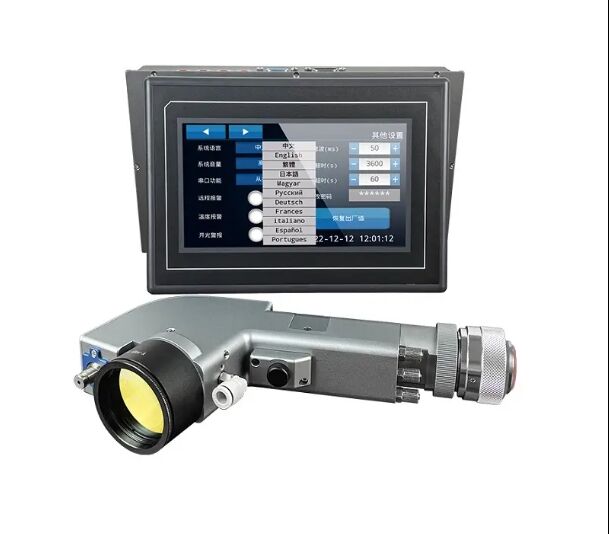
Industrial laser cleaning has revolutionized surface preparation and maintenance across numerous sectors, from automotive manufacturing to heritage restoration. This advanced technology utilizes focused laser beams to remove contaminants, rust, paint, and other unwanted materials from various surfaces without the need for chemicals or abrasive media. As laser cleaning systems become increasingly prevalent in industrial applications, understanding proper safety protocols and adhering to established industry standards becomes critical for operators, facility managers, and safety professionals.
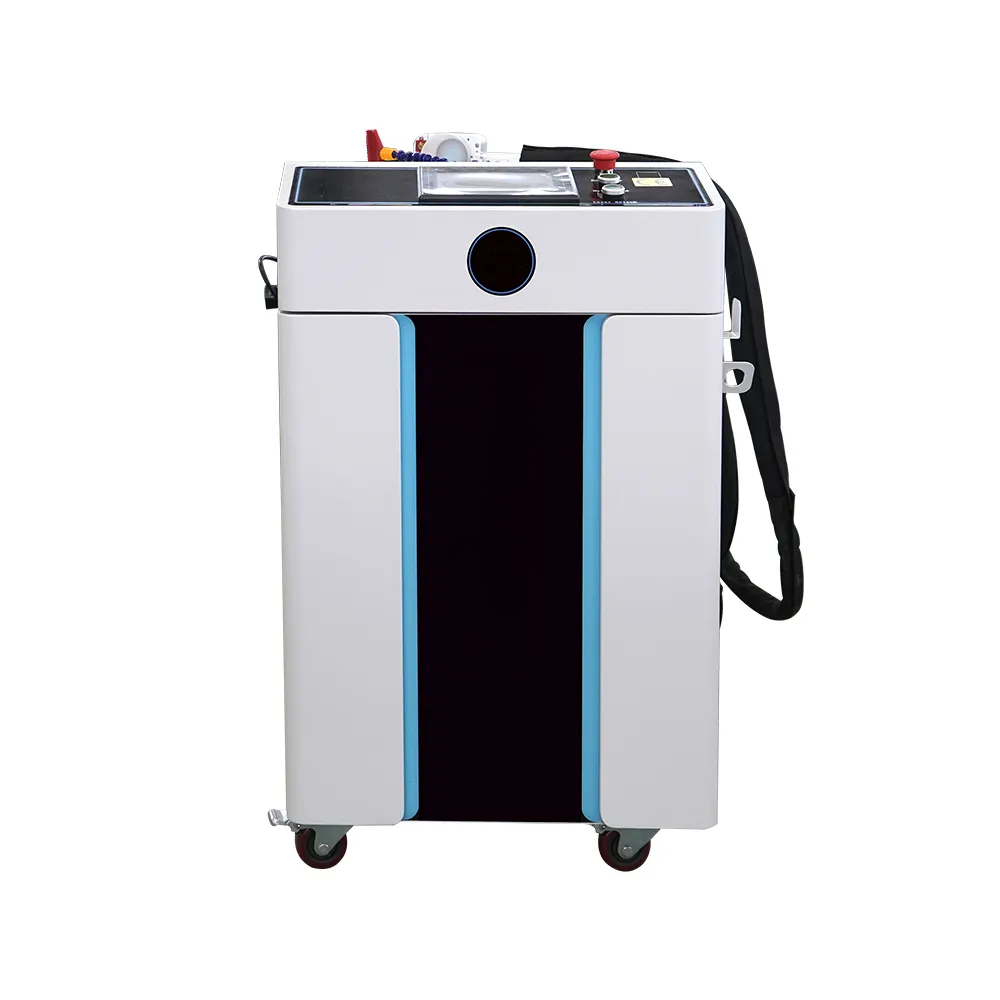
The implementation of laser cleaning technology requires comprehensive safety measures that protect both personnel and equipment while ensuring optimal performance and regulatory compliance. Modern laser cleaning systems operate at high power levels and generate intense light beams that can cause serious injury if proper precautions are not followed. Additionally, the process creates various byproducts including particulates, fumes, and debris that must be properly contained and managed according to occupational health guidelines.
Safety considerations extend beyond immediate operator protection to encompass environmental controls, equipment maintenance, and long-term exposure management. The growing adoption of laser cleaning across industries has prompted the development of specific standards and best practices designed to minimize risks while maximizing the technology's benefits. These guidelines address everything from personal protective equipment requirements to facility design considerations and training protocols.
Fundamental Safety Principles for Laser Cleaning Operations
Personal Protective Equipment Requirements
Proper personal protective equipment forms the foundation of safe laser cleaning operations. Eye protection represents the most critical component, as laser radiation can cause immediate and permanent damage to the retina and cornea. Safety glasses or goggles must be specifically designed for the wavelength and power level of the laser cleaning system being used. Standard safety glasses provide no protection against laser radiation, making wavelength-specific eyewear mandatory for all personnel in the vicinity of active laser cleaning operations.
Skin protection is equally important when working with laser cleaning equipment. High-power lasers can cause severe burns upon direct contact with exposed skin. Long-sleeved clothing made from non-reflective materials helps prevent accidental exposure, while specialized gloves protect hands during equipment handling and workpiece positioning. The selection of appropriate protective clothing should consider both laser safety and the specific industrial environment where laser cleaning takes place.
Respiratory protection becomes necessary when laser cleaning generates airborne particles or fumes. The type of respirator required depends on the materials being cleaned and the contaminants being removed. When cleaning painted surfaces, for example, the removal process may release toxic particles that require specialized filtration systems. Proper ventilation systems work in conjunction with personal respiratory equipment to maintain safe air quality throughout laser cleaning operations.
Operational Safety Protocols
Establishing clear operational protocols ensures consistent safety practices across all laser cleaning activities. Pre-operation safety checks should verify that all protective equipment is functioning correctly and that the work area is properly secured. This includes confirming that laser safety barriers are in place, warning signs are posted, and unauthorized personnel have been excluded from the controlled area during active laser cleaning operations.
Beam path management represents a critical aspect of operational safety. Operators must maintain awareness of the laser beam's path at all times, ensuring that reflective surfaces cannot redirect the beam toward personnel or sensitive equipment. The work area should be designed to minimize reflective surfaces, and any unavoidable reflective elements should be properly shielded or positioned to direct reflected energy toward safe zones.
Emergency procedures must be clearly defined and regularly practiced by all personnel involved in laser cleaning operations. These procedures should address immediate response to accidents, equipment malfunctions, and fire emergencies. Emergency shutdown procedures should be intuitive and accessible from multiple locations within the work area, allowing for rapid system deactivation when necessary.
Industry Standards and Regulatory Compliance
ANSI Z136 Laser Safety Standards
The American National Standards Institute's Z136 series provides comprehensive guidelines for safe laser use across various applications, including industrial laser cleaning systems. These standards establish classification systems for different laser types and power levels, helping facilities determine appropriate safety measures for their specific equipment. The Z136.1 standard covers general laser safety requirements, while industry-specific standards address unique considerations for manufacturing, construction, and maintenance applications.
Laser classification under ANSI standards directly impacts safety requirements for laser cleaning operations. Class 4 lasers, which encompass most industrial laser cleaning systems, require the most stringent safety measures including controlled access areas, specialized training, and comprehensive safety programs. Understanding these classifications helps facilities implement appropriate controls and ensures compliance with regulatory requirements.
The standards also address administrative controls including training requirements, medical surveillance programs, and documentation protocols. Facilities using laser cleaning technology must establish written safety programs that address all aspects of laser use, from initial installation through routine operations and maintenance activities. Regular safety audits and program updates ensure continued compliance as technology and regulations evolve.
OSHA Guidelines for Industrial Laser Use
The Occupational Safety and Health Administration provides specific guidelines for workplace laser safety that apply directly to industrial laser cleaning operations. These guidelines emphasize the employer's responsibility to provide a safe working environment and ensure that workers receive appropriate training and protective equipment. OSHA requirements complement ANSI standards by focusing on practical implementation and enforcement of safety measures in industrial settings.
Ventilation requirements under OSHA guidelines address the need to control airborne contaminants generated during laser cleaning processes. Adequate ventilation systems must capture and filter particles at their source, preventing worker exposure to potentially hazardous materials. The specific ventilation requirements depend on the materials being cleaned and the potential health hazards associated with the generated airborne contaminants.
Documentation and record-keeping requirements under OSHA guidelines ensure that safety programs are properly implemented and maintained. This includes maintaining records of training activities, safety inspections, incident reports, and medical surveillance data when applicable. Proper documentation demonstrates compliance during regulatory inspections and provides valuable data for continuous improvement of safety programs.
Hazard Identification and Risk Management
Primary Laser Hazards
Direct beam exposure represents the most significant hazard in laser cleaning operations, with the potential to cause immediate and severe injury to eyes and skin. The high energy density of industrial laser cleaning beams can cause irreversible damage within milliseconds of exposure. Understanding beam characteristics, including power density, pulse duration, and wavelength, helps operators assess exposure risks and implement appropriate protective measures.
Specular reflections from polished or mirror-like surfaces can redirect laser beams in unexpected directions, creating secondary exposure hazards. These reflected beams retain much of their original energy and pose similar risks to direct beam exposure. Risk assessment must consider all potentially reflective surfaces within the laser cleaning environment, including tools, fixtures, and workpiece surfaces that may become reflective during the cleaning process.
Diffuse reflections occur when laser energy scatters from textured or partially cleaned surfaces. While generally less intense than specular reflections, diffuse reflections can still pose hazards, particularly to eyes. The cumulative effect of multiple diffuse reflections within an enclosed work area can create elevated exposure levels that require additional protective measures during laser cleaning operations.
Secondary Hazards and Environmental Considerations
Airborne contaminants generated during laser cleaning pose significant health risks that extend beyond direct laser exposure. The vaporization and ablation processes create particles of varying sizes, from large debris to nanoparticles that can penetrate deep into respiratory tissue. The composition of these airborne materials depends on the substrate being cleaned and may include toxic metals, organic compounds, or other hazardous substances that require specialized handling and disposal procedures.
Fire and explosion hazards can arise when laser cleaning is performed on materials that generate flammable vapors or when cleaning in environments with combustible atmospheres. Certain coatings and substrates may produce flammable gases when exposed to laser energy, creating ignition risks. Additionally, the high temperatures generated during laser cleaning can ignite nearby combustible materials, making fire prevention and suppression systems essential components of comprehensive safety programs.
Electrical hazards associated with high-power laser cleaning systems require careful attention to grounding, circuit protection, and maintenance procedures. The electrical systems that power industrial laser cleaning equipment operate at high voltages and currents, presenting risks of electrical shock and arc flash. Proper electrical safety protocols, including lockout/tagout procedures and regular electrical system inspections, are essential for maintaining safe working conditions around laser cleaning equipment.
Training and Competency Development
Operator Certification Requirements
Comprehensive training programs for laser cleaning operators must address both theoretical knowledge and practical skills necessary for safe equipment operation. Training curricula should cover laser physics fundamentals, safety principles, hazard recognition, and emergency response procedures. Understanding how laser cleaning systems work enables operators to make informed decisions about process parameters and safety measures during actual operations.
Hands-on training with actual laser cleaning equipment provides operators with practical experience in safe operating procedures under supervised conditions. This practical training should progress from basic equipment familiarization to complex operational scenarios that operators may encounter in their work environment. Supervised practice sessions allow trainers to assess operator competency and provide corrective guidance before independent operation begins.
Continuing education requirements ensure that laser cleaning operators maintain current knowledge of safety practices, equipment improvements, and regulatory changes. Regular refresher training sessions help reinforce safe work practices and introduce new safety concepts as they develop. Documentation of training completion and competency assessments provides evidence of operator qualifications and supports regulatory compliance efforts.
Safety Officer and Management Training
Management personnel responsible for laser cleaning operations require specialized training that addresses program development, regulatory compliance, and incident management. This training goes beyond operator-level knowledge to encompass strategic planning, resource allocation, and organizational safety culture development. Managers must understand the business implications of safety decisions and their role in creating sustainable safety programs for laser cleaning operations.
Safety officers and supervisors need detailed knowledge of hazard assessment techniques, control measure implementation, and safety program evaluation methods specific to laser cleaning applications. Their training should emphasize practical skills in conducting safety inspections, investigating incidents, and developing corrective actions that prevent future occurrences. The ability to communicate effectively with operators, management, and regulatory personnel is essential for successful safety program implementation.
Cross-functional training involving maintenance personnel, engineers, and other support staff ensures comprehensive understanding of laser cleaning safety requirements throughout the organization. This broader training approach helps create a culture of safety awareness and shared responsibility for maintaining safe working conditions. When all personnel understand their role in laser cleaning safety, the overall effectiveness of safety programs is significantly enhanced.
Equipment Maintenance and Safety Systems
Preventive Maintenance Protocols
Regular maintenance of laser cleaning systems is essential for both operational performance and safety assurance. Preventive maintenance schedules should be based on manufacturer recommendations, operating hours, and environmental conditions that affect equipment performance. Key maintenance activities include optical system cleaning, cooling system servicing, and safety interlock testing to ensure all protective features function correctly.
Safety interlocks and protective systems require periodic testing to verify their continued effectiveness in preventing unsafe conditions. These systems include door interlocks, emergency stop circuits, beam shutter mechanisms, and warning light systems that alert personnel to active laser conditions. Documentation of interlock testing provides evidence of safety system integrity and supports compliance with safety standards that require regular verification of protective features.
Optical component maintenance directly impacts both cleaning effectiveness and safety performance of laser cleaning systems. Contaminated or damaged optics can cause beam distortion, unexpected reflections, or reduced cleaning efficiency that may lead operators to use unsafe practices to achieve desired results. Regular inspection and cleaning of optical components helps maintain predictable beam characteristics and reduces the risk of unexpected hazardous conditions during laser cleaning operations.
Environmental Control Systems
Ventilation systems designed for laser cleaning applications must provide adequate airflow to capture and remove airborne contaminants at their source. The design of these systems should consider the specific materials being processed, the volume of contaminated air generated, and the filtration requirements for different types of particles. Regular maintenance of ventilation systems, including filter replacement and airflow verification, ensures continued effectiveness in protecting worker health during laser cleaning operations.
Fume extraction systems integrated with laser cleaning equipment provide point-of-use capture of airborne contaminants generated during the cleaning process. These systems must be properly sized and maintained to handle the volume and type of particles produced during different laser cleaning applications. Regular inspection of fume extraction components, including filters, ducts, and exhaust fans, helps maintain system effectiveness and prevents the accumulation of contaminated materials in work areas.
Air quality monitoring systems provide real-time assessment of airborne contamination levels in areas where laser cleaning operations occur. These monitoring systems can detect various types of particles and chemical vapors that may pose health risks to workers. Integration of air quality monitoring with ventilation control systems enables automatic adjustment of airflow rates based on actual contamination levels, providing responsive protection during varying laser cleaning conditions.
Emergency Response and Incident Management
Emergency Procedures Development
Comprehensive emergency response plans for laser cleaning operations must address various potential scenarios including laser exposure incidents, equipment fires, chemical releases, and medical emergencies. These plans should provide clear, step-by-step procedures that enable rapid and effective response to minimize harm to personnel and property. Regular drills and training exercises help ensure that all personnel understand their roles and can execute emergency procedures effectively under stressful conditions.
Medical emergency procedures specific to laser cleaning incidents require coordination with local emergency medical services and occupational health professionals who understand laser-related injuries. Immediate response protocols should address first aid measures for laser burns, eye injuries, and inhalation exposure to cleaning byproducts. Pre-established communication channels with medical professionals experienced in laser injury treatment can significantly improve outcomes for injured personnel.
Fire suppression systems in areas where laser cleaning operations occur must be designed to address the specific fire risks associated with these processes. Automatic suppression systems should be compatible with electrical equipment and effective against fires involving various substrate materials and cleaning byproducts. Personnel should be trained in the proper use of portable fire extinguishers and evacuation procedures specific to laser cleaning areas.
Incident Investigation and Reporting
Systematic incident investigation procedures help identify root causes of laser cleaning accidents and near-miss events, enabling the development of effective corrective measures. Investigation teams should include personnel with expertise in laser safety, process engineering, and human factors to ensure comprehensive analysis of contributing factors. Thorough documentation of incident investigations provides valuable information for preventing similar occurrences and improving overall safety program effectiveness.
Incident reporting systems should capture both actual accidents and near-miss events that could have resulted in injury or equipment damage during laser cleaning operations. Encouraging reporting of near-miss incidents helps identify potential hazards before they result in actual harm. Analysis of incident trends and patterns provides insights into systemic safety issues that may require programmatic changes to prevent future occurrences.
Regulatory reporting requirements for laser cleaning incidents may involve multiple agencies depending on the severity of the incident and the materials involved. Understanding these reporting requirements and maintaining appropriate communication channels with regulatory agencies helps ensure timely compliance with legal obligations. Proper incident documentation also supports insurance claims and legal proceedings that may arise from laser cleaning accidents.
FAQ
What personal protective equipment is required for laser cleaning operations
Essential personal protective equipment for laser cleaning includes wavelength-specific safety eyewear rated for the laser's power level, non-reflective protective clothing covering all exposed skin, and respiratory protection appropriate for the materials being cleaned. Additional PPE may include specialized gloves and hearing protection depending on the specific application and work environment.
How often should laser cleaning safety systems be tested
Safety interlocks and protective systems should be tested according to manufacturer specifications, typically monthly or quarterly for critical safety functions. Emergency stop systems, door interlocks, and warning indicators require regular verification to ensure proper operation. Documentation of all safety system testing is essential for regulatory compliance and safety program effectiveness.
What are the main health hazards associated with laser cleaning processes
Primary health hazards include direct laser beam exposure causing eye and skin injuries, inhalation of airborne particles and fumes generated during cleaning, and potential exposure to toxic substances released from cleaned materials. Secondary hazards may include fire risks from flammable vapors and electrical hazards from high-power laser systems.
What training is required for laser cleaning equipment operators
Operators must receive comprehensive training covering laser safety principles, equipment operation procedures, hazard recognition, emergency response, and regulatory requirements. Training should include both classroom instruction and hands-on practice with actual equipment under qualified supervision. Ongoing training and competency verification help ensure operators maintain safe work practices throughout their careers.