 EN
EN
 AR
AR
 FR
FR
 DE
DE
 JA
JA
 KO
KO
 RU
RU
 ES
ES


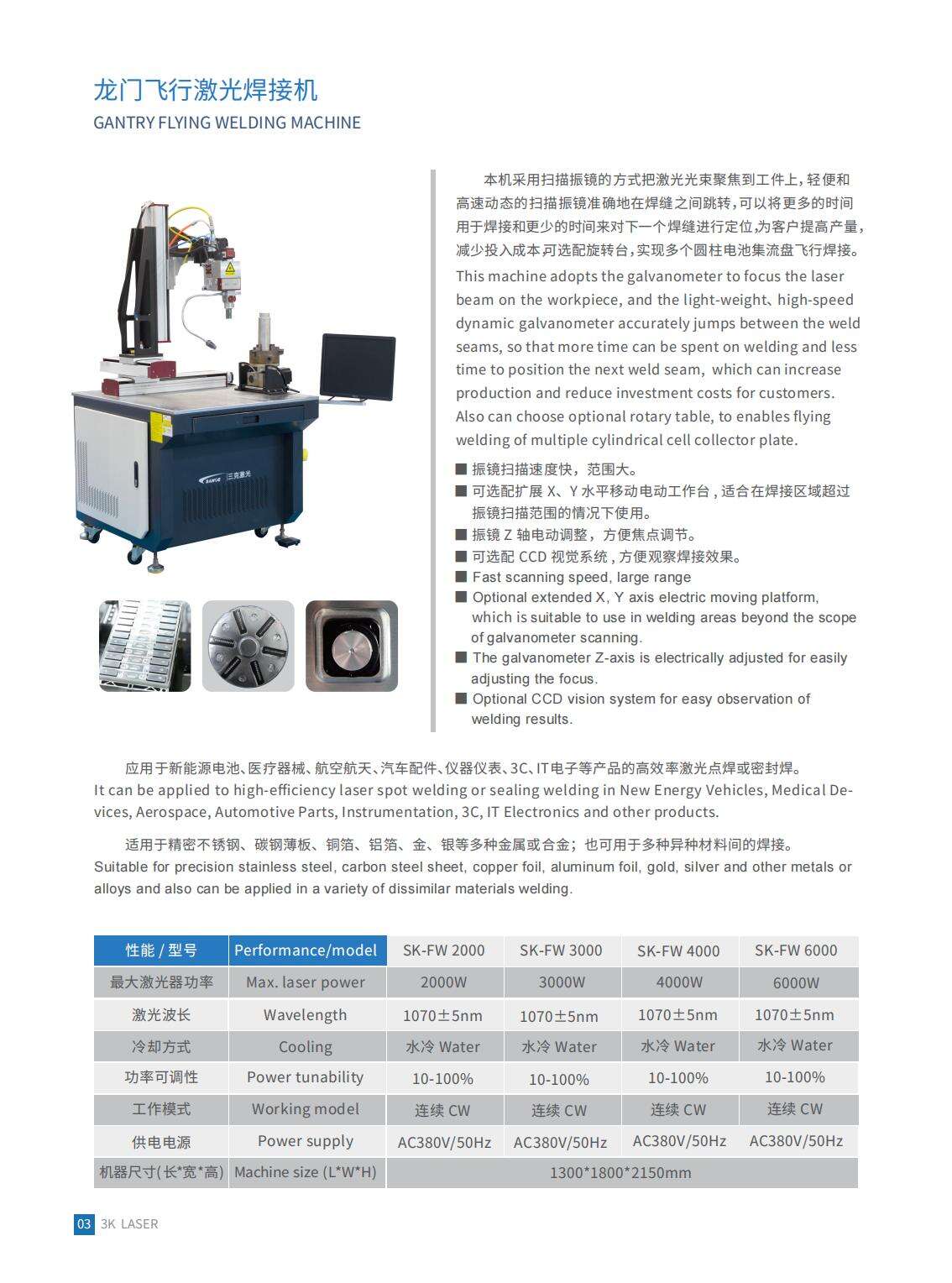
The manufacturing industry is experiencing a revolutionary transformation as automated welding technologies continue to advance at an unprecedented pace. Modern production facilities are increasingly adopting sophisticated automated welding systems that deliver superior precision, consistency, and efficiency compared to traditional manual welding methods. These technological advancements are reshaping how manufacturers approach welding operations across diverse industries, from automotive and aerospace to construction and shipbuilding.
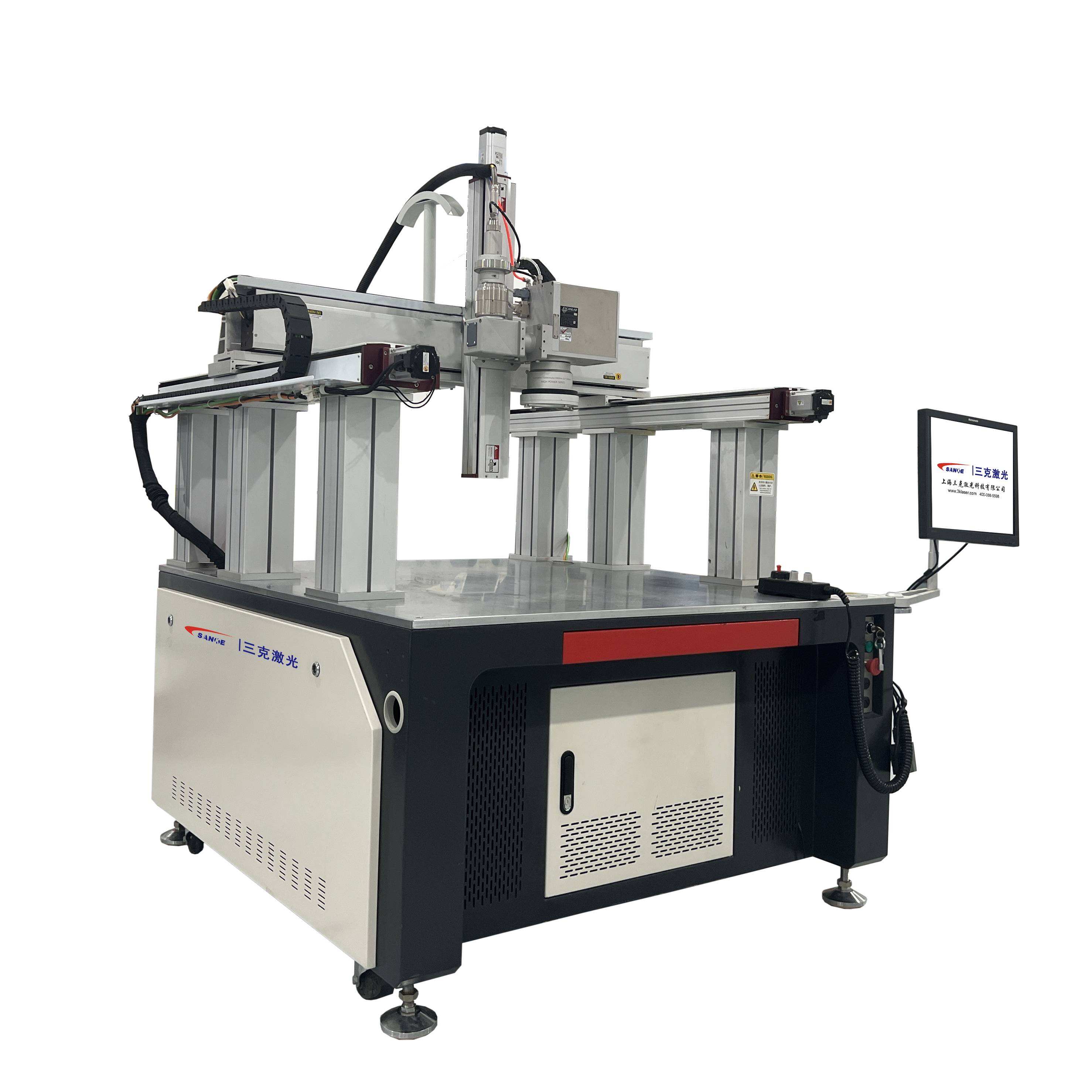
The evolution of automated welding represents a fundamental shift in manufacturing paradigms, driven by the need for higher production volumes, improved quality control, and reduced labor costs. Companies worldwide are recognizing that automated welding solutions offer significant competitive advantages, including enhanced repeatability, reduced material waste, and improved workplace safety. As we look toward the future, several key trends and innovations are emerging that will define the next generation of automated welding technologies.
Technological Breakthroughs Driving Automated Welding Innovation
Artificial Intelligence and Machine Learning Integration
The integration of artificial intelligence and machine learning capabilities into automated welding systems represents one of the most significant technological breakthroughs in recent years. These intelligent systems can analyze real-time welding parameters, adjust settings dynamically, and predict potential defects before they occur. Advanced AI algorithms enable automated welding equipment to learn from previous welding operations, continuously improving performance and adapting to varying material conditions and joint configurations.
Machine learning algorithms are particularly valuable in optimizing weld quality by analyzing vast datasets of welding parameters, environmental conditions, and resulting weld characteristics. This data-driven approach allows automated welding systems to make precise adjustments to welding speed, heat input, and wire feed rates, ensuring consistent weld quality across different production runs. The predictive capabilities of AI-enhanced automated welding systems help manufacturers reduce scrap rates and minimize costly rework operations.
Advanced Sensor Technology and Real-Time Monitoring
Modern automated welding systems incorporate sophisticated sensor arrays that provide unprecedented visibility into the welding process. High-resolution cameras, thermal sensors, and ultrasonic monitoring devices work together to create comprehensive real-time feedback systems that ensure optimal weld quality. These sensors can detect variations in joint fit-up, material thickness, and surface conditions, automatically adjusting welding parameters to maintain consistent results.
The implementation of multi-sensor fusion technology in automated welding applications enables more robust process control and quality assurance. Advanced sensor networks can simultaneously monitor arc stability, penetration depth, bead geometry, and cooling rates, providing welding operators and quality control personnel with detailed insights into each weld's characteristics. This level of monitoring capability significantly enhances the reliability and traceability of automated welding operations.
Industry Applications and Market Expansion
Automotive Manufacturing Revolution
The automotive industry continues to be a primary driver of automated welding innovation, with manufacturers implementing increasingly sophisticated welding systems to meet production demands and quality requirements. Modern vehicle assembly lines utilize automated welding stations that can handle complex body-in-white assembly operations with remarkable speed and precision. These systems are capable of welding various material combinations, including advanced high-strength steels, aluminum alloys, and emerging lightweight composites.
Electric vehicle production has introduced new challenges and opportunities for automated welding applications, particularly in battery pack assembly and thermal management systems. Automated welding technologies are essential for creating reliable electrical connections and ensuring the structural integrity of battery enclosures. The precise control offered by automated welding systems is crucial for meeting the stringent safety and performance requirements of electric vehicle components.
Aerospace and Defense Applications
Aerospace manufacturers are increasingly relying on automated welding solutions to produce critical components that meet demanding performance specifications and regulatory requirements. The precision and repeatability of automated welding systems are essential for creating reliable joints in aircraft structures, engine components, and fuel systems. These applications require exceptional quality control and documentation, making automated welding systems with comprehensive monitoring and data logging capabilities particularly valuable.
Defense contractors are implementing automated welding technologies for producing military vehicles, naval vessels, and specialized equipment that must withstand extreme operating conditions. The consistency provided by automated welding systems helps ensure that critical defense components meet rigorous quality standards while reducing production timelines and costs. Advanced automated welding systems can handle exotic materials and complex geometries commonly found in aerospace and defense applications.
Economic Impact and Cost Considerations
Return on Investment Analysis
The economic benefits of implementing automated welding systems extend far beyond simple labor cost reductions. Manufacturers typically experience significant improvements in productivity, quality consistency, and material utilization when transitioning from manual to automated welding processes. The initial capital investment in automated welding equipment is often offset by reduced rework costs, decreased material waste, and improved production throughput within relatively short payback periods.
Automated welding systems contribute to substantial long-term cost savings through reduced warranty claims, improved product reliability, and enhanced customer satisfaction. The consistent quality achieved through automated welding processes helps manufacturers build stronger brand reputations and secure more competitive market positions. Additionally, automated welding systems often require fewer skilled welding operators, helping manufacturers address labor shortages and reduce training costs.
Operational Efficiency Improvements
The implementation of automated welding technologies typically results in dramatic improvements in operational efficiency across multiple dimensions. Production throughput increases significantly due to the continuous operation capabilities of automated welding systems, which can run extended shifts without fatigue or performance degradation. These systems also enable more efficient material handling and part positioning, reducing overall cycle times and improving facility utilization.
Automated welding systems contribute to improved inventory management and production planning through their predictable performance characteristics and reduced variability. Manufacturers can more accurately forecast production schedules and delivery timelines, leading to better customer service and more efficient supply chain management. The data generated by automated welding systems also provides valuable insights for continuous improvement initiatives and process optimization efforts.
Future Trends and Emerging Technologies
Collaborative Robotics and Human-Machine Integration
The future of automated welding will likely involve greater integration between human workers and robotic systems through collaborative robotics technologies. These advanced systems combine the precision and consistency of automated welding with the adaptability and problem-solving capabilities of human operators. Collaborative automated welding systems can work alongside human welders, handling routine tasks while allowing operators to focus on complex or non-standard welding applications.
Human-machine interfaces in automated welding systems are becoming more intuitive and user-friendly, enabling operators with varying skill levels to effectively program and monitor welding operations. Augmented reality displays and voice-activated controls are emerging as valuable tools for interacting with automated welding systems, providing operators with real-time information and simplified control interfaces. These technological advances help bridge the gap between traditional welding expertise and modern automated welding capabilities.
Additive Manufacturing and Hybrid Processes
The convergence of automated welding technologies with additive manufacturing processes is creating new opportunities for producing complex components and structures. Wire-based additive manufacturing systems that utilize automated welding principles can create three-dimensional parts by depositing and fusing metal wire layer by layer. These hybrid processes combine the speed and material efficiency of automated welding with the design freedom of additive manufacturing.
Automated welding systems are increasingly being integrated with other manufacturing processes to create comprehensive production solutions. Multi-process automated welding stations can perform welding, cutting, grinding, and inspection operations within a single work cell, reducing material handling requirements and improving overall production efficiency. This integration trend is driving the development of more versatile and adaptable automated welding systems that can accommodate diverse manufacturing requirements.
Quality Control and Certification Standards
Advanced Inspection and Testing Capabilities
Modern automated welding systems incorporate sophisticated quality control measures that go beyond traditional visual inspection methods. Automated inspection systems can perform real-time weld quality assessment using advanced imaging techniques, ultrasonic testing, and electromagnetic inspection methods. These integrated quality control systems help ensure that every weld meets specified requirements without requiring separate inspection operations.
The traceability provided by automated welding systems is becoming increasingly important for meeting industry certification requirements and regulatory compliance. Comprehensive data logging capabilities allow manufacturers to maintain detailed records of welding parameters, environmental conditions, and quality test results for each individual weld. This level of documentation is essential for industries with strict quality requirements, such as aerospace, nuclear, and medical device manufacturing.
Industry Standards and Compliance
The development of industry standards for automated welding systems is helping establish consistent quality expectations and certification requirements across different sectors. Professional organizations and regulatory bodies are working to develop comprehensive guidelines for implementing, operating, and maintaining automated welding systems. These standards address critical aspects such as operator training, equipment calibration, and quality assurance procedures.
Automated welding systems must comply with increasingly stringent safety and environmental regulations while maintaining high levels of productivity and quality. Advanced emission control systems and energy-efficient designs are becoming standard features in modern automated welding equipment. Manufacturers are also focusing on developing automated welding systems that can adapt to changing regulatory requirements and industry standards without requiring major equipment modifications.
Workforce Development and Training Requirements
Skill Evolution in the Welding Industry
The proliferation of automated welding technologies is fundamentally changing the skill requirements for welding professionals. Traditional manual welding skills remain important, but workers must also develop competencies in programming, troubleshooting, and maintaining automated welding systems. This evolution requires comprehensive training programs that combine traditional welding knowledge with modern automation and control system expertise.
Educational institutions and training organizations are adapting their curricula to address the changing needs of the automated welding industry. Hands-on training with actual automated welding equipment is becoming essential for preparing workers for modern manufacturing environments. Virtual reality and simulation-based training systems are emerging as valuable tools for teaching automated welding concepts and procedures in controlled learning environments.
Career Opportunities and Professional Development
The growth of automated welding applications is creating new career opportunities for skilled technicians, engineers, and support personnel. Automated welding specialists who can program, operate, and maintain sophisticated welding systems are in high demand across multiple industries. These positions often offer higher compensation levels and greater job security compared to traditional manual welding roles.
Professional development opportunities in automated welding continue to expand as technology advances and industry applications grow. Certification programs specific to automated welding systems are being developed to validate worker competencies and establish industry standards for training and qualification. Continuous learning and adaptation to new technologies will be essential for welding professionals who want to advance their careers in the automated welding field.
FAQ
What are the main advantages of automated welding over manual welding methods
Automated welding offers several significant advantages including superior consistency and repeatability, higher production speeds, improved weld quality, reduced material waste, enhanced workplace safety, and lower long-term operating costs. These systems can operate continuously without fatigue, maintain precise welding parameters throughout production runs, and generate comprehensive documentation for quality control and traceability purposes.
How much does it typically cost to implement automated welding systems
The cost of implementing automated welding systems varies widely depending on the application complexity, production requirements, and specific equipment configurations. Basic automated welding stations may cost between $50,000 to $200,000, while complex multi-station systems can exceed $1 million. However, most manufacturers achieve positive return on investment within 12 to 36 months through improved productivity, quality, and reduced operating costs.
What industries benefit most from automated welding technologies
Automotive manufacturing, aerospace, shipbuilding, construction equipment, and heavy machinery industries derive the greatest benefits from automated welding implementations. These sectors typically require high-volume production with consistent quality standards, making automated welding systems particularly valuable. Oil and gas, power generation, and rail transportation industries are also increasingly adopting automated welding solutions for critical infrastructure projects.
What skills do workers need to operate automated welding systems effectively
Workers operating automated welding systems need a combination of traditional welding knowledge, basic programming skills, computer literacy, troubleshooting abilities, and understanding of automation principles. Training typically includes system programming, parameter adjustment, quality control procedures, preventive maintenance, and safety protocols. Many employers provide specialized training programs to help traditional welders transition to automated welding operations successfully.