 EN
EN
 AR
AR
 FR
FR
 DE
DE
 JA
JA
 KO
KO
 RU
RU
 ES
ES


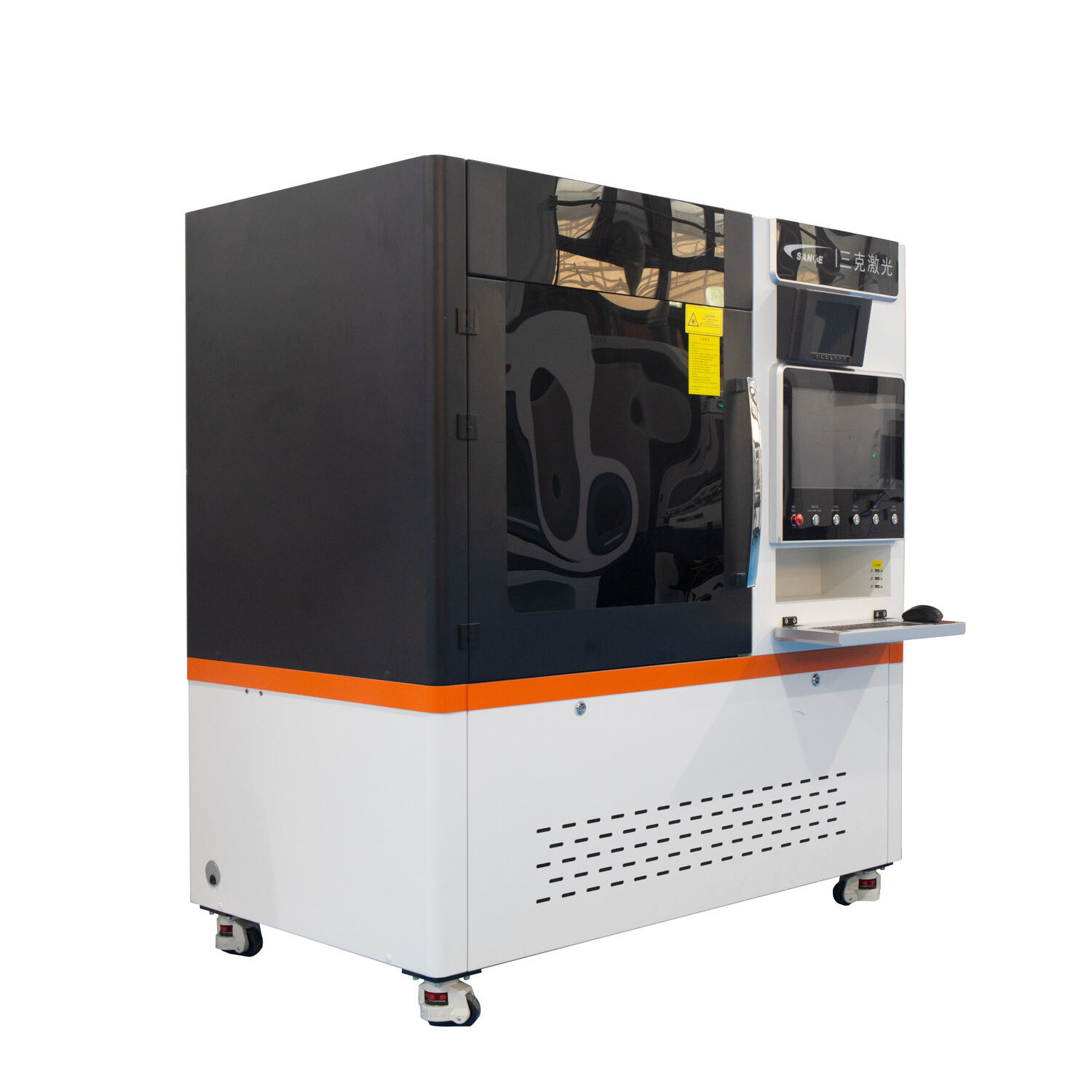
The manufacturing landscape continues to evolve rapidly, with advanced fabrication technologies reshaping how industries approach precision material processing. Modern production facilities increasingly rely on sophisticated equipment that delivers unmatched accuracy, speed, and versatility across diverse applications. Among these revolutionary technologies, laser cutting has emerged as a cornerstone of contemporary manufacturing, transforming everything from automotive components to architectural elements with remarkable precision and efficiency.
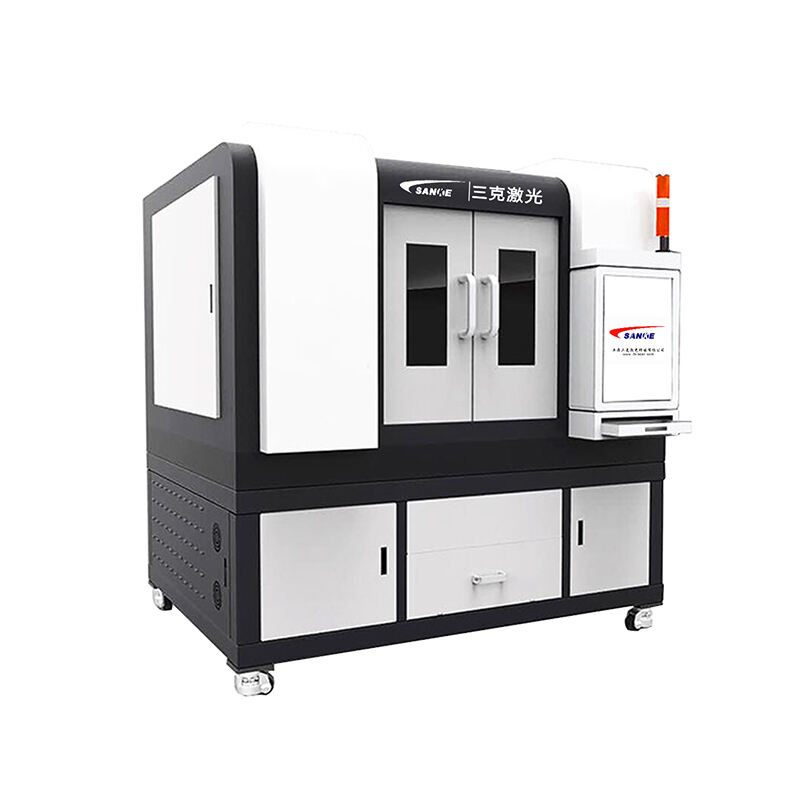
This comprehensive technology leverages concentrated light beams to achieve material separation with extraordinary precision, enabling manufacturers to create complex geometries that would be impossible or prohibitively expensive using traditional methods. The process involves focusing high-powered light through specialized optics, creating temperatures exceeding 10,000 degrees Celsius at the point of contact. This intense heat instantly vaporizes or melts the target material, while assist gases blow away molten residue to maintain clean cut edges.
Industries worldwide have embraced this technology for its ability to process materials ranging from delicate electronic components to heavy industrial plates. The automotive sector utilizes laser cutting for body panels, chassis components, and intricate interior details. Aerospace manufacturers depend on this precision for critical safety components that demand exact specifications. Meanwhile, architectural firms leverage the technology to create stunning decorative elements and structural components that define modern building aesthetics.
Understanding Laser Cutting Technology Fundamentals
Light Amplification and Beam Generation Principles
The foundation of laser cutting technology rests on the principle of stimulated emission, where atoms release photons when excited by external energy sources. This process creates coherent light waves that travel in parallel paths, maintaining consistent intensity and focus over considerable distances. The resulting beam possesses unique characteristics that make it ideal for precision material processing applications.
Modern laser cutting systems utilize various generation methods to create these powerful beams. Solid-state systems employ crystalline media doped with active ions, while gas-based systems use electrical discharges to excite gas molecules. Each approach offers distinct advantages depending on the specific application requirements and material characteristics involved.
The beam delivery system plays a crucial role in maintaining cutting quality throughout the process. Sophisticated optical components, including mirrors, lenses, and beam splitters, direct and focus the energy precisely where needed. Advanced cooling systems prevent thermal distortion of these components, ensuring consistent performance during extended operation periods.
Precision Control and Automation Systems
Contemporary laser cutting equipment incorporates advanced computer numerical control systems that enable unprecedented precision in material processing operations. These systems translate digital designs into precise motion commands, coordinating multiple axes of movement while maintaining optimal cutting parameters throughout each operation.
Sophisticated sensors continuously monitor cutting conditions, automatically adjusting power levels, feed rates, and assist gas flows to maintain optimal performance. This real-time optimization ensures consistent quality across production runs while minimizing material waste and processing time.
Integration with computer-aided design software streamlines the entire production workflow, enabling seamless transition from concept to finished component. Operators can import complex geometries, apply cutting parameters, and generate tool paths automatically, reducing setup time and eliminating potential human errors in the programming process.
Comprehensive Overview of Laser Cutting System Types
Carbon Dioxide Laser Cutting Systems
Carbon dioxide laser cutting systems represent the most widely adopted technology in industrial manufacturing environments. These systems generate powerful infrared beams through electrical excitation of carbon dioxide gas mixtures, typically containing nitrogen and helium as buffer gases. The resulting 10.6-micrometer wavelength provides excellent absorption characteristics for most organic and metallic materials.
These versatile systems excel at processing thick materials, with cutting capabilities extending to several inches of steel, stainless steel, and aluminum. The continuous wave output delivers consistent power levels that enable smooth cuts with minimal heat-affected zones. Manufacturing facilities appreciate the relatively low operating costs and proven reliability of this mature technology.
Power output ranges from modest kilowatt levels suitable for thin sheet processing to massive multi-kilowatt systems capable of cutting thick structural components. The scalability makes this technology appropriate for everything from small job shops to large-scale production facilities with demanding throughput requirements.
Fiber Laser Cutting Technology
Fiber laser cutting represents the newest generation of industrial processing technology, offering significant advantages in energy efficiency and maintenance requirements. These systems generate light through rare-earth-doped optical fibers, creating beams with wavelengths around 1.07 micrometers that provide superior absorption in metallic materials.
The compact design and solid-state construction eliminate many mechanical components found in traditional systems, reducing maintenance requirements and improving overall reliability. Electrical efficiency often exceeds 30 percent, compared to less than 15 percent for carbon dioxide systems, resulting in substantial energy cost savings over the equipment lifecycle.
Exceptional beam quality enables processing of highly reflective materials like copper, brass, and aluminum alloys that challenge other technologies. The shorter wavelength provides better absorption and reduces the risk of beam reflection that can damage optical components or create safety hazards in the work environment.
Specialized Laser Cutting Applications
Neodymium-doped yttrium aluminum garnet systems occupy specialized niches in laser cutting applications, particularly for thick material processing and unique alloy compositions. These solid-state systems generate 1.06-micrometer wavelength beams that offer excellent penetration characteristics for challenging materials.
Pulsed operation modes enable precise control over heat input, making these systems ideal for applications requiring minimal thermal distortion. Electronics manufacturers utilize this capability for processing heat-sensitive components where traditional continuous-wave systems might cause damage to adjacent areas.
Ultraviolet laser cutting systems address the most demanding precision applications, where conventional infrared wavelengths cannot achieve the required resolution. These systems excel at processing thin films, semiconductor wafers, and delicate medical device components that demand exceptional edge quality and minimal heat-affected zones.
Key Advantages of Modern Laser Cutting Technology
Unmatched Precision and Accuracy Capabilities
Modern laser cutting technology achieves tolerances that exceed the capabilities of traditional machining methods by significant margins. Typical positioning accuracy reaches within 0.025 millimeters, while repeatability often surpasses 0.01 millimeters across extended production runs. This precision enables manufacturers to create complex components with intricate features that would be impossible using conventional fabrication techniques.
The non-contact nature of the process eliminates mechanical forces that might distort delicate workpieces during processing. Unlike conventional machining, where cutting tools apply significant pressure to the workpiece, laser cutting relies solely on thermal energy to achieve material separation. This characteristic makes the technology ideal for processing thin-walled components, fragile materials, and precision assemblies.
Advanced beam shaping optics enable creation of features as small as the focused beam diameter, typically ranging from 0.1 to 0.3 millimeters depending on the specific system configuration. This capability opens new design possibilities for engineers working on miniaturized components, micro-scale features, and applications requiring extremely tight geometric tolerances.
Exceptional Material Versatility and Range
The broad material compatibility of laser cutting technology encompasses virtually every category of engineering materials commonly used in manufacturing applications. Metallic materials from thin foils to thick structural plates process efficiently, including challenging alloys like titanium, inconel, and hardened tool steels that present difficulties for conventional machining.
Non-metallic materials expand the application range significantly, with capabilities extending to ceramics, composites, polymers, and advanced engineered materials. Each material category requires specific parameter optimization to achieve optimal results, but the fundamental process remains consistent across diverse material types.
Thickness capabilities vary by material type and system power, with modern equipment capable of processing materials ranging from delicate 0.025-millimeter foils to massive 50-millimeter steel plates. This versatility enables manufacturers to consolidate multiple processing operations under a single technology platform, reducing equipment investments and simplifying production workflows.
Superior Edge Quality and Surface Finish
Laser cutting produces exceptionally smooth cut edges that often eliminate the need for secondary finishing operations. The concentrated heat source creates precise kerf widths with minimal material removal, while controlled cooling rates prevent excessive heat-affected zone formation that might compromise material properties.
Surface roughness measurements typically fall well below conventional machining standards, with achieved values often reaching sub-micrometer levels on properly optimized cuts. This exceptional surface quality proves particularly valuable for applications requiring immediate assembly without additional finishing steps.
The absence of tool wear eliminates gradual degradation in cut quality that characterizes mechanical cutting processes. Every cut maintains the same high standards throughout extended production runs, ensuring consistent component quality and reducing reject rates significantly compared to traditional manufacturing methods.
Industrial Applications Across Manufacturing Sectors
Automotive Industry Integration and Applications
The automotive industry represents one of the largest consumers of laser cutting technology, utilizing the process for everything from body panels to intricate engine components. Advanced high-strength steels used in modern vehicle construction require the precision and capability that only laser cutting can provide effectively. These materials challenge conventional fabrication methods but process efficiently under properly optimized laser parameters.
Lightweighting initiatives drive increased adoption as manufacturers seek to reduce vehicle mass while maintaining structural integrity. Laser cutting enables creation of complex geometries with material-saving designs, including hollow structures, weight-reduction features, and optimized component layouts that minimize material usage without compromising performance.
Electric vehicle production presents unique challenges that laser cutting addresses effectively, including processing of battery enclosures, thermal management components, and lightweight structural elements. The precision requirements for these critical safety components exceed the capabilities of traditional manufacturing methods, making laser cutting an essential technology for next-generation automotive production.
Aerospace and Defense Manufacturing Requirements
Aerospace applications demand the highest levels of precision, material integrity, and process repeatability that laser cutting technology delivers consistently. Critical flight components require exact dimensional control and superior edge quality to ensure safe operation under extreme conditions. The non-contact nature of laser processing prevents mechanical stress that might compromise material properties in safety-critical applications.
Exotic materials commonly used in aerospace construction, including titanium alloys, inconel superalloys, and advanced composites, process effectively under optimized laser cutting parameters. These materials present significant challenges for conventional machining but respond well to the controlled thermal processing that characterizes laser cutting operations.
Traceability requirements in aerospace manufacturing align perfectly with the digital nature of laser cutting systems, which automatically record processing parameters, material information, and quality measurements for each component. This comprehensive documentation supports the rigorous quality assurance standards required throughout the aerospace supply chain.
Electronics and Technology Sector Applications
The electronics industry leverages laser cutting for processing delicate components that require exceptional precision and minimal thermal impact. Circuit board fabrication, semiconductor packaging, and micro-electronic assembly all benefit from the controlled processing capabilities that laser cutting provides.
Miniaturization trends in consumer electronics drive demand for increasingly precise manufacturing capabilities. Laser cutting enables creation of features measured in micrometers while maintaining the tight tolerances required for proper device function. This precision proves essential for modern smartphone components, wearable devices, and advanced sensor systems.
Flexible circuit production represents a growing application area where laser cutting excels, enabling precise cutting of polymer substrates without mechanical stress that might damage embedded conductors. The non-contact processing prevents deformation of flexible materials while maintaining dimensional accuracy across complex geometries.
Material Processing Capabilities and Considerations
Metallic Materials and Alloy Processing
Steel processing represents the foundation of industrial laser cutting applications, with capabilities extending from thin gauge sheet materials to thick structural sections. Carbon steels respond exceptionally well to laser cutting, producing smooth edges with minimal heat-affected zones when processed under optimized parameters. The addition of oxygen as an assist gas creates an exothermic reaction that enhances cutting efficiency while maintaining edge quality.
Stainless steel processing requires different optimization approaches due to the alloy's thermal properties and oxidation resistance. Nitrogen assist gas prevents oxidation while producing bright, clean cut edges that meet the aesthetic and functional requirements of food service, pharmaceutical, and architectural applications. The superior corrosion resistance of laser-cut stainless steel edges often exceeds that of mechanically processed surfaces.
Aluminum and aluminum alloys present unique challenges due to their high reflectivity and thermal conductivity characteristics. Modern fiber laser systems overcome these challenges through improved absorption characteristics and optimized processing parameters. The resulting cuts exhibit excellent edge quality while processing speeds often exceed those achievable with traditional fabrication methods.
Advanced Composite and Engineered Materials
Carbon fiber reinforced polymers require careful parameter optimization to prevent delamination and fiber pullout during processing. Laser cutting provides the controlled heating necessary to soften the polymer matrix while maintaining fiber integrity, resulting in clean cuts with minimal post-processing requirements.
Ceramic materials benefit from laser cutting's ability to process brittle materials without mechanical stress. Traditional machining methods often cause chipping or cracking in ceramic components, while laser cutting creates smooth edges with excellent dimensional control. This capability proves essential for electronic substrates, wear-resistant components, and precision tooling applications.
Multi-layer materials and sandwich constructions process effectively when laser parameters account for the different material properties in each layer. Proper optimization ensures consistent cutting quality through all layers while preventing delamination or thermal damage to sensitive components.
Thickness Limitations and Processing Considerations
Maximum thickness capabilities depend on material type, laser power, and required edge quality standards. Steel cutting typically extends to 25-30 millimeters with standard industrial systems, while specialized high-power installations can process materials exceeding 50 millimeters thickness. Aluminum processing generally reaches somewhat lower maximum thicknesses due to thermal conductivity characteristics.
Edge quality considerations often limit practical thickness ranges below theoretical maximums, particularly for applications requiring smooth, square cuts without post-processing. Thicker materials may exhibit increased taper, surface roughness, or heat-affected zone dimensions that necessitate secondary finishing operations.
Processing speed decreases substantially as material thickness increases, affecting production economics and cycle times. Manufacturers must balance thickness capability against throughput requirements when selecting optimal processing parameters for specific applications.
Economic Benefits and Cost Analysis Framework
Initial Investment and Equipment Considerations
Modern laser cutting systems represent significant capital investments that require careful analysis of production requirements and expected return periods. Entry-level systems suitable for small-scale operations start around $100,000, while high-powered industrial installations can exceed $1,000,000 depending on automation levels and processing capabilities.
Total cost of ownership extends beyond initial purchase price to include installation, training, maintenance, and operational expenses throughout the equipment lifecycle. Facility requirements include adequate electrical power, compressed air systems, and appropriate ventilation to support safe operation of industrial laser systems.
Financing options and leasing arrangements make laser cutting technology accessible to manufacturers across all size categories. Many suppliers offer comprehensive service packages that include training, maintenance, and technical support to ensure optimal system performance throughout the operational period.
Operational Cost Structure and Efficiency Gains
Operating costs for laser cutting include electrical power consumption, assist gas usage, replacement parts, and maintenance requirements. Modern fiber laser systems typically consume 30-50 percent less electricity than comparable carbon dioxide systems, resulting in substantial cost savings over the equipment lifecycle.
Labor requirements decrease significantly compared to conventional machining operations due to reduced setup times, automatic tool changing, and minimal operator intervention during processing cycles. Skilled operators can manage multiple systems simultaneously, improving overall productivity and reducing per-part labor costs.
Material utilization efficiency improves through optimized nesting algorithms that minimize waste generation while maximizing sheet utilization. Advanced software automatically arranges parts to minimize material consumption, often achieving utilization rates exceeding 85 percent compared to 60-70 percent for conventional processes.
Return on Investment Calculations and Metrics
Payback periods for laser cutting systems typically range from two to five years depending on production volumes, material costs, and replaced processes. High-volume operations often achieve shorter payback periods through reduced per-part processing costs and improved throughput capabilities.
Quality improvements reduce reject rates and rework requirements, contributing additional value beyond direct processing cost savings. The consistent accuracy and repeatability of laser cutting eliminate many quality issues associated with conventional fabrication methods.
Flexibility benefits enable manufacturers to respond quickly to changing market demands without significant tooling investments. The ability to process new designs immediately from digital files eliminates lead times associated with tool procurement and setup procedures.
Technology Trends and Future Developments
Artificial Intelligence Integration and Smart Manufacturing
Machine learning algorithms increasingly optimize laser cutting parameters automatically, learning from historical data to improve processing efficiency and quality outcomes. These systems analyze material properties, geometry complexity, and environmental conditions to select optimal cutting parameters without human intervention.
Predictive maintenance systems monitor equipment performance continuously, identifying potential issues before they affect production quality or cause unexpected downtime. These capabilities reduce maintenance costs while improving overall equipment effectiveness through optimized service scheduling.
Real-time quality monitoring systems use advanced sensors and imaging technology to assess cut quality during processing, automatically adjusting parameters to maintain optimal results. This capability eliminates the need for post-process inspection while ensuring consistent component quality throughout production runs.
Advanced Materials and Processing Capabilities
Next-generation laser cutting systems will incorporate multiple wavelength capabilities to optimize processing across diverse material categories. Adaptive optics will automatically adjust beam characteristics based on material properties and processing requirements, expanding the range of materials that can be processed effectively.
Hybrid processing capabilities combining laser cutting with other manufacturing technologies will create integrated production cells capable of complete component fabrication. These systems will incorporate additive manufacturing, welding, and surface treatment capabilities within unified platforms.
Ultra-short pulse laser technology will enable processing of previously challenging materials while minimizing heat-affected zones and improving edge quality standards. These advances will expand applications into new market segments requiring exceptional precision and material integrity.
Industry 4.0 Integration and Connectivity
Cloud-based monitoring and control systems will enable remote operation and optimization of laser cutting equipment across multiple facility locations. Centralized expertise can support operations worldwide while ensuring consistent quality standards and processing optimization.
Digital twin technology will simulate laser cutting operations before actual processing, optimizing parameters and predicting outcomes to minimize material waste and setup time. These virtual models will incorporate real-time sensor data to maintain accuracy throughout equipment lifecycles.
Supply chain integration will automatically coordinate material procurement, production scheduling, and quality assurance across interconnected manufacturing networks. This level of integration will enable unprecedented efficiency in global manufacturing operations.
FAQ
What materials cannot be processed using laser cutting technology
While laser cutting processes most engineering materials effectively, certain materials present challenges or safety concerns that limit their suitability. Highly reflective materials like polished copper or silver can reflect laser energy back into the optical system, potentially causing damage to expensive components. PVC and other chlorinated polymers release toxic gases during processing, requiring specialized ventilation systems or alternative processing methods. Tempered glass cannot be cut successfully due to internal stress patterns that cause fracturing, while certain composite materials may produce hazardous fumes that require special handling procedures.
How does laser cutting compare to plasma cutting in terms of quality and cost
Laser cutting delivers superior edge quality with minimal heat-affected zones and exceptional dimensional accuracy, while plasma cutting offers faster processing speeds for thick materials at lower operational costs. Laser systems typically produce smoother cuts with tolerances measured in hundredths of millimeters, whereas plasma cutting achieves tolerances in tenths of millimeters with more pronounced heat-affected zones. Initial equipment costs favor plasma systems for thick material applications, but laser cutting provides better overall value for precision applications requiring minimal post-processing. The choice depends on specific application requirements, material thickness ranges, and quality standards.
What safety considerations are essential for laser cutting operations
Laser cutting operations require comprehensive safety protocols to protect operators from intense light exposure, toxic fumes, and fire hazards. Class 4 laser systems mandate enclosed processing areas with interlocked access doors, emergency stop systems, and appropriate warning signage. Eye protection equipment rated for specific wavelengths must be available, though enclosed systems typically eliminate direct exposure risks. Adequate ventilation systems remove processing fumes and particles that may pose health risks, while fire suppression systems address ignition risks associated with assist gases and combustible materials. Regular safety training ensures operators understand proper procedures and emergency response protocols.
How do I determine the optimal laser cutting system for my specific manufacturing requirements
Selecting optimal laser cutting equipment requires careful analysis of material types, thickness ranges, production volumes, and quality requirements specific to your applications. Evaluate the maximum material thickness you regularly process, as this significantly influences power requirements and system costs. Consider material variety in your production mix, as some systems excel with metallic materials while others better serve organic or composite materials. Production volume analysis determines whether high-speed systems justify their additional costs, while quality requirements influence precision specifications and automation levels. Consult with equipment suppliers who can analyze your specific requirements and recommend appropriate system configurations that balance capability with economic considerations.
Table of Contents
- Understanding Laser Cutting Technology Fundamentals
- Comprehensive Overview of Laser Cutting System Types
- Key Advantages of Modern Laser Cutting Technology
- Industrial Applications Across Manufacturing Sectors
- Material Processing Capabilities and Considerations
- Economic Benefits and Cost Analysis Framework
- Technology Trends and Future Developments
-
FAQ
- What materials cannot be processed using laser cutting technology
- How does laser cutting compare to plasma cutting in terms of quality and cost
- What safety considerations are essential for laser cutting operations
- How do I determine the optimal laser cutting system for my specific manufacturing requirements