 EN
EN
 AR
AR
 FR
FR
 DE
DE
 JA
JA
 KO
KO
 RU
RU
 ES
ES


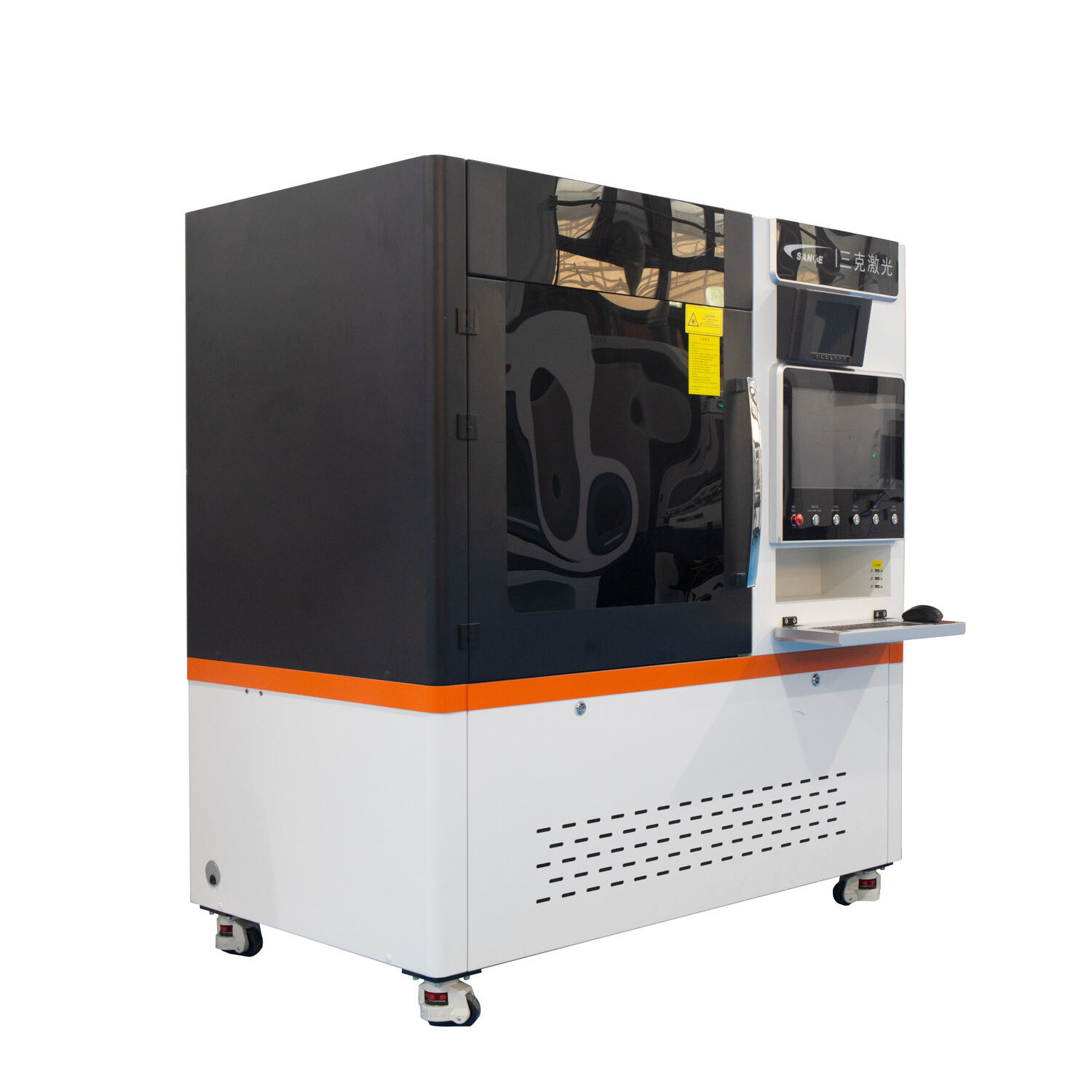
Manufacturing industries today face an increasingly competitive landscape where precision, efficiency, and cost-effectiveness determine success. The debate between laser cutting and traditional cutting methods has become central to production planning across sectors ranging from automotive to aerospace. While conventional techniques like plasma cutting, waterjet cutting, and mechanical shearing have served manufacturers for decades, modern laser cutting technology presents compelling advantages that are reshaping how materials are processed. Understanding the fundamental differences between these approaches enables businesses to make informed decisions that directly impact their bottom line and operational capabilities.
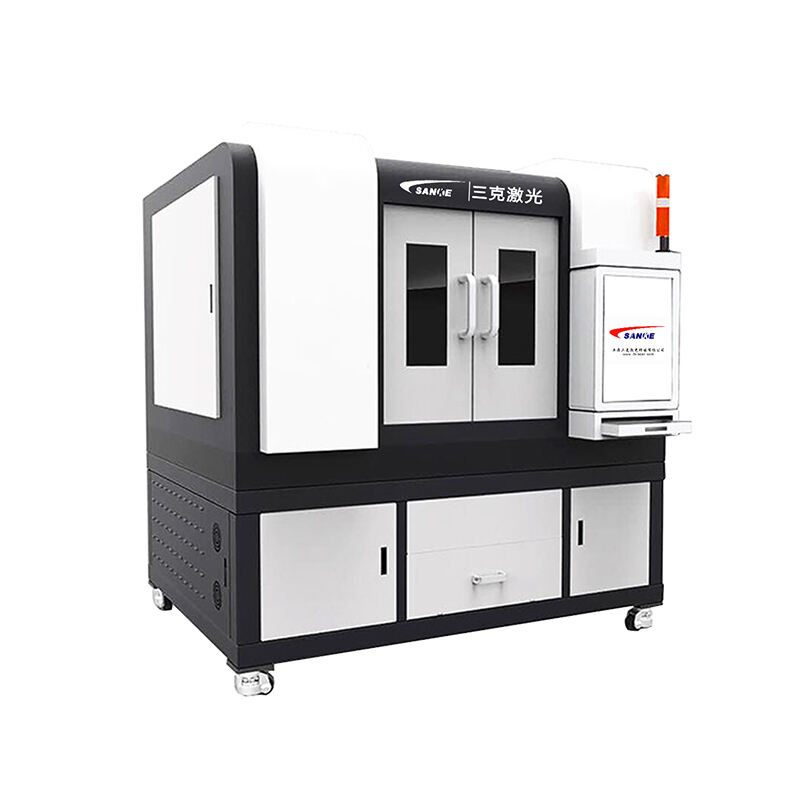
Precision and Accuracy Comparison
Tolerance Capabilities
Laser cutting achieves remarkable precision levels that traditional methods struggle to match consistently. Modern laser systems can maintain tolerances as tight as ±0.003 inches across various material thicknesses, while mechanical cutting methods typically achieve tolerances ranging from ±0.005 to ±0.020 inches depending on the specific technique employed. This superior precision stems from the non-contact nature of laser cutting, which eliminates mechanical forces that can cause material deformation or vibration-induced variations. The concentrated energy beam follows programmed paths with exceptional accuracy, resulting in parts that require minimal secondary processing.
Traditional cutting methods face inherent limitations due to physical tool wear and mechanical constraints. Plasma cutting, while effective for thick materials, produces wider kerfs and heat-affected zones that can compromise dimensional accuracy. Waterjet systems offer excellent precision but operate at significantly slower speeds, particularly when cutting thick sections. Mechanical shearing and punching create parts with good dimensional control but are limited to specific geometries and material thicknesses.
Edge Quality Standards
The edge quality produced by laser cutting surpasses traditional methods in most applications requiring smooth, clean cuts. Laser-cut edges exhibit minimal roughness, typically measuring Ra values below 3.2 micrometers on materials up to moderate thicknesses. This superior surface finish often eliminates the need for secondary finishing operations, reducing overall production time and costs. The controlled heat input of modern laser systems minimizes heat-affected zones, preserving material properties near the cut edge.
Conventional cutting methods produce varying edge qualities depending on the process used. Plasma cutting creates oxidized edges with significant heat-affected zones that may require grinding or machining for critical applications. Waterjet cutting produces excellent edge quality comparable to laser cutting but at substantially slower processing speeds. Mechanical cutting methods like shearing can create clean edges but may produce burrs or slight deformation that requires deburring operations.
Speed and Efficiency Analysis
Cutting Speed Performance
Modern laser cutting systems demonstrate superior cutting speeds across a wide range of material types and thicknesses. Thin sheet metals can be processed at speeds exceeding 2000 inches per minute, while maintaining excellent cut quality throughout the process. The ability to rapidly accelerate and decelerate between cuts, combined with advanced nesting software, maximizes material utilization and minimizes processing time. Automated loading and unloading systems further enhance productivity by reducing manual handling requirements.
Traditional methods exhibit varying speed characteristics depending on the specific process and material requirements. Plasma cutting offers high speeds on thick materials but produces wider kerfs and requires more extensive post-processing. Waterjet cutting, while highly versatile, operates at significantly slower speeds due to the mechanical nature of the abrasive cutting process. Mechanical methods like punching can be extremely fast for simple shapes but lack the flexibility to handle complex geometries without multiple tool changes.
Setup and Programming Efficiency
The programming flexibility of laser cutting systems provides significant advantages in modern manufacturing environments. CAD files can be directly imported and processed with minimal setup time, enabling rapid prototyping and short-run production. Advanced nesting algorithms optimize material usage automatically, reducing waste and improving cost-effectiveness. Quick changeovers between different part geometries eliminate the need for physical tooling changes that traditional methods require.
Traditional cutting methods often involve lengthy setup procedures, particularly when changing between different part configurations. Mechanical systems require tool changes, fixture adjustments, and quality verification procedures that can consume significant production time. Plasma and waterjet systems require material-specific parameter adjustments and may need consumable part replacements between jobs. These setup requirements make traditional methods less suitable for high-mix, low-volume production scenarios.
Material Versatility and Limitations
Compatible Material Types
Laser cutting technology accommodates an extensive range of materials with varying compositions and properties. Metals including carbon steel, stainless steel, aluminum, titanium, and exotic alloys can be processed effectively using appropriate laser parameters. Non-metallic materials such as plastics, composites, ceramics, and even some textiles respond well to laser processing when proper techniques are applied. The ability to switch between materials without significant equipment modifications makes laser cutting highly adaptable to diverse manufacturing requirements.
Traditional methods typically excel with specific material categories but may struggle with material variety. Plasma cutting works exceptionally well with electrically conductive metals but cannot process non-conductive materials effectively. Waterjet systems handle virtually any material but operate most efficiently on harder materials where the abrasive action is most effective. Mechanical cutting methods are generally limited to materials within specific hardness ranges and thickness capabilities.
Thickness Range Capabilities
Modern laser cutting systems handle impressive thickness ranges while maintaining cut quality and processing speeds. Fiber lasers can cut carbon steel up to several inches thick, depending on power levels, while maintaining excellent edge quality on thinner materials. The focused energy delivery allows for precise control over the cutting process across different thickness ranges without requiring significant parameter changes or equipment modifications.
Traditional methods show varying capabilities based on thickness requirements. Plasma cutting excels at processing very thick materials that challenge laser systems but produces wider heat-affected zones and rougher edge finishes. Waterjet cutting can handle extremely thick materials with excellent quality but at correspondingly slower processing speeds. Mechanical methods typically work best within specific thickness ranges where the tooling can effectively shear or punch through the material.
Cost Considerations and Economic Impact
Initial Investment Requirements
The capital investment for laser cutting equipment varies significantly based on power levels, automation features, and precision requirements. Entry-level systems suitable for small to medium operations can provide excellent return on investment through improved productivity and reduced labor requirements. High-power industrial systems represent substantial investments but offer correspondingly greater production capabilities and long-term cost savings through reduced operational expenses.
Traditional cutting equipment often requires lower initial investments but may necessitate multiple machines to handle diverse cutting requirements. Plasma cutting systems offer relatively low entry costs but require ongoing consumable expenses and may need additional finishing equipment. Mechanical cutting equipment can be cost-effective for high-volume, simple geometries but lacks the flexibility to adapt to changing production requirements without additional tooling investments.
Operating Cost Analysis
Operating costs for laser cutting primarily involve electrical consumption, assist gas usage, and periodic maintenance requirements. Modern fiber laser systems offer excellent electrical efficiency compared to older CO2 technology, reducing energy costs significantly. The elimination of consumable cutting tools and reduced secondary processing requirements contribute to lower overall operating expenses. Predictable maintenance schedules and longer component lifespans help control ongoing operational costs.
Traditional methods involve varying operational cost structures depending on the specific process employed. Plasma systems require regular consumable part replacements and generate higher electrical consumption per unit of material processed. Waterjet operations involve ongoing abrasive material costs and high-pressure pump maintenance requirements. Mechanical systems require tool replacement, sharpening, and adjustment procedures that add to operational expenses while limiting production flexibility.
Quality and Repeatability Factors
Consistency Across Production Runs
Laser cutting systems deliver exceptional consistency across extended production runs due to their computer-controlled nature and minimal mechanical wear components. The precise control over energy delivery ensures that part-to-part variation remains within tight tolerances throughout production cycles. Advanced monitoring systems can detect and compensate for minor variations in material properties or environmental conditions, maintaining consistent quality standards.
Traditional methods may experience gradual quality degradation as production runs progress due to tool wear, thermal effects, or mechanical adjustments. Maintaining consistent quality requires regular monitoring, adjustment procedures, and periodic tool replacement or sharpening. The human factor involved in many traditional processes can introduce variability that affects overall production quality and repeatability.
Heat Affected Zone Management
Advanced laser cutting technology minimizes heat-affected zones through precise control over energy delivery and cutting parameters. Modern systems can adjust power levels, pulse timing, and assist gas flow to optimize thermal management for specific materials and applications. This controlled heat input preserves material properties adjacent to the cut edge, eliminating the need for extensive post-processing in many applications.
Traditional thermal cutting methods typically produce larger heat-affected zones that can alter material properties and require additional finishing operations. Plasma cutting creates significant thermal effects that may necessitate stress relieving or machining operations for critical applications. Mechanical cutting methods avoid thermal effects entirely but may introduce mechanical stresses or work hardening that affects subsequent processing operations.
Environmental and Safety Considerations
Environmental Impact Assessment
Modern laser cutting operations generate minimal environmental impact compared to many traditional manufacturing processes. The precise material removal reduces waste generation, while advanced filtration systems capture and process any fumes or particulates produced during cutting. Energy-efficient fiber laser technology reduces overall power consumption while maintaining high productivity levels. The elimination of cutting fluids and lubricants further reduces environmental concerns associated with waste disposal and contamination.
Traditional cutting methods may present various environmental challenges depending on the specific process employed. Plasma cutting can generate significant fumes and requires substantial ventilation systems to maintain air quality standards. Waterjet operations produce contaminated abrasive waste that requires proper disposal procedures. Mechanical cutting may involve cutting fluids, lubricants, and metal shavings that need appropriate handling and recycling procedures.
Workplace Safety Standards
Safety systems integrated into modern laser cutting equipment provide comprehensive protection for operators and facility personnel. Interlocked safety enclosures, beam containment systems, and emergency stop mechanisms ensure safe operation under normal and emergency conditions. Automated material handling reduces manual lifting and positioning requirements, minimizing ergonomic risks and potential injuries. Advanced monitoring systems can detect unsafe conditions and automatically shut down operations when necessary.
Traditional cutting methods present various safety considerations that require careful management and training procedures. Plasma systems involve high electrical voltages and intense electromagnetic fields that require appropriate shielding and safety protocols. Mechanical cutting equipment presents crush and shear hazards that demand proper guarding and safety procedures. The manual material handling requirements of many traditional processes increase the risk of repetitive stress injuries and lifting-related accidents.
Future Technology Trends
Technological Advancement Trajectories
The evolution of laser cutting technology continues to accelerate with developments in power scaling, beam quality improvement, and process automation integration. Artificial intelligence and machine learning applications are beginning to optimize cutting parameters automatically based on material properties and quality requirements. Industry 4.0 connectivity enables real-time monitoring, predictive maintenance, and seamless integration with manufacturing execution systems for enhanced productivity and quality control.
Traditional cutting technologies face limitations in adaptation to modern manufacturing requirements due to their fundamental mechanical or thermal processes. While incremental improvements continue in areas like consumable life extension and automation integration, the basic operational principles remain unchanged. The flexibility required for modern manufacturing applications increasingly favors technologies that can adapt rapidly to changing requirements without extensive reconfiguration or retooling.
Market Adoption Patterns
Manufacturing industries are increasingly adopting laser cutting technology as primary production methods rather than secondary processes. The combination of improved capabilities, reduced costs, and enhanced reliability has made laser cutting accessible to smaller manufacturers previously limited to traditional methods. Integration with automated material handling, robotic systems, and advanced software packages creates comprehensive manufacturing solutions that address multiple production requirements simultaneously.
Traditional methods remain viable for specific applications where their particular strengths align with production requirements. However, the trend toward increased customization, shorter lead times, and higher quality standards favors technologies that offer maximum flexibility and precision. The ongoing development of laser cutting capabilities continues to expand the range of applications where this technology provides optimal solutions for modern manufacturing challenges.
FAQ
What factors determine whether laser cutting or traditional methods are more cost-effective?
Cost-effectiveness depends on production volume, part complexity, material type, and quality requirements. Laser cutting typically offers better economics for complex geometries, mixed production runs, and applications requiring minimal secondary processing. Traditional methods may be more economical for very high volumes of simple shapes or extremely thick materials where laser cutting capabilities are exceeded.
How do setup times compare between laser cutting and traditional cutting methods?
Laser cutting systems generally require minimal setup time since programming changes can be made through software without physical tool changes. Traditional methods often involve significant setup procedures including tool installation, fixture adjustments, and calibration procedures. This advantage makes laser cutting particularly suitable for short production runs and prototype development where setup time represents a significant portion of total production cost.
Can laser cutting handle the same material thicknesses as traditional methods?
Laser cutting capabilities have expanded significantly with higher power systems now handling substantial material thicknesses while maintaining excellent cut quality. However, some traditional methods like plasma cutting and waterjet still excel at processing extremely thick sections. The choice depends on specific thickness requirements, desired edge quality, and acceptable processing speeds for the application.
What maintenance requirements distinguish laser cutting from traditional cutting methods?
Laser cutting systems require periodic lens cleaning, gas supply monitoring, and scheduled component replacement but generally involve less frequent maintenance than traditional methods. Traditional cutting equipment often requires regular tool sharpening, consumable part replacement, and mechanical adjustments that can interrupt production schedules. The predictable maintenance requirements of laser systems enable better production planning and reduced downtime.
Table of Contents
- Precision and Accuracy Comparison
- Speed and Efficiency Analysis
- Material Versatility and Limitations
- Cost Considerations and Economic Impact
- Quality and Repeatability Factors
- Environmental and Safety Considerations
- Future Technology Trends
-
FAQ
- What factors determine whether laser cutting or traditional methods are more cost-effective?
- How do setup times compare between laser cutting and traditional cutting methods?
- Can laser cutting handle the same material thicknesses as traditional methods?
- What maintenance requirements distinguish laser cutting from traditional cutting methods?