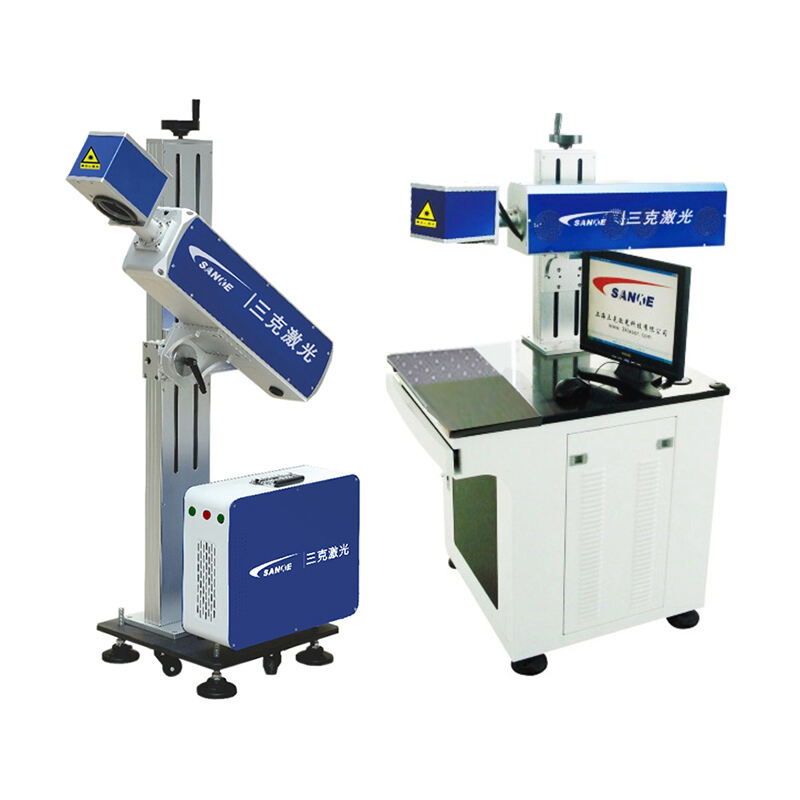
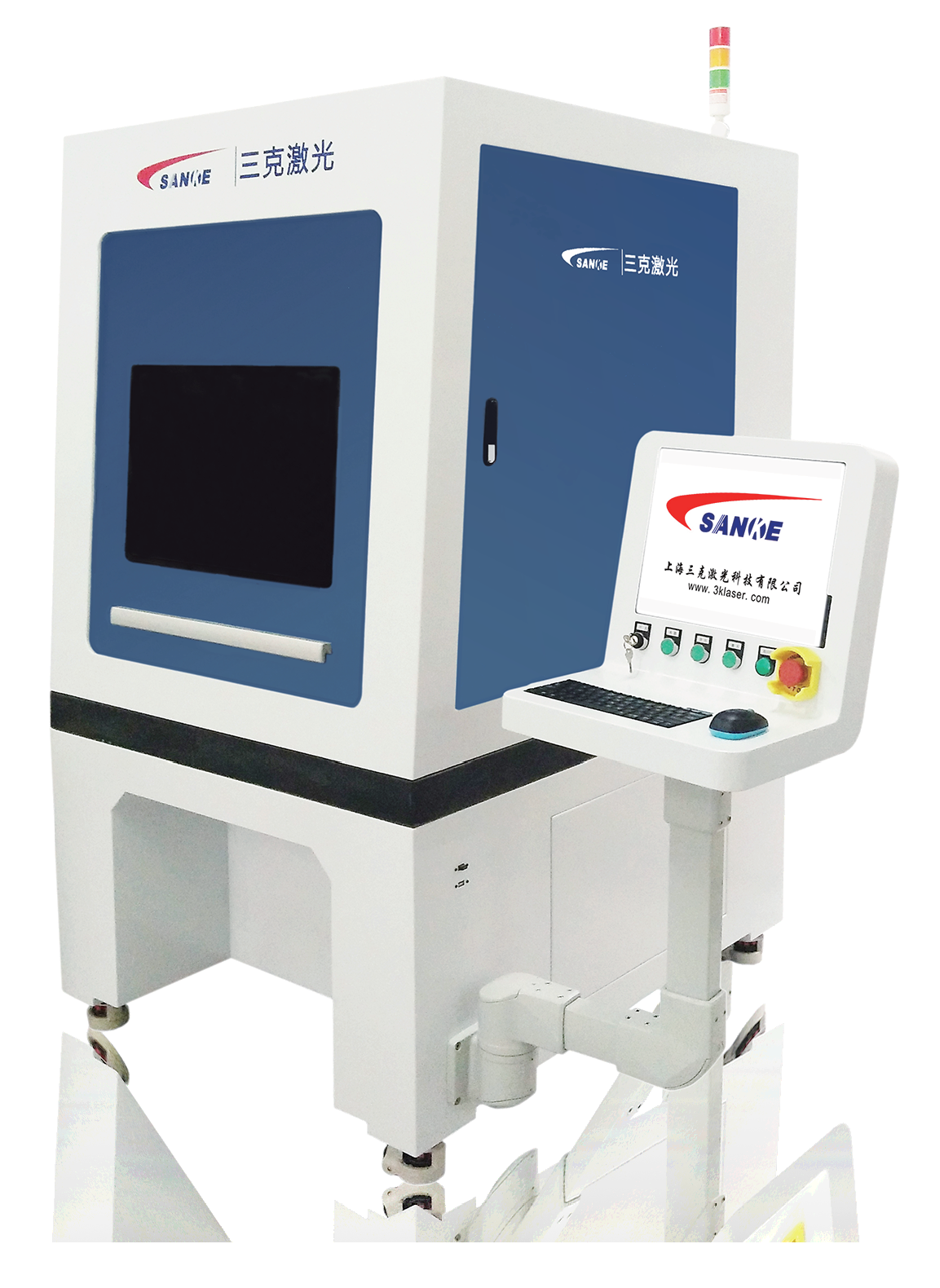
laser engraving machine on wood
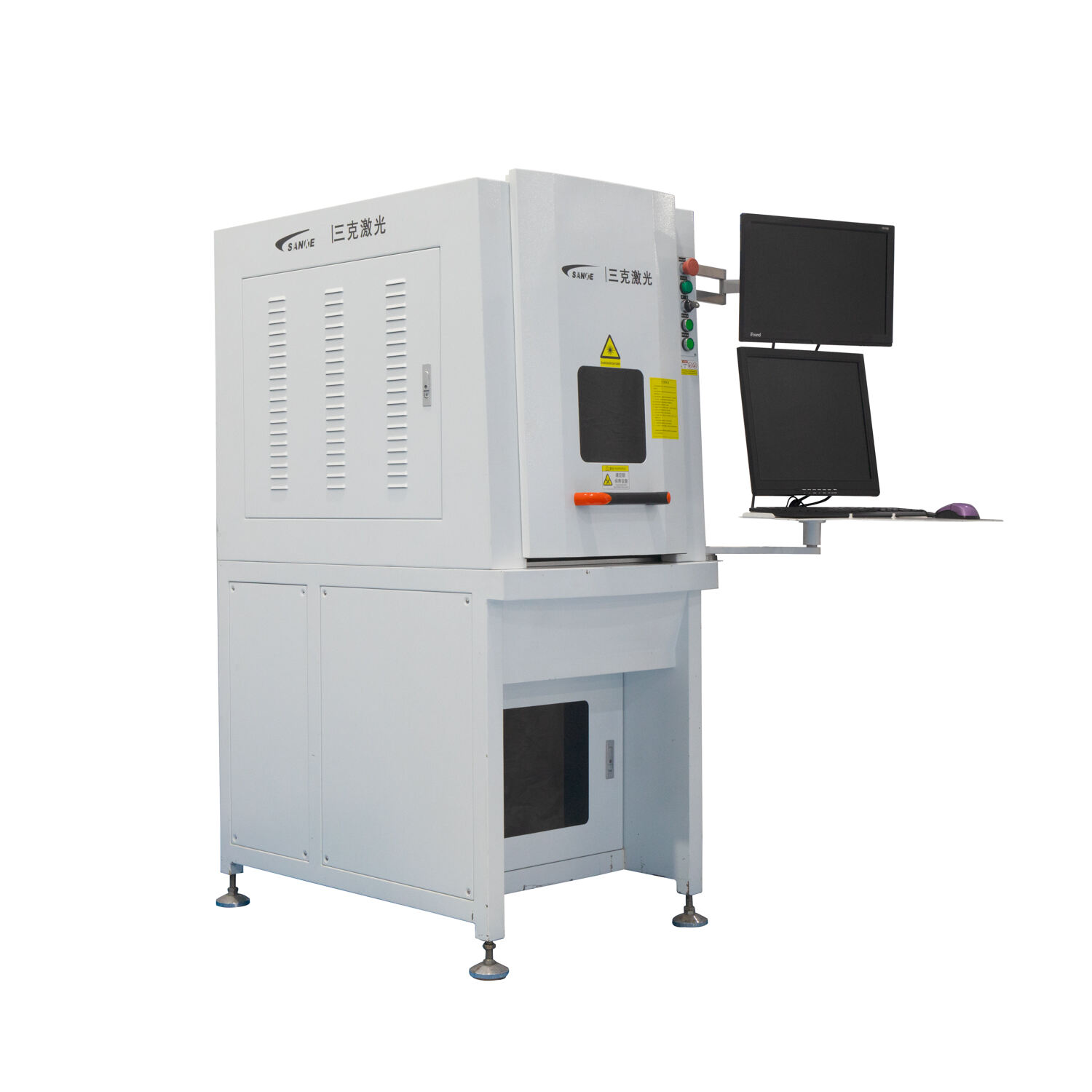
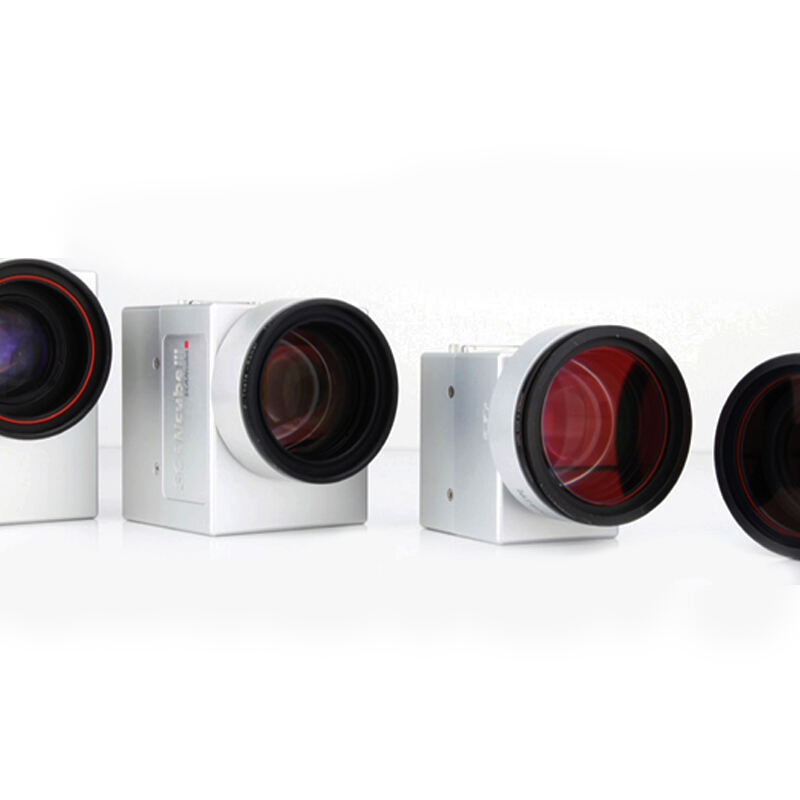
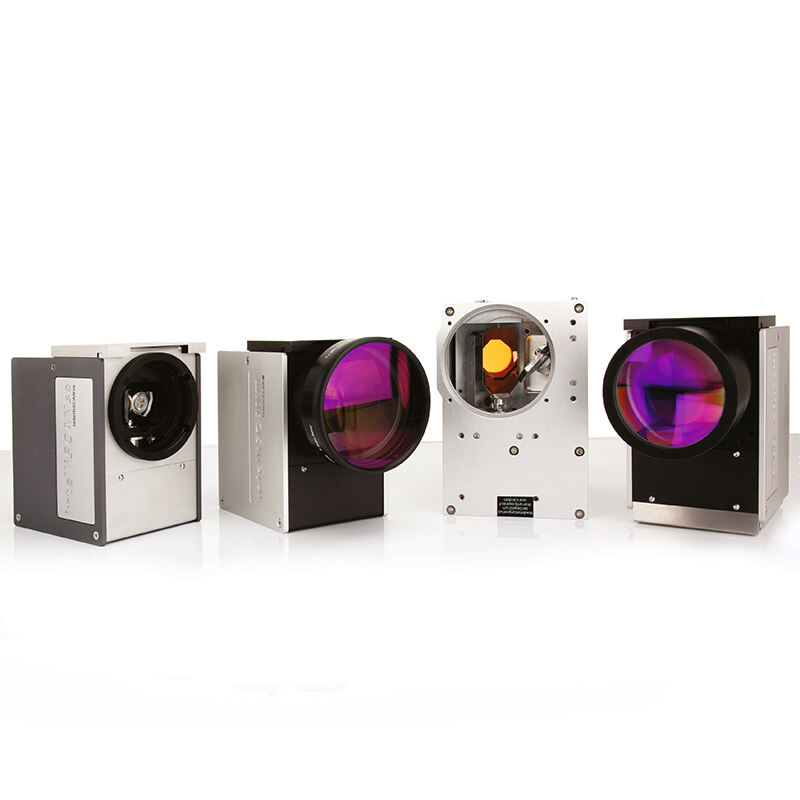
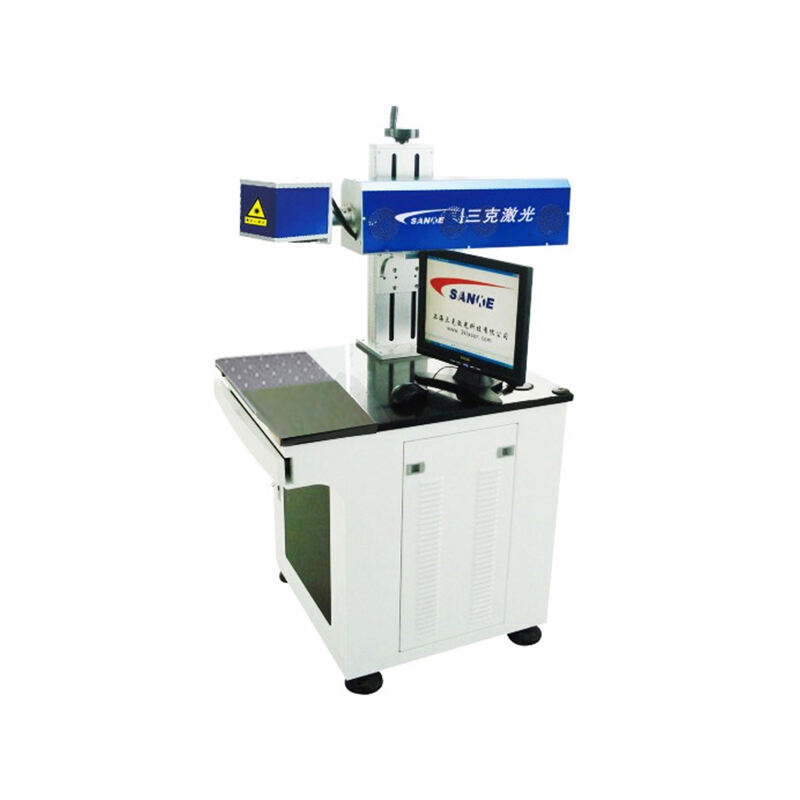
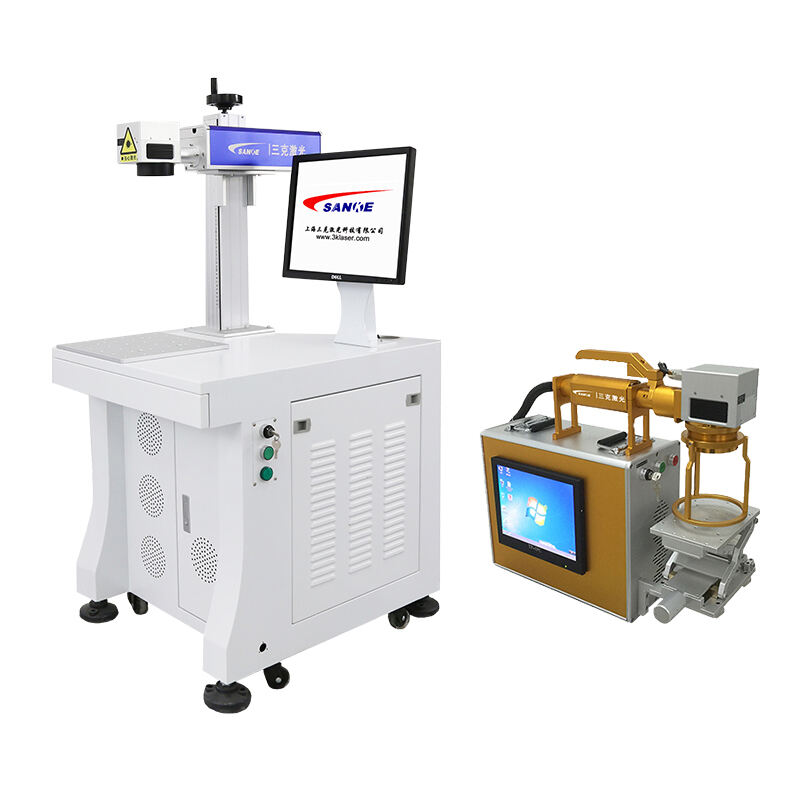
The laser engraving machine on wood represents a revolutionary advancement in woodworking technology, combining precision engineering with versatile functionality to deliver exceptional results for both professional craftsmen and hobbyists. This sophisticated equipment utilizes focused laser beams to create intricate designs, patterns, and text on various wood surfaces with unmatched accuracy and consistency. The core technology behind the laser engraving machine on wood employs concentrated light energy that selectively removes or burns material to achieve desired markings, making it an indispensable tool for modern woodworking applications. The machine operates through computer-controlled systems that translate digital designs into precise physical engravings, ensuring reproducible results every time. Key technological features include adjustable power settings that accommodate different wood densities and types, from softwoods like pine and cedar to hardwoods such as oak and maple. The laser engraving machine on wood typically incorporates advanced cooling systems to maintain optimal operating temperatures and prevent material warping during extended use sessions. Safety features are paramount, with enclosed working chambers, emergency stop mechanisms, and protective eyewear requirements. The versatility of applications spans across multiple industries and personal projects, including custom signage creation for businesses, personalized gift manufacturing, architectural model detailing, furniture decoration, and artistic expression. Educational institutions utilize these machines for teaching design principles and manufacturing processes. The laser engraving machine on wood supports various file formats, allowing seamless integration with popular design software programs. Maintenance requirements remain minimal, with regular cleaning of optical components and periodic calibration ensuring consistent performance. The precision capabilities extend to fine detail work, achieving line widths as narrow as 0.1 millimeters while maintaining clean edges without tear-out or splintering common in traditional cutting methods.
 EN
EN
 AR
AR
 FR
FR
 DE
DE
 JA
JA
 KO
KO
 RU
RU
 ES
ES