Exceptional Versatility Across Glass Types and Applications
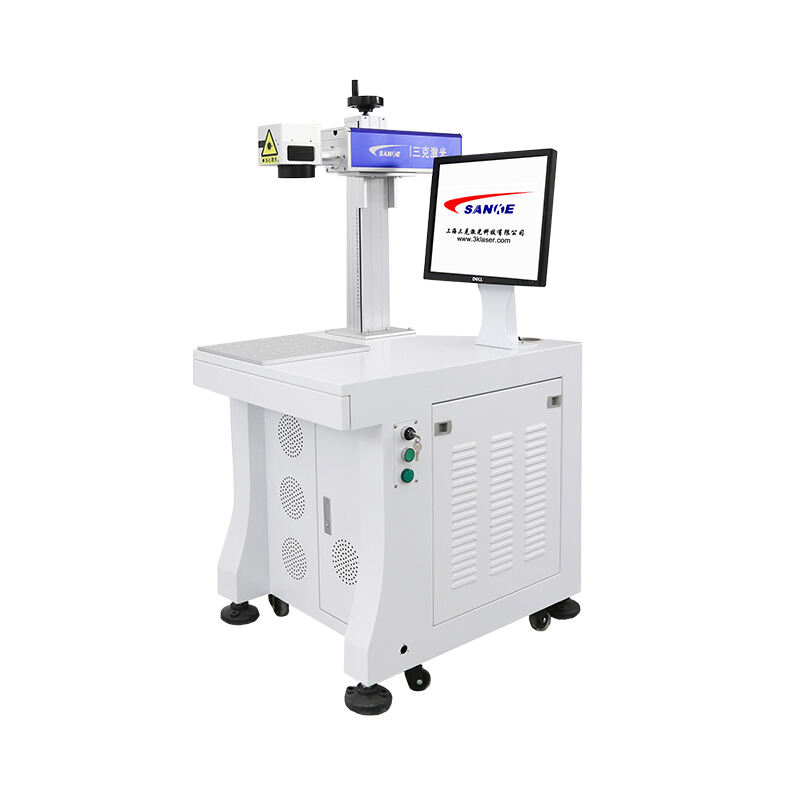
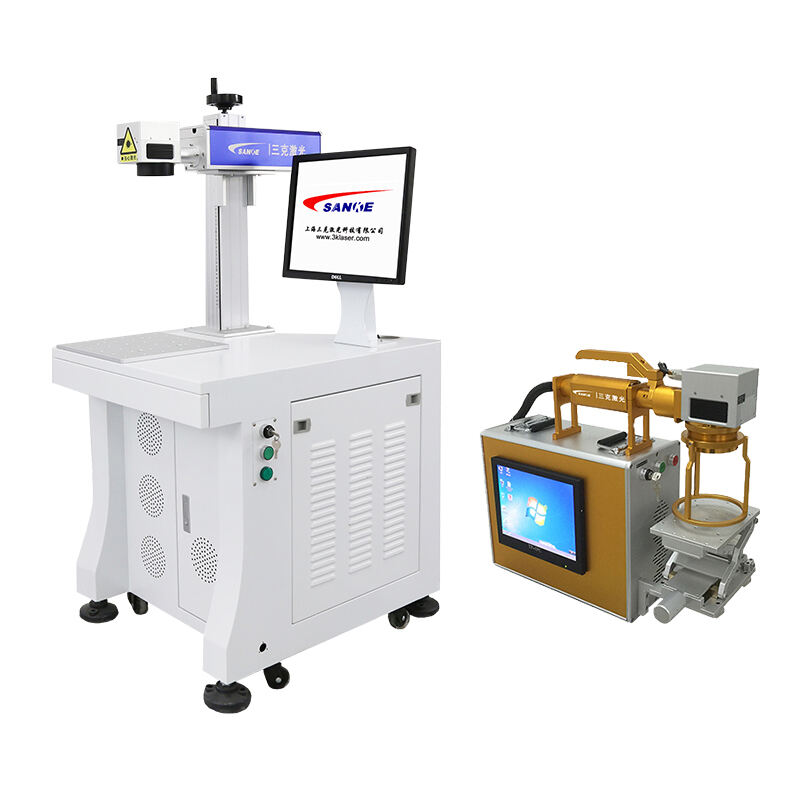
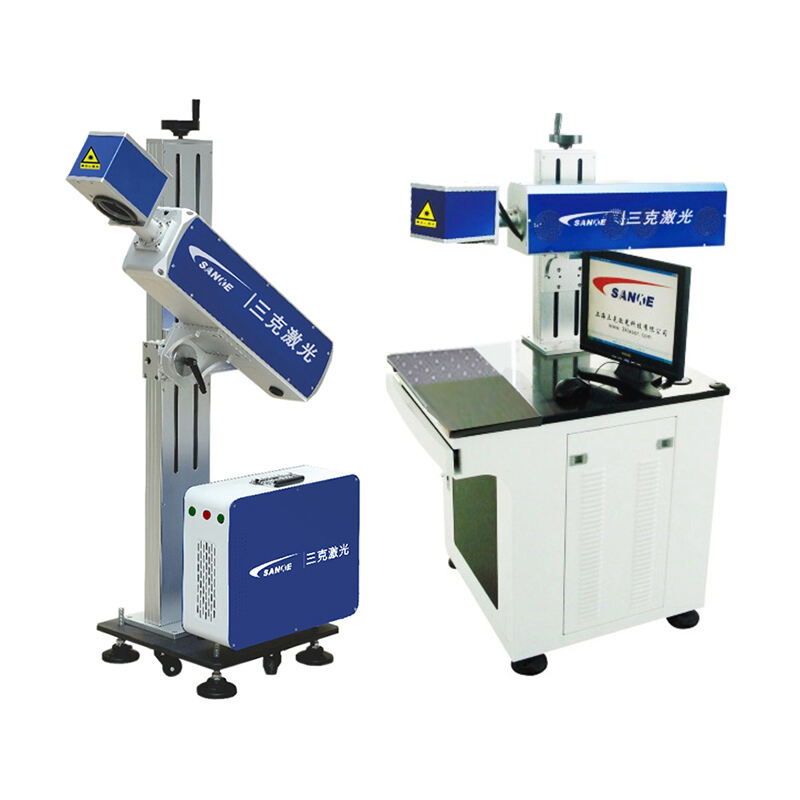
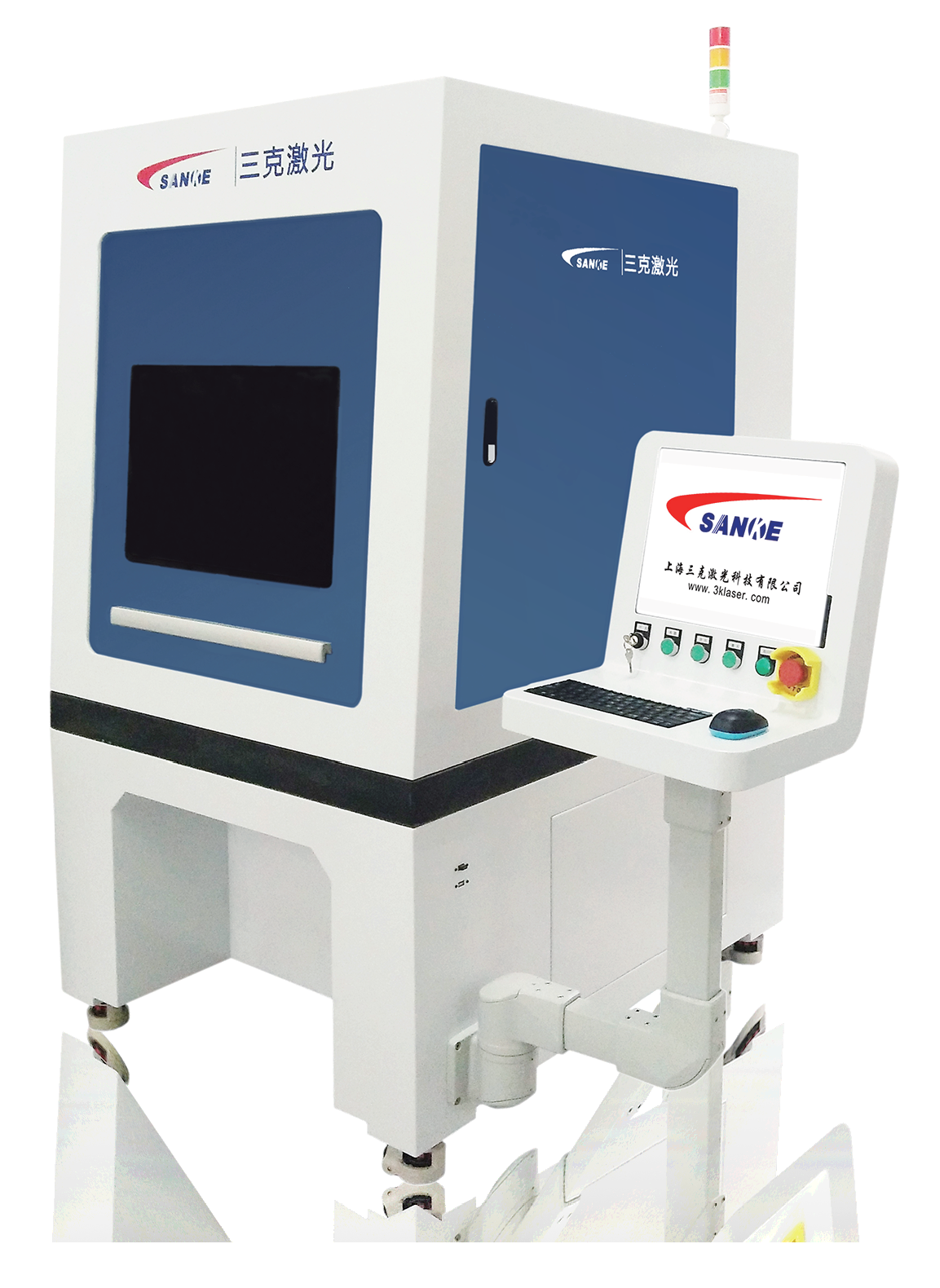
The laser engraving machine for glass demonstrates remarkable versatility that enables businesses to serve diverse markets and applications with a single equipment investment. This adaptability covers an extensive range of glass materials including soda-lime glass, borosilicate, crystal, tempered safety glass, optical glass, and specialty compositions used in electronics and scientific applications. The adjustable laser parameters allow optimization for each material type, ensuring proper engraving depth and surface finish regardless of glass composition or thermal properties. Thickness versatility ranges from delicate 1-millimeter decorative glass to robust architectural panels exceeding 20 millimeters, accommodating projects spanning jewelry components to building facades. The laser engraving machine for glass handles various surface conditions including polished, frosted, coated, and textured glasses without requiring different tools or extensive recalibration procedures. Shape flexibility accommodates flat panels, curved surfaces, cylindrical objects, and irregular geometries through advanced fixture systems and rotary attachments that position items optimally for laser access. Application versatility spans decorative arts, industrial marking, architectural elements, promotional products, awards and recognition items, automotive components, electronics manufacturing, and scientific instrument fabrication. The non-contact processing nature eliminates concerns about material hardness variations that plague mechanical systems, allowing consistent results across glass types with dramatically different physical properties. Software compatibility supports multiple file formats including vector graphics, bitmap images, and text files, enabling direct import from various design programs without conversion requirements. The laser engraving machine for glass accommodates both surface decoration and functional marking applications, from artistic patterns enhancing aesthetic appeal to regulatory codes ensuring compliance and traceability. This versatility translates into business flexibility, allowing companies to pivot between market segments, accept diverse project types, and capitalize on emerging opportunities without additional equipment investments or extensive operator retraining requirements.
 EN
EN
 AR
AR
 FR
FR
 DE
DE
 JA
JA
 KO
KO
 RU
RU
 ES
ES