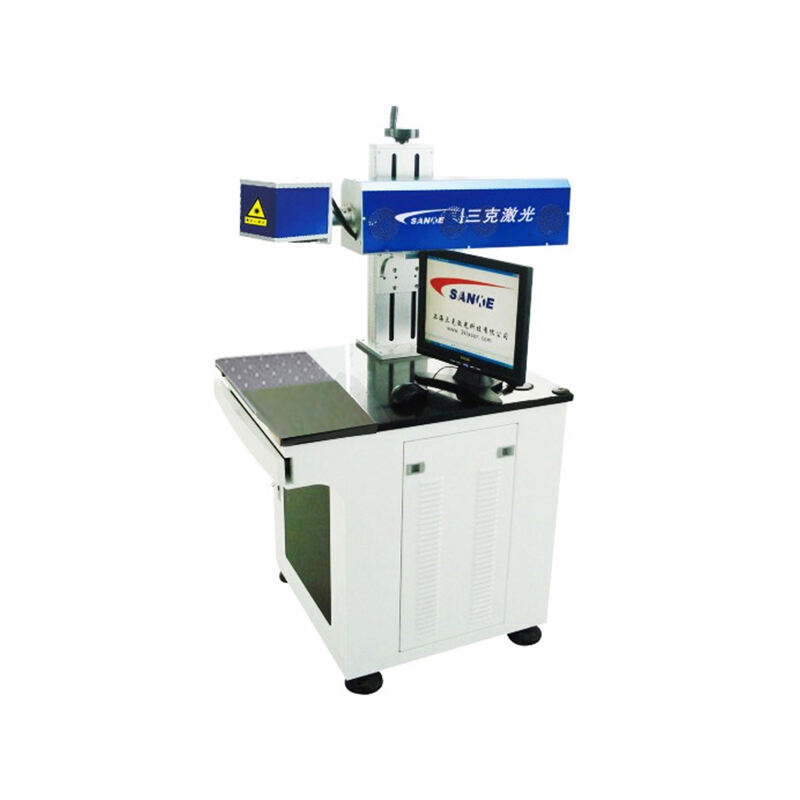
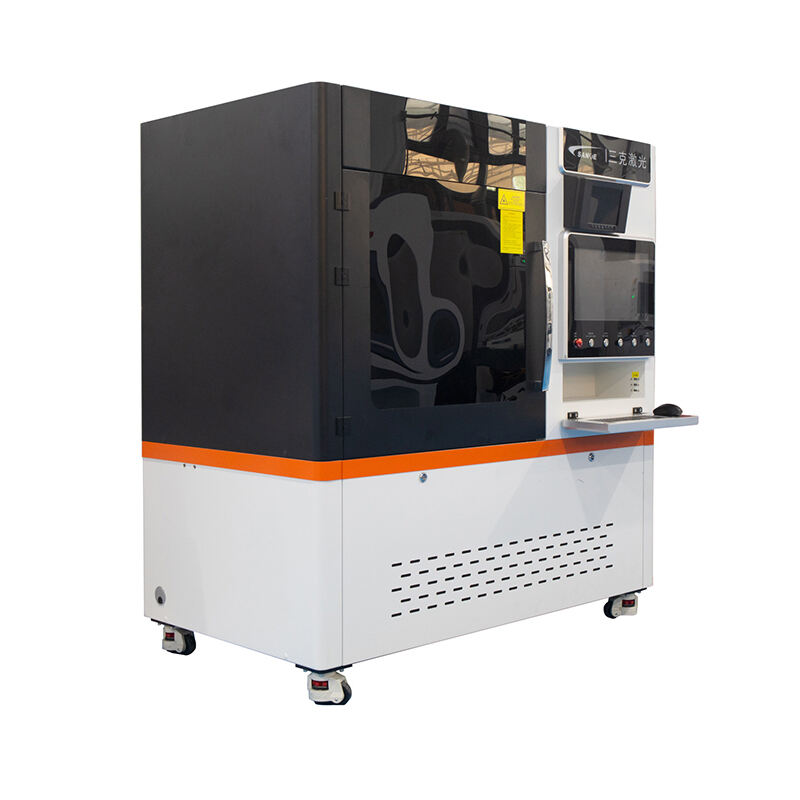
laser engraving machine on glass-0

Professional Laser Engraving Machine on Glass - Precision Glass Marking Solutions

Get a Free Quote

Our representative will contact you soon.
Email
Name
Company Name
Message
0/1000

laser engraving machine on glass

A laser engraving machine on glass represents cutting-edge precision technology that transforms ordinary glass surfaces into stunning decorative and functional pieces. This sophisticated equipment utilizes focused laser beams to create permanent markings, patterns, and designs on various glass types including tempered glass, crystal, mirrors, and borosilicate materials. The laser engraving machine on glass operates through controlled thermal processing, where concentrated light energy vaporizes microscopic glass particles to form desired impressions without compromising structural integrity. Modern laser engraving machines feature advanced CO2 or fiber laser systems that deliver exceptional accuracy with beam widths as narrow as 0.1mm. These machines incorporate computer-controlled positioning systems, enabling operators to execute intricate designs with remarkable consistency. Temperature regulation mechanisms prevent thermal stress that could cause glass cracking during the engraving process. The technological architecture includes high-resolution scanning systems, adjustable power settings, and variable speed controls that accommodate different glass thicknesses and compositions. Safety features such as enclosed working chambers, fume extraction systems, and emergency stop mechanisms ensure operator protection during operation. The laser engraving machine on glass supports various file formats including vector graphics, bitmap images, and CAD drawings, making it versatile for diverse creative applications. Industries ranging from architectural glazing to personalized gift manufacturing rely on these machines for producing custom glass products. Educational institutions utilize laser engraving machines for creating laboratory glassware markings and scientific equipment identification. The automotive industry employs this technology for windshield etching and component marking. Hospitality businesses use laser engraving machines to create branded glassware and decorative panels. The precision capabilities extend to creating barcodes, serial numbers, and regulatory compliance markings on glass products, making these machines indispensable for manufacturing quality control and traceability requirements.

New Product Releases

The laser engraving machine on glass delivers exceptional precision that traditional engraving methods cannot match. Unlike mechanical engraving tools that can chip or crack glass surfaces, laser technology creates clean, permanent markings without physical contact. This non-contact approach eliminates tool wear and reduces maintenance costs significantly. Operators experience consistent results across thousands of engraving cycles without quality degradation. The precision extends to creating intricate details as small as 0.05mm, enabling complex logo reproduction and fine text engraving that remains crisp and legible. Speed represents another compelling advantage of laser engraving machines. Projects that previously required hours using conventional methods now complete in minutes. Batch processing capabilities allow simultaneous engraving of multiple glass pieces, dramatically increasing productivity for commercial operations. The automated nature of laser engraving reduces labor costs while improving output consistency. Setup time between different projects remains minimal, as operators simply load new design files and adjust basic parameters. Versatility sets laser engraving machines apart from specialized glass processing equipment. A single machine handles various glass types, thicknesses, and shapes without requiring tool changes or extensive recalibration. Curved surfaces, cylindrical objects, and irregularly shaped glass pieces engrave with equal precision. The laser engraving machine on glass accommodates both surface etching for decorative purposes and deep engraving for functional applications like measuring scales or identification marks. Material compatibility extends beyond standard glass to include crystal, acrylic, and specialized optical materials. Cost-effectiveness becomes apparent through reduced material waste and eliminated setup costs. Traditional engraving methods often require expensive templates, stencils, or specialized tooling for each unique design. Laser engraving machines work directly from digital files, eliminating these preparatory expenses. The precision of laser engraving minimizes material rejection rates, as consistent quality reduces production errors. Energy efficiency of modern laser systems keeps operational costs low compared to alternative manufacturing processes. Environmental benefits include elimination of chemical etching processes and reduction of physical waste materials. The laser engraving machine on glass produces no toxic byproducts and requires minimal consumables beyond electrical power. This clean operation makes laser engraving suitable for indoor manufacturing environments without special ventilation requirements. Customization capabilities enable on-demand production of unique designs without minimum order quantities, making laser engraving ideal for personalized products and small-batch manufacturing.

Practical Tips

What industries benefit most from laser welding technology?

19

Nov

What industries benefit most from laser welding technology?

Modern manufacturing has witnessed a revolutionary shift in welding technology as industries increasingly adopt advanced laser welding systems. The laser welding machine represents a significant technological leap from conventional welding methods, o...
View More
How Do Different Laser Sources Impact the Efficiency of Industrial Processes?

19

Nov

How Do Different Laser Sources Impact the Efficiency of Industrial Processes?

Industrial manufacturing has undergone a revolutionary transformation with the integration of advanced laser technology, where different laser sources serve as the cornerstone of precision processing across numerous sectors. The selection of appropri...
View More
Field Lens Technology: Latest Innovations Explained

21

Oct

Field Lens Technology: Latest Innovations Explained

Revolutionary Advances in Optical Engineering The evolution of field lens technology represents one of the most significant breakthroughs in modern optical engineering. These sophisticated optical elements have transformed how we capture, process, an...
View More
2025 Guide: How to Choose the Perfect Beam Expander

21

Oct

2025 Guide: How to Choose the Perfect Beam Expander

Understanding the Critical Role of Beam Expanders in Modern Optics The optical industry continues to evolve at a rapid pace, and beam expanders have become indispensable components in numerous applications, from laser processing to advanced microscop...
View More

Get a Free Quote

Our representative will contact you soon.
Email
Name
Company Name
Message
0/1000

laser engraving machine on glass

Unmatched Precision and Quality Control

Unmatched Precision and Quality Control

The precision capabilities of a laser engraving machine on glass represent a quantum leap beyond traditional engraving methods, delivering microscopic accuracy that transforms how manufacturers approach glass customization. This extraordinary precision stems from advanced beam control systems that maintain consistent focus across the entire working surface, ensuring uniform engraving depth and clarity regardless of design complexity. The laser beam diameter can be controlled to create line widths as narrow as 0.025mm, enabling reproduction of intricate details that would be impossible with mechanical engraving tools. This level of precision proves invaluable for applications requiring exact specifications, such as scientific glassware calibration marks, pharmaceutical vial identification codes, or luxury product branding where image quality directly impacts perceived value. The computer-controlled positioning system eliminates human error variables that plague manual engraving processes. Repeatability accuracy reaches ±0.01mm, meaning identical designs produced weeks apart maintain perfect consistency. This reliability becomes crucial for manufacturers producing series of matching products or replacement components that must integrate seamlessly with existing systems. Quality control benefits extend beyond dimensional accuracy to include surface finish consistency. The laser engraving machine on glass creates uniform surface textures that enhance light refraction properties, making engraved areas more visible and aesthetically pleasing. Unlike sandblasting or acid etching that can create uneven surface profiles, laser engraving produces smooth, controlled textures that feel pleasant to touch while maintaining optical clarity in surrounding areas. The non-contact nature of laser engraving prevents mechanical stress that could introduce microscopic cracks or structural weaknesses. This advantage proves particularly important when working with tempered glass or thin materials where mechanical pressure could cause catastrophic failure. The thermal processing occurs within such a small area and brief timeframe that heat-affected zones remain minimal, preserving the glass integrity throughout the engraving process. Advanced laser systems incorporate real-time monitoring capabilities that detect variations in material properties or environmental conditions, automatically adjusting parameters to maintain consistent results. This intelligent control ensures optimal engraving quality regardless of ambient temperature fluctuations or minor variations in glass composition.
Exceptional Speed and Productivity Enhancement

Exceptional Speed and Productivity Enhancement

The speed advantages of a laser engraving machine on glass revolutionize production workflows by delivering rapid processing times that dramatically outpace conventional engraving methods while maintaining superior quality standards. Modern laser systems achieve engraving speeds exceeding 2000mm per minute for simple designs, with complex patterns still completing in fractions of the time required by traditional methods. This remarkable speed stems from the instantaneous nature of laser processing, where material removal occurs through rapid vaporization rather than gradual mechanical cutting or chemical etching processes that require extended processing periods. The productivity enhancement extends beyond raw engraving speed to encompass reduced setup and changeover times between different projects. Traditional engraving methods often require extensive preparation including template creation, tool selection, and machine recalibration for each new design. Laser engraving machines eliminate these bottlenecks by working directly from digital files, enabling operators to switch between completely different designs in seconds rather than hours. This flexibility proves invaluable for businesses handling diverse custom orders or rapid prototyping requirements where time-to-market represents a competitive advantage. Batch processing capabilities multiply the speed advantages by enabling simultaneous engraving of multiple glass pieces. Advanced laser engraving machines feature large working areas that accommodate dozens of small items or several large pieces in a single processing cycle. Automated loading systems further enhance productivity by allowing continuous operation with minimal operator intervention. The laser engraving machine on glass can operate unattended during lengthy production runs, freeing skilled operators to focus on setup, quality control, and other value-added activities. The consistent processing speed eliminates the variability associated with manual operations where operator fatigue or skill differences can impact production rates. Laser systems maintain optimal performance throughout extended operating periods without degradation in speed or quality. This reliability enables accurate production planning and delivery scheduling, crucial factors for businesses operating under tight deadlines or just-in-time manufacturing principles. Energy efficiency contributes to overall productivity by reducing operational costs per engraved piece. Modern laser systems optimize power consumption by adjusting output levels based on material requirements and design complexity. Standby modes minimize energy usage during idle periods, while rapid startup capabilities eliminate lengthy warmup procedures that delay production start times.
Versatile Applications and Material Compatibility

Versatile Applications and Material Compatibility

The versatility of a laser engraving machine on glass extends far beyond simple surface marking to encompass a comprehensive range of applications across diverse industries, making it an invaluable investment for businesses seeking to expand their service offerings or improve manufacturing capabilities. This remarkable adaptability stems from sophisticated control systems that automatically adjust laser parameters based on material properties, thickness variations, and desired engraving characteristics. The machine handles everything from delicate wine glasses requiring subtle decorative touches to thick architectural glass panels needing deep identification markings, all with equal precision and reliability. Material compatibility represents one of the strongest advantages of laser engraving technology. While the primary focus involves various glass types including soda-lime, borosilicate, tempered, and lead crystal compositions, the laser engraving machine on glass also processes related materials such as acrylic, polycarbonate, and specialized optical substrates. This broad compatibility eliminates the need for multiple specialized machines, reducing capital investment requirements while maximizing production flexibility. Different glass compositions respond uniquely to laser energy, and advanced systems automatically compensate for these variations to maintain consistent engraving quality across diverse material types. The application spectrum spans numerous industries and use cases, from personalized consumer products to industrial manufacturing requirements. Architectural applications include decorative panels, privacy screens, and building identification systems where durability and weather resistance are paramount. The automotive industry relies on laser engraving for windshield identification, component marking, and decorative trim elements that must withstand extreme environmental conditions. Medical device manufacturers use laser engraving for instrument calibration marks, lot identification, and regulatory compliance markings that require permanent visibility throughout product lifecycles. The hospitality industry embraces laser engraving for creating branded glassware, awards, and decorative elements that enhance customer experiences while building brand recognition. Gift and trophy manufacturers utilize the technology for personalization services that command premium pricing due to the permanent, high-quality results that laser engraving delivers. Scientific and laboratory applications include graduated cylinder markings, test tube identification, and specialized measurement scales that require exceptional accuracy and durability. The laser engraving machine on glass accommodates both functional and decorative requirements, creating everything from utilitarian identification marks to elaborate artistic designs that showcase creative possibilities while maintaining practical functionality.

Get a Free Quote

Our representative will contact you soon.
Email
Name
Company Name
Message
0/1000