laser cutting ceramics-0

Advanced Laser Cutting Ceramics Technology - Precision Manufacturing Solutions

Get a Free Quote

Our representative will contact you soon.
Email
Name
Company Name
Message
0/1000

laser cutting ceramics

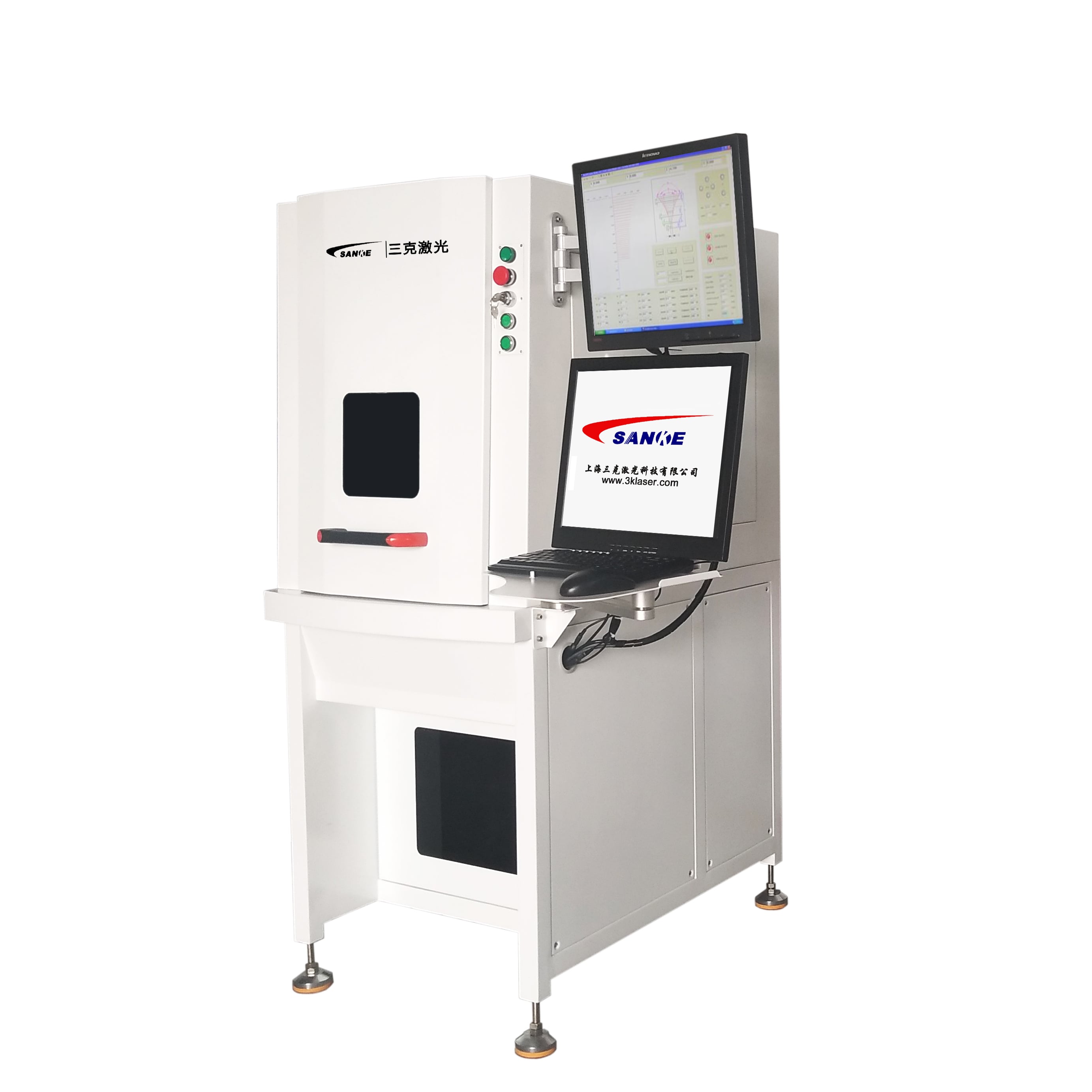
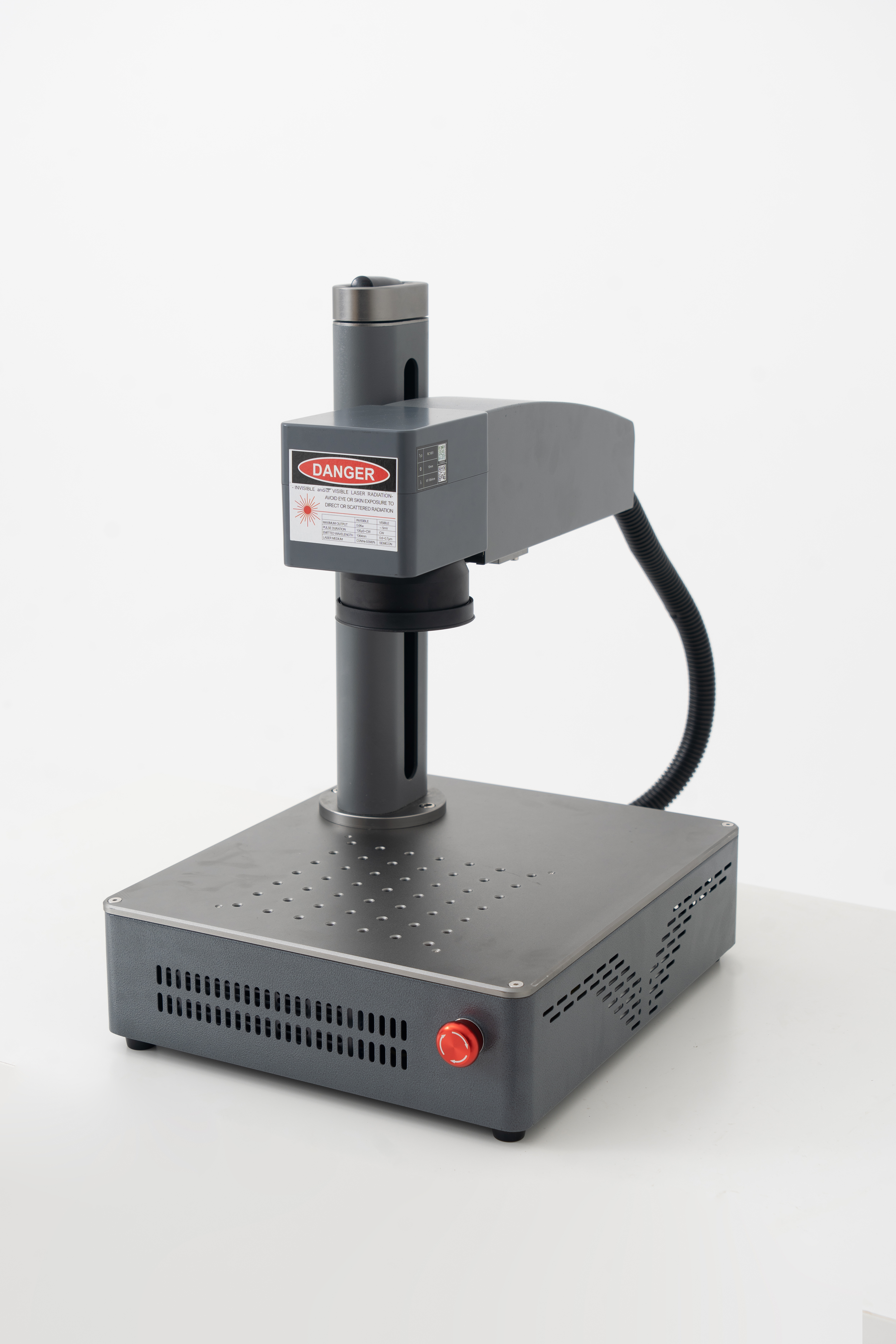
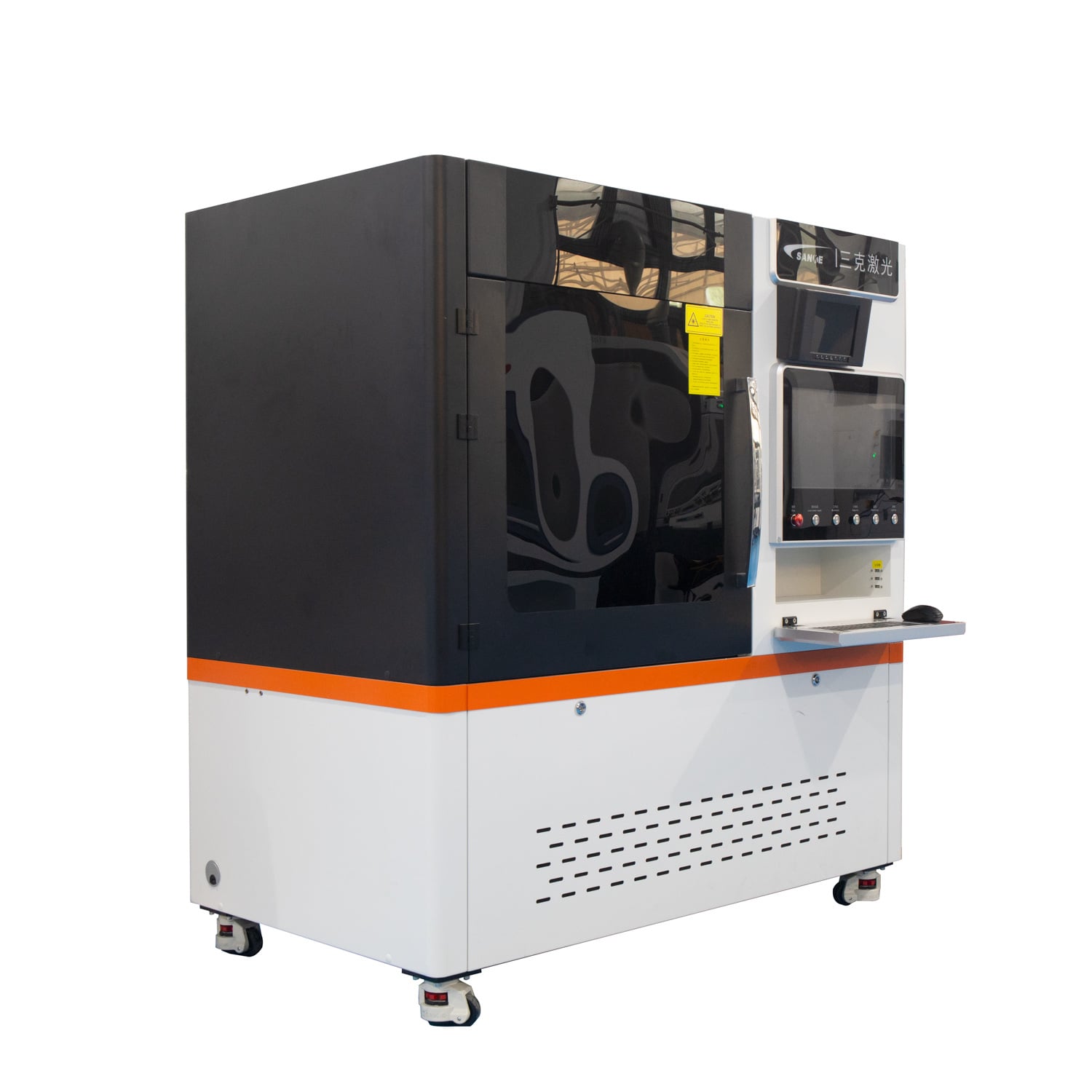
Laser cutting ceramics represents a revolutionary manufacturing technology that transforms how industries approach ceramic material processing. This advanced technique utilizes focused laser beams to cut, shape, and modify ceramic materials with unprecedented precision and control. The process involves directing high-intensity laser energy onto ceramic surfaces, creating localized heating that enables clean, accurate cuts without traditional mechanical stress. Modern laser cutting ceramics systems incorporate sophisticated beam control mechanisms, allowing operators to achieve intricate patterns and complex geometries that would be impossible with conventional cutting methods. The technology supports various ceramic types, including technical ceramics, advanced ceramics, and specialized ceramic composites used across multiple industries. Key technological features include computer-controlled positioning systems that ensure repeatable accuracy, adjustable power settings for different ceramic thicknesses, and real-time monitoring capabilities that maintain consistent quality throughout production runs. The laser cutting ceramics process generates minimal waste compared to traditional machining methods, as the focused energy creates narrow kerf widths and reduces material loss. Applications span numerous sectors, from aerospace components requiring precise ceramic insulators to medical devices utilizing biocompatible ceramic elements. Electronics manufacturing relies heavily on laser cutting ceramics for creating substrates, circuit boards, and specialized components that demand tight tolerances. The automotive industry employs this technology for producing ceramic sensors, catalytic converter components, and advanced engine parts. Industrial applications include manufacturing cutting tools, wear-resistant components, and specialized fixtures that benefit from ceramic durability. The versatility of laser cutting ceramics extends to decorative applications, enabling artists and designers to create intricate patterns in ceramic tiles, architectural elements, and custom artistic pieces. This technology continues evolving with improvements in laser power density, beam quality, and automation integration, making laser cutting ceramics increasingly accessible and cost-effective for both high-volume production and specialized custom applications.

Popular Products

Laser cutting ceramics delivers exceptional precision that surpasses traditional machining methods, enabling manufacturers to achieve tolerances within micrometers while maintaining consistent quality across production runs. This precision advantage translates directly into reduced waste, lower rejection rates, and improved product performance for end users. The contactless nature of laser cutting ceramics eliminates mechanical stress that typically causes cracking or chipping in ceramic materials, preserving material integrity and extending component lifespan. Manufacturing operations benefit significantly from the speed advantages of laser cutting ceramics, as the process eliminates time-consuming setup procedures required by conventional machining. Operators can quickly switch between different cutting patterns using computer-controlled programming, reducing changeover times and increasing overall productivity. The technology supports rapid prototyping capabilities, allowing designers to test multiple iterations quickly before committing to full production runs. Cost-effectiveness emerges as a major advantage through reduced tooling requirements, as laser cutting ceramics eliminates the need for expensive cutting dies, molds, or specialized machining tools that wear out over time. Energy efficiency represents another significant benefit, as modern laser systems consume less power per cut compared to traditional ceramic processing methods. The clean cutting action of laser cutting ceramics produces smooth edges that often eliminate secondary finishing operations, further reducing manufacturing costs and lead times. Flexibility stands out as a crucial advantage, enabling manufacturers to process various ceramic compositions without changing equipment or tooling. This adaptability proves especially valuable for companies handling multiple product lines or custom orders with varying specifications. Quality control benefits include reduced contamination risks, as the non-contact process prevents introducing foreign materials into ceramic components. The automation potential of laser cutting ceramics allows for lights-out manufacturing operations, reducing labor costs while maintaining consistent output quality. Environmental advantages include minimal chemical usage, reduced waste generation, and elimination of coolants typically required in conventional ceramic machining. Safety improvements result from reduced operator contact with cutting operations and elimination of flying debris common in mechanical cutting processes. The scalability of laser cutting ceramics systems accommodates both small-batch custom work and high-volume production requirements, providing manufacturers with operational flexibility that adapts to changing market demands and customer requirements.

Practical Tips

How Does Handheld Laser Welding Compare to Traditional Welding Methods?

19

Nov

How Does Handheld Laser Welding Compare to Traditional Welding Methods?

The welding industry has experienced significant technological advancement over the past decade, with handheld laser welding emerging as a revolutionary alternative to conventional welding techniques. This innovative technology represents a paradigm ...
View More
What industries benefit most from laser welding technology?

19

Nov

What industries benefit most from laser welding technology?

Modern manufacturing has witnessed a revolutionary shift in welding technology as industries increasingly adopt advanced laser welding systems. The laser welding machine represents a significant technological leap from conventional welding methods, o...
View More
How Does Scanlab Technology Improve the Precision of Laser Applications?

19

Nov

How Does Scanlab Technology Improve the Precision of Laser Applications?

Scanlab Technology represents a revolutionary advancement in laser precision control systems, fundamentally transforming how industries approach laser-based manufacturing and processing applications. This cutting-edge technology has established new b...
View More
2025 Guide: How to Choose the Perfect Beam Expander

21

Oct

2025 Guide: How to Choose the Perfect Beam Expander

Understanding the Critical Role of Beam Expanders in Modern Optics The optical industry continues to evolve at a rapid pace, and beam expanders have become indispensable components in numerous applications, from laser processing to advanced microscop...
View More

Get a Free Quote

Our representative will contact you soon.
Email
Name
Company Name
Message
0/1000

laser cutting ceramics

Unmatched Precision and Surface Quality

Unmatched Precision and Surface Quality

The precision capabilities of laser cutting ceramics set new industry standards for dimensional accuracy and surface finish quality that traditional methods simply cannot match. This advanced technology achieves cutting tolerances within plus or minus 0.005 inches consistently, eliminating the variability inherent in mechanical cutting processes. The focused laser beam creates an extremely narrow heat-affected zone, typically measuring less than 0.1 millimeters, which preserves the structural integrity of ceramic materials throughout the cutting process. This precision control prevents the micro-cracking that commonly occurs with conventional ceramic processing methods, ensuring that components maintain their designed strength characteristics and performance specifications. The superior surface quality achieved through laser cutting ceramics eliminates the need for secondary finishing operations in most applications, saving both time and processing costs while delivering components ready for immediate assembly or use. Edge quality consistently meets or exceeds specifications for perpendicularity, smoothness, and dimensional stability, critical factors for applications requiring tight fits or precise interfaces. The repeatability of laser cutting ceramics ensures that every component matches exact specifications, regardless of production volume or timing, providing manufacturers with the consistency needed for quality-critical applications. This precision advantage proves especially valuable in industries where component failure carries significant consequences, such as aerospace, medical devices, and high-performance electronics. The technology supports complex geometries including intricate internal features, sharp corners, and delicate structures that would be impossible to achieve through traditional ceramic machining. Quality control becomes simplified as the consistent precision of laser cutting ceramics reduces inspection requirements and minimizes rejection rates. The dimensional stability achieved through this process ensures that ceramic components maintain their specifications throughout their service life, providing end users with reliable performance and extended operational life. Manufacturing engineers appreciate how the precision of laser cutting ceramics enables tighter design tolerances, allowing for more compact assemblies and improved product performance while maintaining manufacturing feasibility and cost-effectiveness.
Exceptional Material Versatility and Processing Flexibility

Exceptional Material Versatility and Processing Flexibility

Laser cutting ceramics demonstrates remarkable versatility in handling diverse ceramic materials and compositions, making it an invaluable solution for manufacturers working with multiple ceramic types or specialized applications. This technology successfully processes traditional ceramics including alumina, zirconia, and silicon carbide, as well as advanced ceramic composites and specialty formulations developed for specific industry requirements. The adaptability of laser cutting ceramics extends beyond material types to accommodate varying thicknesses, from thin ceramic films measuring micrometers to robust structural components several inches thick. Processing parameters can be precisely adjusted to optimize cutting quality for each specific ceramic composition, ensuring optimal results regardless of material hardness, thermal conductivity, or chemical composition. This flexibility eliminates the need for multiple processing systems or extensive tooling changes when switching between different ceramic materials or product specifications. Manufacturers benefit from the ability to process both standard ceramic shapes and complex three-dimensional geometries using the same laser cutting ceramics system, maximizing equipment utilization and return on investment. The technology supports various cutting modes including through-cutting, partial cutting for scoring applications, and surface texturing for improved bonding or aesthetic purposes. Production flexibility allows for easy accommodation of design changes or custom requirements without significant setup time or tooling modifications. The programmable nature of laser cutting ceramics enables rapid switching between different cutting patterns, supporting mixed-production environments where multiple products are manufactured simultaneously. This versatility proves especially valuable for companies serving diverse markets or those involved in research and development activities requiring frequent material and design variations. The non-contact processing nature means that delicate or brittle ceramic materials can be processed successfully without risk of mechanical damage or contamination. Batch size flexibility allows economic processing of everything from single prototypes to high-volume production runs using the same equipment configuration. The ability to process ceramic assemblies or multi-material components extends the utility of laser cutting ceramics beyond simple cutting applications to include complex manufacturing operations requiring precise material removal or modification.
Superior Cost-Effectiveness and Operational Efficiency

Superior Cost-Effectiveness and Operational Efficiency

The cost-effectiveness of laser cutting ceramics transforms manufacturing economics by eliminating numerous traditional processing steps while delivering superior results at reduced overall costs. This technology eliminates expensive tooling requirements such as diamond-impregnated cutting wheels, specialized fixtures, and precision grinding equipment that represent significant capital investments and ongoing maintenance costs. The elimination of tool wear means consistent cutting quality throughout production runs without performance degradation or the need for frequent tool replacements. Operating costs remain predictable and low, as laser cutting ceramics systems require minimal consumables and generate virtually no waste compared to traditional ceramic processing methods that often waste significant material through grinding and machining operations. Energy efficiency of modern laser systems translates to lower utility costs per processed part, especially when compared to energy-intensive grinding or conventional machining operations. The speed of laser cutting ceramics significantly reduces cycle times, enabling higher throughput and improved manufacturing capacity utilization without additional equipment investment. Reduced labor requirements result from the automated nature of laser cutting ceramics operations, allowing single operators to manage multiple systems while maintaining consistent quality output. The elimination of secondary finishing operations for most applications provides substantial cost savings in both processing time and labor requirements. Quality improvements inherent in laser cutting ceramics reduce scrap rates and rework costs, contributing to overall manufacturing efficiency and profitability. Maintenance costs remain minimal due to the non-contact nature of the process, which eliminates wear on system components and reduces service requirements compared to mechanical cutting systems. The flexibility to process various materials and geometries using the same equipment maximizes asset utilization and provides excellent return on investment for manufacturing operations. Setup time reductions enable quick changeovers between different products or specifications, improving overall equipment effectiveness and reducing manufacturing lead times. The programmable nature of laser cutting ceramics allows for optimization of cutting parameters to minimize processing time while maintaining quality standards. These cost advantages become particularly significant in high-volume production environments where small per-unit savings multiply into substantial annual cost reductions and competitive advantages in the marketplace.

Get a Free Quote

Our representative will contact you soon.
Email
Name
Company Name
Message
0/1000