laser cut open source
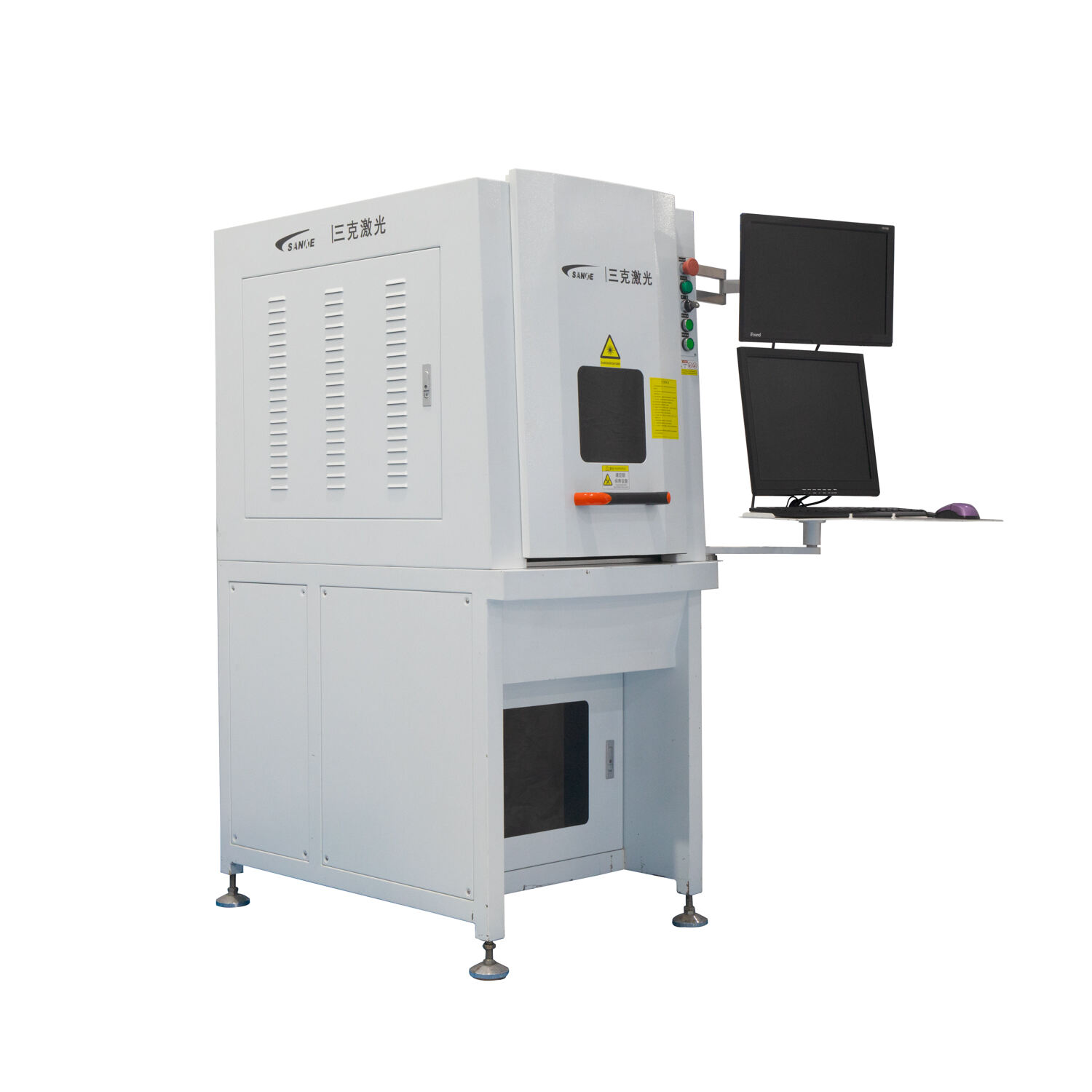
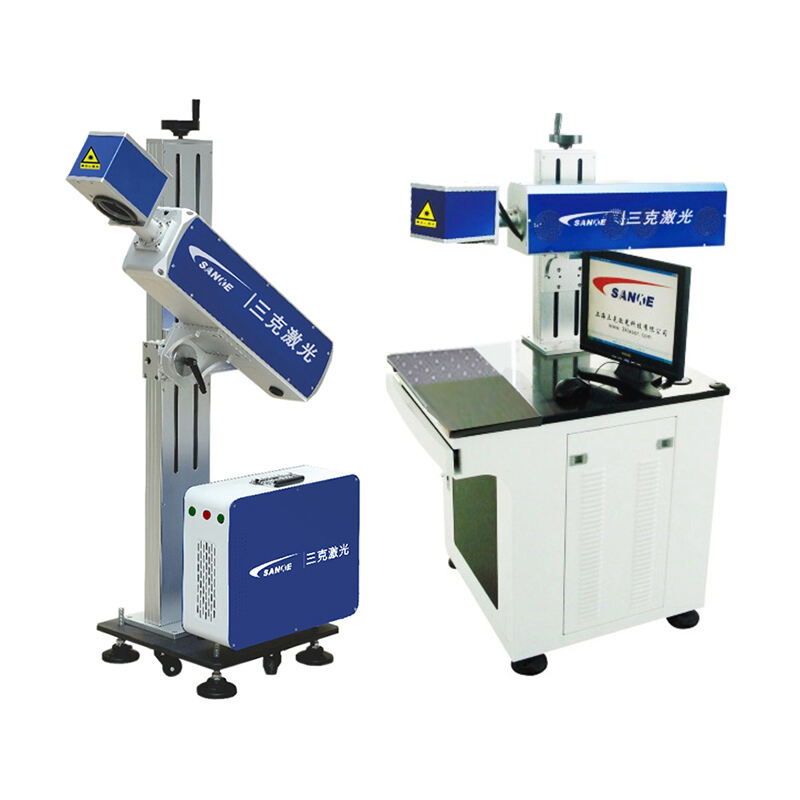
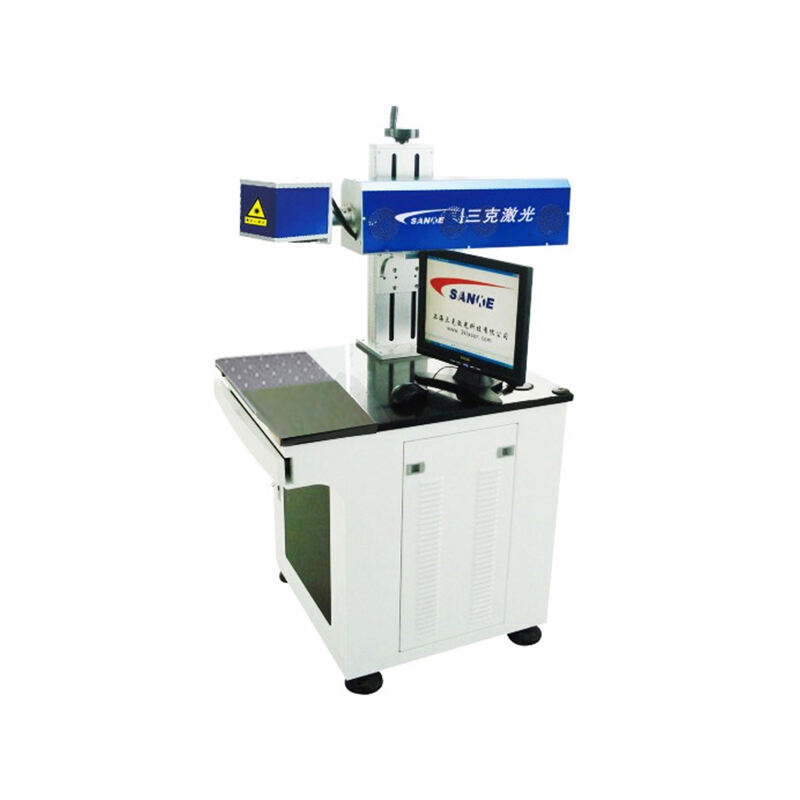
Laser cut open source represents a revolutionary approach to digital fabrication, combining the precision of laser cutting technology with the collaborative power of open-source development. This innovative concept encompasses both software solutions and hardware designs that are freely available, modifiable, and distributable under open-source licenses. The laser cut open source ecosystem includes comprehensive CAD software, control systems, machine designs, and cutting protocols that enable users to create precise cuts, engravings, and etchings on various materials including wood, acrylic, metal, fabric, and paper. The main functions of laser cut open source solutions center around providing accessible digital fabrication tools that democratize manufacturing capabilities. These systems offer vector-based design processing, automated toolpath generation, material-specific cutting parameters, and real-time machine control interfaces. The technological features distinguish laser cut open source platforms through their modular architecture, cross-platform compatibility, and extensive customization options. Users can modify cutting algorithms, integrate new material profiles, develop custom plugins, and adapt the software to specific workflow requirements. The open-source nature ensures continuous improvement through community contributions, peer review, and collaborative development processes. Applications of laser cut open source span numerous industries and use cases, from educational institutions teaching digital fabrication principles to small businesses creating custom products and prototypes. Makers and hobbyists utilize these tools for artistic projects, home improvement solutions, and personal manufacturing needs. Industrial applications include rapid prototyping, custom tooling production, architectural model making, and specialized component manufacturing. The flexibility of laser cut open source systems enables integration with existing manufacturing workflows while providing cost-effective alternatives to proprietary solutions. Research institutions leverage these platforms for experimental material processing, developing new cutting techniques, and advancing laser technology applications across diverse scientific fields.
 EN
EN
 AR
AR
 FR
FR
 DE
DE
 JA
JA
 KO
KO
 RU
RU
 ES
ES