fiber optic laser light source
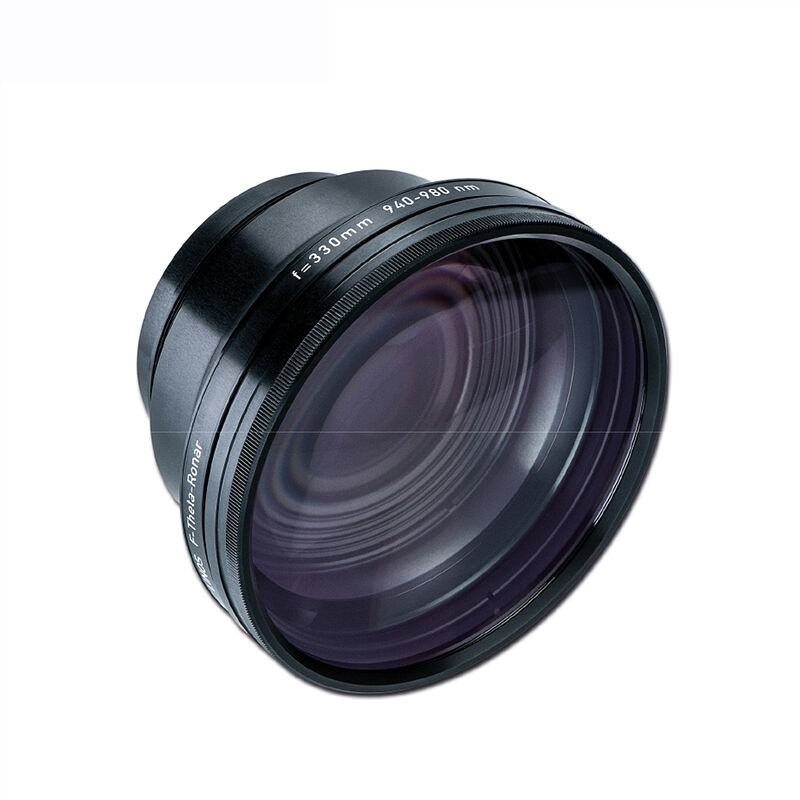
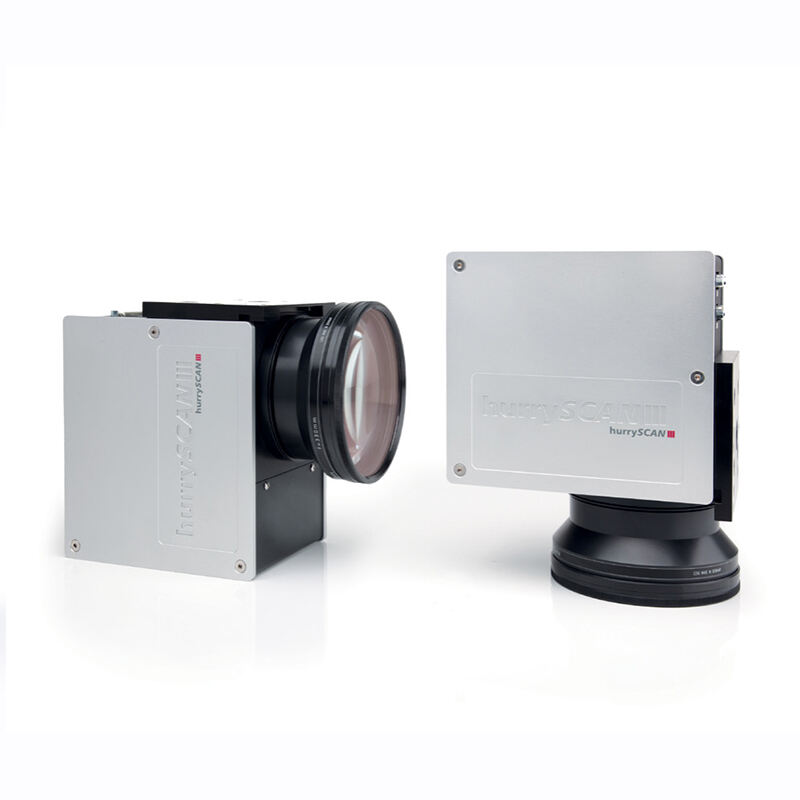
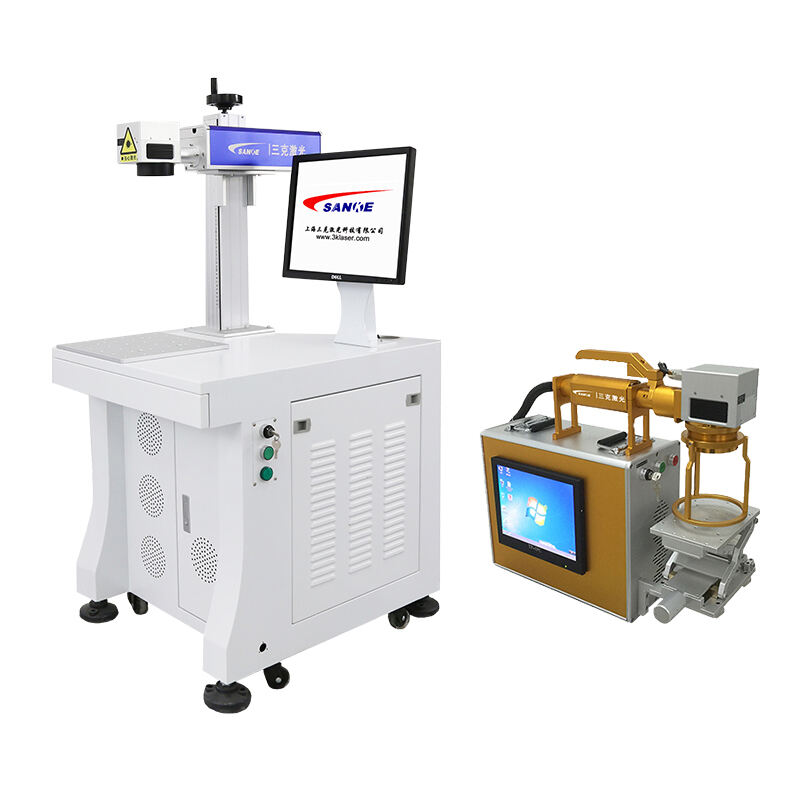
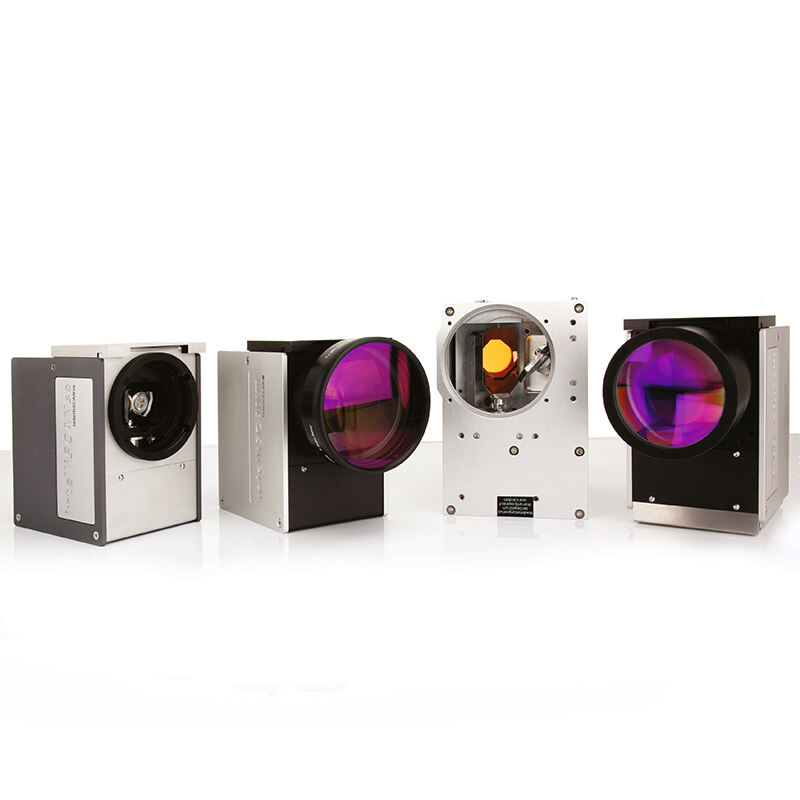
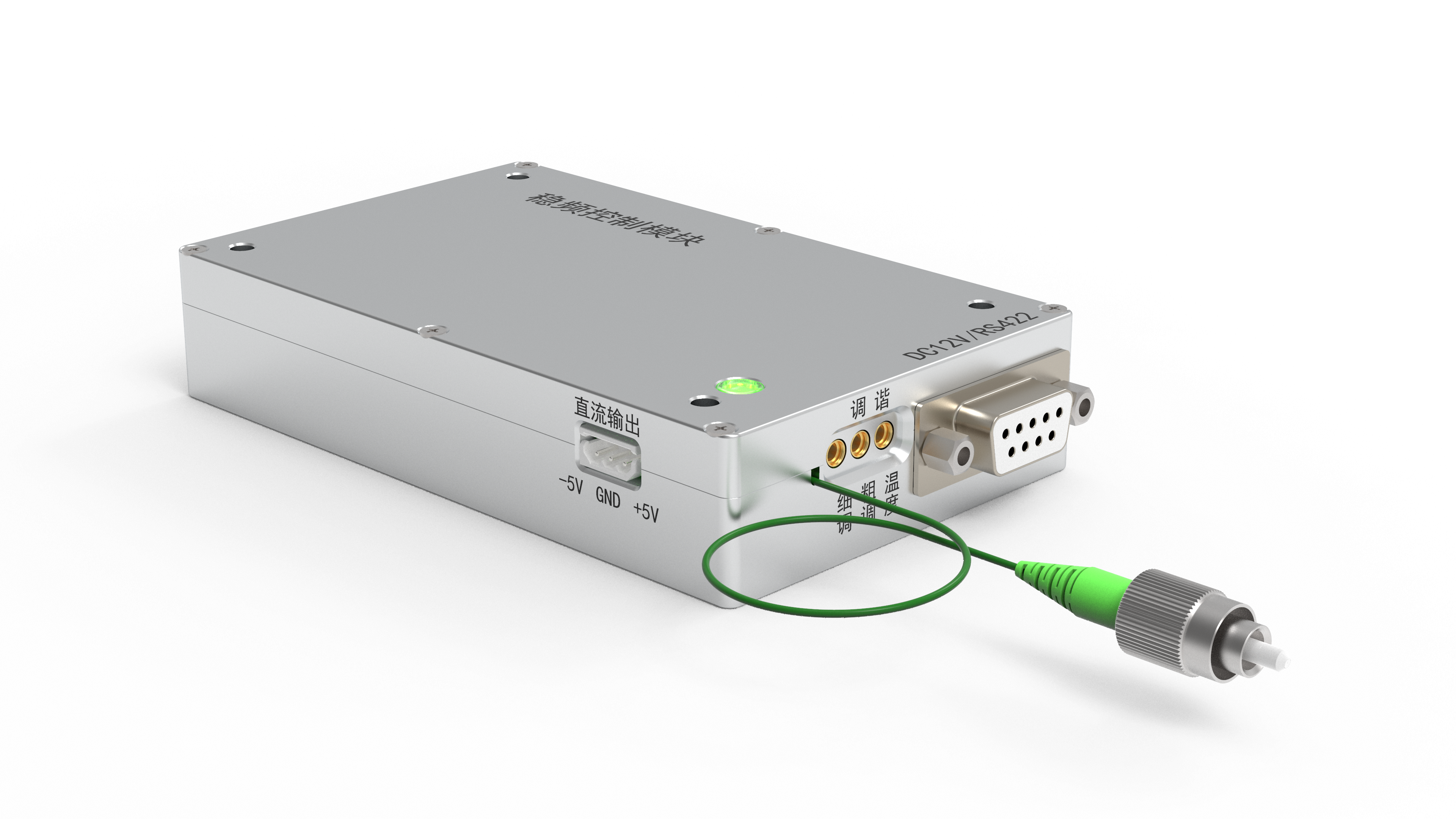
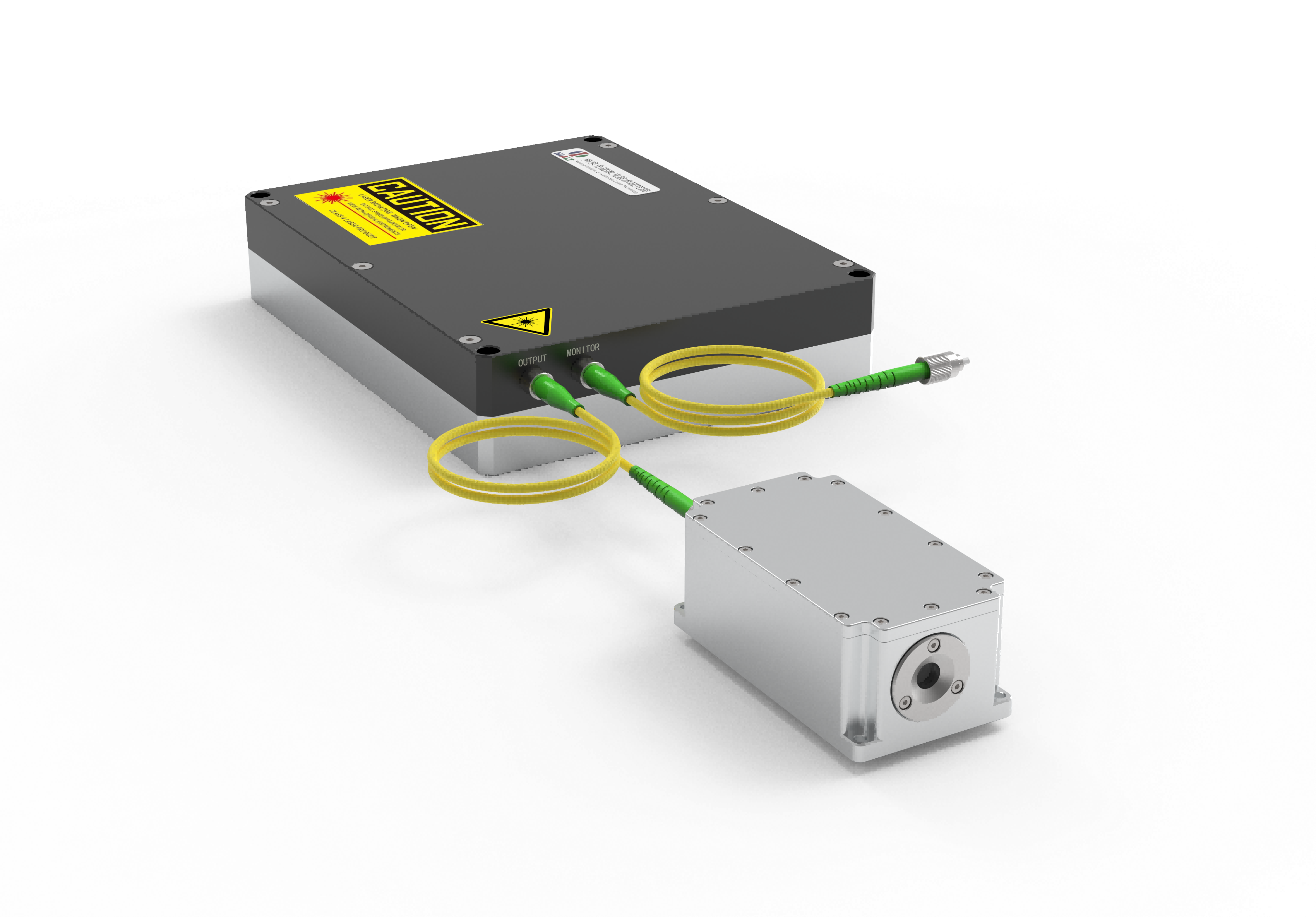
A fiber optic laser light source represents a sophisticated illumination technology that generates coherent light through optical fibers, delivering exceptional performance across diverse industrial and scientific applications. This advanced system combines laser diodes with optical fiber technology to produce highly focused, stable light beams with remarkable precision and reliability. The fiber optic laser light source operates by channeling laser energy through specially designed optical fibers, maintaining beam quality while enabling flexible light delivery to remote locations. The main functions of this technology include providing consistent illumination for spectroscopy, microscopy, telecommunications, and industrial processing applications. These systems excel at delivering specific wavelengths with minimal power fluctuation, making them ideal for sensitive measurements and precision tasks. The technological features encompass wavelength stability, low noise characteristics, compact design, and excellent beam quality. Modern fiber optic laser light source units incorporate advanced temperature control mechanisms, ensuring consistent output regardless of environmental conditions. The modular design allows for easy integration into existing systems, while the fiber-based delivery eliminates alignment issues common with free-space laser systems. Key applications span medical diagnostics, scientific research, quality control, material processing, and optical communications. In medical fields, these sources enable precise tissue analysis and surgical procedures. Research laboratories utilize them for fluorescence microscopy, Raman spectroscopy, and photodynamics studies. Industrial applications include laser marking, cutting, welding, and surface treatment processes. The telecommunications industry relies on fiber optic laser light source technology for signal transmission and network infrastructure. Manufacturing environments benefit from their ability to provide non-contact measurement and inspection capabilities. The versatility of wavelength options, from ultraviolet to infrared regions, makes these systems adaptable to specialized requirements. Advanced control interfaces allow users to adjust power levels, modulation frequencies, and operating parameters with exceptional precision, ensuring optimal performance across various demanding applications while maintaining long-term operational stability.
 EN
EN
 AR
AR
 FR
FR
 DE
DE
 JA
JA
 KO
KO
 RU
RU
 ES
ES