Comprehensive Industrial Application Versatility
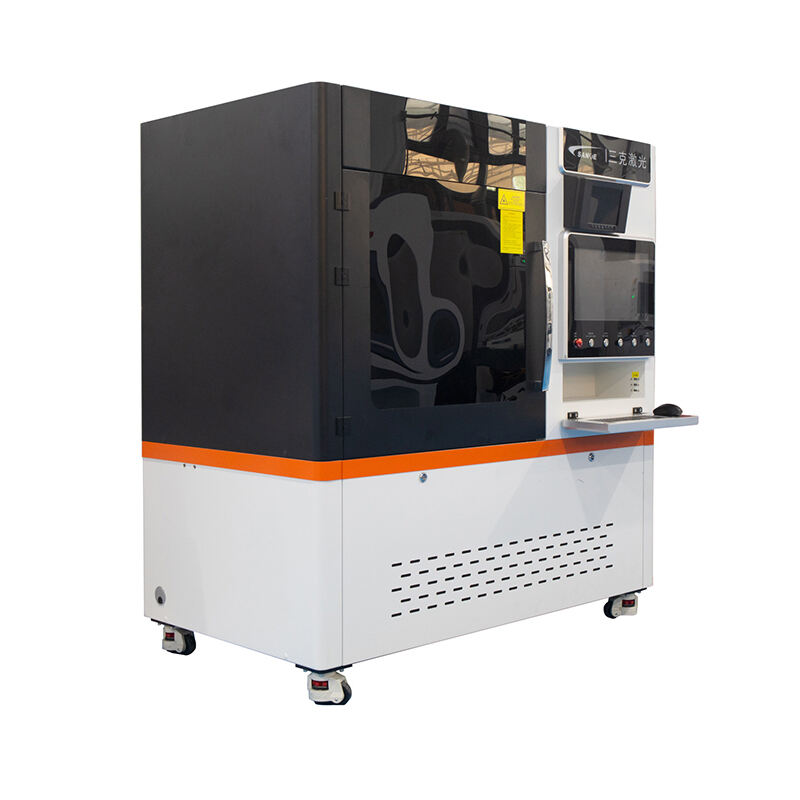
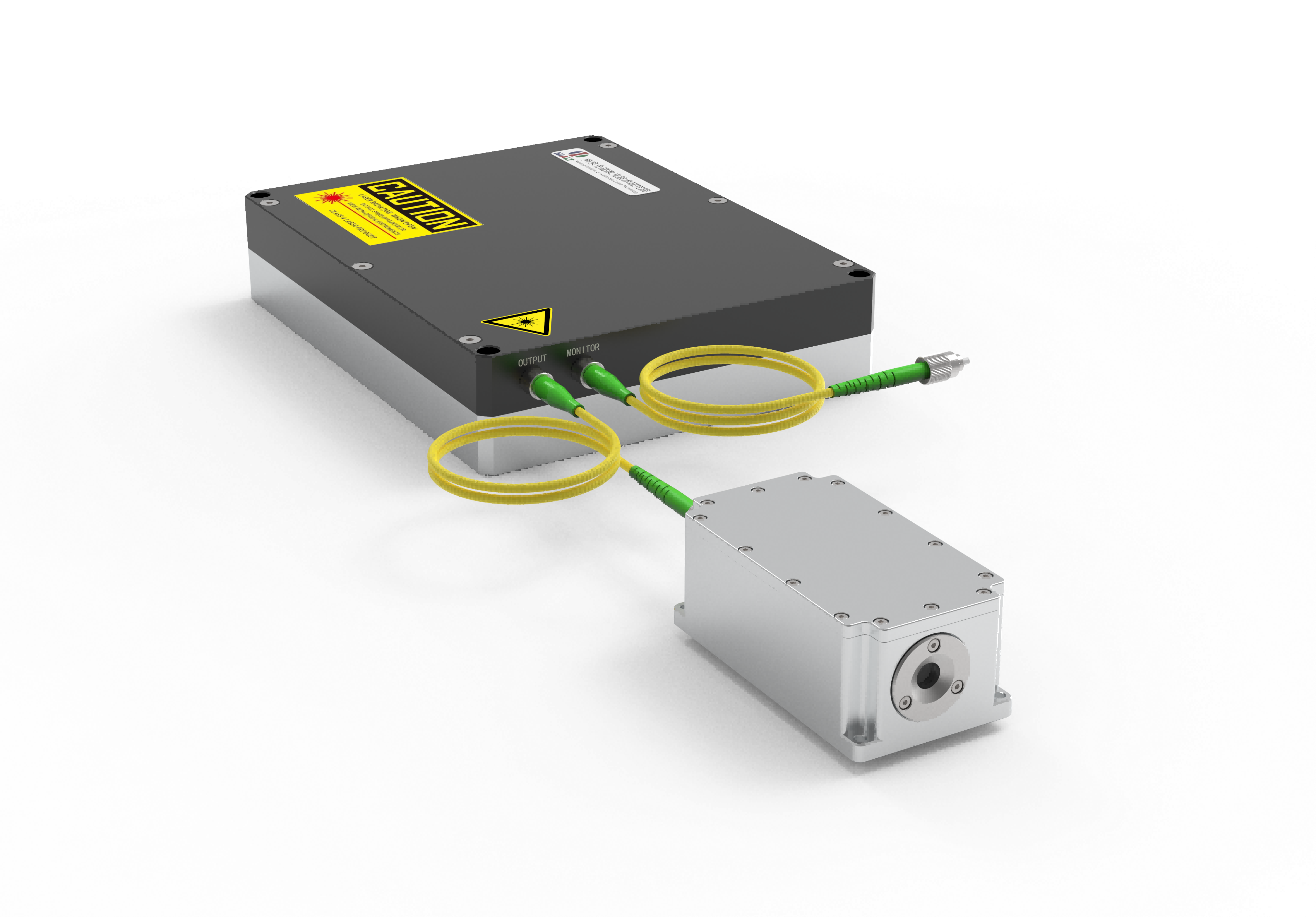
The JPT fiber laser source price encompasses remarkable versatility that enables diverse industrial applications across multiple manufacturing sectors, providing exceptional value through multi-purpose capability and adaptable performance characteristics. JPT fiber laser systems excel in precision metal cutting applications, delivering clean edges with minimal heat-affected zones across various material types including stainless steel, aluminum, carbon steel, and exotic alloys used in aerospace and medical device manufacturing. Advanced beam control systems enable seamless transitions between different processing modes, allowing single systems to perform cutting, welding, drilling, and marking operations without equipment changes or extensive reconfiguration procedures. The JPT fiber laser source price includes sophisticated parameter control interfaces that store optimized settings for different materials and thicknesses, enabling rapid job changeovers that maximize production efficiency and minimize setup times. Micro-processing capabilities enable intricate detail work on electronic components, jewelry, and precision instruments where traditional machining methods prove inadequate or cost-prohibitive. JPT systems demonstrate excellent performance in automotive manufacturing applications, processing high-strength steels and lightweight alloys that modern vehicle designs increasingly utilize for improved fuel efficiency and safety characteristics. The JPT fiber laser source price reflects advanced beam shaping technologies that optimize energy distribution for specific application requirements, whether concentrated for deep penetration welding or distributed for surface treatment processes. Flexible power output ranges accommodate everything from delicate electronics work requiring minimal heat input to heavy industrial cutting operations demanding maximum power density. Integration capabilities enable seamless incorporation into automated production lines, robotic workcells, and computer-controlled manufacturing systems that modern facilities require for competitive production efficiency. Quality monitoring systems provide real-time feedback on processing parameters and results, enabling immediate adjustments that maintain consistent output quality throughout extended production runs while minimizing material waste and rework requirements.
 EN
EN
 AR
AR
 FR
FR
 DE
DE
 JA
JA
 KO
KO
 RU
RU
 ES
ES