fiber laser source
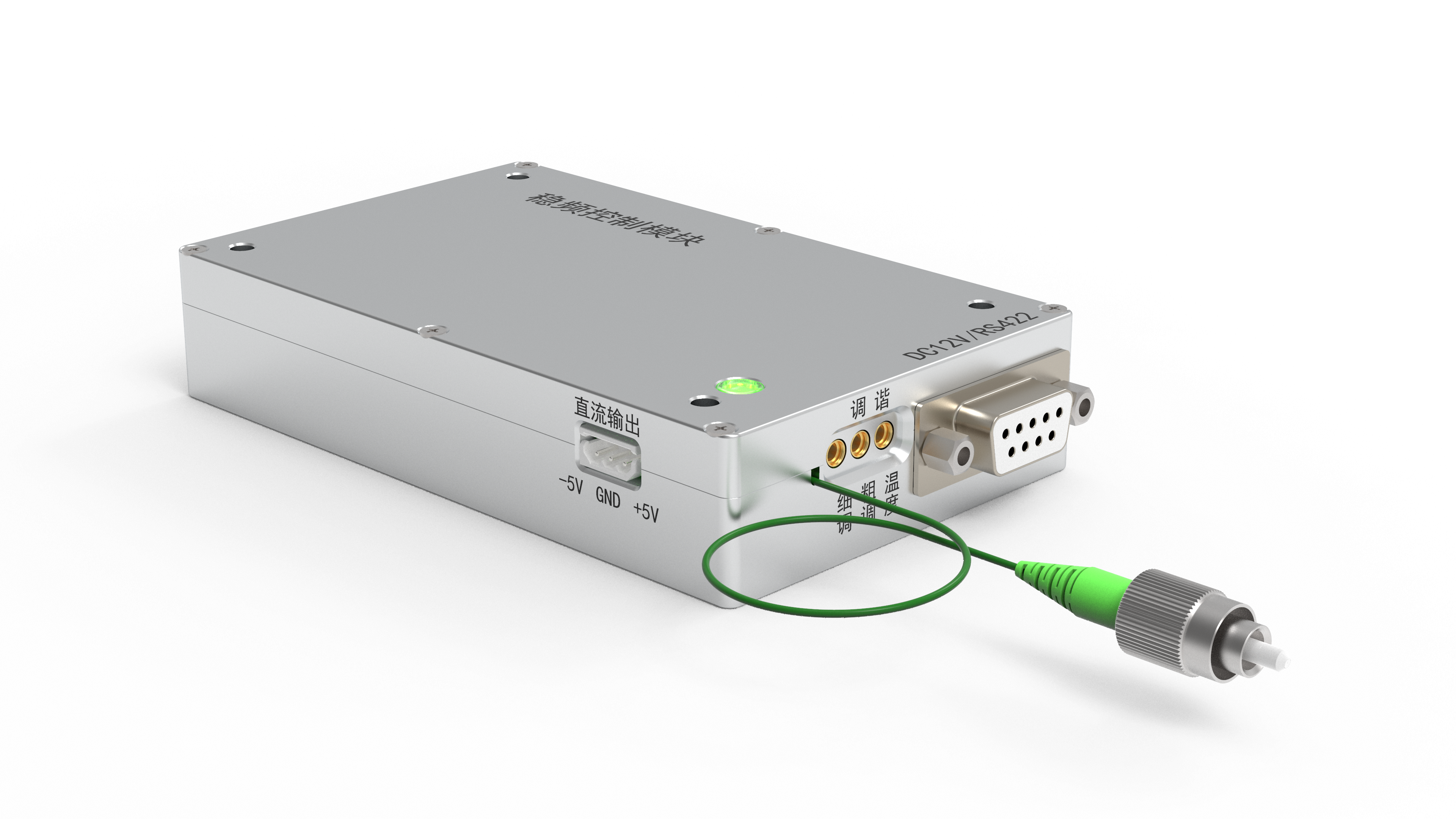
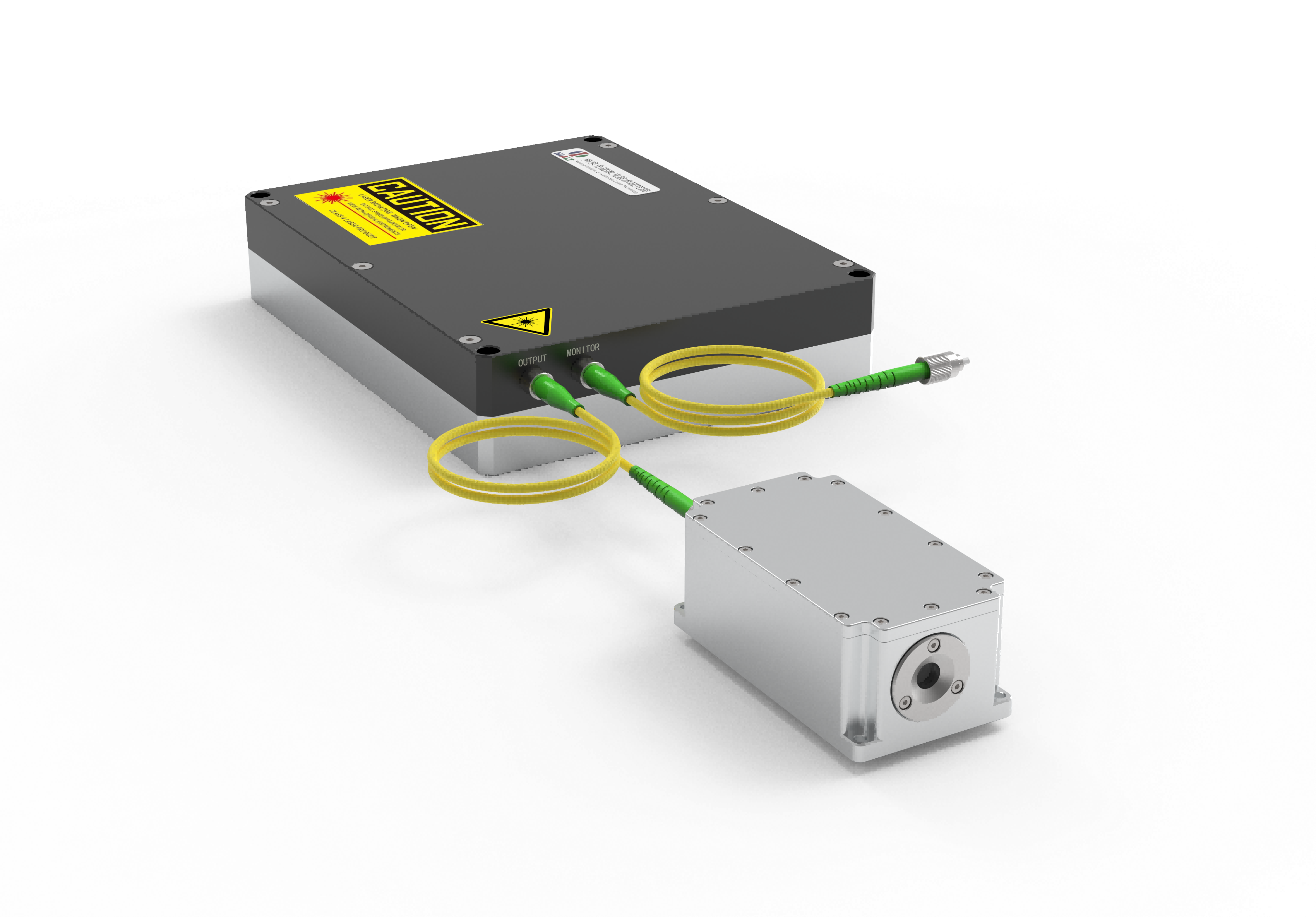
A fiber laser source represents cutting-edge optical technology that generates coherent light through stimulated emission within specially designed optical fibers. This advanced laser system utilizes rare-earth-doped fiber as the active medium, creating powerful and precise laser beams for numerous industrial and scientific applications. The fiber laser source operates by pumping energy into the doped fiber core, typically using semiconductor diode lasers, which excites the rare-earth ions and produces amplified light output. The fundamental principle behind this technology relies on the optical fiber's unique properties, including its excellent beam quality, thermal management capabilities, and compact design. Modern fiber laser sources incorporate sophisticated control systems that enable precise power regulation, wavelength stability, and beam characteristics adjustment. These systems feature integrated cooling mechanisms, advanced monitoring sensors, and user-friendly interfaces that simplify operation while maintaining exceptional performance standards. The technology has revolutionized various industries by providing reliable, efficient, and cost-effective laser solutions. Manufacturing sectors benefit from the fiber laser source's ability to deliver consistent results in cutting, welding, marking, and engraving applications. Research institutions utilize these systems for spectroscopy, material analysis, and experimental procedures requiring stable laser output. Medical device manufacturers employ fiber laser sources in surgical instruments, diagnostic equipment, and therapeutic devices. The telecommunications industry relies on this technology for signal amplification, network infrastructure, and data transmission systems. Environmental monitoring applications use fiber laser sources for atmospheric analysis, pollution detection, and remote sensing capabilities. The versatility of fiber laser source technology extends to defense applications, including rangefinding, target designation, and communication systems. Quality control processes across manufacturing industries depend on fiber laser sources for precision measurement, surface analysis, and defect detection. The technology's inherent reliability stems from its solid-state design, which eliminates mechanical components that typically require maintenance in traditional laser systems.
 EN
EN
 AR
AR
 FR
FR
 DE
DE
 JA
JA
 KO
KO
 RU
RU
 ES
ES