raycus fiber laser source
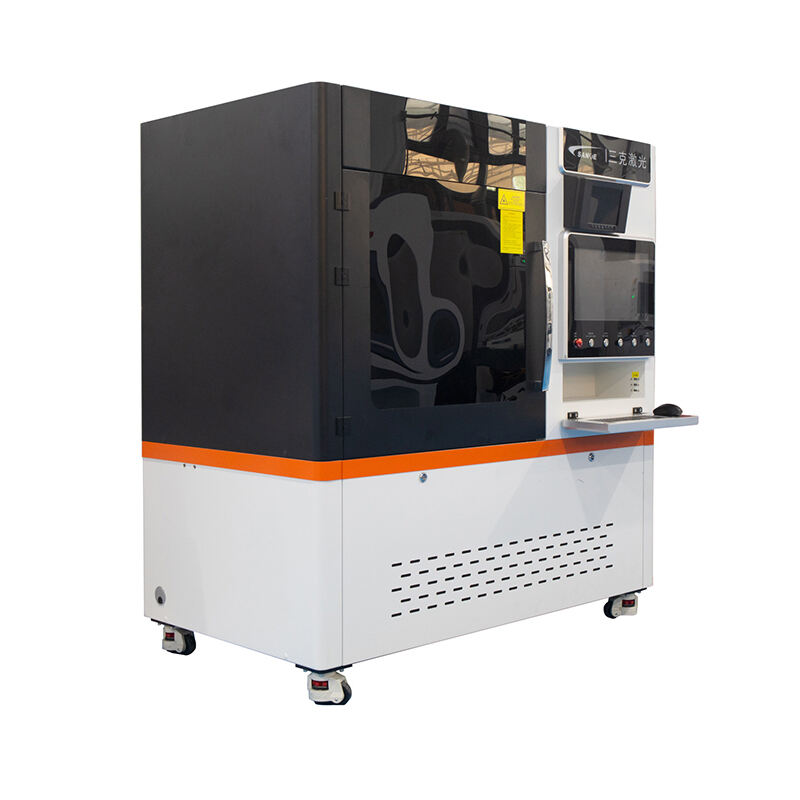
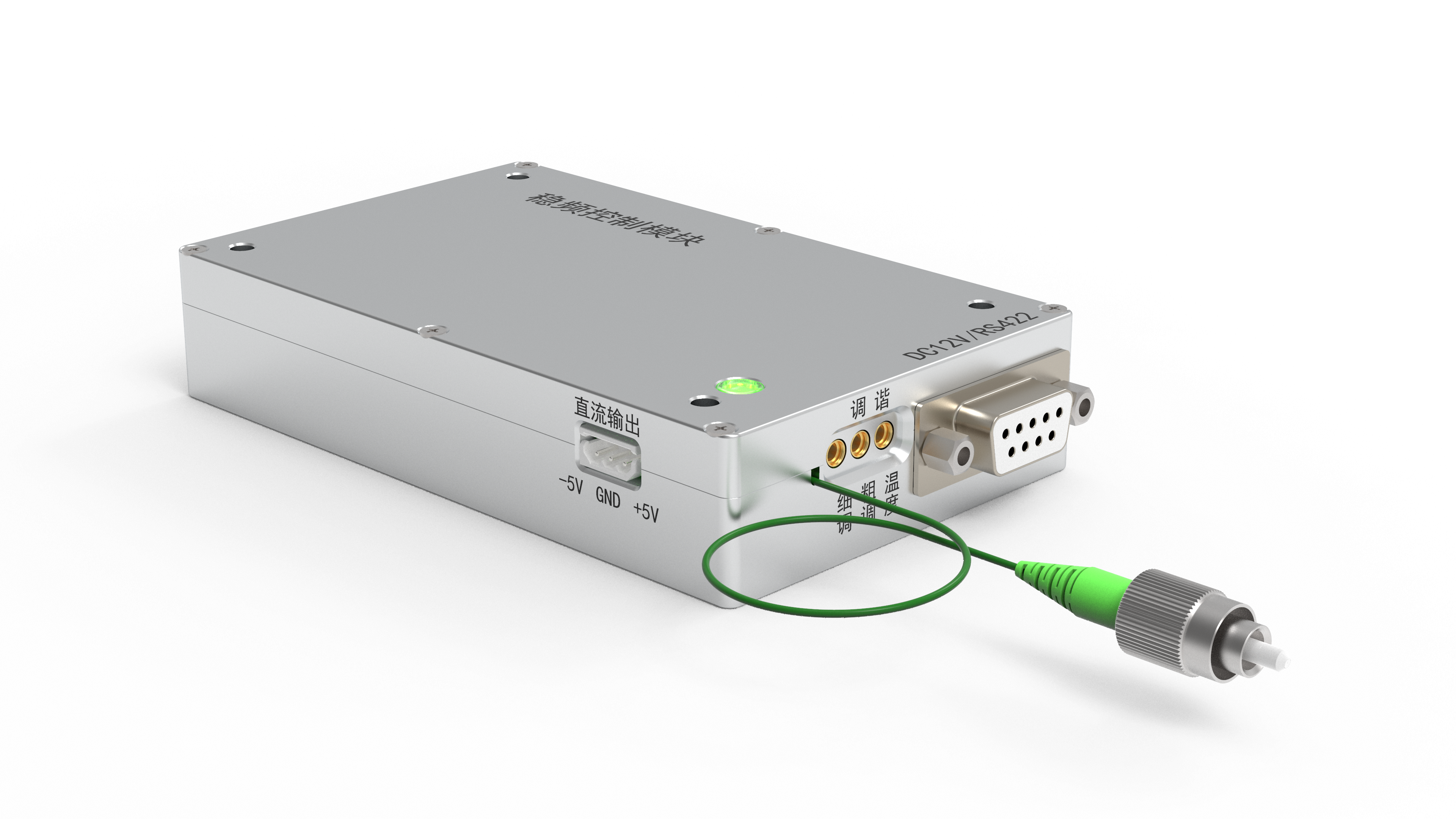
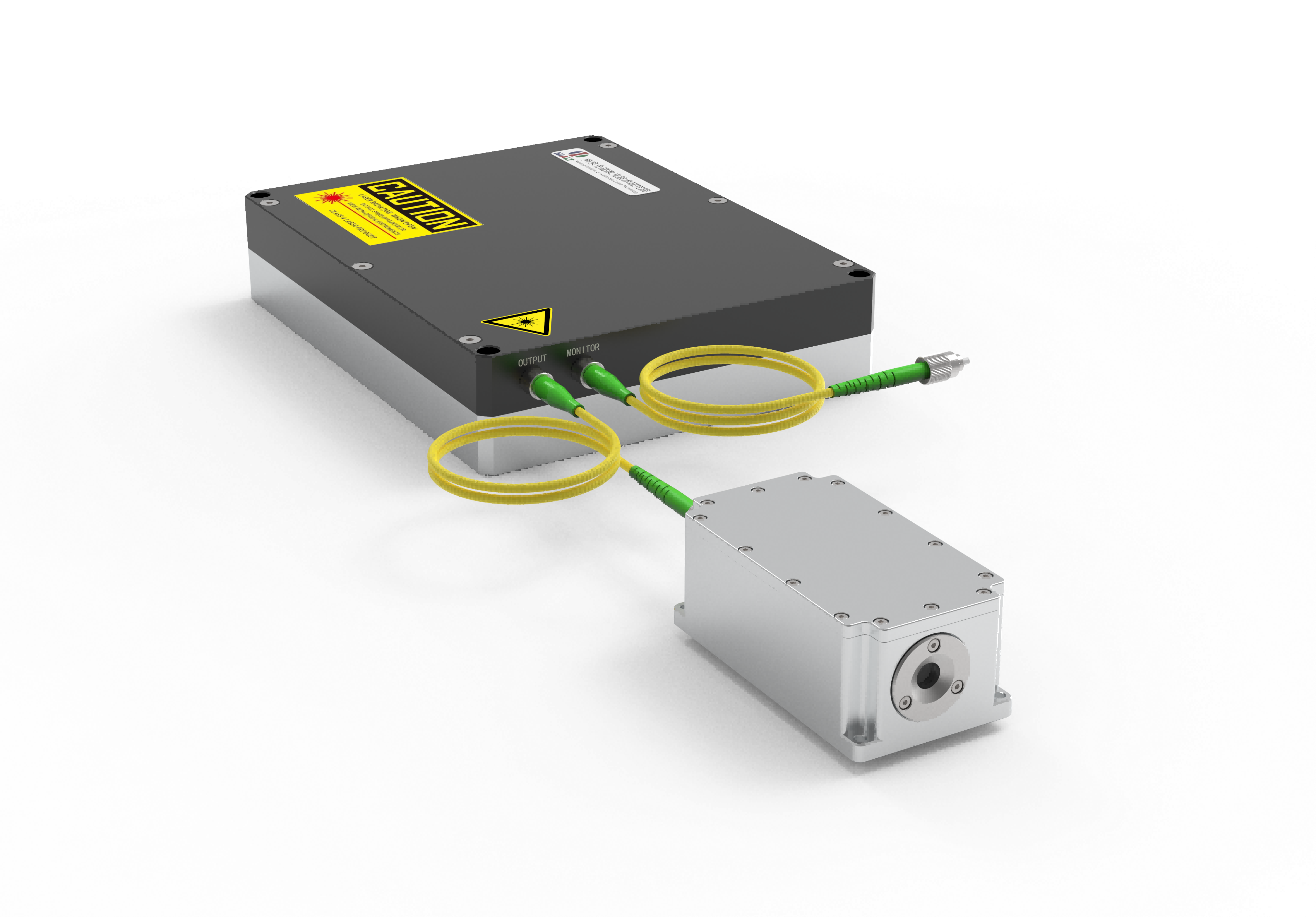
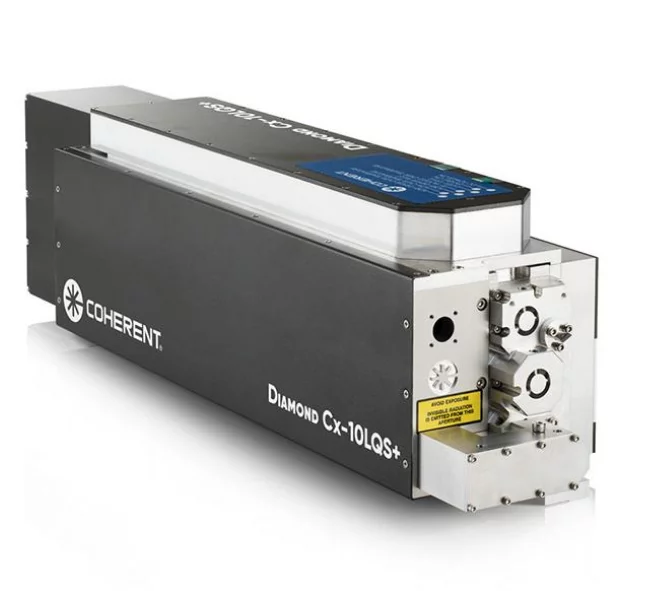
The Raycus fiber laser source represents a breakthrough in modern laser technology, delivering exceptional performance across diverse industrial applications. This advanced laser system utilizes cutting-edge fiber optic technology to generate high-quality laser beams with remarkable precision and consistency. The Raycus fiber laser source operates by amplifying light through rare-earth-doped optical fibers, creating a coherent and focused beam that maintains superior beam quality throughout its operational range. The system incorporates sophisticated cooling mechanisms and power management systems that ensure stable operation even during extended production cycles. Key technological features include wavelength flexibility, allowing operators to select optimal parameters for specific materials and applications. The modular design enables easy integration into existing manufacturing systems while providing scalability for future expansion needs. Advanced control systems offer real-time monitoring and adjustment capabilities, ensuring consistent output quality and operational efficiency. The laser source delivers exceptional wall-plug efficiency, converting electrical energy into laser output with minimal waste heat generation. This efficiency translates directly into reduced operational costs and environmental impact. The robust construction withstands demanding industrial environments while maintaining peak performance levels. Applications span multiple industries including automotive manufacturing, aerospace component production, medical device fabrication, electronics assembly, and precision machining operations. The versatility of the Raycus fiber laser source makes it suitable for cutting, welding, marking, engraving, and surface treatment processes. Material compatibility extends from metals like steel, aluminum, and titanium to non-metallic substrates including plastics, ceramics, and composites. The compact footprint allows installation in space-constrained facilities without compromising performance capabilities. Maintenance requirements remain minimal due to the solid-state design, reducing downtime and service costs while maximizing productivity.
 EN
EN
 AR
AR
 FR
FR
 DE
DE
 JA
JA
 KO
KO
 RU
RU
 ES
ES