optical laser source-0

Advanced Optical Laser Source Technology: Precision, Efficiency, and Versatile Applications

Get a Free Quote

Our representative will contact you soon.
Email
Name
Company Name
Message
0/1000

optical laser source

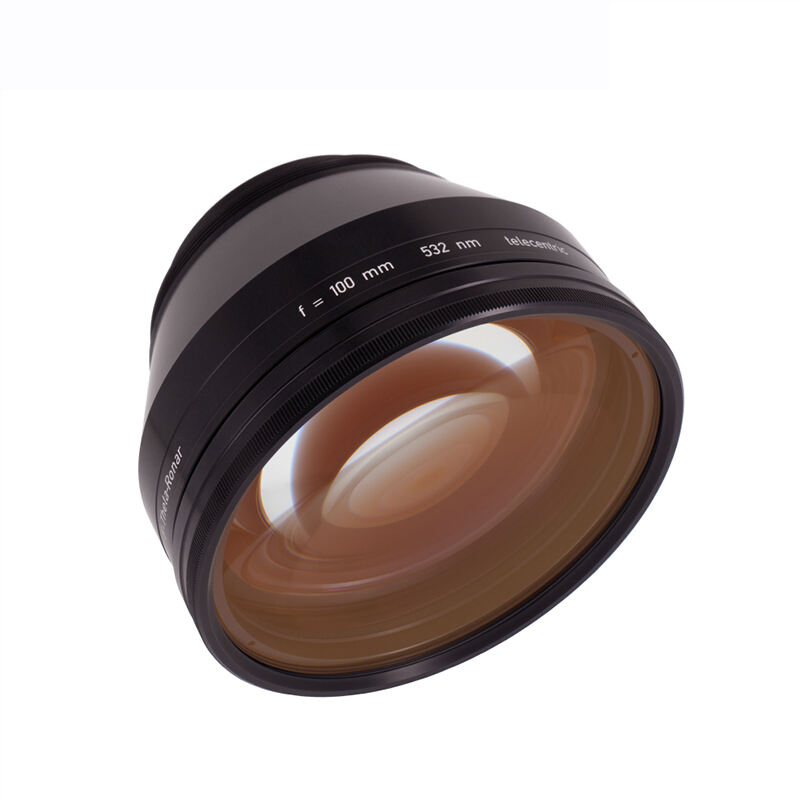
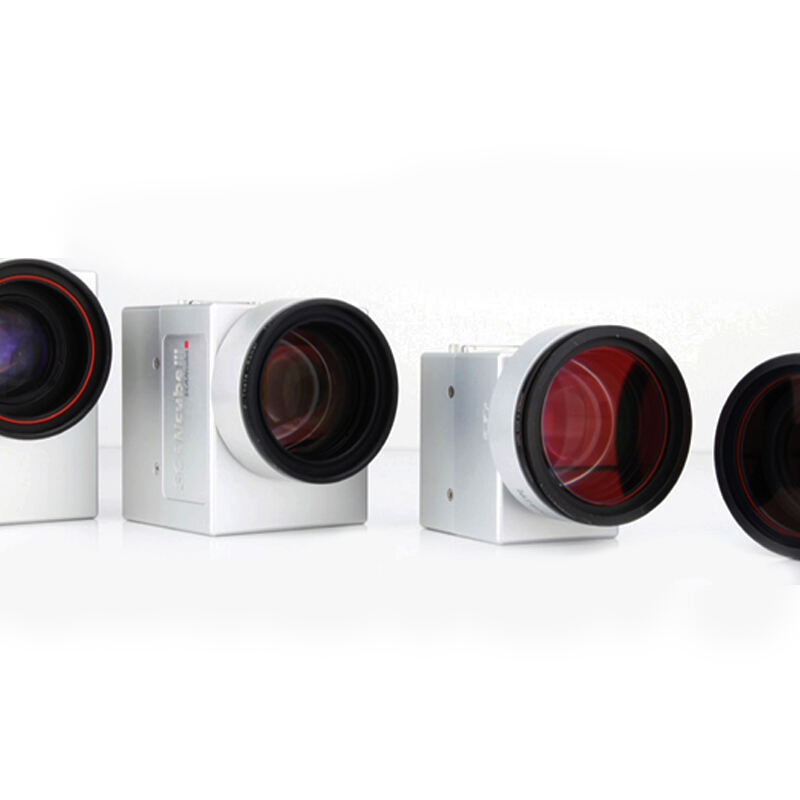
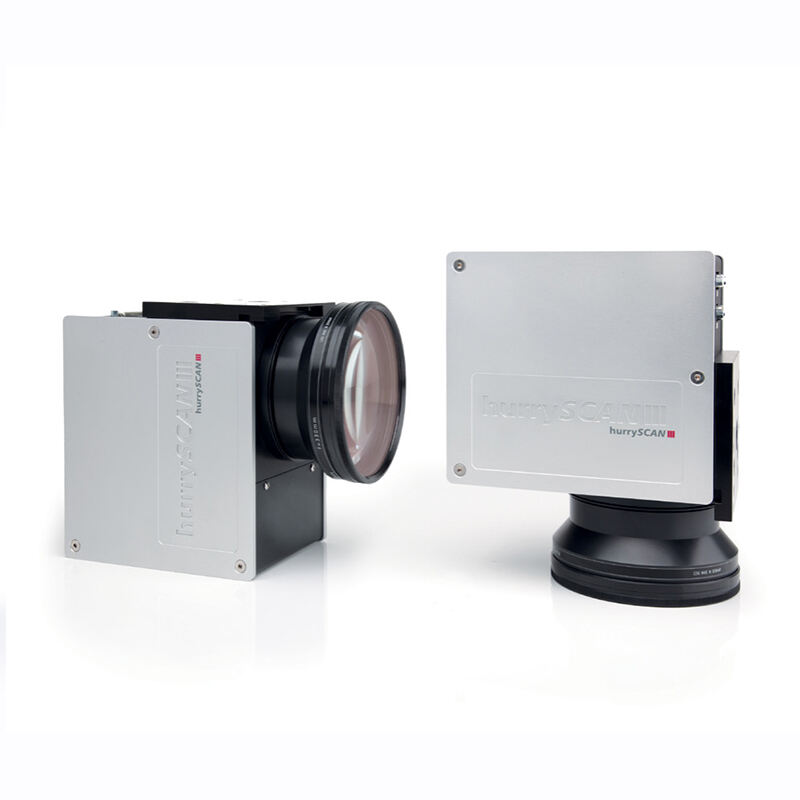
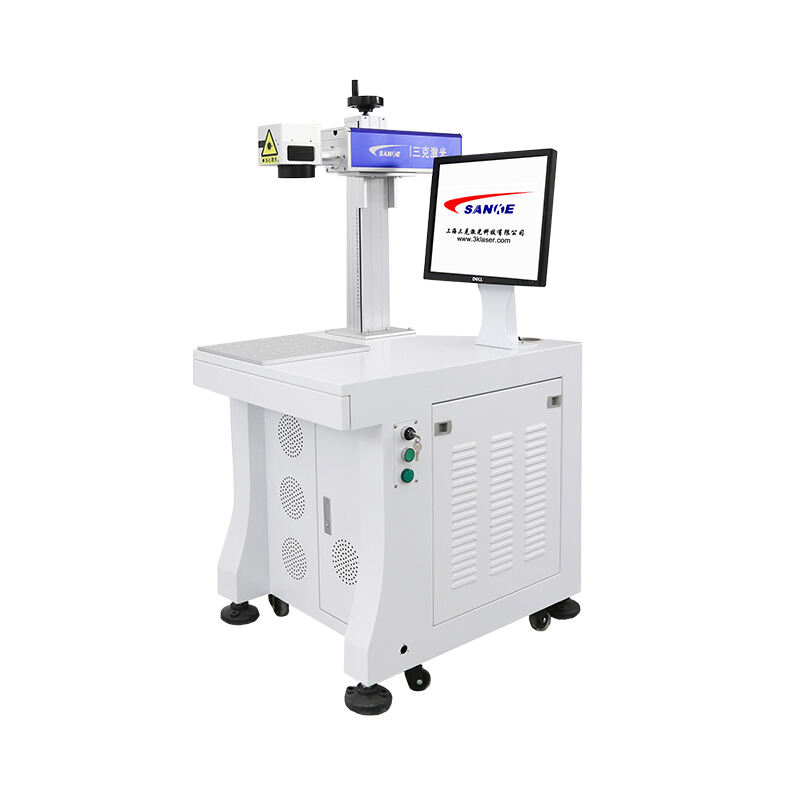
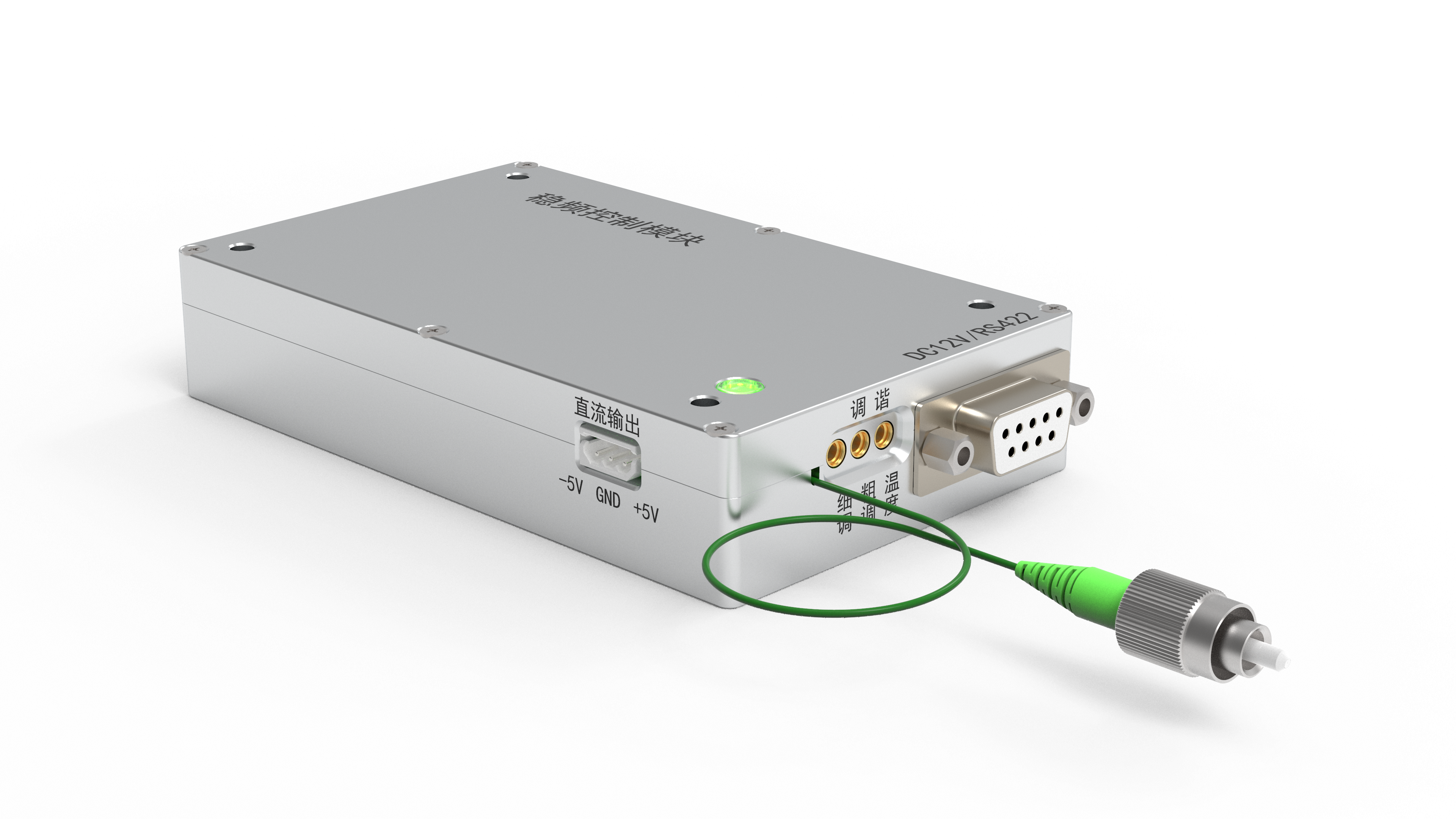
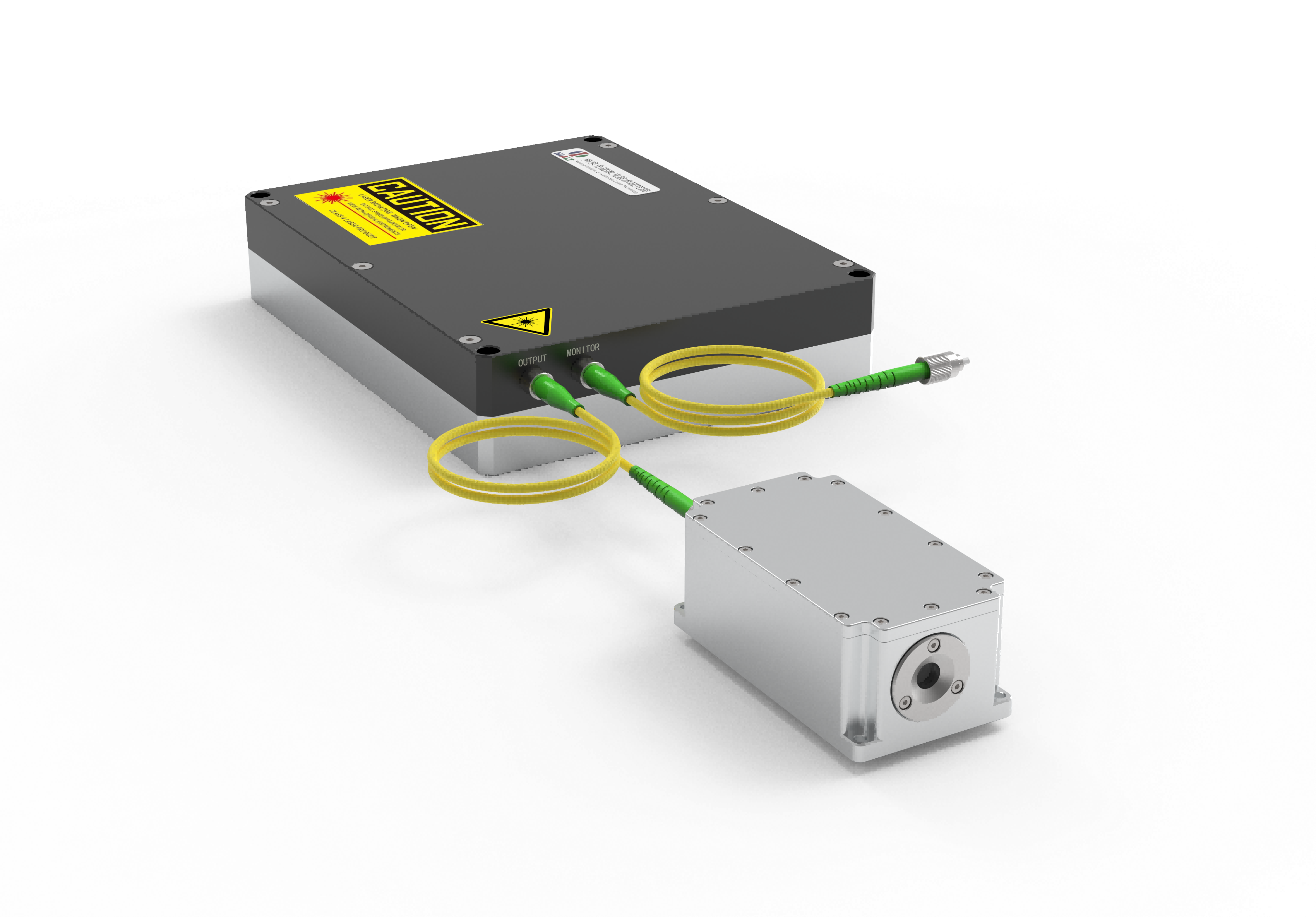
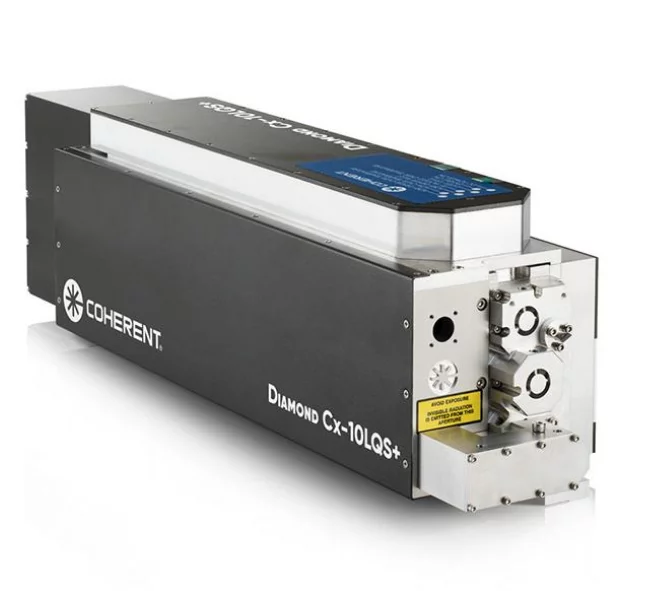
An optical laser source represents a sophisticated photonic device that generates coherent, monochromatic light through stimulated emission of radiation. This cutting-edge technology serves as the foundation for numerous industrial, scientific, and commercial applications where precise light control is essential. The optical laser source operates by exciting atoms or molecules within a gain medium, causing them to emit photons in a highly organized manner. This process creates a beam of light with exceptional characteristics including temporal and spatial coherence, narrow spectral linewidth, and high brightness. Modern optical laser sources incorporate advanced cavity designs, precise temperature control systems, and sophisticated feedback mechanisms to ensure stable operation and consistent output parameters. These devices can generate light across various wavelengths, from ultraviolet through visible to infrared spectrums, depending on the specific gain medium and cavity configuration employed. The technological architecture typically includes pump sources, optical resonators, beam shaping elements, and control electronics that work together to produce the desired optical output. Key performance parameters of an optical laser source include output power stability, wavelength accuracy, beam quality factor, and long-term reliability. Advanced models feature computer-controlled interfaces that allow real-time monitoring and adjustment of operating parameters. The compact design of contemporary optical laser sources makes them suitable for integration into larger systems while maintaining excellent thermal management and vibration resistance. Many units incorporate safety features such as interlock systems, emission indicators, and protective housings to ensure safe operation in various environments. The versatility of optical laser sources extends to their ability to operate in continuous wave or pulsed modes, providing flexibility for different application requirements.

New Products

The optical laser source delivers remarkable precision and control that traditional light sources simply cannot match, making it an invaluable tool for modern applications. Users benefit from exceptional beam quality that maintains consistent intensity distribution and minimal divergence over long distances, ensuring reliable performance in demanding environments. The coherent nature of laser light enables interferometric measurements with unprecedented accuracy, allowing scientists and engineers to detect minute changes in distance, vibration, or material properties that would be impossible with conventional illumination methods. Energy efficiency stands as another significant advantage, as optical laser sources convert electrical power into light with remarkable effectiveness, reducing operational costs and environmental impact compared to alternative technologies. The narrow spectral bandwidth characteristic of laser emission provides superior selectivity in spectroscopic applications, enabling precise identification and analysis of materials based on their unique optical signatures. This spectral purity also enhances performance in fiber optic communications, where signal integrity depends on minimizing chromatic dispersion and maintaining consistent wavelength output. Operational stability represents a crucial benefit for industrial users, as modern optical laser sources maintain consistent output parameters over extended periods without significant drift or degradation. This reliability reduces maintenance requirements and eliminates the need for frequent recalibration in production environments. The compact form factor of contemporary optical laser sources facilitates integration into space-constrained applications while providing robust mechanical construction that withstands vibration, temperature fluctuations, and other environmental challenges. Users appreciate the instant-on capability that eliminates warm-up delays associated with traditional lamp-based systems, improving productivity and enabling rapid switching between different measurement tasks. The ability to modulate laser output at high frequencies opens possibilities for advanced sensing techniques, data transmission applications, and time-resolved measurements that require precise temporal control. Safety features built into modern optical laser sources protect operators while ensuring compliance with international standards and regulations governing laser use in various industries.

Latest News

Can a laser drilling machine be integrated into an automated production line?

19

Nov

Can a laser drilling machine be integrated into an automated production line?

Modern manufacturing demands unprecedented levels of precision, efficiency, and automation to remain competitive in today's global marketplace. The integration of advanced equipment into automated production lines has become essential for manufacture...
View More
How do handheld laser cleaning machines contribute to environmentally friendly cleaning practices?

19

Nov

How do handheld laser cleaning machines contribute to environmentally friendly cleaning practices?

Modern industrial cleaning practices are undergoing a revolutionary transformation as companies seek more sustainable and environmentally conscious solutions. Traditional cleaning methods often rely on harsh chemicals, abrasive materials, and process...
View More
How Does Handheld Laser Welding Compare to Traditional Welding Methods?

19

Nov

How Does Handheld Laser Welding Compare to Traditional Welding Methods?

The welding industry has experienced significant technological advancement over the past decade, with handheld laser welding emerging as a revolutionary alternative to conventional welding techniques. This innovative technology represents a paradigm ...
View More
Top 5 Beam Expander Applications in Laser Systems

21

Oct

Top 5 Beam Expander Applications in Laser Systems

Understanding the Revolutionary Impact of Laser Beam Expansion Technology Modern laser systems have transformed numerous industries, from medical procedures to advanced manufacturing. At the heart of many of these applications lies a crucial optical ...
View More

Get a Free Quote

Our representative will contact you soon.
Email
Name
Company Name
Message
0/1000

optical laser source

Unmatched Precision and Measurement Accuracy

Unmatched Precision and Measurement Accuracy

The optical laser source revolutionizes precision measurement applications through its unique ability to generate coherent light with exceptional stability and control. This remarkable precision stems from the fundamental physics of stimulated emission, which produces photons that travel in perfect synchronization with identical frequency, phase, and direction. When deployed in interferometric systems, an optical laser source can detect dimensional changes smaller than a fraction of its wavelength, enabling measurements with sub-nanometer resolution that surpass the capabilities of any other measurement technology. Industrial manufacturers leverage this precision for quality control processes where minute variations in component dimensions directly impact product performance and reliability. The coherent beam properties allow for non-contact measurement techniques that eliminate mechanical wear and contamination issues associated with traditional contact-based measurement methods. Research laboratories utilize optical laser sources for fundamental physics experiments, gravitational wave detection, and atomic-scale investigations where measurement uncertainty must be minimized to achieve meaningful results. The temporal coherence of laser light enables long-path interferometry, making it possible to measure large distances with extraordinary accuracy while maintaining sensitivity to microscopic changes. This capability proves invaluable in structural monitoring applications where early detection of minute deformations can prevent catastrophic failures in bridges, buildings, and other critical infrastructure. The optical laser source maintains its precision characteristics across varying environmental conditions through sophisticated temperature stabilization and vibration isolation systems that ensure consistent performance regardless of external influences. Advanced feedback control mechanisms continuously monitor and adjust operating parameters to compensate for any drift or instability, providing users with confidence in measurement reliability over extended operational periods.
Superior Energy Efficiency and Cost Effectiveness

Superior Energy Efficiency and Cost Effectiveness

Modern optical laser sources demonstrate exceptional energy efficiency that translates directly into reduced operational costs and enhanced environmental sustainability for users across diverse applications. Unlike traditional incandescent or arc lamp sources that waste significant energy as heat, optical laser sources convert electrical input power into useful optical output with efficiency levels often exceeding eighty percent in optimized designs. This superior efficiency results from the direct conversion process inherent in laser operation, where electrical energy stimulates the gain medium to produce coherent photons without the intermediate thermal losses that plague conventional lighting technologies. Industrial facilities benefit from lower electricity consumption when replacing traditional illumination systems with optical laser sources, particularly in applications requiring intense, focused light for manufacturing processes, material processing, or inspection tasks. The reduced heat generation associated with efficient optical laser sources eliminates the need for extensive cooling systems, further decreasing energy consumption and operational complexity while extending the lifespan of surrounding equipment and components. Long-term cost analysis reveals that despite higher initial investment costs, optical laser sources provide superior return on investment through reduced maintenance requirements, longer operational lifespans, and consistent performance that minimizes downtime and replacement frequency. The solid-state construction of many optical laser sources eliminates consumable components such as filaments or electrodes that require regular replacement in traditional light sources, reducing both material costs and labor expenses associated with routine maintenance activities. Energy-efficient operation also contributes to reduced carbon footprint for environmentally conscious organizations seeking to minimize their impact while maintaining high-performance capabilities. The precise control possible with optical laser sources allows users to optimize power consumption by delivering exactly the required light intensity for specific tasks, avoiding the energy waste associated with oversized conventional lighting systems that cannot be easily adjusted to match application requirements.
Versatile Applications Across Multiple Industries

Versatile Applications Across Multiple Industries

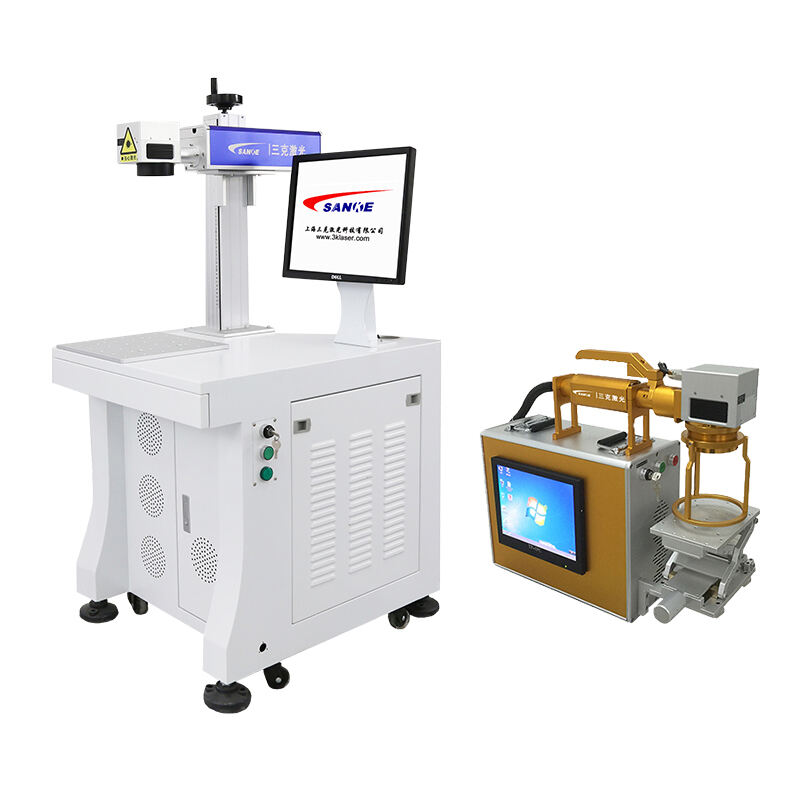
The optical laser source demonstrates remarkable versatility through its adaptation to diverse industrial sectors, scientific research, medical procedures, and emerging technological applications that continue to expand the boundaries of what is possible with coherent light technology. Manufacturing industries harness optical laser sources for precision cutting, welding, and marking operations where the concentrated energy density and precise beam control enable processing of materials ranging from delicate electronics components to heavy industrial metals with exceptional quality and minimal waste. Medical professionals rely on optical laser sources for surgical procedures, diagnostic imaging, and therapeutic treatments where the ability to deliver controlled energy to specific tissue areas provides superior patient outcomes compared to traditional surgical methods. Telecommunications networks depend on optical laser sources as the foundation for fiber optic communication systems that carry vast amounts of digital information across global networks with unprecedented speed and reliability. Scientific research institutions utilize optical laser sources for spectroscopy, microscopy, and fundamental physics experiments where the unique properties of coherent light enable discoveries and measurements that advance human knowledge and technological capabilities. Entertainment and display industries incorporate optical laser sources into projection systems, light shows, and immersive visual experiences that captivate audiences through brilliant colors and dynamic effects impossible to achieve with conventional lighting technologies. Automotive manufacturers integrate optical laser sources into advanced safety systems including lidar sensors for autonomous vehicle navigation, adaptive lighting systems that improve visibility, and quality control processes that ensure component precision and reliability. Aerospace applications leverage optical laser sources for satellite communications, precision navigation systems, and materials research under extreme conditions where reliability and performance consistency remain critical factors. The continuing evolution of optical laser source technology opens new possibilities in emerging fields such as quantum computing, advanced materials processing, and next-generation sensor systems that will shape future technological developments across multiple sectors and applications.

Get a Free Quote

Our representative will contact you soon.
Email
Name
Company Name
Message
0/1000