laser lab source
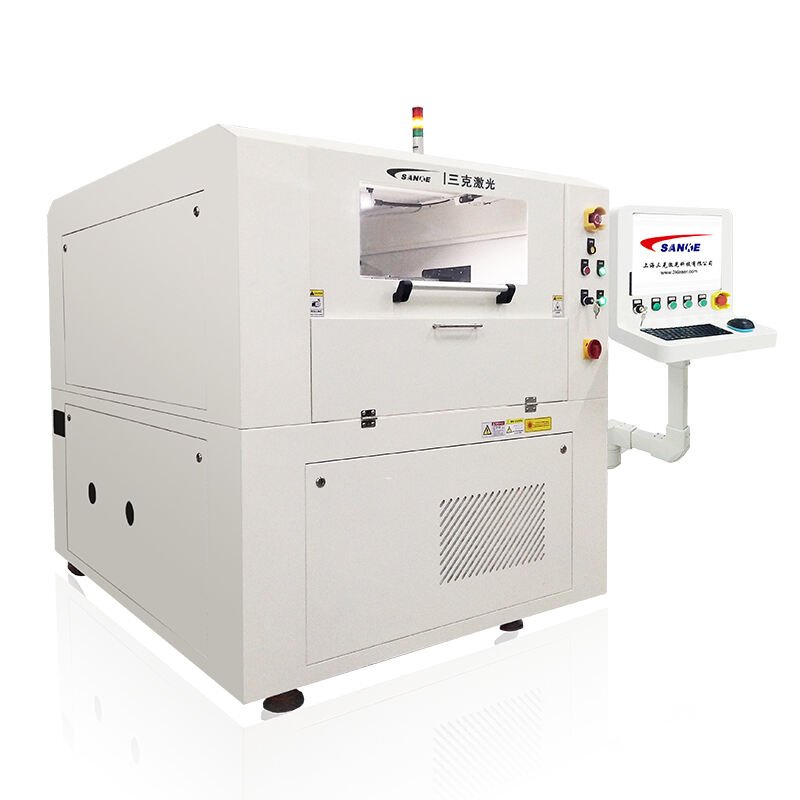
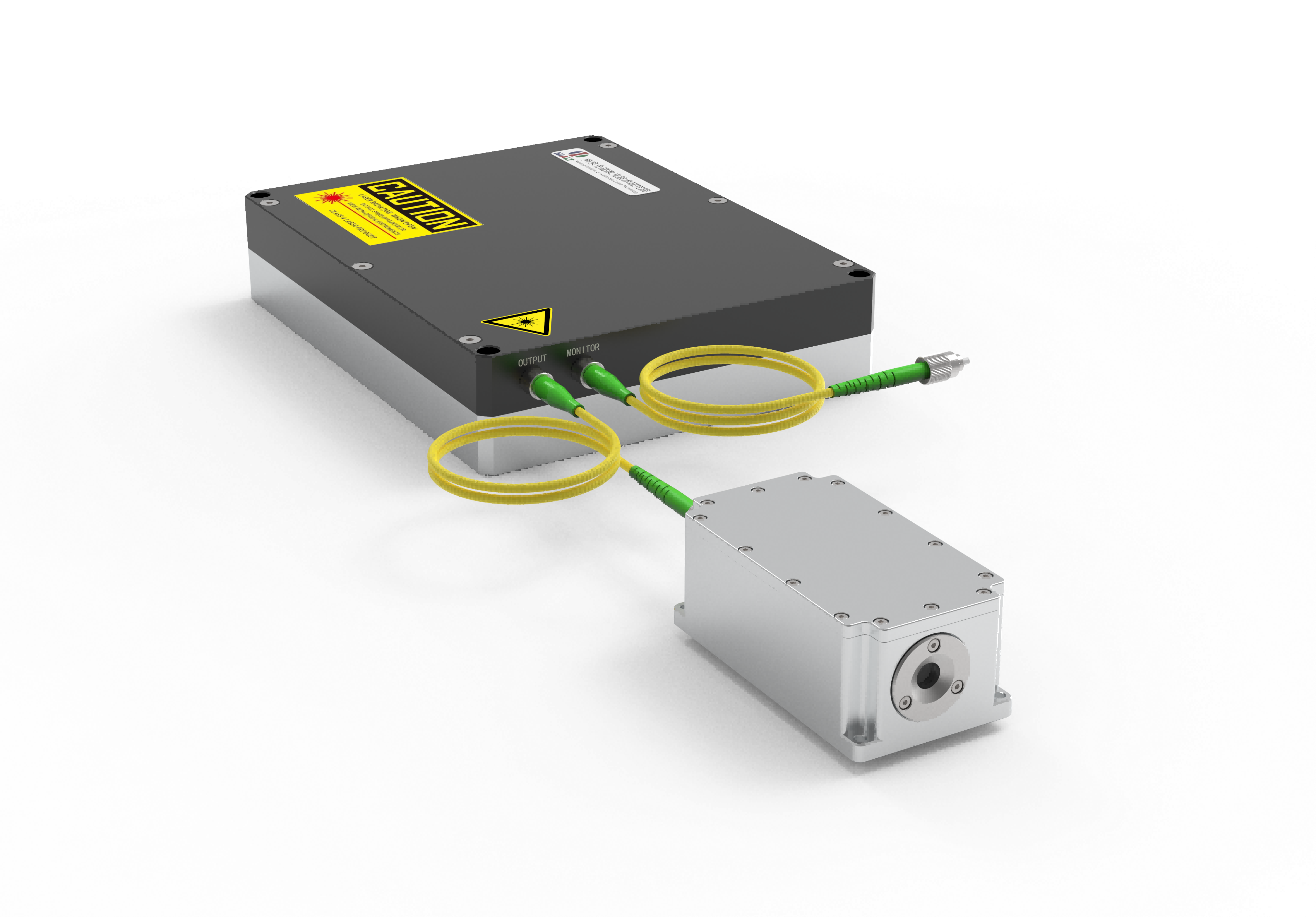
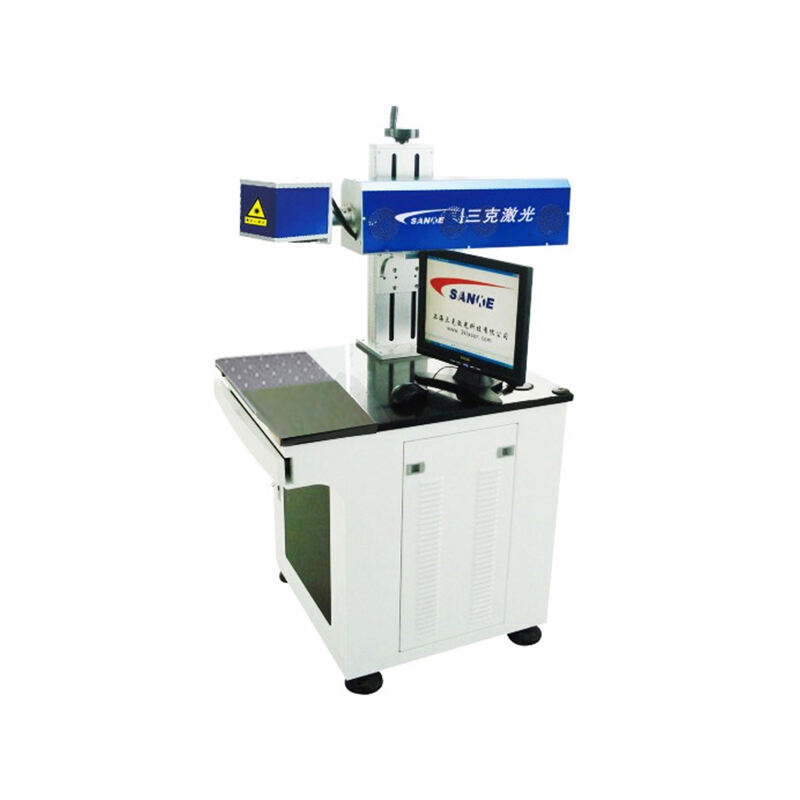
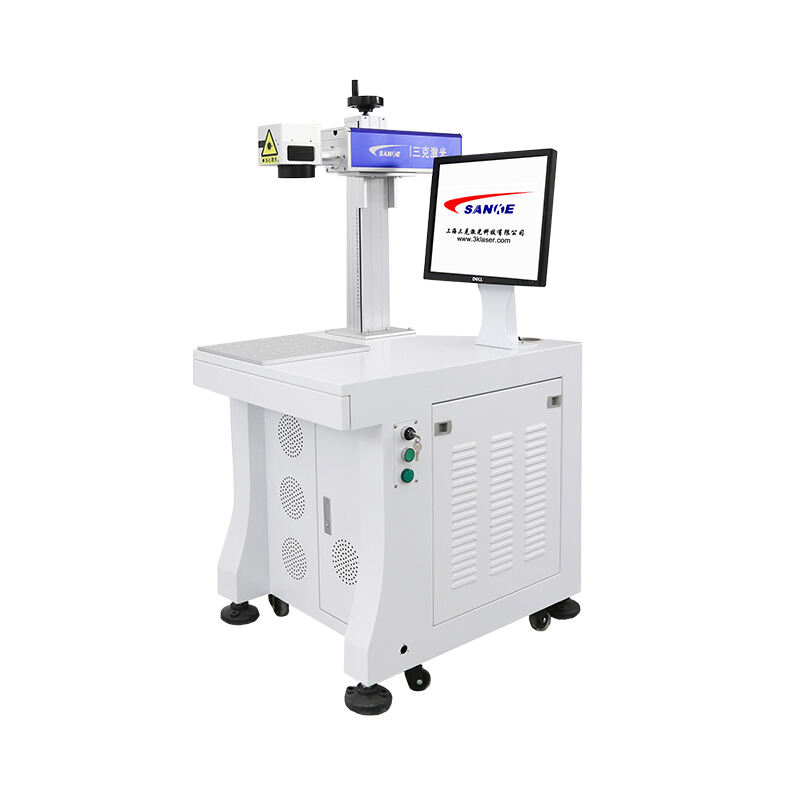
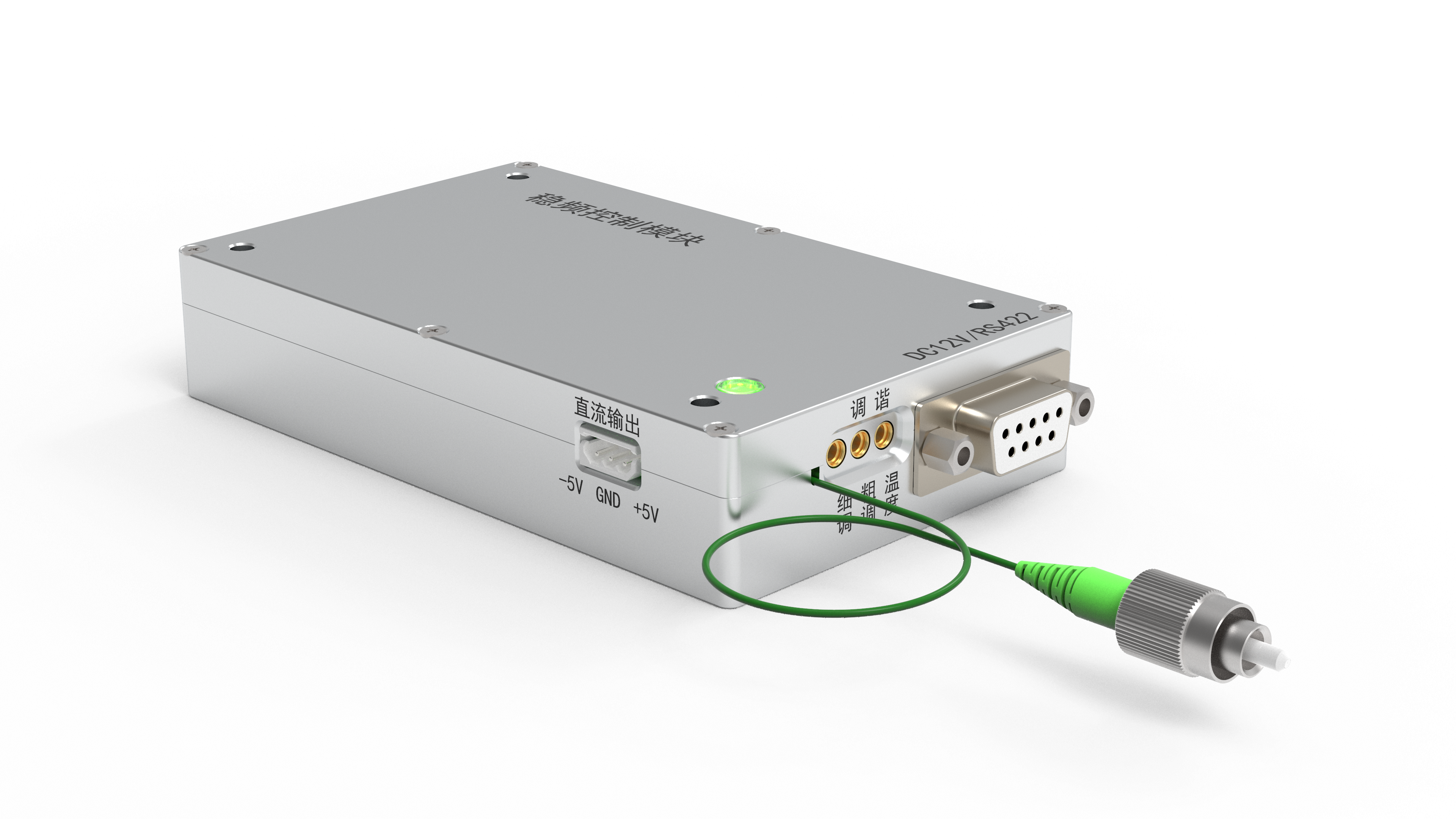
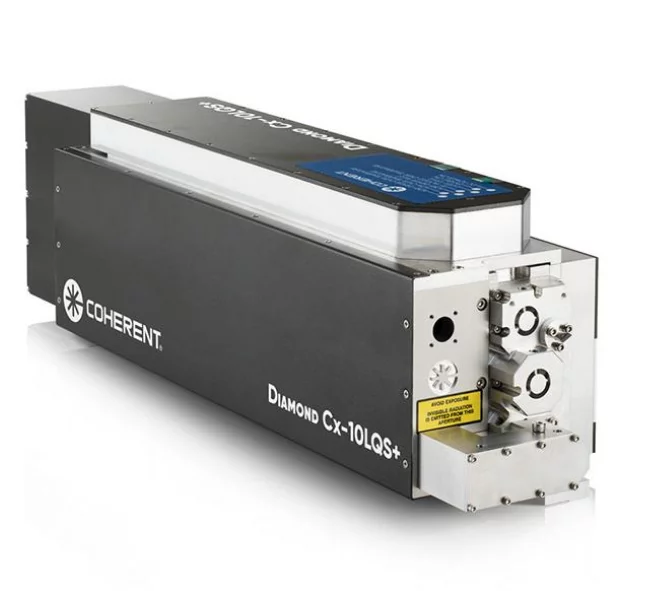
A laser lab source represents a fundamental cornerstone of modern scientific research and industrial applications, serving as a sophisticated optical instrument that generates coherent, monochromatic light with exceptional precision and control. This advanced technological solution encompasses various laser configurations designed specifically for laboratory environments, research facilities, and specialized industrial processes. The laser lab source operates through stimulated emission of radiation, producing highly focused beams with remarkable stability and consistency. These systems incorporate cutting-edge optics, precision control mechanisms, and advanced monitoring capabilities to deliver reliable performance across diverse experimental conditions. The primary functions of a laser lab source include providing stable optical pumping for spectroscopy applications, enabling precise material processing and analysis, facilitating quantum optics research, and supporting photonics development projects. Modern laser lab source systems feature sophisticated wavelength tunability, allowing researchers to access specific spectral regions required for their experiments. The technological architecture integrates temperature stabilization systems, power regulation circuits, and beam quality optimization components to ensure consistent output characteristics. These sources typically offer multiple operating modes, including continuous wave and pulsed operation, with adjustable parameters such as power output, pulse duration, and repetition rates. Advanced laser lab source configurations incorporate computerized control interfaces, enabling remote operation and automated parameter adjustment. The modular design approach allows for customization based on specific research requirements, making these systems versatile tools for various scientific disciplines. Whether utilized in physics research, chemistry analysis, biology studies, or materials science investigations, the laser lab source provides researchers with the precision and reliability necessary for achieving accurate experimental results and advancing scientific knowledge in their respective fields.
 EN
EN
 AR
AR
 FR
FR
 DE
DE
 JA
JA
 KO
KO
 RU
RU
 ES
ES