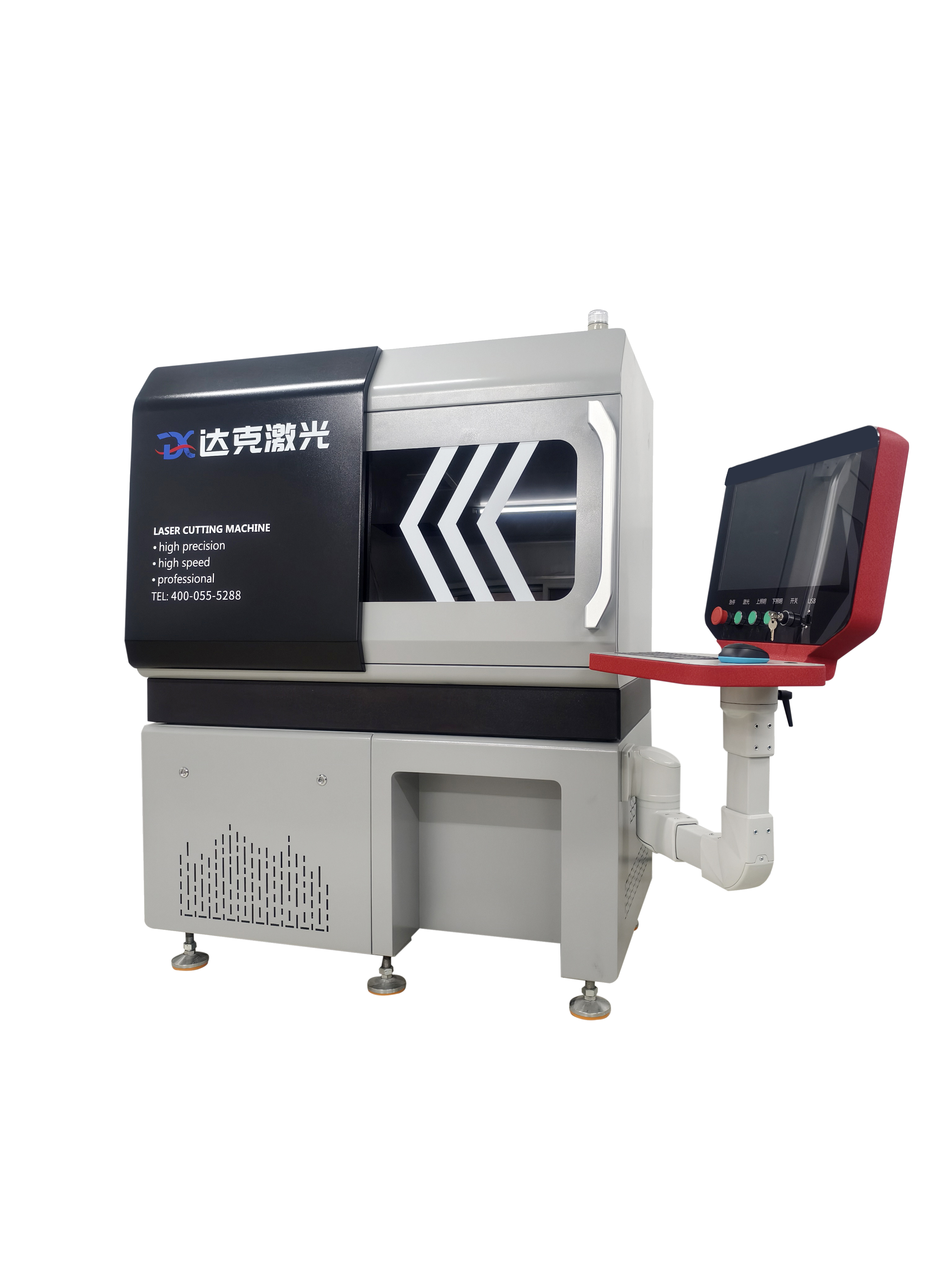
5 axis laser cutting
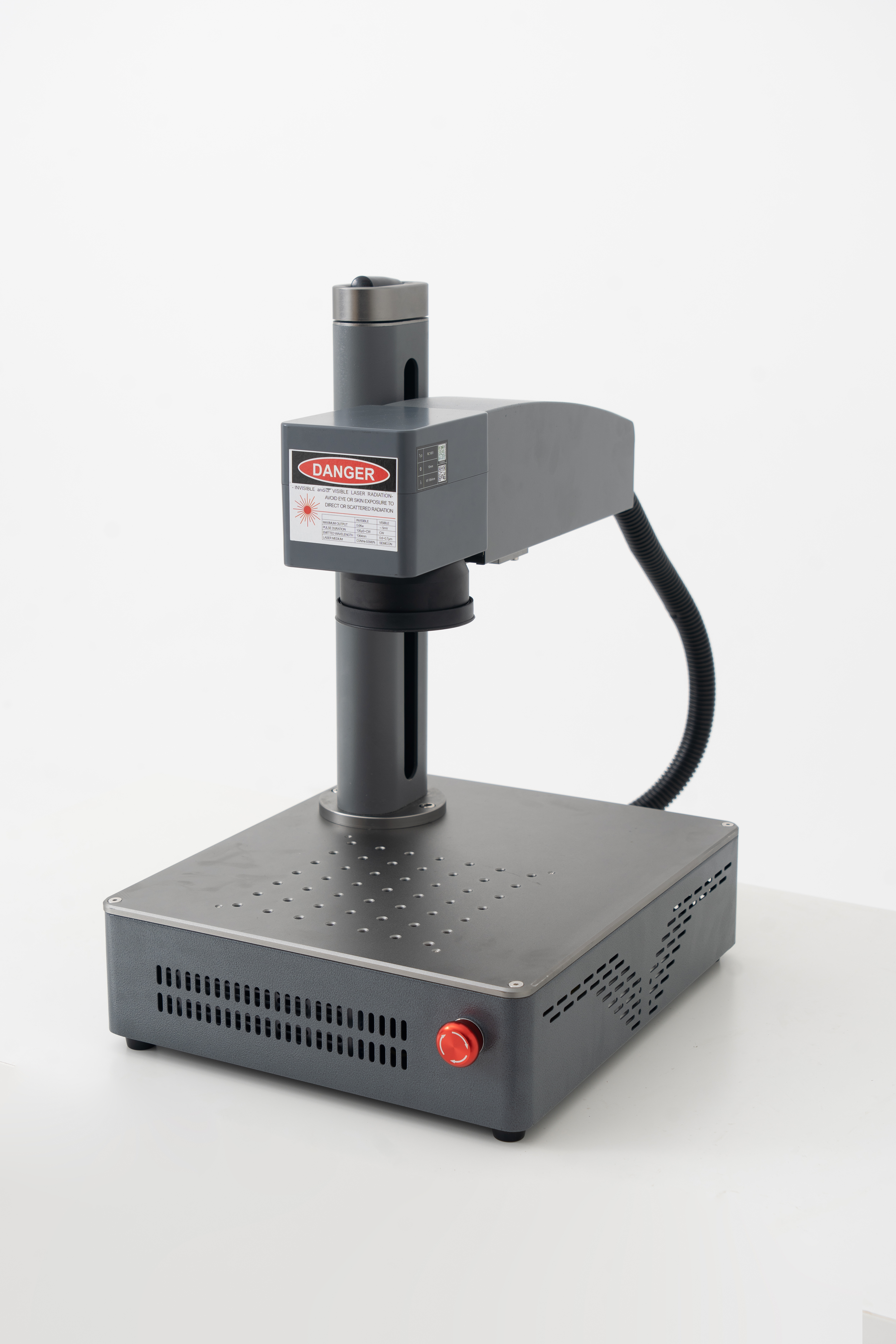
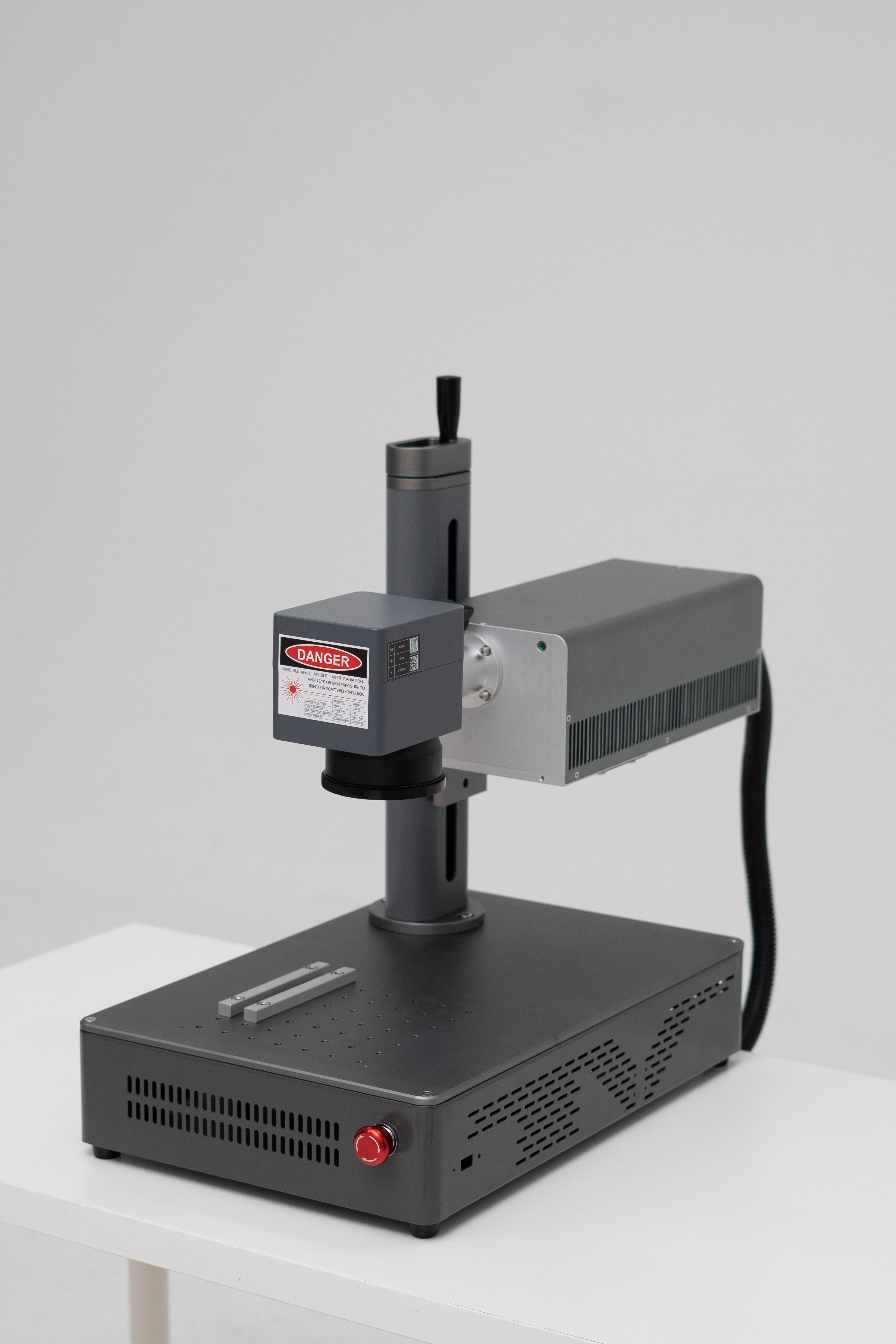
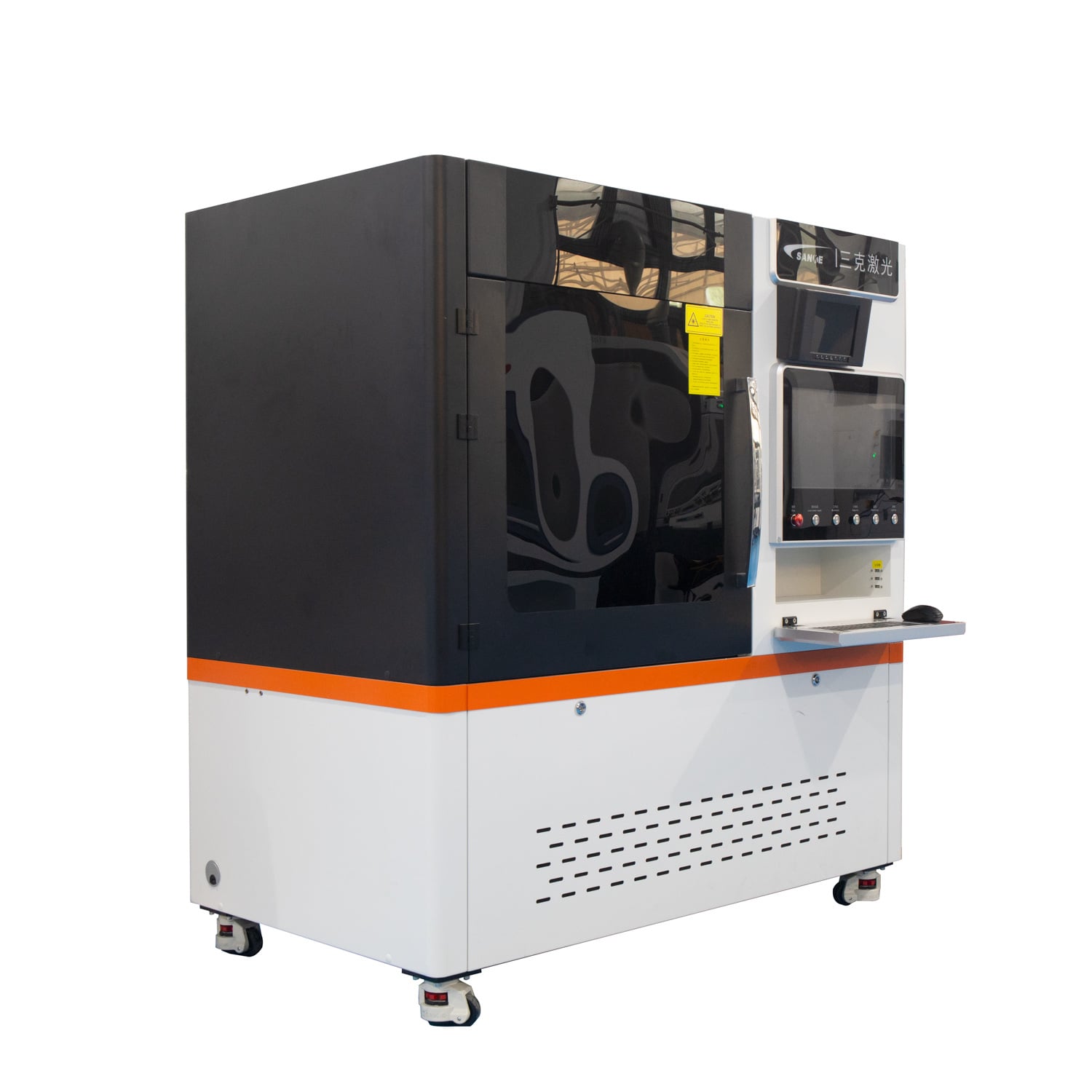
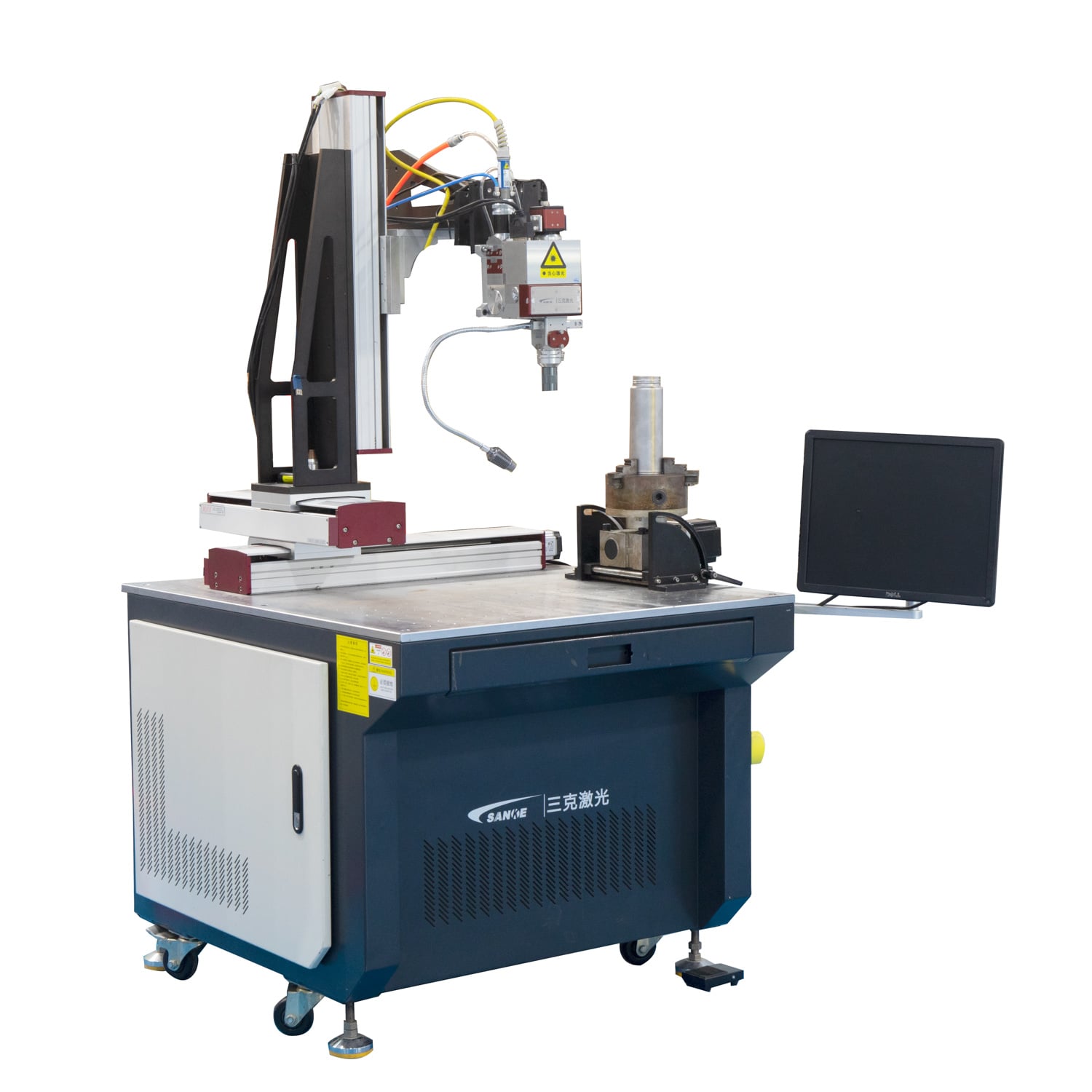
5 axis laser cutting represents a revolutionary advancement in precision manufacturing technology that enables cutting operations along five different axes simultaneously. Unlike traditional three-axis systems that move only along X, Y, and Z coordinates, 5 axis laser cutting incorporates two additional rotational movements, allowing the laser cutting head to approach materials from virtually any angle. This sophisticated technology combines computer numerical control with high-powered laser systems to deliver exceptional accuracy and versatility across complex geometries. The main functions include three-dimensional contour cutting, beveling at variable angles, tube and pipe processing, and intricate part fabrication that would be impossible with conventional methods. The technological features encompass advanced motion control systems, real-time path optimization, automatic focal length adjustment, and integrated CAD-CAM software for seamless design-to-production workflows. This cutting-edge solution finds extensive applications across aerospace component manufacturing, automotive part production, medical device fabrication, architectural metalwork, and custom industrial equipment manufacturing. The ability to maintain optimal cutting angles throughout the entire process eliminates the need for multiple setups and secondary operations, significantly reducing production time and material waste. Industries requiring complex three-dimensional cuts, chamfered edges, or precise angular cuts benefit tremendously from this technology, as it delivers consistent quality across both prototype development and high-volume production runs, making it an indispensable tool for modern manufacturing facilities.
 EN
EN
 AR
AR
 FR
FR
 DE
DE
 JA
JA
 KO
KO
 RU
RU
 ES
ES