 EN
EN
 AR
AR
 FR
FR
 DE
DE
 JA
JA
 KO
KO
 RU
RU
 ES
ES


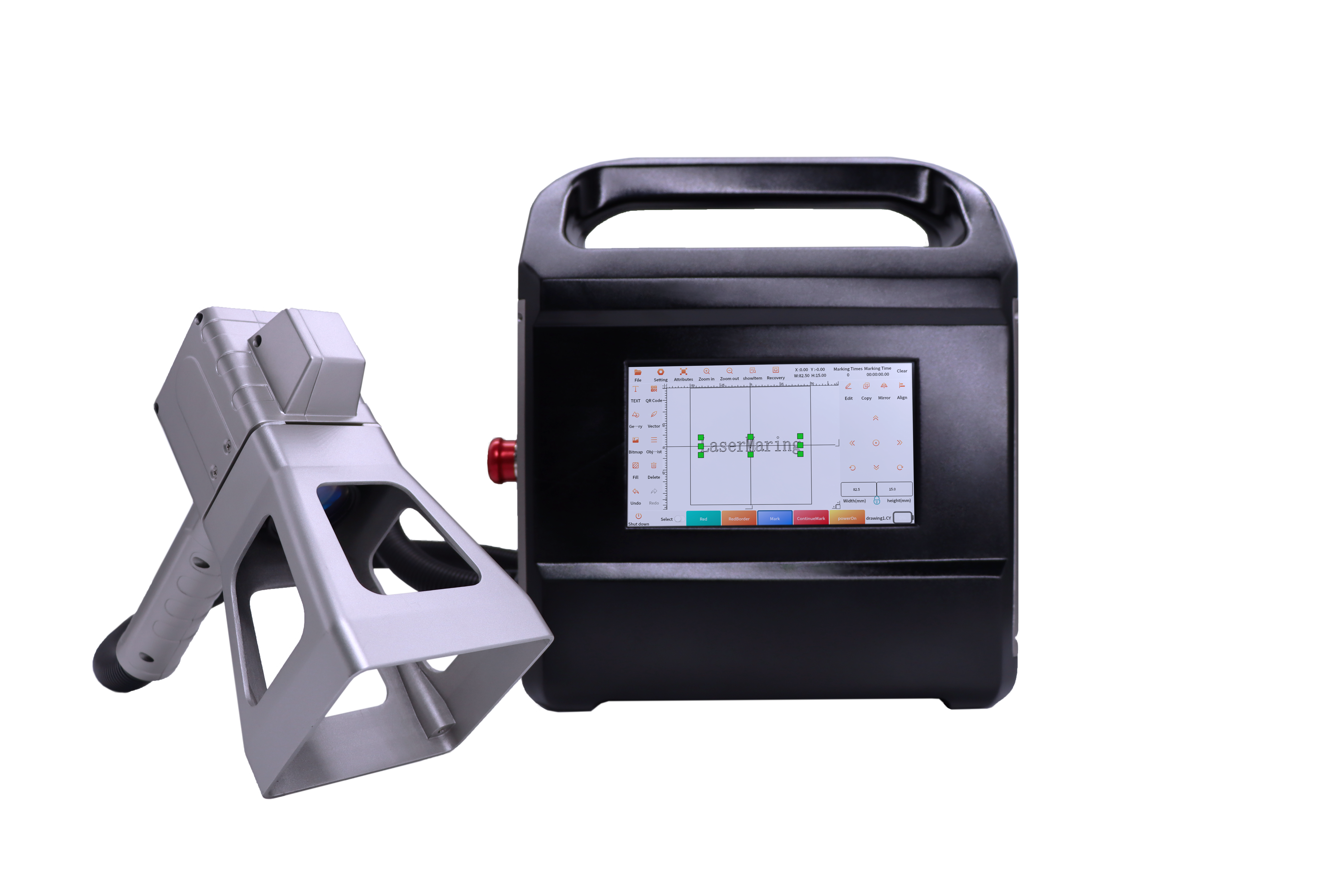
Laser cleaning applications in automotive are revolutionizing how manufacturers and service centers maintain equipment, remove contaminants, and prepare surfaces for critical operations. The automotive industry faces constant pressure to improve efficiency, reduce downtime, and maintain strict quality standards. Traditional cleaning methods—including chemical solvents, abrasive blasting, and mechanical scrubbing—are time-consuming, environmentally problematic, and often leave residue that compromises surface integrity. Laser cleaning applications in automotive solve these challenges by delivering precise, non-contact contamination removal that preserves underlying materials while meeting industry compliance requirements.
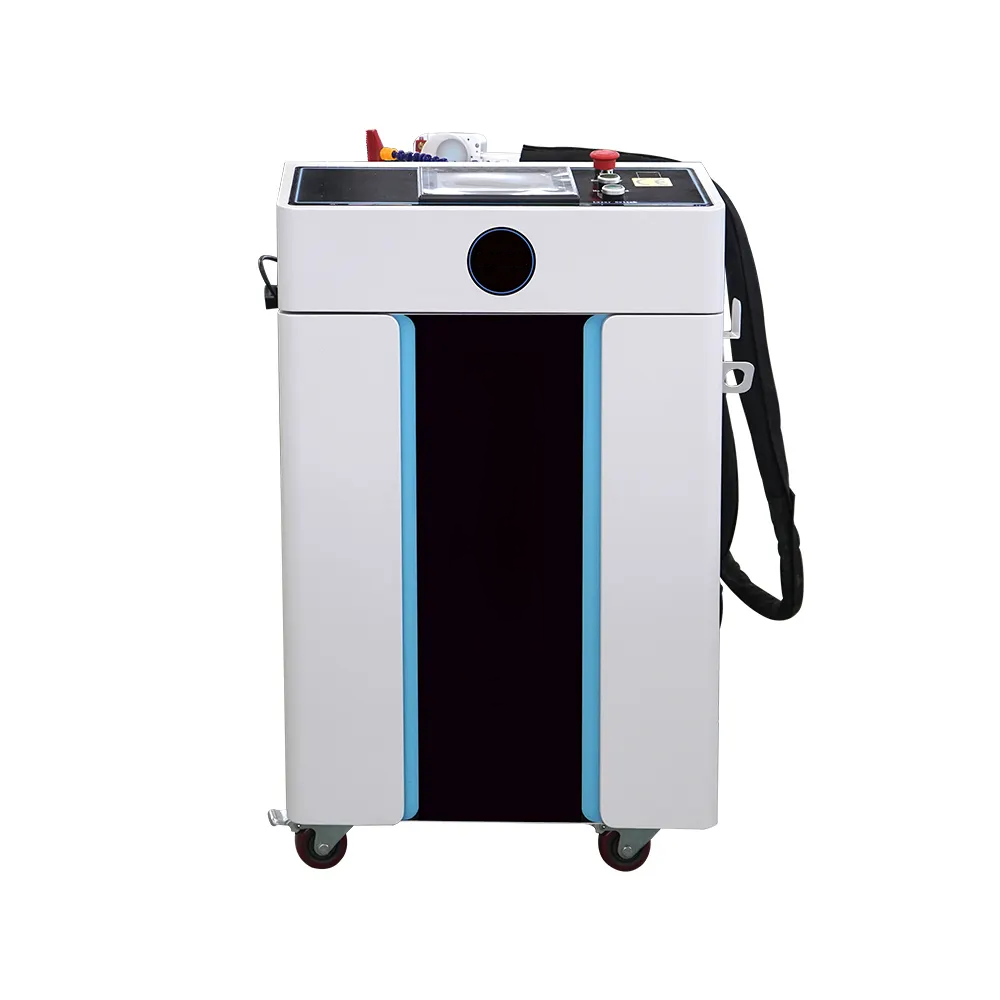
The automotive sector encompasses diverse cleaning demands—from production floor preparation to post-manufacturing inspection and field maintenance. Laser cleaning applications in automotive address rust removal, paint stripping, weld spatter cleaning, and surface degreasing with unmatched control and minimal secondary waste. Understanding the specific laser cleaning applications in automotive helps facility managers, maintenance engineers, and production planners select the right technology to support operational goals, reduce labor hours, and extend asset lifespan.
Pre-Assembly Surface Preparation and Contamination Removal
Rust and Oxide Layer Elimination in Automotive Manufacturing
Rust and oxide buildup on metal components prevent proper adhesion of coatings, welds, and fasteners. In automotive manufacturing, laser cleaning applications in automotive enable technicians to remove rust layers without damaging the base metal substrate. Fiber laser technology targets oxidation selectively, vaporizing corrosion while leaving the underlying steel or aluminum intact. This precision is critical when processing stamped parts, tubing assemblies, and engine blocks that require flawless surface conditions before welding or coating application.
The laser cleaning applications in automotive process occurs in seconds per part, dramatically reducing production cycle time compared to wire brushing or chemical stripping. Workers avoid exposure to harsh solvents, and facilities eliminate hazardous waste disposal costs. Because laser cleaning applications in automotive leave no chemical residue, the cleaned surface is immediately ready for the next manufacturing step—painting, adhesive application, or joining—without rinsing or drying delays.
Degreasing and Flux Residue Removal
Automotive assembly lines use cutting oils, stamping fluids, and welding fluxes that leave residue on components. Traditional degreasing requires multiple solvent dips and extended air dry times. Laser cleaning applications in automotive eliminate grease and flux instantly through thermal ablation, where the laser pulse heats contaminant layers to their vaporization point. This non-contact method works on complex geometries—bracket assemblies, sensor housings, connector bodies—where manual scrubbing is impractical.
Implementing laser cleaning applications in automotive for flux removal improves weld quality by ensuring contact between mating surfaces and reduces post-weld touch-up labor. Plants report that laser cleaning applications in automotive reduce rework rates for failed adhesive joints and sealant application by up to 15 percent, directly improving first-pass quality metrics.
Weld Spatter and Edge Preparation
Weld Spatter Removal Without Material Loss
Laser welding and MIG welding of automotive frames and subassemblies generate spatter—tiny globules of molten metal that adhere to surfaces around the weld bead. Spatter removal is labor-intensive when performed manually with chisels or grinding discs, and mechanical methods risk gouging the base material. Laser cleaning applications in automotive deliver controlled energy that melts and lifts spatter while preserving dimensional tolerances and surface finish. This precision matters especially on painted or plated surfaces where spatter residue affects visual quality and coating adhesion.
Engineers implementing laser cleaning applications in automotive for spatter removal observe dramatic labor cost reductions and improved aesthetic quality on exposed welds. Because the process is repeatable and programmable, automated laser cleaning applications in automotive can be integrated directly into welding cell layouts, enabling in-process cleaning without moving parts to separate stations.
Edge and Burr Cleanup After Cutting Operations
Laser cutting, plasma cutting, and waterjet cutting of automotive sheet metal and tubing leave sharp burrs, heat-affected zones, and oxidized edges. Burr removal traditionally requires secondary grinding, which adds cost and generates metallic dust requiring environmental controls. Laser cleaning applications in automotive selectively vaporize burr formations and oxidation layers without removing base material or altering critical dimensions. Manufacturers report that laser cleaning applications in automotive reduce edge preparation labor by 40 to 50 percent on high-volume cutting operations.
This capability is especially valuable for stamped aluminum and stainless steel components where corrosion or discoloration after cutting compromises appearance and coating performance. Laser cleaning applications in automotive ensure consistent edge condition across all parts, improving downstream coating and assembly quality metrics.
Coating Removal and Surface Reconditioning
Selective Paint and Polymer Coating Removal
Automotive repair, refurbishment, and remanufacturing require targeted removal of paint, powder coat, or epoxy layers for inspection, repair welding, or complete recoating. Chemical strippers are slow, environmentally hazardous, and often leave thin residue layers that compromise new coating adhesion. Laser cleaning applications in automotive provide controlled, repeatable coating removal that stops at the base metal or primer layer without gouging. This selectivity is critical on aluminum engine blocks, cast iron transmission housings, and composite body panels where substrate damage is irreversible.
Facilities performing laser cleaning applications in automotive for coating removal report 30 to 50 percent faster turnaround on remanufactured component processing. The process generates minimal hazardous waste, and cleaned parts are immediately ready for inspection or repair without extended drying or solvent-rinsing steps. This efficiency advantage directly reduces remanufacturing costs per unit and accelerates remanufactured parts supply chains.
Corrosion Damage Assessment and Substrate Preparation
Corrosion damage on automotive undercarriages, suspension components, and fastening points must be thoroughly assessed before repair or replacement decisions are made. Heavy rust and scale obscure the base metal, making damage extent unclear. Laser cleaning applications in automotive safely remove corrosion to expose underlying metal condition without gouging, pitting, or further damage. This visibility enables accurate inspection, proper material selection for replacement parts, and appropriate surface preparation for protective coating systems.
Maintenance technicians using laser cleaning applications in automotive for corrosion assessment report significantly improved diagnostic confidence and more informed repair decisions. The non-destructive nature of laser cleaning applications in automotive preserves component integrity for thinner substrates or historically valuable vehicles where material loss is unacceptable.
FAQ
What equipment is required to implement laser cleaning applications in automotive manufacturing facilities?
Most laser cleaning applications in automotive are performed using fiber laser systems ranging from 100 watts to 2000 watts, depending on processing speed and material thickness requirements. Hand-held laser cleaning machines offer flexibility for varied part geometries and production layouts, while automated laser cleaning applications in automotive systems can be integrated into production lines for continuous processing. Facilities should evaluate safety interlocking, operator training requirements, and material-specific parameter settings before deployment to ensure safe, effective laser cleaning applications in automotive implementation.
Are there material limitations or safety concerns with laser cleaning applications in automotive environments?
Laser cleaning applications in automotive work effectively on ferrous metals, aluminum, stainless steel, copper alloys, and many composite substrates. Some painted or coated surfaces may generate fumes during ablation, so laser cleaning applications in automotive should incorporate ventilation or fume extraction. Operator safety requires Class 3B or Class 4 laser interlocks, protective eyewear, and training on material-specific hazards. Laser cleaning applications in automotive are generally safe when proper protocols are followed, and they eliminate exposure to chemical solvents and grinding dust associated with traditional methods.
How do laser cleaning applications in automotive compare in total cost versus traditional cleaning methods?
Laser cleaning applications in automotive initial capital costs are higher than manual tools, but labor and material savings typically achieve payback within 18 to 36 months for moderate-to-high-volume operations. Laser cleaning applications in automotive eliminate consumable costs—no abrasive media, solvents, or replacement brushes—and reduce waste disposal expenses. Because laser cleaning applications in automotive dramatically reduce cycle time and rework rates, total cost per cleaned part is lower than traditional methods at production scales above roughly 500 parts per month. Facilities should model laser cleaning applications in automotive economics against their specific production volumes, labor rates, and waste disposal costs to validate the business case.
Table of Contents
- Pre-Assembly Surface Preparation and Contamination Removal
- Weld Spatter and Edge Preparation
- Coating Removal and Surface Reconditioning
-
FAQ
- What equipment is required to implement laser cleaning applications in automotive manufacturing facilities?
- Are there material limitations or safety concerns with laser cleaning applications in automotive environments?
- How do laser cleaning applications in automotive compare in total cost versus traditional cleaning methods?