 EN
EN
 AR
AR
 FR
FR
 DE
DE
 JA
JA
 KO
KO
 RU
RU
 ES
ES


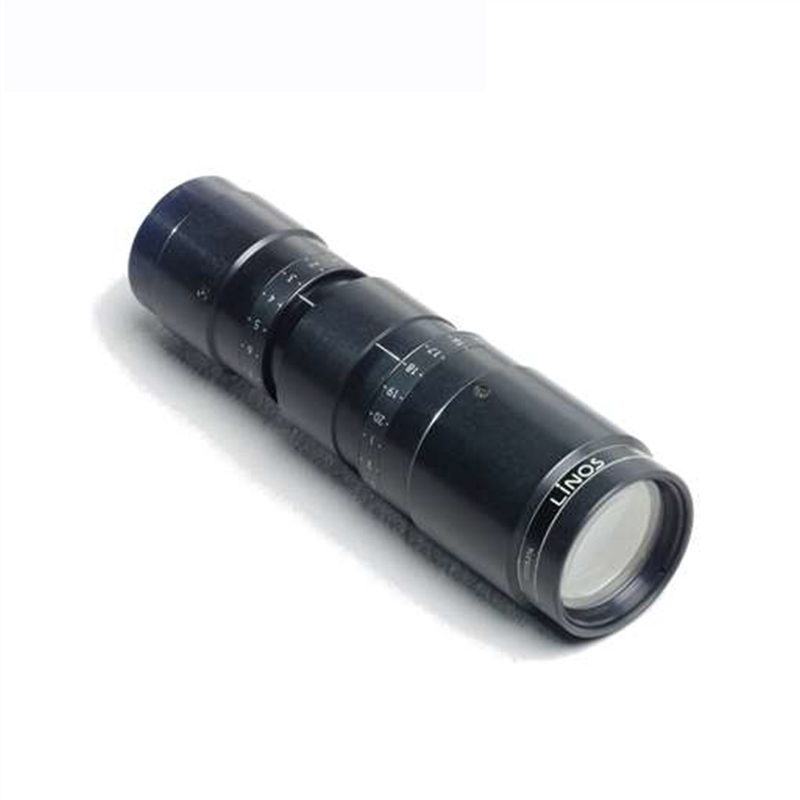
Choosing between fiber laser vs CO2 laser technology represents one of the most critical decisions for manufacturing and industrial operations. Both technologies have transformed material processing across countless industries, yet fiber laser vs CO2 laser each brings distinct advantages and limitations to the table. Understanding when to deploy fiber laser vs CO2 laser requires insight into their fundamental differences, performance characteristics, and real-world applications. This comparison examines fiber laser vs CO2 laser head-to-head, helping you make an informed decision aligned with your specific operational requirements and long-term business objectives.
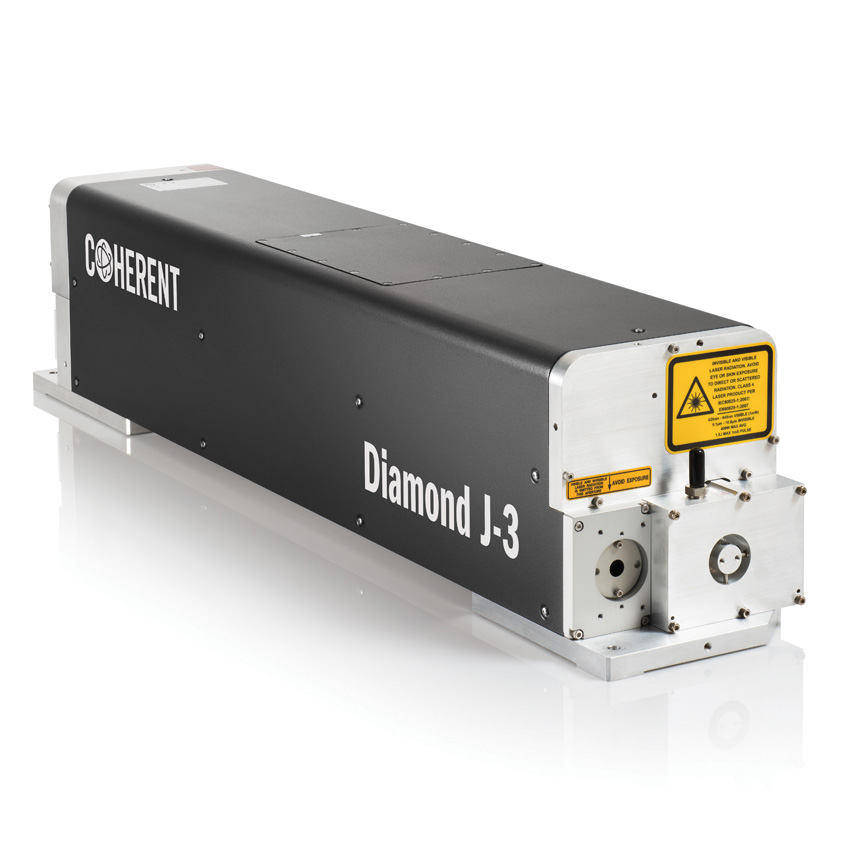
The fiber laser vs CO2 laser debate has intensified as fiber laser technology matured and gained market share in the past decade. While fiber laser vs CO2 laser were once considered entirely separate market segments, modern applications increasingly blur traditional boundaries. Industrial buyers today evaluate fiber laser vs CO2 laser based on cutting precision, marking quality, material compatibility, operational costs, and maintenance demands. Selecting the right platform depends on understanding how fiber laser vs CO2 laser perform under your specific conditions and which technology aligns with your production volume, material mix, and quality standards.
Core Technology Differences Between Fiber Laser and CO2 Laser Systems
How Fiber Laser vs CO2 Laser Generate Light
Fiber laser vs CO2 laser differ fundamentally in how they produce coherent light. A fiber laser vs CO2 laser operates by exciting rare-earth elements, typically ytterbium, within a fiber-optic cable core. This creates a concentrated beam that travels through the optical fiber itself. In contrast, fiber laser vs CO2 laser technology in the CO2 variant uses electrical discharge within a gas mixture chamber to excite carbon dioxide molecules, generating infrared light at 10.6 micrometers. The fiber laser vs CO2 laser distinction in wavelength proves crucial: fiber laser vs CO2 laser operate at 1.064 micrometers, making fiber laser vs CO2 laser significantly different in how materials absorb and respond to the energy. This fundamental fiber laser vs CO2 laser difference shapes everything from material compatibility to beam delivery mechanisms.
Beam Quality and Precision Characteristics
When comparing fiber laser vs CO2 laser beam quality, fiber laser vs CO2 laser systems deliver superior focus spot sizes and tighter beam profiles. The fiber laser vs CO2 laser advantage in beam quality stems from the wavelength itself: shorter fiber laser vs CO2 laser wavelengths concentrate energy more densely. Fiber laser vs CO2 laser achieves much finer detail in marking applications, while fiber laser vs CO2 laser requires larger optics and produces inherently larger spot sizes. For precision work requiring sub-millimeter detail, fiber laser vs CO2 laser consistently outperforms fiber laser vs CO2 laser configurations. However, fiber laser vs CO2 laser systems demand more sophisticated alignment and maintenance, whereas fiber laser vs CO2 laser offers greater tolerance for optical misalignment due to longer wavelengths and larger beam characteristics.
Material Processing Performance: Fiber Laser vs CO2 Laser Applications
Metal Processing and Marking Capabilities
Metal processing represents the primary domain where fiber laser vs CO2 laser shows decisive advantage. Metals absorb light at the fiber laser vs CO2 laser wavelength far more efficiently than at the fiber laser vs CO2 laser wavelength. When marking stainless steel, brass, aluminum, or titanium, fiber laser vs CO2 laser delivers superior contrast and processing speed compared to fiber laser vs CO2 laser. Fiber laser vs CO2 laser penetrates metallic surfaces with less energy waste, producing cleaner marks and deeper engravings. For high-volume metal identification, serialization, and decorative marking, fiber laser vs CO2 laser has become the industrial standard. Fiber laser vs CO2 laser systems process metals at speeds 3 to 5 times faster than fiber laser vs CO2 laser equivalents, making fiber laser vs CO2 laser the economically rational choice for metal-heavy production environments.
Organic Material Processing and Laser Cutting
Organic materials including wood, leather, textiles, and rubber respond more favorably to fiber laser vs CO2 laser wavelengths. Glass, acrylic, and certain plastics absorb the fiber laser vs CO2 laser infrared spectrum more readily than fiber laser vs CO2 laser light. For cutting thin films, engravings on delicate surfaces, and detailed pattern work on non-metallic substrates, fiber laser vs CO2 laser has maintained its established market position. Fiber laser vs CO2 laser produces minimal heat distortion on leather and fabric edges, while fiber laser vs CO2 laser wavelengths cause greater thermal stress. Wood engraving with fiber laser vs CO2 laser remains superior for producing fine detail without excessive charring. Fiber laser vs CO2 laser cannot effectively mark metals, making fiber laser vs CO2 laser unsuitable for the largest emerging applications in automotive, aerospace, and electronics manufacturing.
Operational Economics and System Maintenance Considerations
Energy Consumption and Operating Costs
Fiber laser vs CO2 laser systems exhibit dramatically different power consumption profiles. Fiber laser vs CO2 laser operates at electrical-to-optical efficiency rates of 25% to 30%, while fiber laser vs CO2 laser achieves only 5% to 15% efficiency. For high-volume production, this fiber laser vs CO2 laser efficiency advantage translates directly to substantial electricity cost reduction. A typical fiber laser vs CO2 laser system drawing 5 kilowatts produces equivalent cutting performance as a fiber laser vs CO2 laser system requiring 15 to 20 kilowatts. Over multi-year operational cycles, the fiber laser vs CO2 laser power consumption advantage compounds significantly. Facilities with limited electrical infrastructure often favor fiber laser vs CO2 laser because existing fiber laser vs CO2 laser capacity accommodates the lower-power fiber laser vs CO2 laser units. Long-term operational budgets heavily favor fiber laser vs CO2 laser when processing substantial material volumes, even if initial fiber laser vs CO2 laser equipment cost appears comparable.
Maintenance Demands and System Reliability
Maintenance intensity distinguishes fiber laser vs CO2 laser from fiber laser vs CO2 laser significantly. CO2 laser systems (fiber laser vs CO2 laser technology) require frequent mirror cleaning because fiber laser vs CO2 laser mirrors accumulate dust and oxidation within the gas chamber. Fiber laser vs CO2 laser gas mixture requires replacement every 2,000 to 3,000 operating hours, adding consumable costs and downtime. Fiber laser vs CO2 laser systems eliminate these issues entirely: sealed fiber optics require no optical maintenance, and fiber laser vs CO2 laser produces no consumable gas to replenish. Water cooling demands differ too: fiber laser vs CO2 laser typically needs active water circulation, while modern fiber laser vs CO2 laser units employ air cooling or modest water systems. Fiber laser vs CO2 laser uptime exceeds fiber laser vs CO2 laser availability in most industrial settings, directly reducing total cost of ownership over system lifetime.
FAQ
Which laser technology delivers faster cutting speeds for metal production?
Fiber laser vs CO2 laser achieves substantially faster metal cutting speeds, often processing at 3 to 5 times the velocity of fiber laser vs CO2 laser systems. The fiber laser vs CO2 laser wavelength penetrates metallic surfaces more efficiently, requiring less dwell time per cutting path. Fiber laser vs CO2 laser systems process metals at industrial scale with superior edge quality and minimal thermal distortion. For high-volume metal fabrication, fiber laser vs CO2 laser represents the optimal choice for meeting production throughput targets.
Can fiber laser vs CO2 laser systems adequately mark or engrave wood and acrylic materials?
Fiber laser vs CO2 laser cannot effectively mark or engrave wood and acrylic with sufficient quality compared to fiber laser vs CO2 laser systems. These organic materials absorb the fiber laser vs CO2 laser infrared spectrum more readily, producing crisp marks and clean edges. Fiber laser vs CO2 laser wavelengths pass through some transparent materials without adequate absorption, limiting fiber laser vs CO2 laser capability for these applications. Fiber laser vs CO2 laser remains the established technology for wood engraving, acrylic cutting, and decorative organic material processing.
What maintenance advantages does fiber laser vs CO2 laser offer over traditional CO2 systems?
Fiber laser vs CO2 laser systems eliminate several maintenance burdens inherent to fiber laser vs CO2 laser: no mirror cleaning, no gas replacement cycles, minimal water cooling requirements, and sealed optical components resistant to environmental contamination. Fiber laser vs CO2 laser uptime consistently exceeds fiber laser vs CO2 laser availability in manufacturing environments. The fiber laser vs CO2 laser advantage in reliability directly reduces operational downtime and extends system service intervals, lowering total cost of ownership across the equipment lifecycle.