 EN
EN
 AR
AR
 FR
FR
 DE
DE
 JA
JA
 KO
KO
 RU
RU
 ES
ES


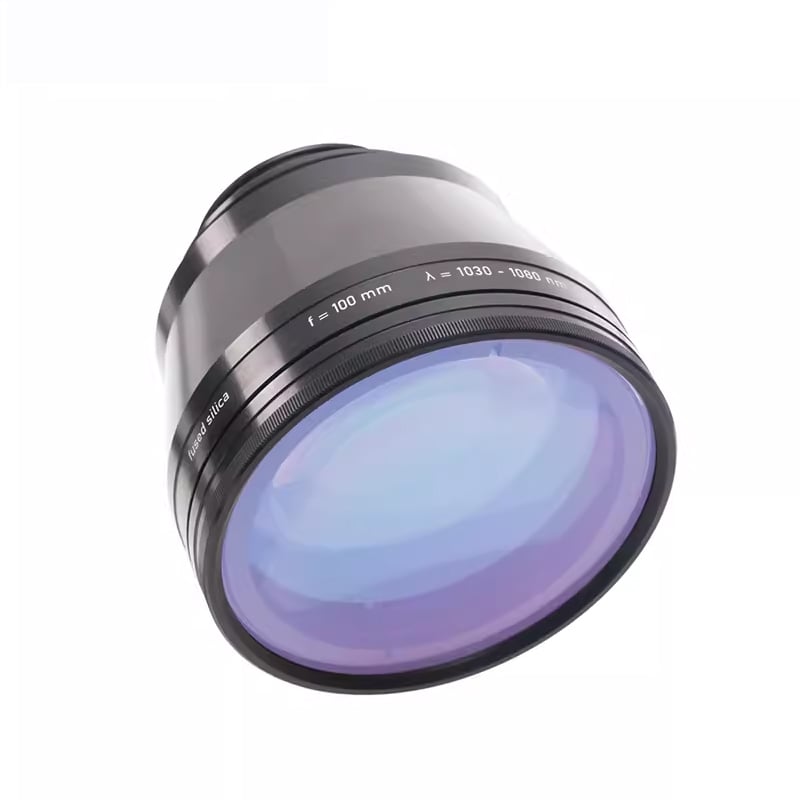
Industrial laser technology continues to revolutionize manufacturing, materials processing, and precision cutting across countless sectors. As we move into 2026, understanding the capabilities and distinctions between different industrial laser types has become essential for engineers, procurement specialists, and facility managers seeking to optimize production efficiency and reduce operational costs. The industrial laser market encompasses diverse technologies, each engineered for specific material interactions, speed requirements, and application scenarios that demand careful evaluation before deployment.
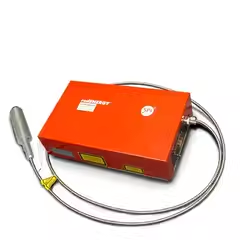
The industrial laser landscape in 2026 reflects significant advancements in beam quality, power output, operational efficiency, and integration with automated systems. Modern industrial laser systems deliver unprecedented precision while maintaining reliability in high-volume production environments, making them invaluable across automotive, aerospace, medical device, electronics, and consumer goods manufacturing. This comprehensive guide explores the major industrial laser types available today, their technical characteristics, practical applications, and strategic considerations for selecting the right technology for your specific production needs.
Core Industrial Laser Types and Technologies
Fiber Laser Systems
Fiber lasers represent one of the most significant advances in modern industrial laser technology, utilizing rare-earth-doped optical fibers as the active medium. An industrial laser using fiber architecture delivers exceptional beam quality with high electrical-to-optical efficiency, typically ranging from 25 to 40 percent compared to lower efficiencies in competing technologies. The compact design of fiber-based industrial laser systems enables seamless integration into existing production lines while occupying minimal floor space, a critical advantage in facilities managing multiple processing stations.
The wavelength characteristics of fiber industrial laser technology make it exceptionally effective for processing metals and dark materials, while remaining somewhat limited for certain polymers and clear materials. Fiber industrial laser systems excel in marking, engraving, cutting, welding, and drilling applications across metalworking, jewelry, electronics, and component manufacturing. Maintenance requirements for an industrial laser of this type remain relatively low, with extended service intervals and minimal consumable replacements compared to traditional CO2 systems, translating to lower total cost of ownership over time.
CO2 Laser Systems
CO2 lasers have long served as workhorses in industrial laser applications, utilizing a gas mixture within an enclosed tube to generate infrared radiation at 10.6 micrometers wavelength. An industrial laser using CO2 technology demonstrates exceptional versatility across organic and composite materials including wood, fabric, leather, plastics, rubber, and acrylic products. The industrial laser CO2 type remains the preferred choice for cutting, engraving, and etching applications where material ablation and clean edges are paramount requirements.
The infrared wavelength of CO2-based industrial laser systems allows deeper penetration into certain materials and delivers superior edge quality on heat-sensitive polymers compared to visible wavelength technologies. However, CO2 industrial laser equipment typically requires more extensive cooling infrastructure, regular tube replacement, and ongoing maintenance of optical components to maintain consistent performance. Despite higher operational demands, CO2 industrial laser technology continues delivering excellent results for applications prioritizing material versatility over electrical efficiency.
Solid-State and YAG Laser Systems
Solid-state industrial laser technology encompasses neodymium-doped YAG and other crystal-based systems that deliver reliable performance across diverse metal processing applications. A solid-state industrial laser provides superior beam coupling efficiency when focused into fiber optics for delivery, enabling flexible configuration and long-distance material processing capabilities. This industrial laser category maintains strong performance in welding, cutting thick steel, and surface treatment applications where high power density proves essential.
The solid-state industrial laser market continues adapting to competitive pressures from fiber laser innovations, yet maintains relevance for specialized applications demanding specific wavelength characteristics or extreme power levels. Thermal management and optical alignment requirements present ongoing considerations when deploying solid-state industrial laser systems, necessitating trained technical personnel for installation and routine maintenance. Understanding when to select solid-state industrial laser technology versus newer fiber alternatives requires detailed application analysis and performance benchmarking.
Practical Applications Across Industries
Metal Fabrication and Welding
Industrial laser cutting and welding capabilities have transformed metal fabrication workflows, enabling precision work previously requiring multiple processing steps and skilled manual labor. An industrial laser system can execute complex cutting patterns through stainless steel, aluminum, and specialty alloys while maintaining dimensional accuracy within tight tolerances, directly supporting automotive and aerospace component manufacturing. Welding applications using industrial laser technology deliver superior joint quality with minimal thermal distortion, critical for lightweight structures and high-reliability assemblies demanding aerospace or medical device certification.
Fiber-based industrial laser systems dominate modern metal fabrication settings due to their efficiency and beam quality advantages, though traditional CO2 and solid-state industrial laser equipment remains operational in many facilities handling thicker material volumes. The integration of industrial laser welding into robotic manufacturing cells has revolutionized production speed and consistency, enabling manufacturers to meet aggressive delivery schedules while maintaining premium quality standards. Cross-industry adoption of industrial laser technology has standardized processes and created extensive technical knowledge within the fabrication sector.
Marking, Engraving, and Personalization
High-precision marking represents one of the fastest-growing industrial laser applications, driven by traceability requirements, aesthetic customization demands, and anti-counterfeiting initiatives across consumer and industrial product sectors. An industrial laser marking system creates permanent identification without consumable supplies, reducing operational costs compared to printing or mechanical engraving approaches. The industrial laser technology enables microsecond pulse control and precise energy delivery, producing crisp characters and complex graphics on metal, plastic, ceramic, and composite surfaces.
Electronics manufacturers rely heavily on industrial laser marking for component identification, serial number encoding, and logo personalization throughout assembly lines, with systems operating at production speeds exceeding 1000 parts per hour. Medical device manufacturers depend upon industrial laser technology for creating indelible markings that survive sterilization processes and remain legible throughout product lifecycle. Jewelry, consumer goods, and industrial equipment sectors increasingly adopt industrial laser marking to strengthen brand presence and enable product differentiation in competitive markets.
Materials Processing and Surface Treatment
Surface modification using industrial laser technology has expanded capabilities for material hardening, texture creation, cleaning, and specialized coating applications previously requiring chemical or thermal processes. An industrial laser system can selectively harden steel surfaces to precisely defined depths, improving wear resistance and extending component service life in high-friction applications without metallurgical changes affecting overall part integrity. The industrial laser approach eliminates consumable chemicals, reduces environmental impact, and delivers repeatable results supporting automotive, tool, and industrial equipment manufacturers.
Cleaning applications using pulsed industrial laser systems remove rust, contaminants, and oxidation layers from metal surfaces without causing substrate damage or generating hazardous waste streams. Surface texturing with controlled industrial laser energy patterns creates functional finishes for grip enhancement, adhesion improvement, or aesthetic purposes across consumer products and industrial assemblies. Advanced industrial laser technologies continue expanding into new material classes and process variations, offering manufacturers innovative solutions for quality improvement and cost reduction.
Selection Criteria and Implementation Considerations
Power Requirements and Processing Capacity
Determining appropriate power levels for your industrial laser investment requires detailed analysis of material thickness, cutting speeds, marking density, and production volume targets specific to your manufacturing environment. An industrial laser system rated for 20 watts delivers adequate marking capability for low-to-medium volume operations, while 50, 100, or even 200-watt industrial laser equipment addresses high-speed production lines and thick material cutting demands. The industrial laser power selection directly impacts equipment acquisition cost, operational efficiency, and competitive capability within your market segment.
Performance comparison between industrial laser technologies at equivalent power levels reveals significant efficiency and beam quality differences, with fiber systems typically delivering superior results per watt input compared to CO2 alternatives. Your production speed targets and material portfolio must align with selected industrial laser specifications to ensure realistic implementation timelines and return-on-investment calculations. Oversizing industrial laser systems wastes capital and energy, while undersized equipment creates production bottlenecks and compromises competitive positioning.
Material Compatibility and Beam Delivery
Each industrial laser type interacts differently with specific material classes, necessitating careful matching between your product portfolio and available technology options. The industrial laser wavelength determines absorption characteristics, with fiber systems excelling on metals while CO2 technology dominates polymer and organic material processing. Understanding whether your manufacturing focus prioritizes metals, composites, organics, or mixed material processing directly influences which industrial laser technology delivers optimal results and efficiency.
Beam delivery methodology distinguishes modern production approaches, with free-space optics suitable for fixed-position applications and fiber coupling enabling flexible, multi-station industrial laser systems. Galvanometer scanner integration allows precision industrial laser systems to execute complex patterns at exceptional speeds, essential for electronics marking and decorative applications. The industrial laser setup architecture must accommodate your production line layout, workpiece sizes, and integration requirements with existing automation systems.
Cost Analysis and Economic Justification
Industrial laser investment decisions require comprehensive economic analysis encompassing acquisition cost, installation expenses, operational energy consumption, maintenance requirements, and productivity gains across the equipment lifecycle. Comparing total cost of ownership across different industrial laser types often reveals fiber systems as economically superior for high-volume operations due to electrical efficiency and extended service intervals. Capital budgeting and cash flow analysis must account for both direct equipment costs and indirect implementation expenses including facility modifications, operator training, and software development.
Quality improvements and labor reduction enabled by industrial laser automation frequently justify investment costs within 12-36 months, depending on production volume and baseline process inefficiencies. Competitive manufacturers who delay industrial laser adoption risk market share erosion as competitors capture quality advantages and delivery speed improvements. Assessing your competitive position and technology adoption timeline helps inform industrial laser investment decisions aligned with strategic business objectives.
FAQ
What distinguishes fiber laser technology from CO2 industrial laser systems?
Fiber industrial laser systems deliver superior electrical efficiency, typically 25-40 percent compared to CO2 systems around 10 percent, while providing better beam quality and requiring minimal maintenance. CO2 industrial laser technology excels at cutting and engraving polymers and organic materials where fiber systems show limitations, making material compatibility the primary selection criterion. Fiber industrial laser systems cost more initially but deliver lower total operating costs for metal fabrication and marking applications, while CO2 remains economical for diverse material portfolios.
How does industrial laser cutting compare to traditional mechanical cutting methods?
Industrial laser cutting eliminates mechanical contact with workpieces, reducing material stress, deformation, and tool wear while enabling complex geometry execution impossible with traditional methods. An industrial laser approach enables faster cutting speeds, tighter tolerances, and cleaner edges on heat-sensitive materials compared to mechanical approaches requiring multiple secondary finishing operations. Industrial laser systems integrate seamlessly with automated workflows, supporting lights-out manufacturing and consistent quality across extended production runs without operator fatigue effects.
What training and expertise does industrial laser operation require?
Operating modern industrial laser systems requires understanding fundamental laser safety protocols, material interaction characteristics, and equipment-specific software, typically achievable through 1-3 weeks of structured training for operators with manufacturing backgrounds. Maintenance personnel need additional technical depth regarding optical alignment, electrical systems, and cooling infrastructure specific to selected industrial laser types, often requiring 4-8 weeks of advanced training. Manufacturers should budget ongoing education for emerging industrial laser applications, process optimization techniques, and safety certifications as technology evolves and personnel turnover creates knowledge gaps.