 EN
EN
 AR
AR
 FR
FR
 DE
DE
 JA
JA
 KO
KO
 RU
RU
 ES
ES


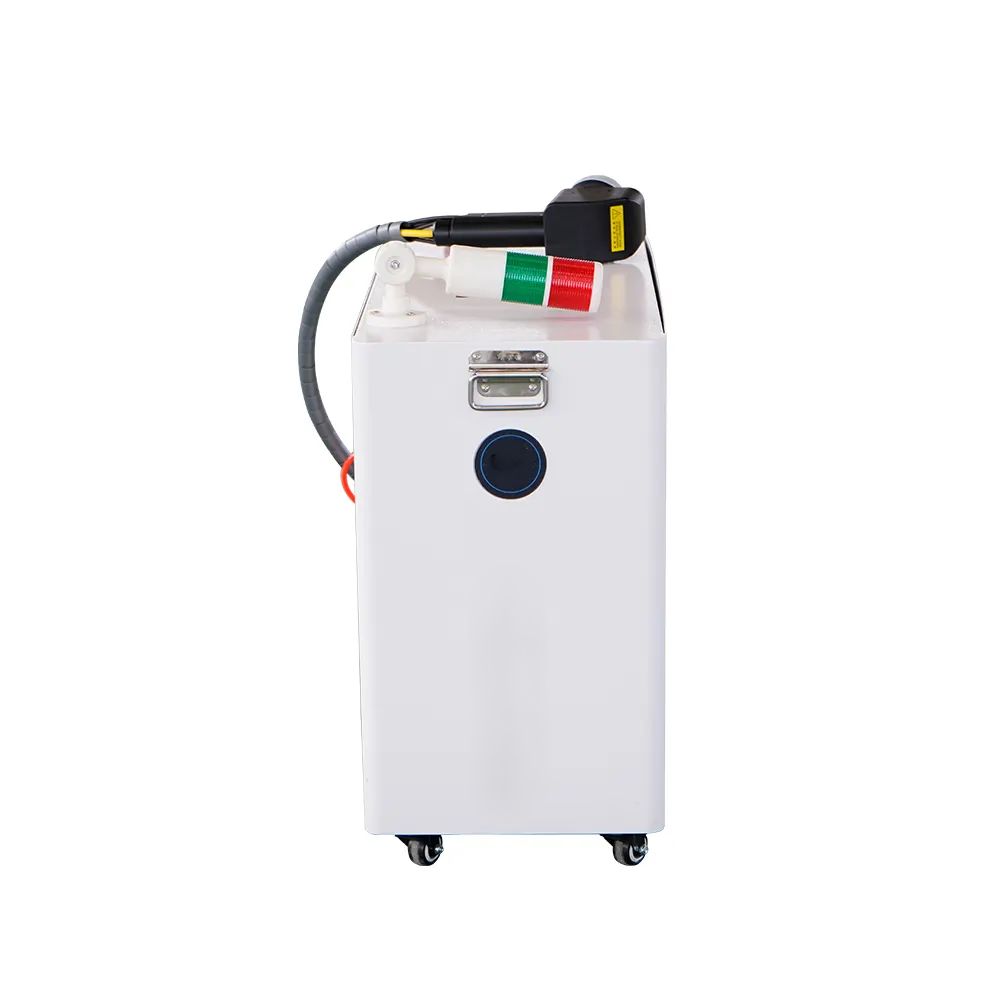
Selecting the right laser welding equipment is one of the most critical investment decisions a manufacturing operation can make. The precision, speed, and quality that laser welding equipment delivers directly impacts production efficiency, material waste, and final product quality. Whether you operate a small fabrication shop or a large industrial facility, understanding how to evaluate laser welding equipment ensures you choose a solution that aligns with your budget, production volume, and technical requirements. This 2026 buying guide walks you through the key factors that distinguish premium laser welding equipment from basic alternatives.
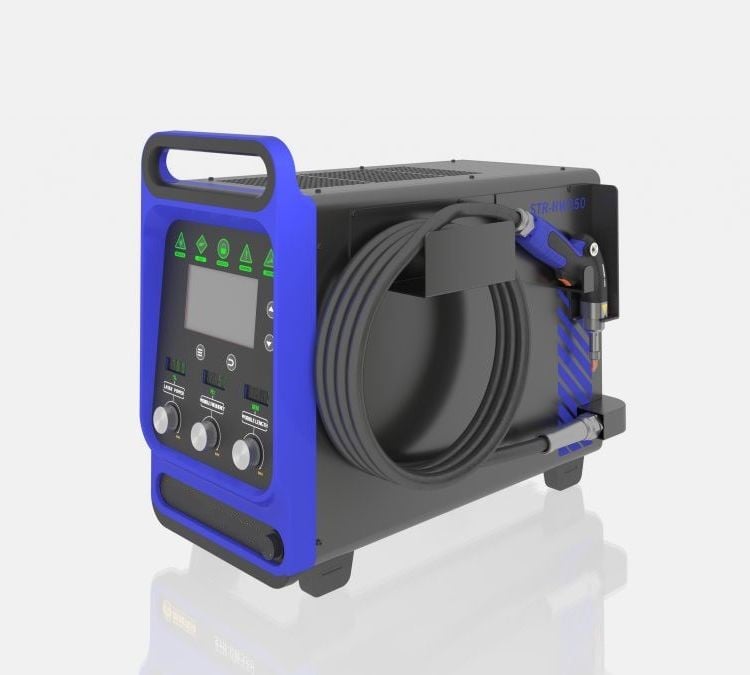
The laser welding equipment market has evolved dramatically over the past five years. Modern laser welding equipment now offers portability, improved beam delivery systems, and advanced cooling technologies that were once available only in industrial-scale installations. Understanding these advancements helps you recognize which laser welding equipment features justify the investment and which are unnecessary for your specific application.
Understanding Laser Welding Equipment Power and Performance
Power Output and Material Compatibility
Laser welding equipment power output ranges from 200 watts to over 10 kilowatts, and this specification fundamentally determines which materials and thicknesses your laser welding equipment can handle. Lower-power laser welding equipment excels at thin stainless steel, aluminum foils, and delicate assemblies where heat control is critical. Mid-range laser welding equipment, typically 500 to 2000 watts, covers most industrial applications including jewelry manufacturing, electronics assembly, and automotive components. High-power laser welding equipment above 3000 watts penetrates thicker materials and delivers faster processing speeds, making it essential for heavy-duty fabrication work.
When evaluating laser welding equipment specifications, match the power output to your actual material requirements rather than assuming higher power always means better performance. Oversized laser welding equipment wastes energy, generates excessive heat, and creates larger heat-affected zones that may damage sensitive components. Conversely, underpowered laser welding equipment struggles to achieve consistent penetration and forces slower processing speeds that bottleneck production throughput.
Beam Quality and Welding Precision
Beam quality represents how tightly laser welding equipment focuses its energy onto the workpiece. Measured as beam parameter product, or BPP, superior laser welding equipment maintains a tighter focal spot that enables precision welding with minimal spatter and heat distortion. Industrial-grade laser welding equipment incorporates fiber laser technology that delivers exceptional beam quality compared to older CO2 systems. This concentrated energy profile makes fiber-based laser welding equipment ideal for micro-welding applications where weld seams must be extremely narrow and precise.
The focusing capability of your laser welding equipment directly impacts your ability to weld dissimilar materials, produce clean joints with minimal post-processing, and maintain tight dimensional tolerances. Premium laser welding equipment includes advanced optics and real-time beam monitoring that maintains consistent spot size across varying workpiece geometries and distances. Budget laser welding equipment lacks these stabilization features, resulting in wider weld seams and quality variability that may require additional finishing work.
Portability, Cooling Systems, and Operational Efficiency
Portable Versus Stationary Laser Welding Equipment
Portable laser welding equipment has transformed how fabrication shops manage on-site welding tasks and reduces reliance on transporting heavy assemblies to central welding stations. Compact laser welding equipment designs with lightweight delivery heads and flexible fiber cables enable technicians to access difficult joints and complex geometries that stationary systems cannot reach. However, portable laser welding equipment sacrifices some power density and cooling capacity compared to industrial-scale fixed installations, making it better suited for lighter production volumes and maintenance work.
Stationary laser welding equipment integrated into production lines offers superior energy efficiency, faster cycle times, and maximum power output for high-volume manufacturing. These installations typically include robotic guidance systems, inline inspection cameras, and automated material handling that portable laser welding equipment cannot match. Your choice between portable and stationary laser welding equipment depends on your production environment, part complexity, and annual welding volume rather than cost alone.
Cooling Technology and System Reliability
Advanced cooling systems are non-negotiable features in modern laser welding equipment. Inadequate cooling causes thermal stress that shortens laser tube lifespan, reduces beam quality consistency, and forces extended downtime during temperature-induced shutdowns. Enterprise-grade laser welding equipment includes closed-loop water cooling with precision temperature control, chiller units rated for continuous operation, and redundant cooling pathways that maintain optimal thermal performance throughout extended production runs. Industrial laser welding equipment with superior cooling technology demonstrates measurably longer component lifespans and lower maintenance costs over a five-year period.
Budget laser welding equipment often relies on passive air cooling or basic fan-assisted systems insufficient for production environments. When evaluating laser welding equipment cooling specifications, confirm that your facility's infrastructure can support the cooling demands. Oversized laser welding equipment requiring advanced chiller systems adds significant capital expense, while undersized laser welding equipment with inadequate cooling becomes a production liability.
Software, Maintenance, and Total Cost of Ownership
Control Systems and User Interface
Modern laser welding equipment increasingly relies on intuitive software platforms that simplify parameter adjustment, program storage, and process optimization. Advanced laser welding equipment includes touch-screen interfaces, parameter libraries for common material combinations, and real-time weld quality feedback that non-technical operators can understand. Premium laser welding equipment integrates with factory management systems, enables remote diagnostics, and generates production reports that document weld specifications and quality metrics. These software capabilities transform laser welding equipment from a specialized tool into a data-driven production asset.
When comparing laser welding equipment options, evaluate the learning curve required for your existing team. Complex laser welding equipment with steep software learning curves creates operational bottlenecks and increases training costs. Conversely, user-friendly laser welding equipment accelerates your production ramp-up and reduces expensive downtime associated with operator error or parameter misconfiguration.
Maintenance Requirements and Support Infrastructure
Preventive maintenance directly impacts laser welding equipment lifespan and production reliability. Premium laser welding equipment includes automated diagnostics that alert technicians to degrading components before catastrophic failure occurs. Established laser welding equipment manufacturers offer comprehensive service agreements, genuine parts availability, and responsive technical support that minimize unexpected downtime. Newer or lesser-known laser welding equipment brands may lack this support infrastructure, creating situations where critical equipment sits idle while replacement parts are sourced internationally.
Evaluate the total cost of ownership for laser welding equipment, including consumables like protective optics, nozzles, and coolant, rather than purchase price alone. A laser welding equipment solution with lower upfront cost but expensive ongoing maintenance ultimately proves more costly than premium systems with efficient maintenance profiles. Confirm that your chosen laser welding equipment manufacturer maintains local service centers or authorized technicians within reasonable travel distance.
FAQ
What laser welding equipment power level do I need for my application?
Laser welding equipment power requirements depend on your material types, thicknesses, and production volumes. Thin stainless steel and aluminum assemblies typically require 200 to 500 watt laser welding equipment, while thicker materials and high-speed production benefit from 1000 to 3000 watt systems. Contact equipment manufacturers with your specific material samples and joint specifications; they can recommend appropriate laser welding equipment power ratings that balance performance with energy efficiency.
How does laser welding equipment compare to traditional TIG or MIG welding?
Laser welding equipment delivers superior speed, precision, and minimal heat distortion compared to conventional arc welding methods. Laser welding equipment creates narrower heat-affected zones that reduce material warping, enable welding of dissimilar materials, and produce cleaner joints requiring less post-processing. However, laser welding equipment requires higher initial investment and skilled operator training. Traditional arc welding remains advantageous for thick structural welds and repairs where laser welding equipment's precision offers less advantage.
What factors should drive my laser welding equipment buying decision?
Prioritize laser welding equipment based on your material compatibility, production volume, available facility infrastructure, and long-term support availability. Evaluate beam quality, cooling capability, and software usability rather than power output alone. Request demonstrations where laser welding equipment manufacturers process your actual production samples, and confirm that service support, spare parts availability, and training programs align with your operational expectations before finalizing any laser welding equipment purchase.