 EN
EN
 AR
AR
 FR
FR
 DE
DE
 JA
JA
 KO
KO
 RU
RU
 ES
ES


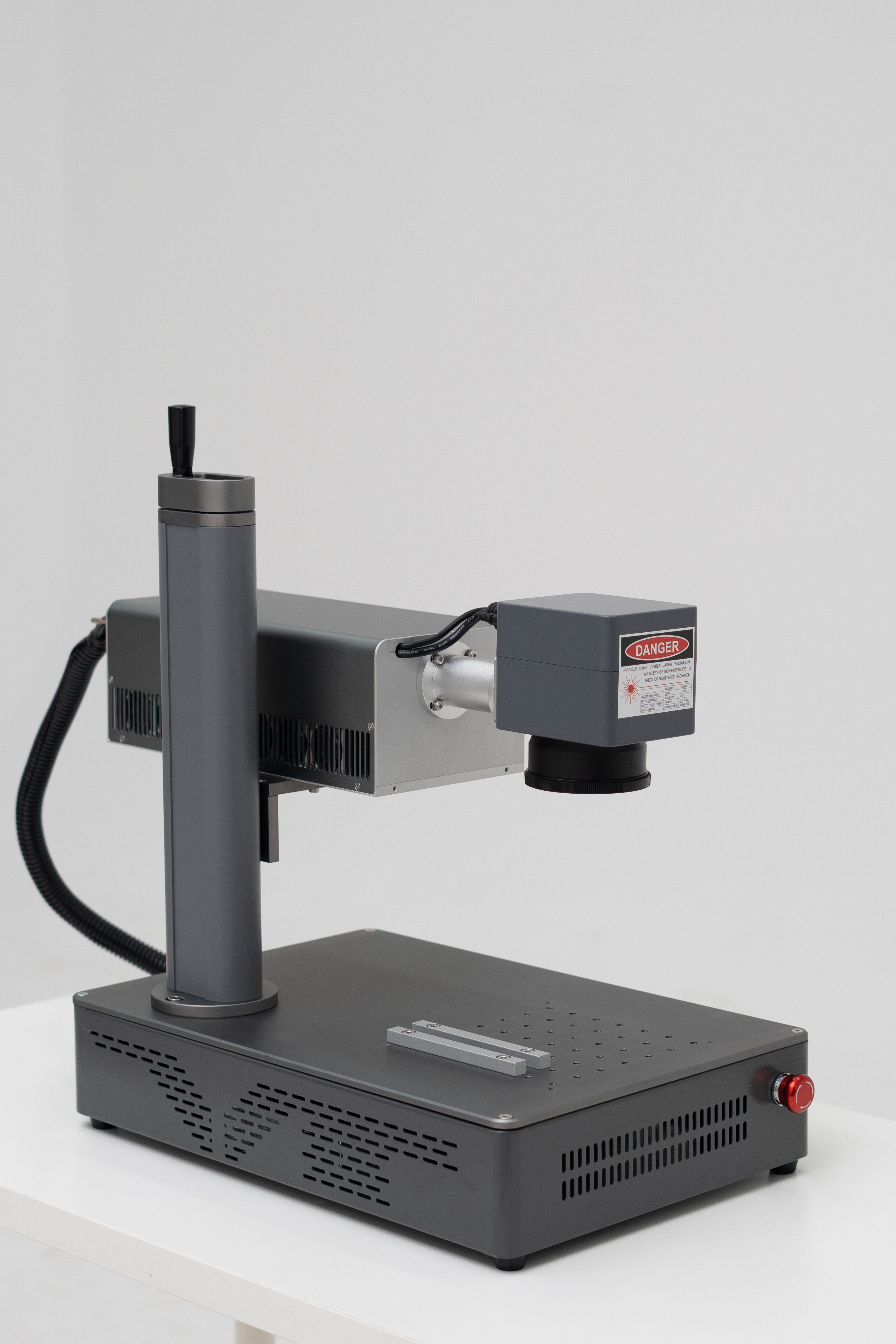
Understanding laser cleaning costs is essential for manufacturing facilities, industrial plants, and service providers evaluating whether to adopt this advanced surface treatment technology. Laser cleaning costs vary significantly based on equipment specifications, operational factors, and application scope, making it critical to assess both upfront investment and long-term return on investment before making a purchasing decision. This comprehensive guide breaks down laser cleaning costs components, explores ROI timelines, and helps decision-makers determine whether laser cleaning costs align with their operational budget and productivity goals.
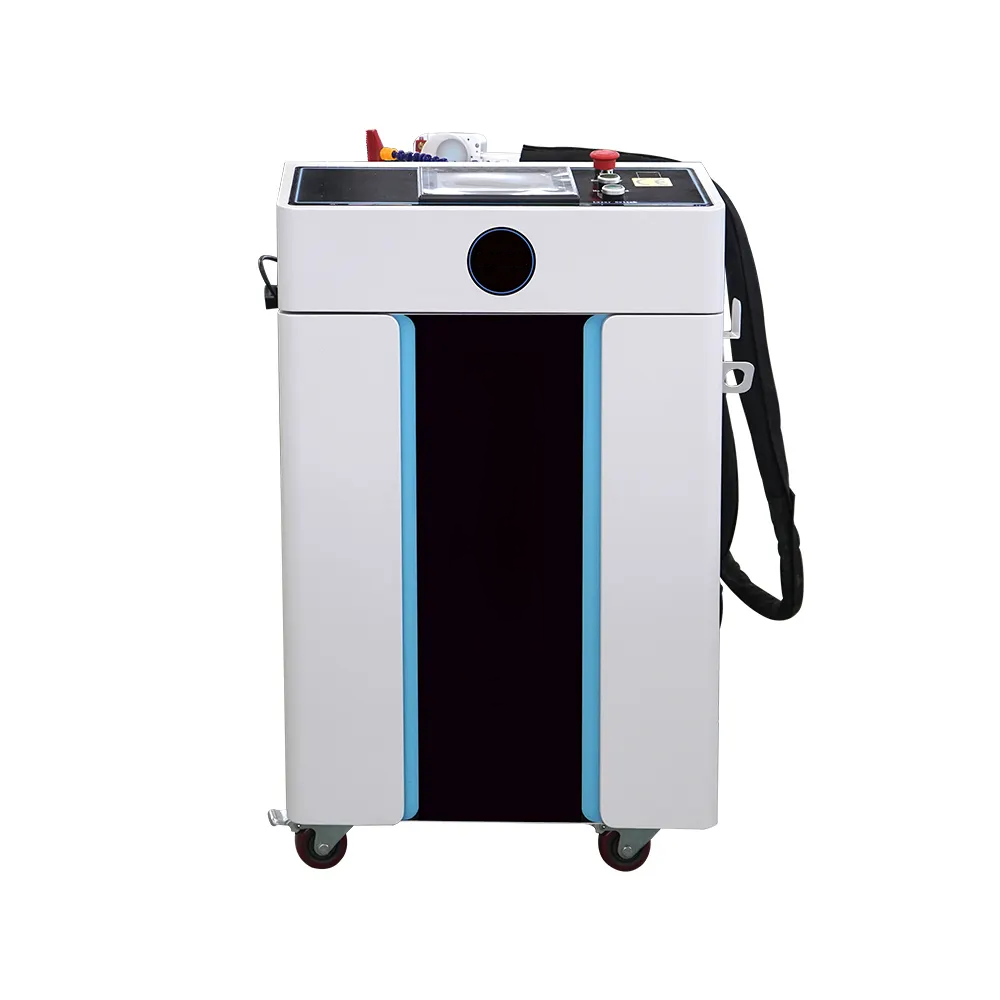
Laser cleaning technology has transformed surface preparation across multiple industries by eliminating rust, contaminants, and oxide layers without chemical solvents or abrasive methods. However, the financial impact of laser cleaning costs extends beyond the initial equipment purchase price. Organizations must evaluate maintenance expenses, consumables, training, operational efficiency gains, and waste reduction benefits to understand the true total cost of ownership and achieve meaningful ROI from their laser cleaning investment.
Initial Equipment Investment and Laser Cleaning Costs Breakdown
Capital Equipment Expenditure
The primary component of laser cleaning costs stems from equipment acquisition. Entry-level fiber laser systems typically range from fifteen thousand to forty thousand dollars, depending on power output and automation features. Mid-range industrial laser cleaning costs fall between forty thousand and one hundred thousand dollars, offering higher wattage capabilities and advanced control systems for demanding applications. Premium laser cleaning costs for fully automated, high-power systems can exceed two hundred thousand dollars, particularly for integrated production-line installations.
Power output directly influences laser cleaning costs and operational capability. A one-kilowatt system represents a common sweet spot for many industrial facilities, balancing performance with budget constraints. Higher wattage systems command premium pricing but deliver faster cleaning cycles and improved productivity, which ultimately offset their elevated laser cleaning costs through reduced labor time and increased throughput.
Installation and Infrastructure Requirements
Beyond the base equipment price, laser cleaning costs include site preparation, electrical infrastructure upgrades, and installation services. Facilities may require dedicated power supply enhancements, cooling system integration, and safety enclosure modifications to accommodate laser cleaning equipment safely. These ancillary laser cleaning costs typically add ten to thirty percent to the total capital investment, depending on existing facility capabilities and local electrical codes.
Proper ventilation and dust collection systems represent mandatory infrastructure additions that impact overall laser cleaning costs. Facilities must capture and filter metal particles and contaminant residue to maintain air quality and comply with occupational safety regulations. This environmental control infrastructure can add five thousand to fifteen thousand dollars to initial laser cleaning costs, varying by facility size and application intensity.
Operational Expenses and Ongoing Laser Cleaning Costs
Maintenance and Consumable Expenses
Recurring laser cleaning costs include maintenance contracts, replacement parts, and system consumables that support continuous operation. Annual maintenance agreements typically cost two to five percent of equipment value, covering inspections, component replacements, and firmware updates necessary to maintain laser cleaning costs efficiency and equipment longevity. Optical components, cooling system elements, and electronic controllers require periodic replacement based on operational hours and environmental conditions.
Laser cleaning costs for consumables remain minimal compared to traditional cleaning methods, as the technology requires no chemical solvents or abrasive materials. However, occasional replacement of fiber optic cables, lens assemblies, and laser tube components contributes to ongoing operational expenses. Organizations should budget two to four thousand dollars annually for consumables and minor repairs, representing a fraction of laser cleaning costs for chemical-based cleaning systems.
Energy Consumption and Utilities
Power consumption represents a significant ongoing element of laser cleaning costs, though efficiency varies based on system design and utilization patterns. A typical one-kilowatt fiber laser system consumes three to five kilowatts of electrical power during operation, translating to approximately thirty to fifty dollars monthly in energy costs for moderate-use facilities. This energy component of laser cleaning costs remains substantially lower than compressed air systems, thermal cleaning units, or chemical processing equipment.
Cooling system operation adds supplementary electricity demand to overall laser cleaning costs, particularly in warm climates or facilities with high processing volumes. Water-cooled systems typically require more electrical input than air-cooled alternatives, impacting the total power consumption associated with laser cleaning costs. However, the overall utility expense remains competitive with other industrial surface preparation technologies when evaluating long-term operational efficiency.
Return on Investment and Laser Cleaning Costs Recovery Timelines
Productivity Gains and Labor Efficiency
The most substantial ROI driver for laser cleaning costs investment comes from labor productivity improvements and cycle time reduction. Traditional cleaning methods often require multiple stages, operator involvement, and extended drying or curing periods. Laser cleaning costs are offset by the ability to complete surface preparation in minutes rather than hours, directly translating to faster production workflows and reduced per-unit processing costs. Facilities processing hundreds or thousands of components monthly realize dramatic labor cost savings that dwarf the initial laser cleaning costs expenditure.
A typical ROI analysis demonstrates that facilities processing sufficient component volume achieve payback on laser cleaning costs investment within eighteen to thirty-six months. High-volume operations may recover initial laser cleaning costs within twelve to twenty months through labor reduction alone. When combined with secondary benefits such as improved product quality, enhanced cleaning consistency, and elimination of chemical handling expenses, the true laser cleaning costs ROI becomes substantially more attractive than simple labor calculations suggest.
Quality Improvements and Secondary Cost Reductions
Laser cleaning costs investment generates ROI through quality metrics beyond simple labor accounting. Enhanced surface cleanliness directly improves subsequent processing steps, reducing defect rates, rework expenses, and material waste. Precise laser cleaning eliminates harsh abrasive methods that damage sensitive surfaces or components, improving product quality and customer satisfaction. These quality-related benefits compound the ROI case for laser cleaning costs investment across multiple business dimensions.
Environmental compliance and waste disposal cost reductions contribute meaningful value to laser cleaning costs ROI calculations. Eliminating chemical solvents removes disposal fees, regulatory compliance costs, and environmental management expenses associated with traditional cleaning methods. Over multi-year periods, these cumulative savings often equal or exceed the original laser cleaning costs equipment investment, providing a compelling financial argument for technology adoption.
The laser cleaning costs associated with professional-grade systems represent a strategic investment in operational efficiency rather than a pure expense. Facilities committed to leveraging the technology fully and maintaining consistent application volumes position themselves for strong financial returns that justify initial capital outlay and support reinvestment in additional equipment.
Scenario-Based Laser Cleaning Costs Analysis for Different Industries
Manufacturing and Metal Fabrication Applications
Metal fabrication shops processing parts for aerospace, automotive, or industrial equipment manufacturing benefit significantly from reduced laser cleaning costs ROI timelines. These facilities typically require rigorous surface preparation for welding, coating, or assembly processes, and laser cleaning eliminates conventional method limitations. With processing volumes of thousands of components monthly, laser cleaning costs payback often occurs within two years through direct labor savings and quality improvements.
Rust removal and scale cleaning represent particularly compelling applications where laser cleaning costs investment generates rapid returns. Components requiring aggressive corrosion removal benefit from laser precision without surface damage, eliminating rework and quality concerns associated with mechanical cleaning. Fabrication facilities adopting laser cleaning costs technology often report processing time reductions of sixty to eighty percent compared to previous methods, directly accelerating ROI achievement.
Maintenance and Restoration Services
Service-oriented businesses providing equipment maintenance, restoration, or cleaning services operate under different laser cleaning costs economics than manufacturers. These providers can justify equipment investment through service revenue generation, charging clients for laser cleaning capabilities. A single premium cleaning contract often covers laser cleaning costs associated with operational expenses for several months, making ROI calculations favorable for service businesses with diverse client bases and consistent demand.
Facilities specializing in restoration work, industrial equipment maintenance, or heritage asset cleaning find laser cleaning costs particularly justifiable due to premium service pricing and client willingness to pay for superior results. The non-destructive nature of laser technology appeals to clients with sensitive assets, enabling service providers to command higher fees that improve ROI significantly compared to high-volume manufacturing scenarios.
FAQ
What factors most significantly influence laser cleaning costs?
Laser cleaning costs vary primarily based on system power output, automation level, and optical delivery method. A one-kilowatt fiber laser system costs substantially less than a three-kilowatt system, while hand-held configurations cost less than fully automated integrated solutions. Additionally, laser cleaning costs increase with integrated features such as automated positioning systems, advanced cooling mechanisms, or specialized safety enclosures that enhance capability and operational convenience.
How quickly can facilities recover laser cleaning costs through operational improvements?
ROI timelines for laser cleaning costs investment typically range from eighteen to thirty-six months for facilities with sufficient processing volume. High-volume operations processing hundreds or thousands of components monthly may achieve payback within twelve to twenty months, while lower-volume applications may require three to five years to recover initial investment. The actual recovery timeline depends on labor cost reduction, quality improvements, and waste elimination specific to each facility's operational profile.
Are there hidden costs within the total laser cleaning costs evaluation?
While laser cleaning costs equipment pricing is relatively transparent, decision-makers must account for infrastructure modifications, operator training, safety certification, and initial consumables within total cost planning. Annual maintenance contracts, occasional component replacements, and routine calibration services represent predictable ongoing expenses within laser cleaning costs budgets. Additionally, facilities should reserve contingency allocation for unforeseen facility modifications or environmental control upgrades that arise during implementation phases.