 EN
EN
 AR
AR
 FR
FR
 DE
DE
 JA
JA
 KO
KO
 RU
RU
 ES
ES


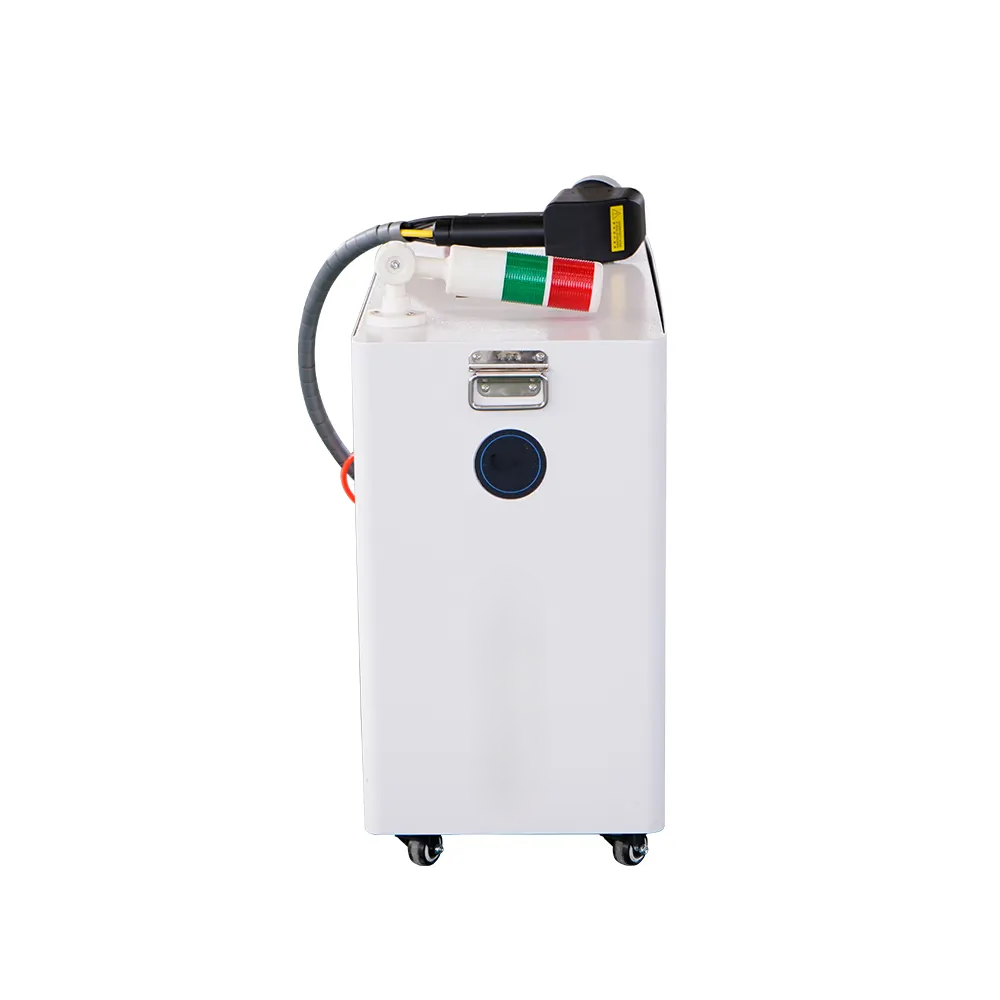
CNC laser cutting systems have revolutionized metal sheet fabrication across industries, offering unmatched precision, speed, and versatility. Whether you're cutting stainless steel, aluminum, carbon steel, or specialty alloys, the best CNC laser cutting systems deliver consistent results while minimizing material waste and production time. Understanding the differences between fiber lasers, CO2 systems, and other technologies helps manufacturers select the right CNC laser cutting systems for their specific operational needs and production volume requirements.
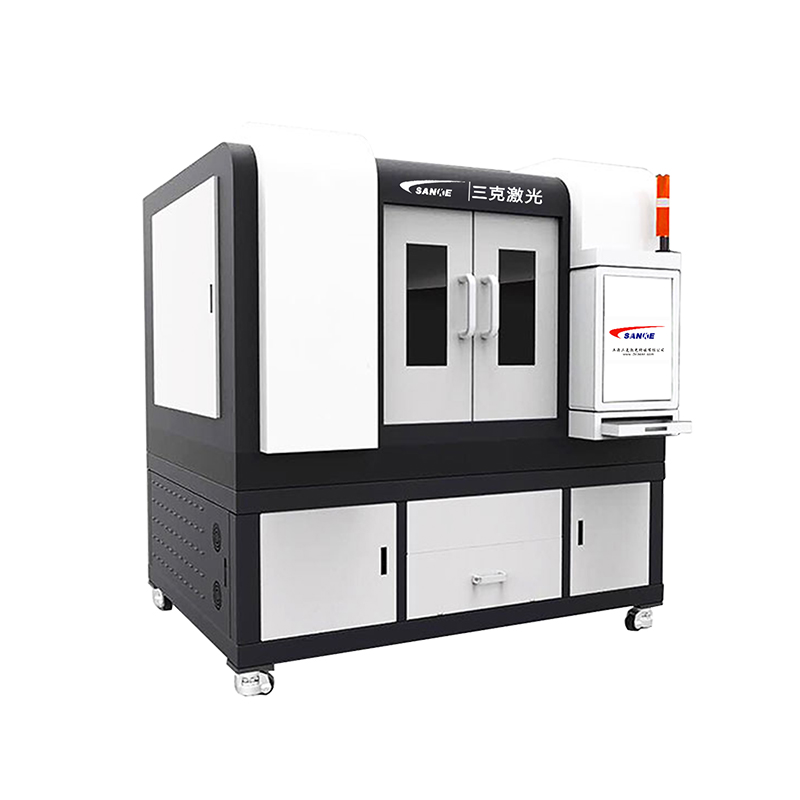
The metal fabrication industry increasingly depends on CNC laser cutting systems to stay competitive. These advanced tools automate the cutting process, reduce operator intervention, and enable complex designs that traditional shearing or plasma cutting cannot achieve. For businesses evaluating CNC laser cutting systems, the investment decision requires careful consideration of cutting speed, beam quality, material compatibility, software integration, and total cost of ownership over the equipment lifecycle.
Fiber Laser Technology and Metal Sheet Cutting Performance
How Fiber Lasers Excel with Metal Materials
Fiber laser-based CNC laser cutting systems have become the industry standard for metal sheet applications because they directly absorb into metallic surfaces with exceptional efficiency. Unlike CO2 systems that require copper or molybdenum mirrors, fiber-based CNC laser cutting systems use solid-state technology to deliver wavelengths between 1064 and 1090 nanometers, ideal for reflective metals like aluminum and copper. The energy conversion rate in fiber CNC laser cutting systems reaches 25 to 30 percent, substantially higher than competing technologies, translating directly into lower operational costs per cut and reduced thermal distortion on the metal sheet material.
Cutting Speed and Accuracy Advantages
The best CNC laser cutting systems using fiber technology achieve cutting speeds on thin metal sheets that exceed 200 inches per minute, with kerf widths as narrow as 0.004 inches on stainless steel. This precision comes from the combination of focused beam diameter, servo-controlled movement, and real-time feedback systems integrated into modern CNC laser cutting systems. For manufacturers producing small to medium batches of intricate metal components, the speed and positional accuracy of fiber-based CNC laser cutting systems reduce lead times significantly while maintaining edge quality that often requires minimal secondary finishing work.
System Selection Criteria for Production Requirements
Matching Power and Format Size to Your Metal Sheet Operations
CNC laser cutting systems range from compact 30-watt desktop units suitable for prototyping to industrial 6000-watt configurations handling high-volume metal sheet production. The optimal power level depends on your material thickness, cutting speed expectations, and production volume targets. For cutting carbon steel up to 0.25 inches thick, a 1500-watt CNC laser cutting systems typically provides adequate speed and edge quality. As material thickness increases or production demands accelerate, stepping up to 3000 or 4000-watt CNC laser cutting systems becomes economically justified, though capital investment and facility requirements increase proportionally.
Integration with Existing Manufacturing Workflows
The most effective CNC laser cutting systems integrate seamlessly with CAD software, nesting programs, and ERP systems already running in your facility. Modern CNC laser cutting systems support standard file formats like DXF, PDF, and AI, enabling designers to send designs directly from their workstations to the cutting floor. Automation features in advanced CNC laser cutting systems include automatic height sensing, which maintains optimal focus distance as the cutting head traverses warped or uneven metal sheets, and automatic nozzle changing for different material thicknesses, reducing operator intervention and setup time between jobs.
Cost Management and Return on Investment
Capital Investment and Operating Expense Analysis
A comprehensive CNC laser cutting systems evaluation must balance initial equipment cost against consumables, maintenance, and power consumption. Entry-level fiber-based CNC laser cutting systems start around $40,000 to $60,000 for smaller formats, while production-class systems with larger cutting beds and higher power output range from $150,000 to $400,000. Beyond hardware, factor in annual service contracts, replacement optics, nozzles, and assist gas costs. The operational efficiency of quality CNC laser cutting systems often recovers capital investment within 18 to 36 months through material savings, reduced scrap rates, and accelerated production throughput compared to traditional metal cutting methods.
Long-Term Performance and Durability Considerations
Industrial-grade CNC laser cutting systems engineered for continuous operation typically deliver 25,000 to 50,000 hours of useful laser tube or fiber module life, depending on technology and manufacturer specifications. Predictable maintenance schedules for quality CNC laser cutting systems include weekly optics cleaning, monthly coolant checks, and annual calibration services. Selecting CNC laser cutting systems from manufacturers offering comprehensive spare parts availability and technical support networks prevents unexpected downtime and ensures you can source replacement components quickly if cutting performance degrades. Many top-tier CNC laser cutting systems providers offer extended warranties and performance guarantees that protect your investment over extended production timelines.
FAQ
What materials can CNC laser cutting systems cut effectively?
CNC laser cutting systems cut ferrous and non-ferrous metals including stainless steel, mild steel, aluminum, copper, brass, titanium, and specialty alloys. Fiber-based CNC laser cutting systems work particularly well with reflective metals, while CO2 systems handle non-metals like acrylic, wood, and textiles. Most CNC laser cutting systems cannot effectively cut hardened tool steel or tungsten without significant power increases, making material selection important before equipment purchase.
How does the quality of cut edges from CNC laser cutting systems compare to traditional methods?
CNC laser cutting systems produce cleaner edges with minimal burrs and heat-affected zones compared to plasma, oxy-acetylene, or mechanical shearing. The narrow kerf and high-speed cutting capability of CNC laser cutting systems reduce material waste by 15 to 20 percent compared to conventional tooling. However, edge finish quality depends on gas selection, cutting speed, and maintenance of optical components within the CNC laser cutting systems, so proper calibration remains essential for optimal results.
How long does it take to set up a job on CNC laser cutting systems?
Setup time for CNC laser cutting systems averages 15 to 45 minutes, including design file loading, material positioning, focus calibration, and test cuts. Advanced CNC laser cutting systems with automatic height sensing and batch nesting capabilities reduce setup time to under 15 minutes for repeat jobs. The repeatability of CNC laser cutting systems means that once a design is optimized and saved, subsequent production runs require minimal operator intervention, making them ideal for custom or short-run metal fabrication work.