 EN
EN
 AR
AR
 FR
FR
 DE
DE
 JA
JA
 KO
KO
 RU
RU
 ES
ES


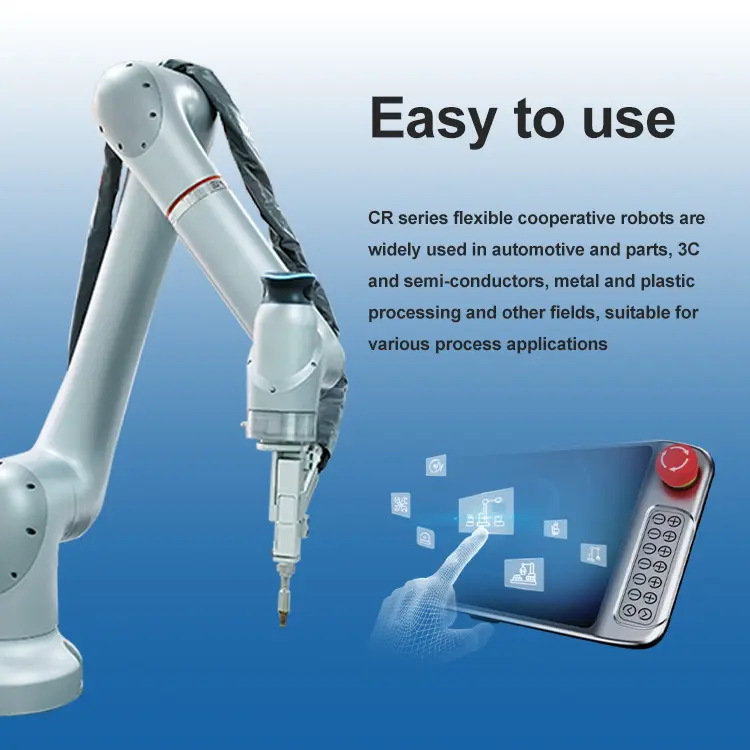
The landscape of micro-technology manufacturing continues to evolve rapidly, and laser drilling trends are playing an increasingly central role in this transformation. As industries demand greater precision, faster production cycles, and enhanced reliability, laser drilling trends have become essential indicators of where the sector is heading. Understanding these laser drilling trends helps manufacturers, engineers, and decision-makers stay competitive and make informed investments in their production capabilities.
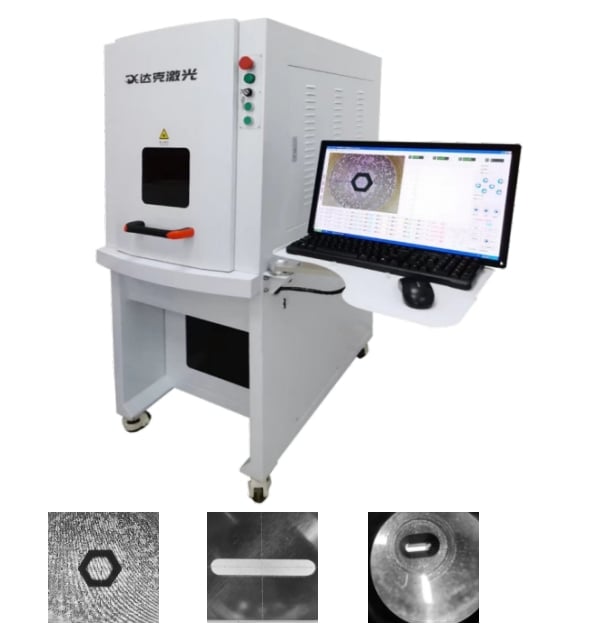
Modern laser drilling trends are being shaped by advances in fiber laser technology, automation integration, and the rising demand for micro-precision components across electronics, aerospace, and medical device sectors. The convergence of these factors is creating unprecedented opportunities for manufacturers who understand and adopt the latest laser drilling trends in their operations.
Evolution of Laser Drilling Technology in Industrial Applications
Fiber Laser Dominance Across Manufacturing
Fiber laser technology has become the backbone of contemporary laser drilling trends, offering superior beam quality, efficiency, and cost-effectiveness compared to earlier CO2 laser systems. The shift toward fiber-based solutions represents one of the most significant laser drilling trends reshaping production environments. This technology delivers higher wall-plug efficiency, meaning more of the input energy converts directly into cutting and drilling action rather than waste heat. For manufacturers operating in high-volume production runs, this efficiency translates directly into reduced operating costs and faster throughput, making fiber laser adoption one of the defining laser drilling trends of the current decade.
Ultra-Precision Micro-Drilling Capabilities
Among emerging laser drilling trends, the capability to drill holes smaller than 100 microns with exceptional consistency has opened entirely new markets. Medical device manufacturers require precision that conventional drilling cannot achieve reliably, and these laser drilling trends now enable production of intricate component geometries previously considered impossible. The repeatability and accuracy of modern laser systems address critical quality requirements in pharmaceuticals, surgical instruments, and implantable devices, driving adoption of laser drilling trends across the medical technology sector.
Integration of Automation and Industry 4.0 in Laser Drilling
Smart Manufacturing and Real-Time Monitoring
Current laser drilling trends emphasize the integration of artificial intelligence, machine learning, and IoT sensors into laser drilling systems for predictive maintenance and process optimization. Real-time monitoring of laser power, pulse timing, and material removal rates allows operators to detect deviations before quality issues arise. These laser drilling trends in automation enable manufacturers to maintain consistent output while reducing scrap rates and minimizing downtime. The data collected from connected laser drilling systems provides insights that drive continuous process improvement, a hallmark of Industry 4.0 adoption within precision manufacturing environments.
Multi-Axis and Robotic Integration Trends
Laser drilling trends increasingly feature robotic integration and multi-axis motion control, allowing complex three-dimensional drilling patterns on irregular surfaces and curved geometries. Aerospace components, automotive fuel injectors, and electronic enclosures now benefit from these advanced laser drilling trends that enable drilling at compound angles and varying depths within a single setup. This reduction in secondary operations and repositioning represents significant efficiency gains that manufacturers are capitalizing on to meet aggressive production timelines and cost targets.
Material Science Advances and Diverse Material Processing
Enhanced Processing of Difficult-to-Machine Materials
Laser drilling trends reflect the growing ability to process advanced materials including titanium alloys, composite materials, and ceramic substrates that present challenges for conventional drilling methods. Composites used in aerospace generate delamination and fiber tear when mechanically drilled, but laser drilling trends demonstrate superior edge quality and reduced material damage when properly configured. These laser drilling trends enable manufacturers to work with cutting-edge materials essential for next-generation aircraft engines, wind turbine components, and high-performance industrial equipment.
Thermal Management and Heat-Affected Zone Reduction
Among significant laser drilling trends is the refinement of pulse parameters and beam delivery systems to minimize the heat-affected zone surrounding drilled holes. Shorter pulse durations and optimized peak power settings characterize modern laser drilling trends that preserve material properties in temperature-sensitive applications. Electronics manufacturers benefit from these laser drilling trends because components requiring low thermal impact, such as printed circuit boards with fine copper traces and delicate substrates, can now be drilled reliably without damage or performance degradation.
Emerging Market Applications and Sustainability Focus
Electric Vehicle and Battery Technology Drilling
Laser drilling trends are accelerating in the electric vehicle sector, where battery pack assembly requires precise hole placement for cooling systems, electrical interconnects, and safety relief mechanisms. The consistency and speed of laser drilling trends address the manufacturing challenges posed by rapidly scaling EV production. Additionally, laser drilling trends support the drilling of current collector plates and thermal management components essential to battery performance and safety, positioning laser drilling as a critical technology for the transportation industry's electrification.
Sustainable Manufacturing and Waste Reduction
Sustainability represents an increasingly important driver within laser drilling trends, as laser processes generate minimal material waste compared to mechanical drilling or drilling fluid disposal requirements. These laser drilling trends align with corporate environmental commitments and regulatory pressures to reduce manufacturing footprints. The elimination of cutting fluids in laser drilling processes also eliminates disposal costs and environmental remediation concerns, making these laser drilling trends attractive to manufacturers pursuing ISO 14001 certification and net-zero manufacturing goals.
FAQ
What are the primary advantages of laser drilling trends over conventional drilling methods?
Laser drilling trends offer superior precision, faster processing speeds, minimal material waste, and the ability to drill complex geometries on difficult materials. Unlike mechanical drilling, laser drilling trends eliminate tool wear, reduce thermal stress on components, and enable through-hole and blind-hole drilling with exceptional consistency and repeatability.
How do current laser drilling trends address quality control in high-volume manufacturing?
Modern laser drilling trends incorporate real-time monitoring, automated inspection, and AI-driven process control to detect and correct deviations immediately. These laser drilling trends ensure that every hole meets specifications without requiring secondary inspection or rework, significantly reducing quality-related costs and improving overall production efficiency.
Which industries are most heavily adopting laser drilling trends currently?
Aerospace, medical devices, electronics, automotive, and renewable energy sectors lead adoption of laser drilling trends due to their demanding precision requirements and complex component geometries. These industries benefit significantly from the capabilities that laser drilling trends provide, making them primary drivers of continued innovation and market growth in laser drilling technology.