 EN
EN
 AR
AR
 FR
FR
 DE
DE
 JA
JA
 KO
KO
 RU
RU
 ES
ES


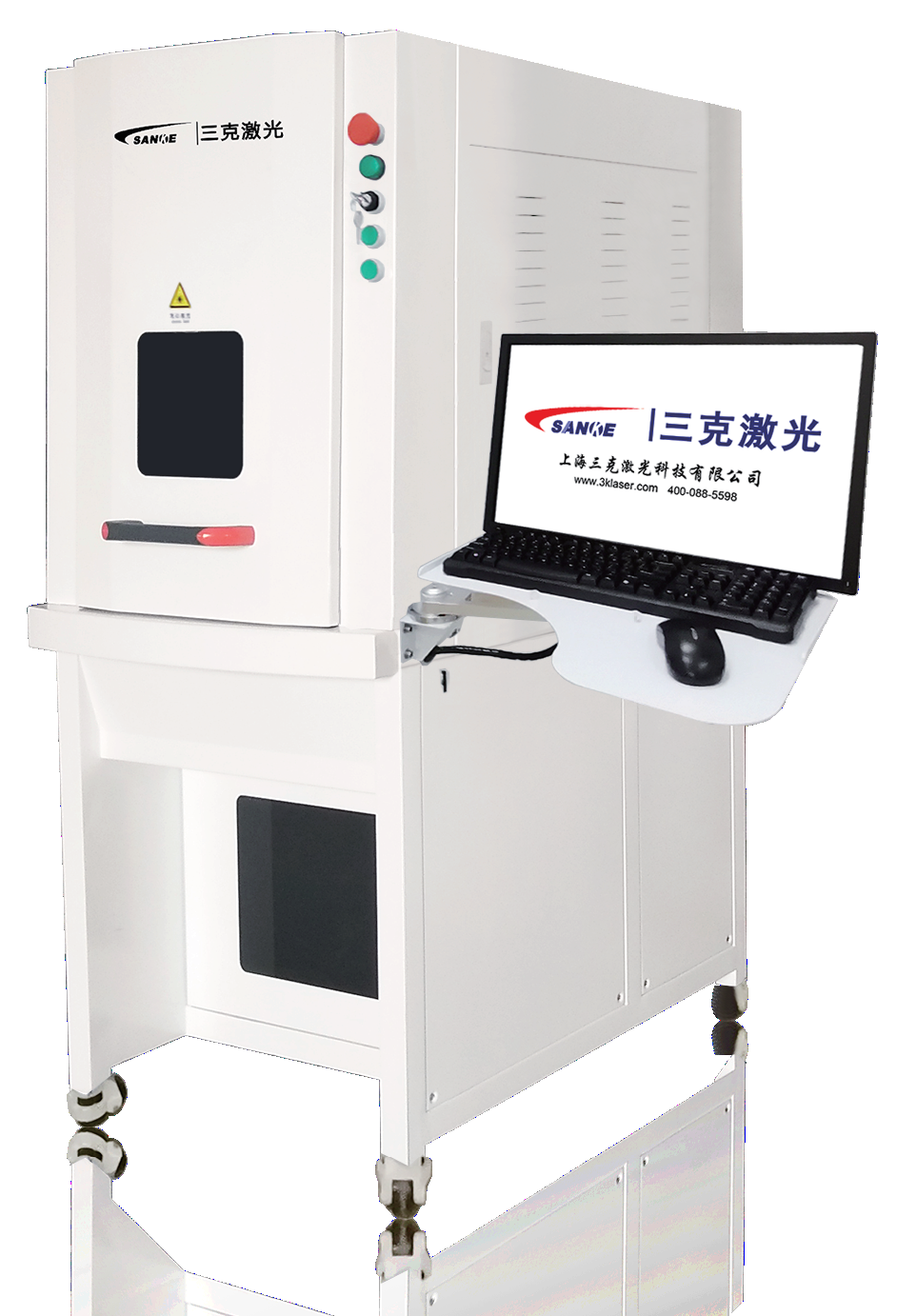
Aerospace laser drilling has become a cornerstone technology for manufacturing high-precision components in the aviation and space industries. Traditional drilling methods often struggle with the demanding tolerances and material complexities required in aerospace applications, where even microscopic deviations can compromise safety and performance. Aerospace laser drilling offers a transformative approach, delivering accuracy that conventional tools simply cannot match while reducing production time and material waste significantly.
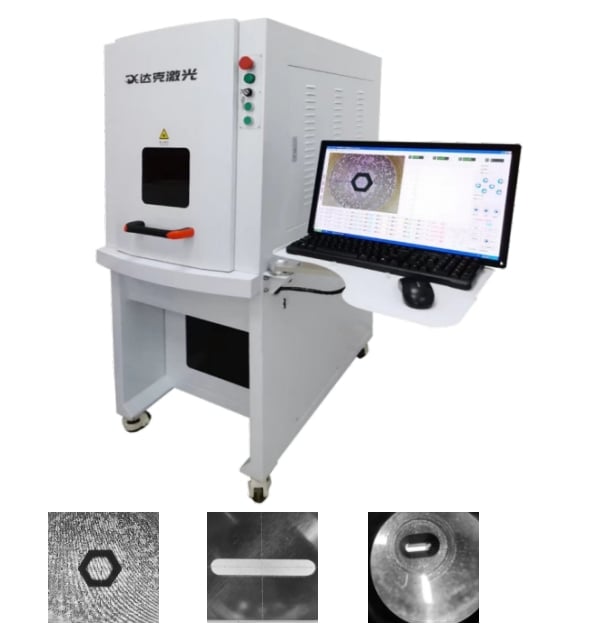
The aerospace industry demands drilling solutions that balance speed, precision, and reliability across diverse materials ranging from titanium alloys to composite structures. Aerospace laser drilling technology has matured dramatically over the past decade, making it accessible to manufacturers of all sizes. Understanding how to select, implement, and optimize aerospace laser drilling systems is essential for staying competitive in modern aerospace manufacturing.
Understanding Aerospace Laser Drilling Technology
How Aerospace Laser Drilling Works
Aerospace laser drilling employs focused laser beams to remove material with extraordinary precision. When a high-powered laser beam targets a material surface, it concentrates intense heat energy in a microscopic area, causing the material to melt or vaporize instantly. The beam's narrow focal point enables aerospace laser drilling to create holes with diameters as small as 0.1 millimeters, something mechanical drills cannot achieve reliably. This focused energy approach means aerospace laser drilling produces minimal thermal distortion around the hole, a critical advantage when working with temperature-sensitive aerospace materials.
Key Advantages Over Traditional Methods
Aerospace laser drilling outperforms traditional drilling in several measurable ways. Mechanical drills generate significant mechanical stress and heat buildup, which can damage composite materials and weaken metal structures around the hole. Aerospace laser drilling eliminates physical contact between tool and workpiece, preventing tool wear and enabling unlimited hole counts without tool replacement. The precision of aerospace laser drilling also reduces secondary finishing operations, lowering overall production costs and cycle times. For aerospace components where tolerances are measured in microns, aerospace laser drilling delivers consistency that conventional methods struggle to match.
Selecting and Setting Up Aerospace Laser Drilling Solutions
Critical Specifications for Aerospace Applications
When evaluating aerospace laser drilling solutions, several technical specifications determine suitability for your production environment. Power output, typically measured in watts, directly impacts drilling speed and material capability. Aerospace laser drilling systems range from 30 watts for precision micro-drilling to over 500 watts for high-volume production. Beam quality affects hole edge definition and heat-affected zone size, both critical in aerospace contexts. The wavelength of the laser source—whether fiber-based or other types—determines which materials the aerospace laser drilling system can process effectively. Positioning accuracy, usually within ±0.025 millimeters, ensures that aerospace laser drilling maintains hole location tolerance across production batches. These specifications form the foundation for any aerospace laser drilling solution worth considering.
Installation and Environmental Requirements
Proper installation of aerospace laser drilling equipment establishes the foundation for reliable long-term performance. Most modern aerospace laser drilling solutions require stable electrical supply, climate-controlled environments, and vibration isolation to maintain accuracy. The workspace should accommodate material handling fixtures, extraction systems for fumes and particulates, and safety interlocks. Aerospace laser drilling systems generate infrared radiation, necessitating appropriate laser safety measures including protective eyewear and enclosed processing chambers. Compressed air or inert gas supplies are typically needed for aerospace laser drilling applications involving certain materials. Integration with CNC controllers allows aerospace laser drilling equipment to execute complex drilling patterns automatically, reducing manual intervention and human error.
Optimizing Aerospace Laser Drilling Performance
Material-Specific Drilling Parameters
Different aerospace materials require distinct parameter adjustments to achieve optimal results with aerospace laser drilling technology. Titanium alloys, common in aerospace applications, respond well to aerospace laser drilling but require careful power and pulse settings to prevent material redeposition around holes. Aluminum components benefit from aerospace laser drilling's precision, though reflective properties of aluminum demand protective measures to prevent laser reflection. Composite materials present unique challenges for aerospace laser drilling, as the resin matrix can char or delaminate if energy levels aren't carefully controlled. Carbon-fiber-reinforced polymers require specific wavelengths and pulse frequencies to achieve clean edges without fiber damage. Developing material-specific protocols for your aerospace laser drilling system ensures consistent quality across your product portfolio.
Production Workflow Integration
Integrating aerospace laser drilling into broader production workflows demands careful process planning and quality control protocols. Many aerospace manufacturers combine aerospace laser drilling with traditional machining, using laser technology for precision work and conventional tools for rougher operations. Fixture design plays a crucial role in aerospace laser drilling productivity, as efficient material handling directly impacts cycle times. Automated loading and unloading systems can significantly boost throughput when paired with aerospace laser drilling equipment. Quality verification after aerospace laser drilling drilling is essential, with vision systems and coordinate measuring machines confirming hole dimensions and locations meet aerospace specifications. Real-time monitoring during aerospace laser drilling operations helps detect drift or equipment issues before they affect production.
Real-World Applications and Industry Impact
Aerospace Component Examples
The aerospace industry employs laser drilling on components where precision and reliability are paramount. Turbine blade cooling holes represent one of the most demanding aerospace laser drilling applications, with hundreds of micro-holes requiring exact positioning and diameters. Fuselage frames and wing structures often incorporate precision drainage holes that aerospace laser drilling executes flawlessly where conventional drills would struggle. Avionics enclosures and fuel system components benefit from the cleanliness and precision that aerospace laser drilling provides. Engine fuel injectors frequently rely on aerospace laser drilling to create the intricate hole patterns necessary for optimal fuel atomization. Each application validates how aerospace laser drilling has become indispensable for modern aerospace manufacturing.
Business Benefits and Competitive Advantages
Organizations implementing aerospace laser drilling solutions gain measurable competitive advantages in quality and efficiency. Reduced scrap rates from precision drilling directly improve profit margins on high-value aerospace components. Faster cycle times enabled by aerospace laser drilling allow manufacturers to increase throughput without proportional cost increases. The flexibility of aerospace laser drilling enables rapid design changes and customization, a valuable advantage when working with customers demanding tailored solutions. Labor requirements decrease as aerospace laser drilling operates with minimal manual intervention, though skilled technicians remain essential for setup and maintenance. Aerospace customers increasingly prefer suppliers with aerospace laser drilling capabilities, making this technology an important differentiator in competitive bidding situations.
FAQ
What materials can aerospace laser drilling equipment process?
Modern aerospace laser drilling systems handle virtually all materials used in aerospace manufacturing, including titanium alloys, aluminum, stainless steel, and composite materials. The specific aerospace laser drilling parameters and wavelength must be optimized for each material type to achieve clean holes without thermal damage. Fiber-based aerospace laser drilling equipment is particularly versatile, performing well across metals and some composites.
How precise can aerospace laser drilling achieve hole positioning?
High-quality aerospace laser drilling solutions typically maintain positioning accuracy within ±0.025 millimeters to ±0.050 millimeters, easily meeting aerospace industry tolerances. The actual precision depends on equipment quality, CNC controller capability, and careful fixturing, but aerospace laser drilling consistently outperforms mechanical drilling in accuracy. Many aerospace laser drilling systems can achieve even tighter tolerances with properly calibrated setups.
Is aerospace laser drilling cost-effective for small production runs?
Aerospace laser drilling becomes economically attractive when considering total cost of ownership, including tool replacement, secondary finishing, and scrap rates. Even small production runs benefit from aerospace laser drilling's precision reducing rework and quality issues. The initial investment in aerospace laser drilling equipment is significant, but lower per-part costs on complex components typically justify the expenditure within reasonable payback periods.