 EN
EN
 AR
AR
 FR
FR
 DE
DE
 JA
JA
 KO
KO
 RU
RU
 ES
ES



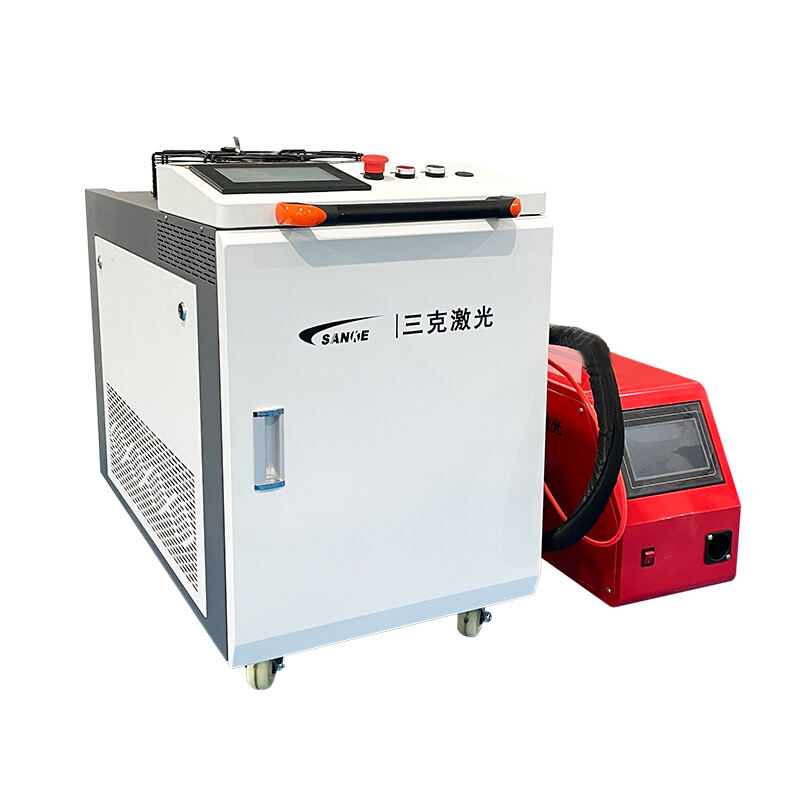
Industrial manufacturing has witnessed a revolutionary transformation with the introduction of advanced handheld laser technology. Traditional tools that have dominated workshops for decades now face serious competition from portable laser systems that offer unprecedented precision, speed, and versatility. The debate between handheld laser devices and conventional manufacturing tools has become increasingly relevant as businesses seek to optimize their operations, reduce costs, and improve product quality. This comprehensive analysis explores the critical differences, advantages, and applications of both technologies to help manufacturers make informed decisions about their equipment investments.
Precision and Accuracy Comparison
Handheld Laser Precision Capabilities
Modern handheld laser systems deliver exceptional precision that surpasses most traditional tools in various applications. These devices utilize focused laser beams with beam diameters as small as 0.1mm, enabling manufacturers to achieve tolerances within micrometers. The concentrated energy delivery ensures consistent results across different materials, from thin sheets to thick plates. Unlike mechanical tools that can experience wear and dimensional drift over time, handheld laser equipment maintains its precision throughout extended operational periods.
The ability to control power output, pulse frequency, and beam focus allows operators to fine-tune the handheld laser performance for specific materials and thicknesses. This level of control translates into superior edge quality, minimal heat-affected zones, and reduced post-processing requirements. Advanced feedback systems in modern units continuously monitor and adjust parameters to maintain optimal performance standards.
Traditional Tool Accuracy Limitations
Conventional manufacturing tools, while reliable and proven, often struggle to match the precision levels achieved by laser technology. Mechanical cutting tools experience gradual wear that affects accuracy over time, requiring frequent replacement and recalibration. Plasma cutters, though versatile, typically produce wider kerfs and more significant heat-affected zones compared to laser systems. Manual tools introduce human error variables that can compromise consistency across multiple operations.
Traditional welding methods often require extensive setup time and skilled operators to achieve consistent quality. The heat input from conventional welding torches can cause warping and distortion in thin materials, necessitating additional fixturing and post-weld corrections. These limitations become particularly pronounced in high-precision applications where tolerances are critical.
Speed and Efficiency Analysis
Laser Processing Speed Advantages
Handheld laser technology excels in processing speed, particularly for cutting and welding applications. The concentrated energy delivery enables rapid material processing without the need for preheating or extensive preparation procedures. Modern handheld laser units can cut through various materials at speeds significantly faster than plasma or oxy-fuel systems, especially in thinner sections. The instant on-off capability eliminates warm-up times, allowing operators to begin work immediately.
Welding applications benefit tremendously from handheld laser speed advantages. The focused heat input creates narrow weld zones that cool quickly, reducing cycle times and increasing productivity. Multiple passes that might be required with traditional welding methods can often be completed in a single laser pass, streamlining the fabrication process considerably.
Traditional Tool Processing Times
Conventional tools typically require more time for setup, operation, and post-processing activities. Mechanical cutting tools need careful alignment and may require multiple passes for thicker materials. Plasma systems, while faster than oxy-fuel cutting, still lag behind laser technology in terms of overall processing speed. The setup time for traditional welding operations, including joint preparation and electrode changes, adds significant overhead to production schedules.
Material handling and fixturing requirements for traditional tools often consume additional time that handheld laser systems can minimize through their flexibility and precision. The need for extensive post-processing, such as grinding and finishing operations, further extends the total cycle time for conventional manufacturing approaches.
Material Versatility and Applications
Handheld Laser Material Compatibility
The versatility of handheld laser systems extends across a broad spectrum of materials and applications. These devices effectively process various metals, including stainless steel, carbon steel, aluminum, titanium, and exotic alloys. The adjustable power settings and pulse characteristics allow operators to optimize performance for different material properties and thicknesses. Advanced handheld laser units can switch between cutting, welding, and cleaning operations without requiring tool changes or extensive reconfiguration.
Specialized applications such as aerospace component repair, automotive manufacturing, and precision instrumentation benefit from the material flexibility offered by laser technology. The ability to work with dissimilar materials and create high-quality joints between different alloys makes handheld laser equipment particularly valuable in advanced manufacturing environments. The non-contact nature of laser processing also enables work on delicate or heat-sensitive components that might be damaged by traditional methods.
Traditional Tool Material Limitations
Conventional tools often exhibit limitations when working with specific materials or material combinations. Plasma cutting struggles with reflective materials like aluminum and copper, requiring special techniques or alternative approaches. Traditional welding methods may face challenges when joining dissimilar metals due to different melting points and thermal expansion characteristics. The physical contact required by mechanical tools can introduce contamination or damage to sensitive surface finishes.
Thickness limitations also constrain traditional tool applications in certain scenarios. While some conventional methods excel with very thick materials, they may lack the precision required for thin sheet processing. The heat input from traditional welding torches can cause burn-through or warping in delicate materials, limiting their applicability in precision manufacturing environments.
Cost-Effectiveness and ROI Evaluation
Initial Investment Considerations
The initial purchase price of handheld laser equipment typically exceeds that of traditional tools, representing a significant capital investment for manufacturing operations. However, this higher upfront cost must be evaluated against the long-term operational benefits and productivity gains that laser technology provides. Modern handheld laser systems incorporate sophisticated components, including high-powered laser sources, precision optics, and advanced control systems that justify their premium pricing.
Financing options and leasing programs have made handheld laser technology more accessible to smaller manufacturing operations that might otherwise find the initial investment prohibitive. The rapid technological advancement in laser systems has also led to more competitive pricing as production volumes increase and manufacturing costs decrease.
Operating Cost Analysis
Long-term operating costs often favor handheld laser systems despite higher initial investments. The elimination of consumable electrodes, cutting gases, and frequent tool replacements significantly reduces ongoing expenses. Energy efficiency improvements in modern laser sources translate into lower electrical consumption compared to plasma systems or resistance welding equipment. Reduced post-processing requirements minimize labor costs and secondary operation expenses.
Maintenance costs for handheld laser equipment are generally lower than traditional systems due to fewer moving parts and reduced wear components. The solid-state nature of laser sources provides extended operational life with minimal degradation in performance. Traditional tools require regular maintenance, tool replacement, and calibration activities that accumulate significant costs over time.
Safety and Environmental Factors
Laser Safety Protocols
Handheld laser systems require specific safety measures and operator training to ensure safe operation. Proper eye protection, controlled work environments, and adherence to laser safety standards are essential for preventing injury. Modern handheld laser units incorporate multiple safety features, including interlocks, beam shutters, and proximity sensors that minimize risk exposure. The focused nature of laser energy requires careful consideration of reflection hazards and proper workspace design.
Training programs for handheld laser operators emphasize both equipment operation and safety procedures. The learning curve for laser technology may be steeper than traditional tools, but the investment in proper training pays dividends in both safety and productivity outcomes. Regular safety audits and compliance monitoring ensure continued adherence to established protocols.
Environmental Impact Comparison
Environmental considerations increasingly influence manufacturing equipment selection decisions. Handheld laser processing generates minimal waste products compared to traditional cutting and welding methods. The absence of consumable materials like electrodes and cutting gases reduces environmental impact and disposal requirements. Energy efficiency advantages of modern laser sources contribute to lower carbon footprints for manufacturing operations.
Traditional manufacturing methods often produce more waste materials, including slag, spatter, and consumed electrodes that require proper disposal. The use of shielding gases and cutting chemicals in conventional processes creates additional environmental considerations that handheld laser technology can eliminate or significantly reduce.
Future Technology Trends
Laser Technology Advancement
The handheld laser industry continues to evolve rapidly with improvements in power density, beam quality, and system integration. Emerging technologies such as artificial intelligence and machine learning are being incorporated into laser systems to optimize parameters automatically and improve consistency. Wireless connectivity and remote monitoring capabilities enable predictive maintenance and performance optimization across multiple units.
Battery technology improvements are extending the portability and operational flexibility of handheld laser equipment. Advanced cooling systems and more efficient laser sources are reducing size and weight while maintaining or improving performance capabilities. These developments make handheld laser technology increasingly attractive for field service and remote manufacturing applications.
Traditional Tool Evolution
Conventional manufacturing tools are also experiencing technological improvements, including better materials, enhanced ergonomics, and digital integration. However, the fundamental limitations of mechanical and thermal processes remain unchanged. Some traditional tools are incorporating laser-assisted features to improve performance, representing a hybrid approach that acknowledges the superiority of laser technology in certain applications.
The integration of sensors and data collection capabilities in traditional tools provides better process monitoring and quality control. While these improvements enhance conventional tool performance, they do not fundamentally address the precision and speed advantages offered by handheld laser systems.
FAQ
What are the main advantages of handheld laser over traditional welding methods
Handheld laser welding offers superior precision, faster processing speeds, minimal heat-affected zones, and excellent weld quality compared to traditional methods. The focused energy delivery reduces distortion and eliminates the need for consumable electrodes, resulting in cleaner operations and lower ongoing costs. Additionally, handheld laser systems can weld dissimilar materials more effectively and require less post-processing work.
How does the learning curve compare between handheld laser and traditional tools
While handheld laser equipment requires specialized training initially, operators often find the technology more intuitive once basic principles are understood. Traditional welding methods require extensive skill development for consistent quality, whereas laser systems provide more predictable results with proper parameter settings. The digital interfaces and automated features in modern handheld laser units can actually accelerate the learning process for new operators.
Are handheld laser systems suitable for all manufacturing applications
Handheld laser technology excels in precision applications, thin to medium thickness materials, and situations requiring minimal heat input. However, some applications involving very thick materials or specific joint configurations may still benefit from traditional methods. The choice depends on material thickness, production volume, quality requirements, and specific application demands. Many manufacturers adopt hybrid approaches, using both technologies where each performs optimally.
What maintenance requirements do handheld laser systems have compared to traditional tools
Handheld laser systems typically require less frequent maintenance due to fewer moving parts and no consumable components like electrodes or cutting tips. Routine maintenance involves lens cleaning, protective window replacement, and periodic calibration checks. Traditional tools require regular electrode changes, gas system maintenance, and more frequent component replacements. Overall maintenance costs and downtime are generally lower for laser systems over their operational lifetime.
Table of Contents
- Precision and Accuracy Comparison
- Speed and Efficiency Analysis
- Material Versatility and Applications
- Cost-Effectiveness and ROI Evaluation
- Safety and Environmental Factors
- Future Technology Trends
-
FAQ
- What are the main advantages of handheld laser over traditional welding methods
- How does the learning curve compare between handheld laser and traditional tools
- Are handheld laser systems suitable for all manufacturing applications
- What maintenance requirements do handheld laser systems have compared to traditional tools