 EN
EN
 AR
AR
 FR
FR
 DE
DE
 JA
JA
 KO
KO
 RU
RU
 ES
ES


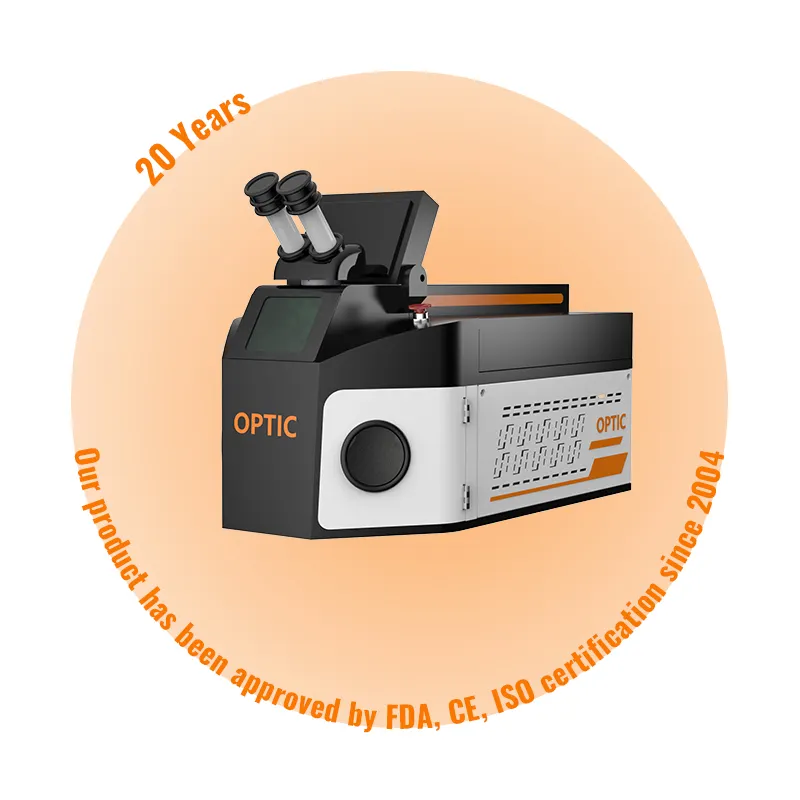
Small businesses in manufacturing and fabrication industries are increasingly turning to advanced technologies to enhance their production capabilities while maintaining cost-effectiveness. Among these innovations, laser welding has emerged as a game-changing solution that offers precision, speed, and versatility for various applications. This cutting-edge technology enables small enterprises to compete with larger manufacturers by delivering high-quality welds with minimal material distortion and exceptional consistency.
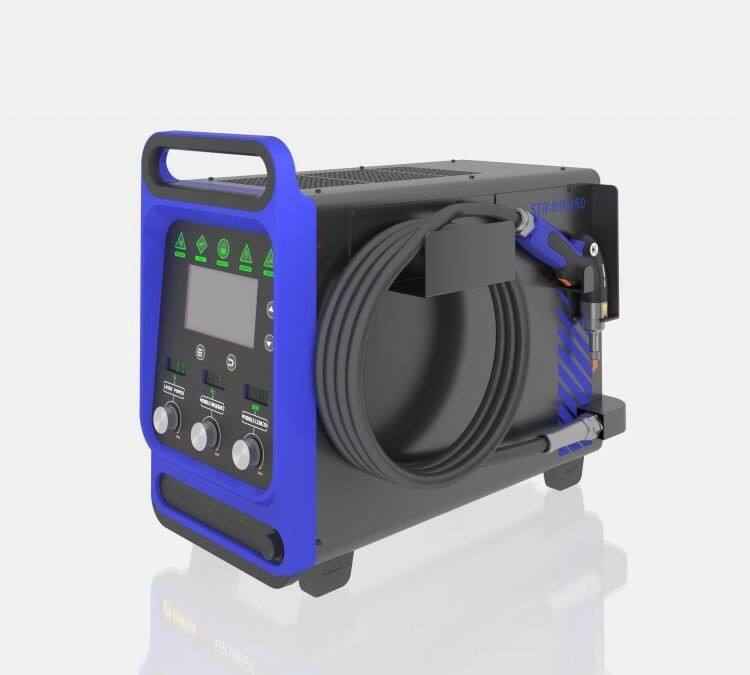
The adoption of laser welding equipment represents a significant investment for small businesses, making it crucial to understand the technology's benefits, applications, and selection criteria. Modern laser welding systems have become more accessible and user-friendly, allowing smaller operations to integrate this sophisticated technology into their workflows without requiring extensive specialized training or infrastructure modifications.
Understanding Laser Welding Technology
Fundamental Principles of Laser Welding
Laser welding operates on the principle of concentrating high-intensity light energy into a focused beam that generates intense heat at the point of contact. This concentrated energy melts the base materials, creating a fusion zone that solidifies to form a strong, precise weld joint. The process occurs rapidly, typically within milliseconds, which minimizes heat-affected zones and reduces material distortion compared to traditional welding methods.
The coherent nature of laser light allows for exceptional beam control and focusing capabilities, enabling welders to achieve precise penetration depths and weld geometries. This level of control makes laser welding particularly suitable for applications requiring tight tolerances and high-quality surface finishes, characteristics that are increasingly important in modern manufacturing environments.
Types of Laser Welding Systems
Contemporary laser welding systems primarily utilize fiber laser technology, which offers superior beam quality, energy efficiency, and maintenance advantages over older CO2 laser systems. Fiber lasers produce wavelengths that are readily absorbed by most metals, resulting in efficient energy transfer and consistent weld quality across various materials including stainless steel, carbon steel, aluminum, and specialized alloys.
Portable laser welding machines have revolutionized accessibility for small businesses, offering the flexibility to perform welding operations in various locations without requiring dedicated welding stations. These systems typically feature handheld welding heads connected to compact laser sources, providing mobility while maintaining the precision and quality associated with stationary laser welding equipment.
Advantages for Small Business Operations
Cost-Effectiveness and Return on Investment
While the initial investment in laser welding equipment may seem substantial for small businesses, the long-term benefits often justify the expenditure through reduced operational costs and increased productivity. Laser welding eliminates the need for consumable materials such as welding rods, flux, or shielding gases in many applications, resulting in ongoing cost savings that accumulate over time.
The precision of laser welding reduces material waste and minimizes post-weld processing requirements, further contributing to cost savings. Additionally, the speed of laser welding operations allows businesses to complete more projects in shorter timeframes, increasing throughput and revenue potential while maintaining consistent quality standards that can command premium pricing.
Quality and Precision Benefits
Small businesses often compete on quality rather than volume, making the exceptional precision of laser welding a significant competitive advantage. The technology enables the creation of welds with minimal spatter, reduced porosity, and superior aesthetic appearance, characteristics that are particularly valuable for visible weld applications or high-specification industrial components.
The consistency achievable with laser welding systems helps small businesses maintain quality standards that meet or exceed customer expectations, fostering client relationships and encouraging repeat business. This reliability in weld quality also reduces the likelihood of costly rework or warranty claims, protecting profit margins and business reputation.
Applications Across Industries
Automotive and Transportation Sector
Small businesses serving the automotive industry benefit significantly from laser welding capabilities, particularly for custom fabrication, repair work, and specialized component manufacturing. The technology's ability to weld thin materials without distortion makes it ideal for bodywork applications, exhaust system fabrication, and the creation of lightweight structural components that meet modern efficiency standards.
Laser welding also enables small businesses to work with advanced materials such as high-strength steels and aluminum alloys that are increasingly common in automotive applications. The precise heat input control prevents metallurgical changes that could compromise material properties, ensuring that welded components maintain their intended performance characteristics.
Electronics and Medical Device Manufacturing
The electronics industry demands welding solutions that can handle delicate components without causing thermal damage to sensitive materials or circuits. Laser welding excels in these applications due to its precise heat input control and small heat-affected zone, making it suitable for battery pack assembly, enclosure sealing, and connector manufacturing for small-scale electronics producers.
Medical device manufacturing represents another lucrative market for small businesses equipped with laser welding capabilities. The technology's ability to create sterile, biocompatible welds without introducing contaminants makes it essential for surgical instrument manufacturing, implant fabrication, and other medical applications where cleanliness and precision are paramount.
Selection Criteria for Small Business Equipment
Power Requirements and Material Compatibility
Selecting appropriate laser welding equipment begins with evaluating the power requirements for intended applications. Most small business applications can be effectively served by systems ranging from 500W to 2000W, with 1000W systems offering an excellent balance of capability and cost-effectiveness for diverse welding tasks. Higher power levels enable welding of thicker materials and faster processing speeds, but also increase equipment costs and operating expenses.
Material compatibility considerations should encompass both current and anticipated future applications. While most laser welding systems excel with ferrous metals, businesses working with aluminum, copper, or exotic alloys should verify that their chosen equipment can effectively process these materials. Some systems offer adjustable parameters and specialized optics to optimize performance across different material types.
Portability and Workspace Integration
Small businesses often face space constraints that make portable or compact laser welding systems particularly attractive. Handheld laser welding equipment offers exceptional flexibility, allowing operators to work on large assemblies or in confined spaces where traditional welding equipment might be impractical. These systems typically require minimal setup time and can be easily transported between job sites or work areas.
Integration with existing workflows is another crucial consideration, as laser welding systems should complement rather than disrupt established processes. Modern equipment often features intuitive controls and preset programs that reduce the learning curve for operators transitioning from conventional welding methods, facilitating smooth adoption of the new technology.
Operational Considerations and Best Practices
Training and Skill Development
Successful implementation of laser welding technology requires appropriate operator training, though the learning curve is generally less steep than traditional welding methods. Many equipment manufacturers provide comprehensive training programs that cover safety protocols, equipment operation, parameter optimization, and maintenance procedures. This support helps small businesses quickly realize the benefits of their investment while ensuring safe and effective equipment use.
Developing internal expertise in laser welding opens opportunities for businesses to expand their service offerings and take on more complex projects. The precision and versatility of laser welding often enable small businesses to pursue high-value niche markets that were previously inaccessible with conventional welding technologies, creating new revenue streams and competitive advantages.
Maintenance and Support Requirements
Modern fiber laser welding systems are designed for reliability and minimal maintenance, making them well-suited for small business environments where dedicated technical support may not be available. Regular maintenance typically involves cleaning optical components, replacing consumable parts such as protective lenses, and ensuring proper cooling system operation. Most routine maintenance tasks can be performed by trained operators without requiring specialized service technicians.
Establishing relationships with reliable equipment suppliers and service providers is essential for long-term success with laser welding technology. Suppliers who offer responsive technical support, readily available spare parts, and ongoing training opportunities provide valuable partnerships that help small businesses maximize their equipment investment and minimize operational disruptions.
Safety and Regulatory Compliance
Workplace Safety Protocols
Laser welding operations require strict adherence to safety protocols to protect operators and bystanders from laser radiation, bright light, and metallic fumes. Proper safety equipment including laser safety glasses, protective clothing, and adequate ventilation systems are essential components of any laser welding installation. Small businesses must invest in appropriate safety infrastructure and training to ensure compliant and safe operations.
Modern laser welding equipment incorporates numerous safety features including interlock systems, emergency stops, and automatic beam shutoff mechanisms that enhance operator protection. However, these built-in safety systems must be complemented by proper training, clear operating procedures, and regular safety audits to maintain a safe working environment for all personnel.
Environmental and Regulatory Considerations
Laser welding operations must comply with applicable environmental regulations regarding air quality, noise levels, and waste disposal. The technology's clean operation and minimal consumable requirements often result in reduced environmental impact compared to traditional welding methods, potentially simplifying compliance requirements and reducing operational costs associated with waste management and emissions control.
Small businesses should consult with local regulatory authorities to understand specific requirements for laser welding operations in their jurisdiction. Proper documentation of safety procedures, training records, and equipment maintenance activities helps demonstrate compliance and supports business licensing and insurance requirements.
Future Trends and Technology Developments
Automation and Integration Capabilities
The future of laser welding for small businesses increasingly involves automation and integration with other manufacturing technologies. Robotic laser welding systems are becoming more accessible and affordable, enabling small businesses to automate repetitive welding tasks while maintaining the flexibility to handle custom work manually. This hybrid approach optimizes productivity while preserving the adaptability that characterizes successful small business operations.
Integration with computer-aided design and manufacturing systems allows for seamless transition from design concepts to finished products, reducing lead times and improving accuracy. Small businesses that embrace these integrated approaches position themselves to compete effectively with larger manufacturers while maintaining the responsiveness and customization capabilities that differentiate them in the marketplace.
Emerging Applications and Market Opportunities
Emerging applications for laser welding continue to create new market opportunities for small businesses willing to invest in the technology. Additive manufacturing support, battery technology development, and renewable energy component fabrication represent growing markets where laser welding expertise provides competitive advantages. Small businesses can leverage their agility and specialized capabilities to serve these emerging markets effectively.
The ongoing development of new materials and manufacturing techniques creates additional opportunities for businesses equipped with advanced laser welding capabilities. Staying informed about industry trends and maintaining relationships with technology suppliers helps small businesses identify and capitalize on these emerging opportunities as they develop.
FAQ
What is the typical return on investment period for laser welding equipment in small businesses
Most small businesses can expect to recover their laser welding equipment investment within 12 to 24 months, depending on utilization rates and application types. The ROI calculation should include savings from reduced consumables, faster processing times, improved quality reducing rework, and the ability to take on higher-value projects that command premium pricing.
Can laser welding equipment handle different material thicknesses and types effectively
Modern laser welding systems can effectively process materials ranging from thin foils of 0.1mm to plates several millimeters thick, with specific capabilities depending on laser power and system configuration. Most systems handle various materials including stainless steel, carbon steel, aluminum, and specialized alloys, though optimal parameters may vary by material type.
What training requirements are necessary for operators to use laser welding equipment safely and effectively
Operator training typically requires 2-5 days of comprehensive instruction covering safety protocols, equipment operation, parameter selection, and basic maintenance procedures. Most manufacturers provide structured training programs, and ongoing skill development through practice and advanced courses helps operators maximize equipment capabilities and maintain safe working practices.
How does laser welding compare to traditional welding methods in terms of operating costs
While laser welding systems have higher initial costs, operating expenses are often lower due to eliminated consumables like welding rods and gases, reduced post-processing requirements, faster cycle times, and minimal material waste. Energy efficiency improvements and reduced rework also contribute to lower overall operating costs compared to conventional welding methods.
Table of Contents
- Understanding Laser Welding Technology
- Advantages for Small Business Operations
- Applications Across Industries
- Selection Criteria for Small Business Equipment
- Operational Considerations and Best Practices
- Safety and Regulatory Compliance
- Future Trends and Technology Developments
-
FAQ
- What is the typical return on investment period for laser welding equipment in small businesses
- Can laser welding equipment handle different material thicknesses and types effectively
- What training requirements are necessary for operators to use laser welding equipment safely and effectively
- How does laser welding compare to traditional welding methods in terms of operating costs