Versatile Multi-Material Processing Capabilities
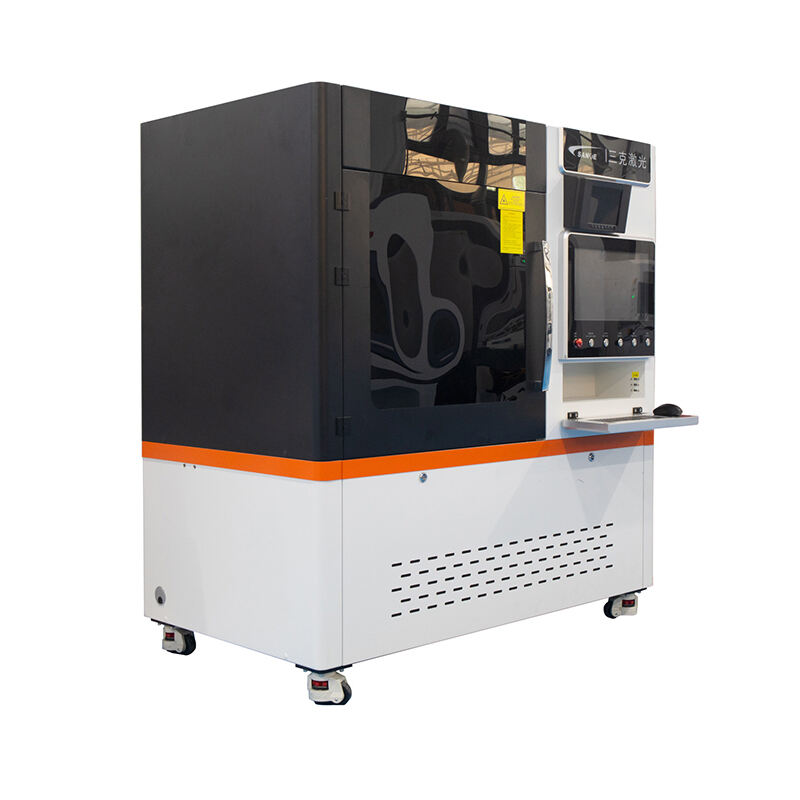
The used laser welding machine excels in processing an extraordinary range of materials and configurations, making it an invaluable asset for diverse manufacturing operations. This versatility encompasses ferrous and non-ferrous metals, including steel, aluminum, titanium, copper, brass, and various exotic alloys used in aerospace and medical applications. The ability to weld dissimilar materials opens new design possibilities and manufacturing strategies previously impossible with conventional joining methods. Thickness capabilities range from ultra-thin foils measuring just micrometers to thick plates several centimeters deep, all achievable with the same used laser welding machine through parameter adjustments. Joint configurations supported include butt joints, lap joints, T-joints, and complex three-dimensional geometries that would challenge traditional welding approaches. The used laser welding machine handles both reflective materials like copper and aluminum, which pose difficulties for other welding processes, and refractory materials with high melting points that require substantial energy input. Coating compatibility allows welding of plated, painted, or treated surfaces without extensive preparation, reducing processing time and costs. The technology accommodates both similar and dissimilar material combinations, enabling innovative product designs that leverage different material properties within single assemblies. Process flexibility includes continuous welding for long seams, spot welding for discrete joints, and seam welding for hermetic seals in electronic or medical applications. The used laser welding machine can transition seamlessly between different material types within single production runs, maximizing equipment utilization and reducing changeover times. Penetration control allows precise depth management, enabling partial penetration welds when required or full penetration for structural applications. The non-contact process eliminates concerns about tool wear or contamination transfer between different materials, ensuring consistent quality across diverse applications while maintaining the integrity of sensitive or expensive materials.
 EN
EN
 AR
AR
 FR
FR
 DE
DE
 JA
JA
 KO
KO
 RU
RU
 ES
ES