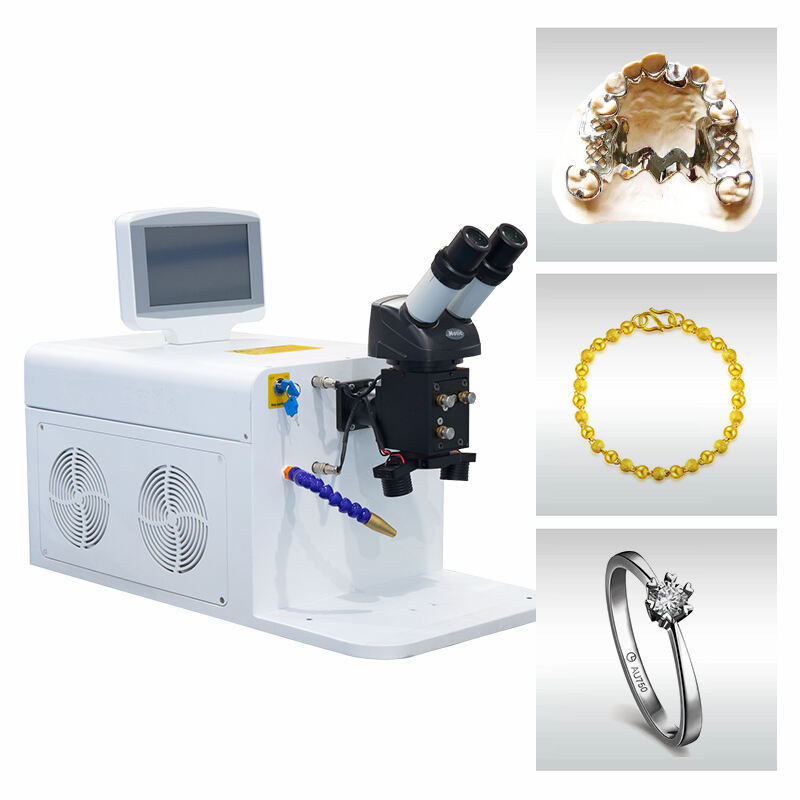
laser welding solutions-0

Advanced Laser Welding Solutions - Precision Manufacturing Technology for Superior Results

Get a Free Quote

Our representative will contact you soon.
Email
Name
Company Name
Message
0/1000

laser welding solutions

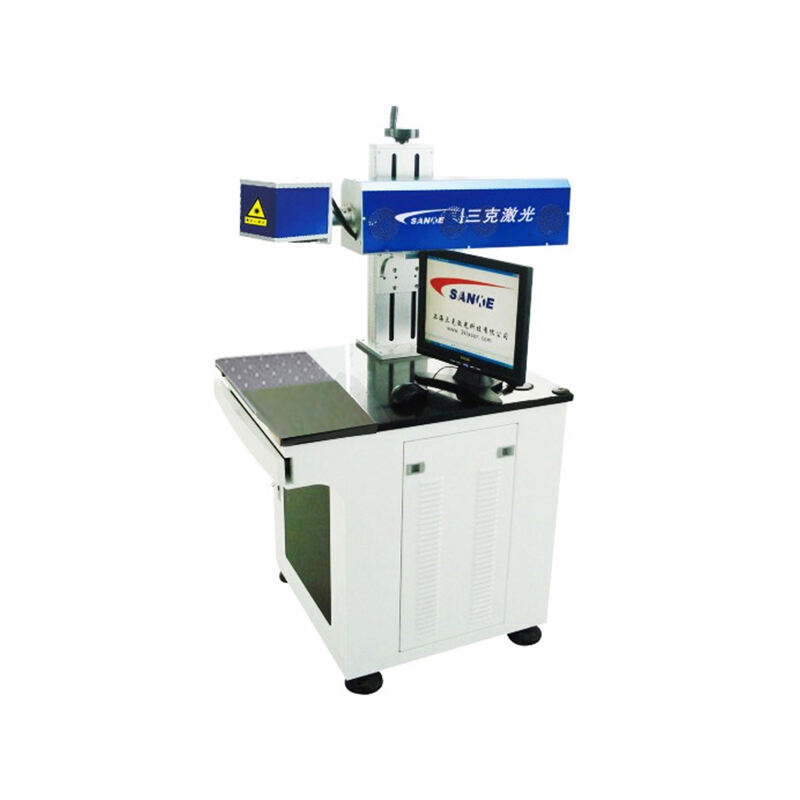
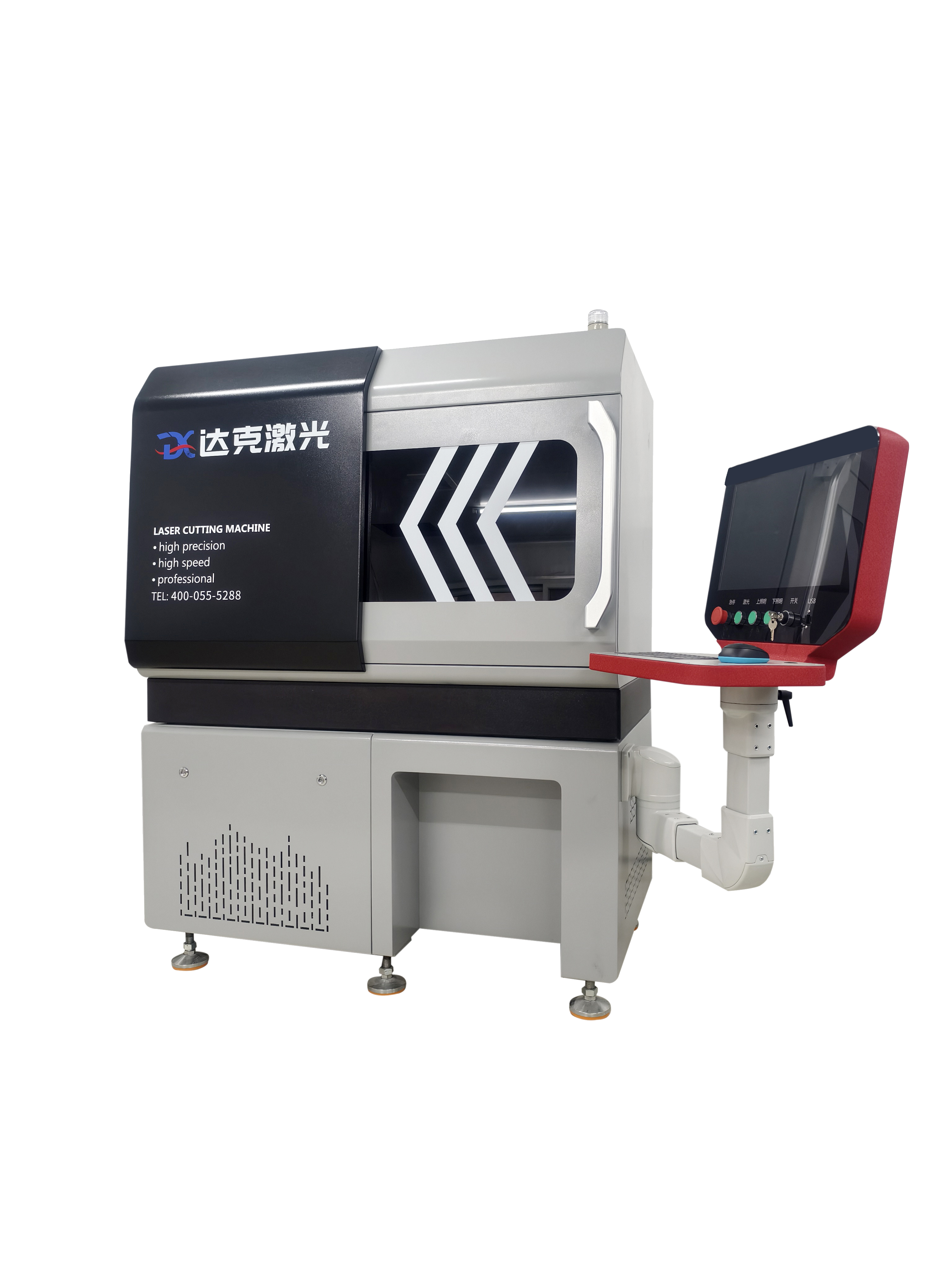
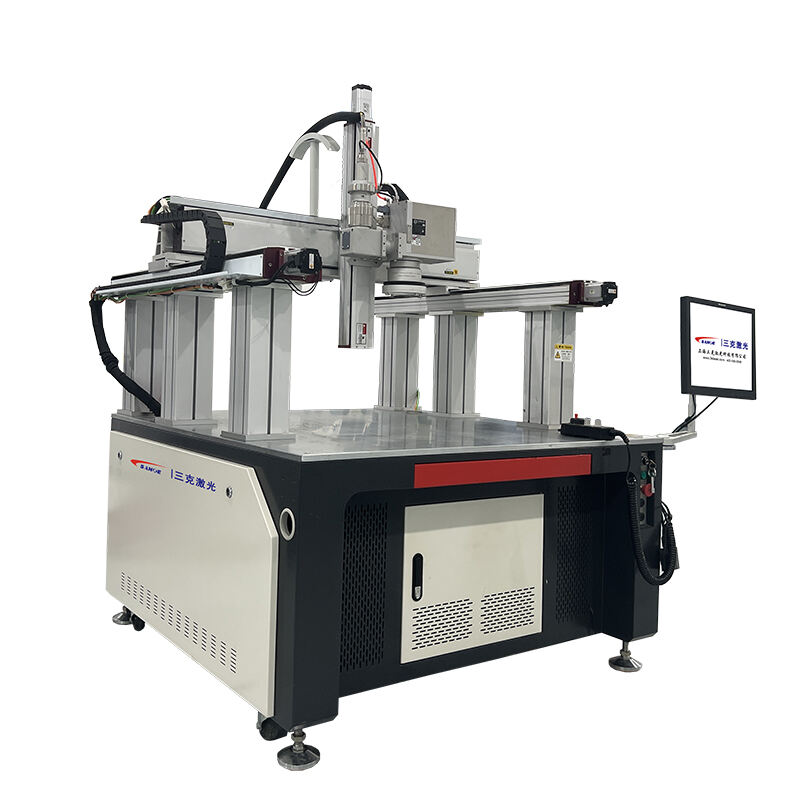
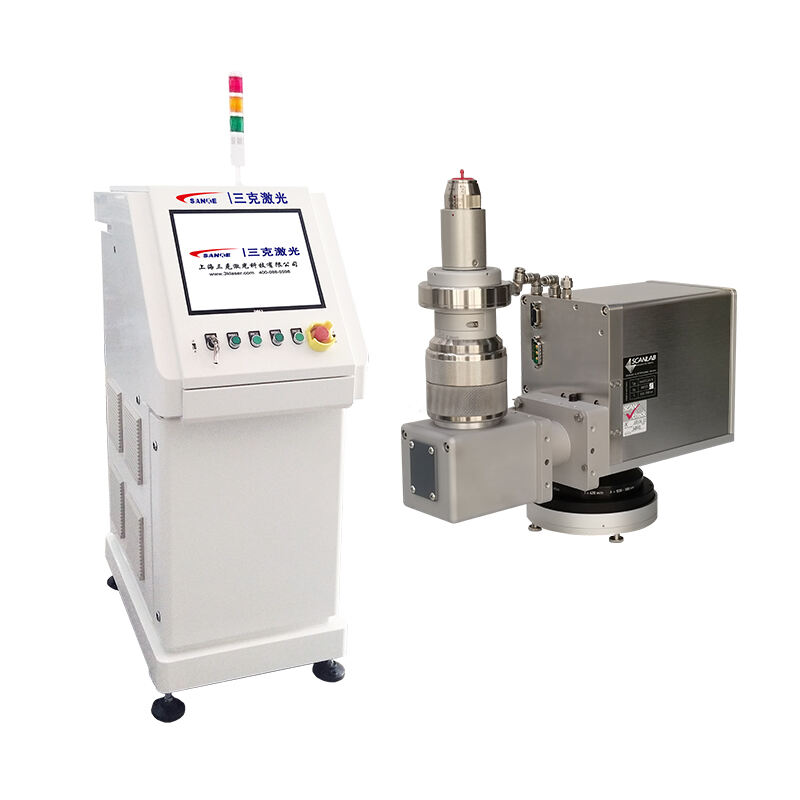
Laser welding solutions represent cutting-edge technology that revolutionizes manufacturing processes across diverse industries. These advanced systems utilize concentrated light beams to create precise, high-quality joints between materials with exceptional accuracy and speed. Modern laser welding solutions integrate sophisticated optics, computer-controlled positioning systems, and real-time monitoring capabilities to deliver consistent results that meet stringent quality standards. The core functionality revolves around generating intense heat through focused laser energy, which melts and fuses materials at the molecular level. This process creates stronger bonds compared to traditional welding methods while maintaining superior surface finish quality. Technological features include programmable power control, variable pulse duration, adaptive beam shaping, and integrated quality assurance systems. These laser welding solutions incorporate feedback mechanisms that automatically adjust parameters based on material thickness, joint configuration, and environmental conditions. The versatility extends across multiple materials including stainless steel, aluminum, titanium, copper alloys, and various plastics. Applications span automotive manufacturing, aerospace components, medical device production, electronics assembly, jewelry crafting, and precision instrumentation. In automotive sectors, laser welding solutions enable lightweight vehicle construction through dissimilar material joining capabilities. Aerospace applications benefit from the technology's ability to create leak-proof seals in critical components while maintaining structural integrity under extreme conditions. Medical device manufacturers utilize these systems for producing sterile, biocompatible joints in surgical instruments and implantable devices. Electronics industries leverage laser welding solutions for miniaturized component assembly where traditional methods prove inadequate. The technology's non-contact nature eliminates mechanical stress on delicate parts while providing exceptional repeatability essential for mass production environments. Advanced laser welding solutions feature modular designs that accommodate various production scales from prototype development to high-volume manufacturing operations.

New Product Recommendations

Laser welding solutions deliver remarkable precision that traditional welding methods cannot match. The focused beam creates welds as narrow as 0.1mm with minimal heat-affected zones, preserving material properties surrounding the joint area. This precision translates directly into reduced material waste and lower production costs for manufacturers. Speed represents another significant advantage, with laser welding solutions completing joints up to ten times faster than conventional techniques. Faster processing means increased throughput and improved profitability for production facilities. The non-contact welding process eliminates tool wear and reduces maintenance requirements substantially. Unlike traditional methods requiring electrode replacement and consumable materials, laser welding solutions operate with minimal ongoing costs once installed. Quality consistency stands out as a primary benefit, with automated laser welding solutions producing identical results across thousands of parts. This reliability reduces inspection requirements and minimizes rejection rates in quality control processes. The technology creates stronger joints through precise heat control that prevents overheating and maintains optimal metallurgical structure. Distortion issues common in traditional welding become virtually eliminated with laser welding solutions due to concentrated energy application. This characteristic proves especially valuable when working with thin materials or components requiring tight dimensional tolerances. Versatility enables processing of dissimilar materials that conventional welding cannot join effectively. Laser welding solutions successfully bond different alloys, thicknesses, and even some material combinations previously considered incompatible. Environmental benefits include reduced energy consumption compared to traditional welding processes and elimination of harmful fumes or residues. The clean process requires no flux materials or shielding gases in many applications, creating safer working conditions for operators. Automation compatibility allows integration with robotic systems for unmanned operation, reducing labor costs while improving safety. Remote operation capabilities enable welding in hazardous environments or confined spaces where human access proves difficult or dangerous. The technology scales effectively from small batch production to continuous manufacturing operations, making laser welding solutions suitable for diverse business requirements. Investment returns typically materialize quickly through reduced operating costs, improved quality, and increased production capacity.

Latest News

What are the advantages of using a laser welding machine over traditional welding methods?

19

Nov

What are the advantages of using a laser welding machine over traditional welding methods?

Modern manufacturing processes continue to evolve with technological advancements, and welding technology stands at the forefront of this transformation. Among the most significant developments in recent years is the emergence of the laser welding ma...
View More
How can laser welding be applied to different materials, and what are the challenges?

19

Nov

How can laser welding be applied to different materials, and what are the challenges?

Laser welding has revolutionized modern manufacturing processes by offering unprecedented precision and versatility in joining various materials. This advanced technique utilizes focused laser beams to create high-quality welds with minimal heat-affe...
View More
Common Field Lens Problems and Solutions

21

Oct

Common Field Lens Problems and Solutions

Understanding the Complexities of Field Lens Performance Field lenses play a crucial role in optical systems, serving as vital components that help collect and direct light effectively. These specialized optical elements are designed to improve image...
View More
Fixed vs Variable Beam Expander: Which to Choose?

21

Oct

Fixed vs Variable Beam Expander: Which to Choose?

Understanding Optical Beam Expansion Technology In the world of optics and laser applications, beam expanders play a crucial role in manipulating light beams for various scientific and industrial purposes. These sophisticated optical instruments are ...
View More

Get a Free Quote

Our representative will contact you soon.
Email
Name
Company Name
Message
0/1000

laser welding solutions

Superior Precision and Quality Control

Superior Precision and Quality Control

Laser welding solutions excel in delivering unparalleled precision that transforms manufacturing quality standards across industries. The technology focuses intense energy into extremely small areas, creating welds with widths ranging from 0.05mm to several millimeters depending on application requirements. This exceptional precision stems from advanced beam control systems that manipulate focal point size, power density, and energy distribution with microscopic accuracy. Quality control benefits emerge through consistent heat input that maintains optimal metallurgical properties throughout the welding process. Unlike traditional methods where heat spreads unpredictably, laser welding solutions confine thermal effects to predetermined zones, preventing unwanted changes in material structure. The technology enables real-time monitoring through integrated sensors that track weld pool dynamics, temperature profiles, and joint formation progress. These monitoring capabilities allow immediate adjustments when deviations occur, ensuring every weld meets specified quality parameters. Precision extends beyond dimensional accuracy to include aesthetic considerations, as laser welding solutions produce smooth, clean joints requiring minimal post-processing. The controlled heat input prevents oxidation, discoloration, and surface contamination that plague conventional welding techniques. Quality consistency remains stable across extended production runs because laser welding solutions eliminate human variables that introduce inconsistencies. Automated parameter control ensures identical energy delivery for each weld, resulting in uniform strength, appearance, and dimensional characteristics. The technology accommodates complex geometries and intricate designs that challenge traditional welding approaches, enabling manufacturers to create innovative products with enhanced functionality. Precision capabilities support miniaturization trends in electronics, medical devices, and precision instruments where microscopic joints must meet stringent reliability requirements. Quality documentation becomes simplified through digital monitoring systems that record welding parameters, environmental conditions, and quality metrics for each joint. This comprehensive data collection supports traceability requirements in regulated industries while providing valuable feedback for continuous process improvement. The superior precision and quality control offered by laser welding solutions translate directly into reduced warranty claims, improved customer satisfaction, and enhanced brand reputation for manufacturers who adopt this advanced technology.
Enhanced Production Efficiency and Speed

Enhanced Production Efficiency and Speed

Laser welding solutions dramatically improve production efficiency through exceptional speed capabilities that revolutionize manufacturing timelines and output capacity. Processing speeds often exceed traditional welding methods by factors of five to ten, depending on material thickness and joint configuration requirements. This remarkable speed advantage stems from the technology's ability to deliver concentrated energy instantly without preheating requirements or extended setup procedures. Production efficiency gains multiply through reduced cycle times, allowing manufacturers to process more parts within existing operational hours while maintaining quality standards. The rapid heating and cooling cycles characteristic of laser welding solutions minimize thermal distortion, eliminating time-consuming straightening operations required with conventional welding processes. Efficiency improvements extend beyond welding speed to include reduced material handling requirements, as precise energy control minimizes the need for extensive fixturing or clamping systems. Quick setup capabilities enable rapid changeovers between different products or production runs, maximizing equipment utilization and reducing idle time. The technology's programming flexibility allows storage of multiple welding recipes that operators can recall instantly, eliminating manual parameter adjustments and reducing setup errors. Automated laser welding solutions integrate seamlessly with existing production lines, maintaining continuous flow without bottlenecks or interruptions. Energy efficiency contributes to overall production economics, as laser welding solutions consume significantly less power per weld compared to traditional resistance or arc welding systems. The elimination of consumable materials like electrodes, filler metals, or flux compounds reduces procurement costs and inventory management complexity. Maintenance requirements decrease substantially due to the non-contact nature of laser welding solutions, reducing unplanned downtime and associated production losses. The technology's reliability ensures consistent availability during critical production periods, supporting lean manufacturing principles and just-in-time delivery commitments. Efficiency metrics improve across multiple dimensions including reduced scrap rates, minimized rework requirements, and decreased inspection time due to superior joint quality. The combination of speed, reliability, and quality creates multiplicative efficiency gains that justify investment in laser welding solutions for competitive manufacturing environments where productivity advantages translate directly to market position and profitability.
Versatile Material Compatibility and Application Range

Versatile Material Compatibility and Application Range

Laser welding solutions demonstrate exceptional versatility through their ability to process an extensive range of materials and accommodate diverse application requirements across multiple industries. This adaptability stems from precise energy control that adjusts instantly to different material properties, thicknesses, and thermal characteristics without requiring extensive equipment modifications. Material compatibility extends across ferrous and non-ferrous metals including stainless steel, aluminum, titanium, copper, brass, and various specialty alloys used in aerospace and medical applications. The technology successfully processes dissimilar material combinations that traditional welding methods cannot join effectively, opening new possibilities for innovative product designs and lightweight construction techniques. Thickness ranges accommodate everything from ultra-thin foils measuring micrometers to substantial plates several millimeters thick, providing flexibility for diverse manufacturing requirements. Plastic welding capabilities expand applications into automotive, electronics, and consumer goods sectors where traditional metal joining methods prove unsuitable. The technology adapts to various joint configurations including butt joints, lap joints, T-joints, and complex three-dimensional geometries that challenge conventional welding approaches. Application versatility encompasses both high-volume production environments and low-volume specialty manufacturing where flexibility and quick changeover capabilities prove essential. Laser welding solutions support automotive applications ranging from body panel assembly to battery pack construction for electric vehicles, demonstrating adaptability to evolving industry requirements. Medical device manufacturing benefits from the technology's biocompatibility and contamination-free processing that meets stringent regulatory standards for implantable devices and surgical instruments. Electronics applications utilize microscopic welding capabilities for circuit board assembly, sensor packaging, and component interconnection where traditional methods lack sufficient precision. Aerospace industries leverage the technology's ability to create reliable joints in critical components while maintaining weight reduction objectives essential for fuel efficiency and performance optimization. Jewelry and precision instrument manufacturing exploit the clean, aesthetic results possible with laser welding solutions that require minimal finishing operations. The technology's programming capabilities enable storage of multiple application-specific parameter sets, allowing rapid transitions between different materials, thicknesses, and quality requirements without extensive operator training or equipment reconfiguration. This remarkable versatility makes laser welding solutions valuable investments for manufacturers serving multiple markets or anticipating future product diversification requirements.

Get a Free Quote

Our representative will contact you soon.
Email
Name
Company Name
Message
0/1000