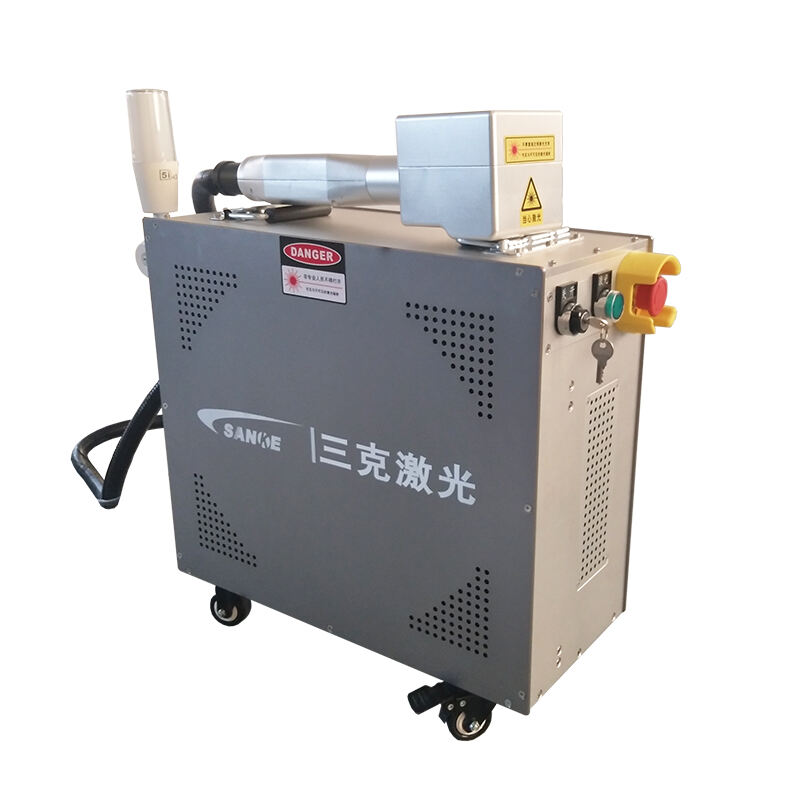
laser welding cleaning machine
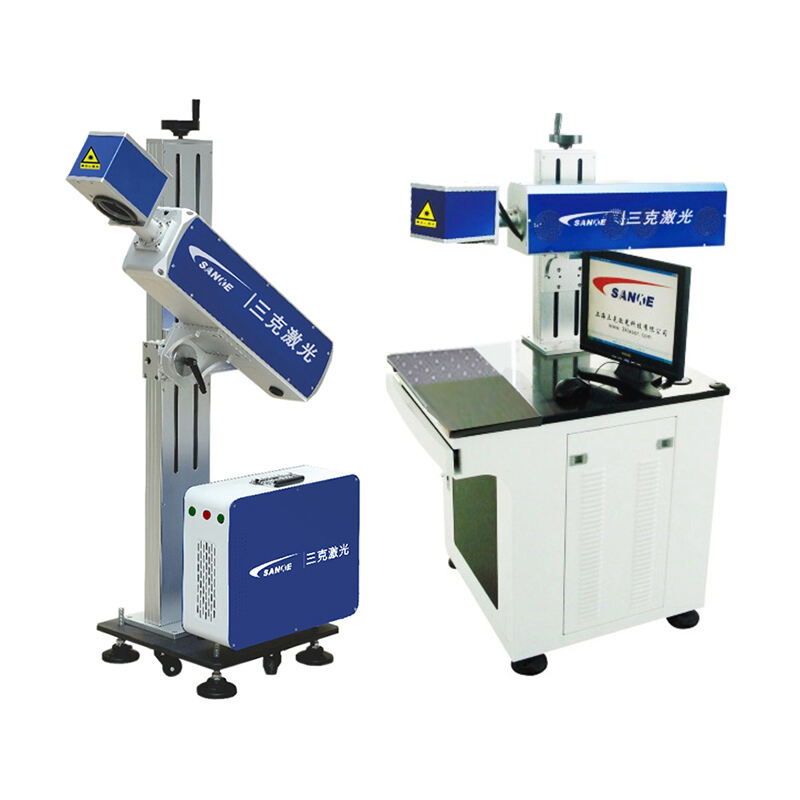
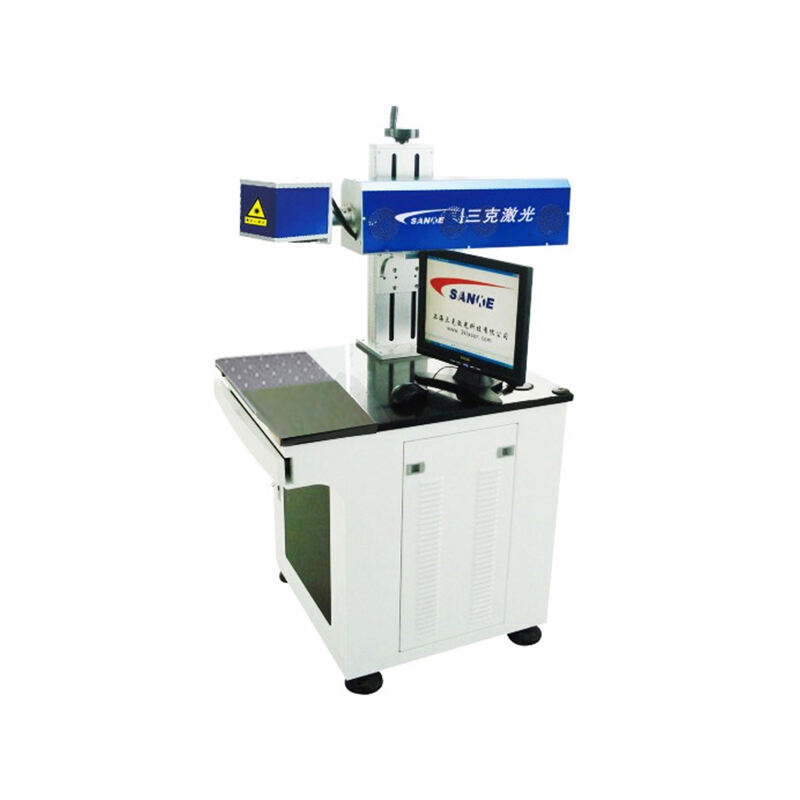
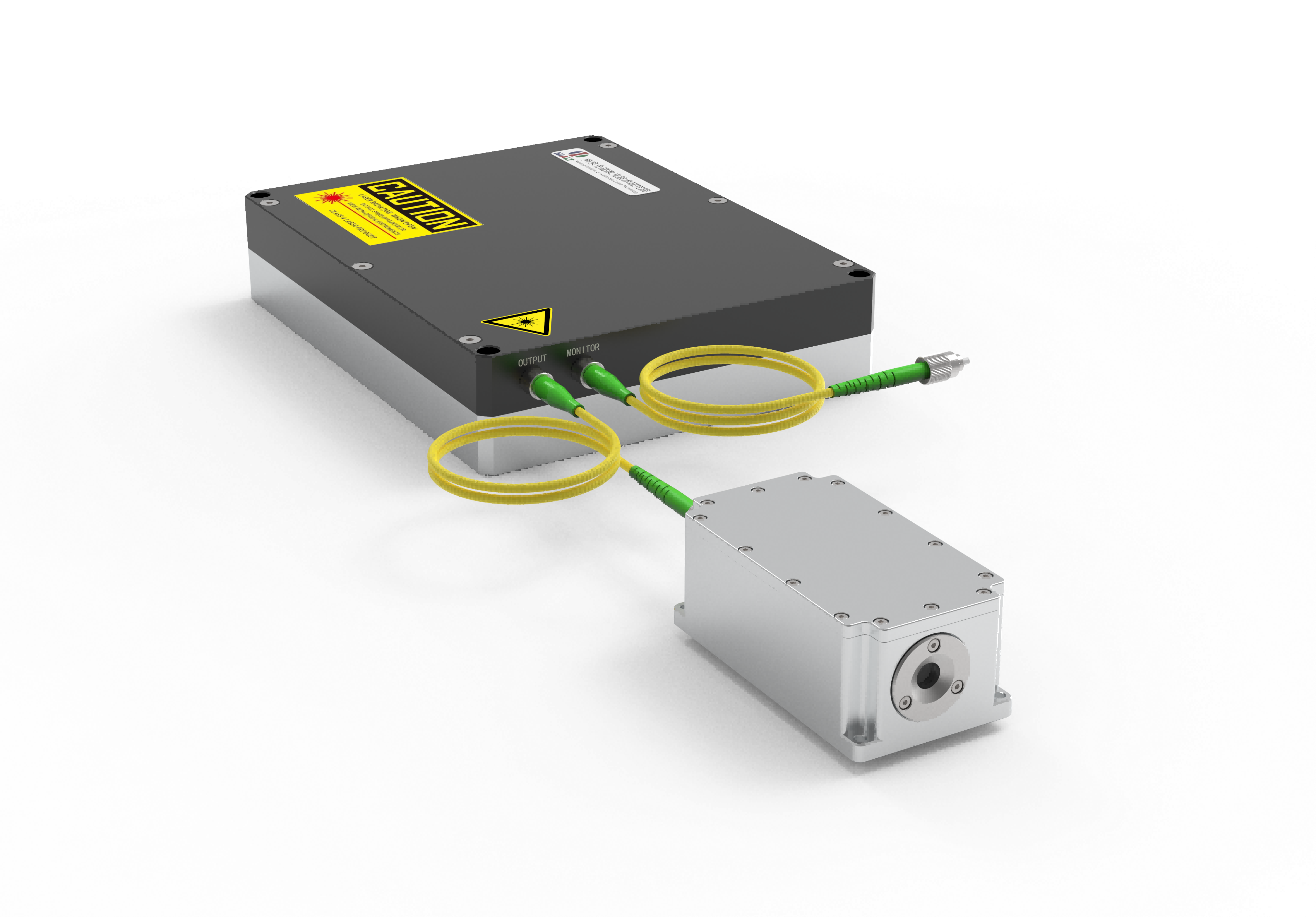
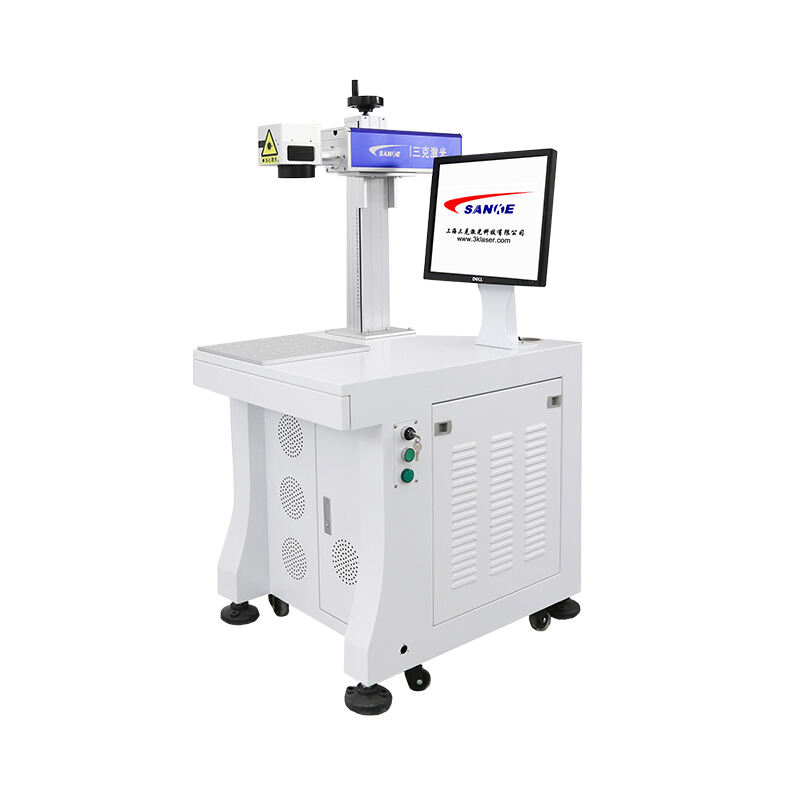
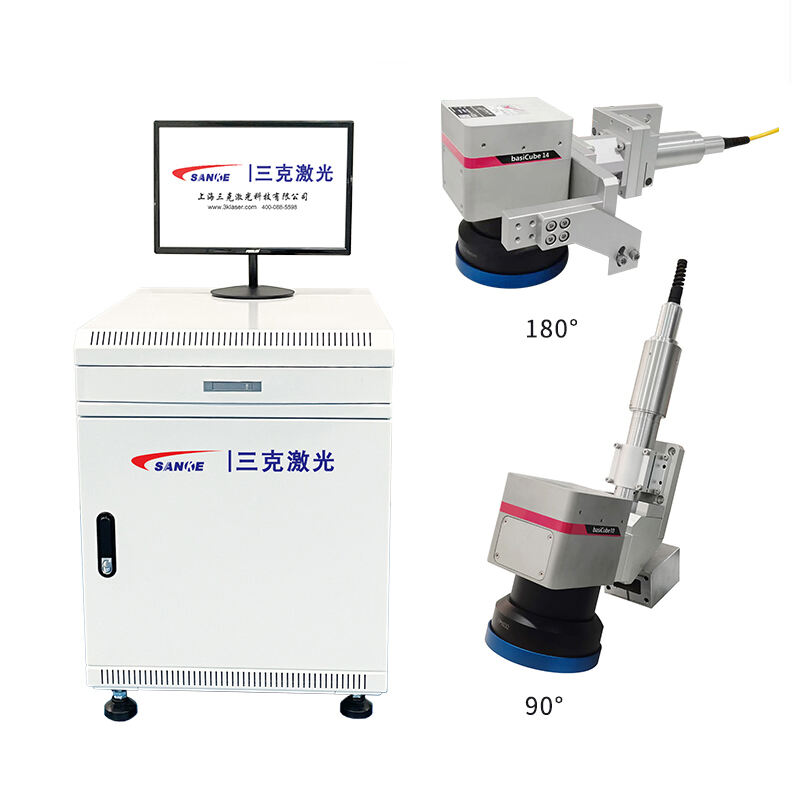
The laser welding cleaning machine represents a revolutionary advancement in industrial surface treatment technology, combining the precision of laser systems with comprehensive cleaning capabilities. This sophisticated equipment utilizes high-powered laser beams to remove contaminants, rust, paint, and other unwanted materials from metal surfaces while simultaneously preparing them for welding operations. The laser welding cleaning machine operates through selective photothermolysis, where focused laser energy precisely targets surface impurities without damaging the underlying substrate material. Modern laser welding cleaning machines incorporate fiber laser technology, delivering exceptional beam quality and energy efficiency. These systems feature adjustable power settings, scanning speeds, and beam patterns to accommodate various material types and contamination levels. The equipment typically includes automated scanning heads, real-time monitoring systems, and safety interlocks to ensure consistent results and operator protection. Key technological features include programmable cleaning parameters, multi-axis positioning systems, and integrated fume extraction capabilities. The laser welding cleaning machine excels in automotive manufacturing, aerospace component preparation, shipbuilding, and general fabrication industries. Applications range from removing oxide layers on stainless steel to preparing aluminum surfaces for critical aerospace welds. The technology eliminates the need for chemical solvents, abrasive media, and manual preparation methods, significantly reducing processing time and environmental impact. Advanced laser welding cleaning machines incorporate intelligent control systems that automatically adjust parameters based on material detection and contamination assessment. These machines deliver consistent surface preparation quality, enabling superior weld penetration and strength. The non-contact cleaning process preserves dimensional accuracy and surface integrity, making it ideal for precision components and delicate substrates where traditional methods might cause damage or distortion.
 EN
EN
 AR
AR
 FR
FR
 DE
DE
 JA
JA
 KO
KO
 RU
RU
 ES
ES