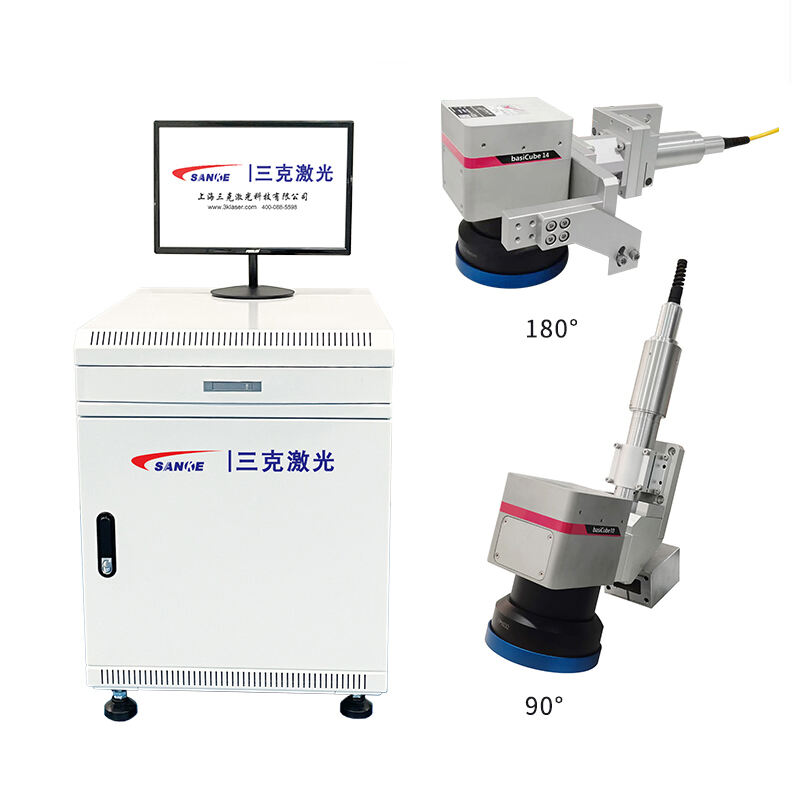
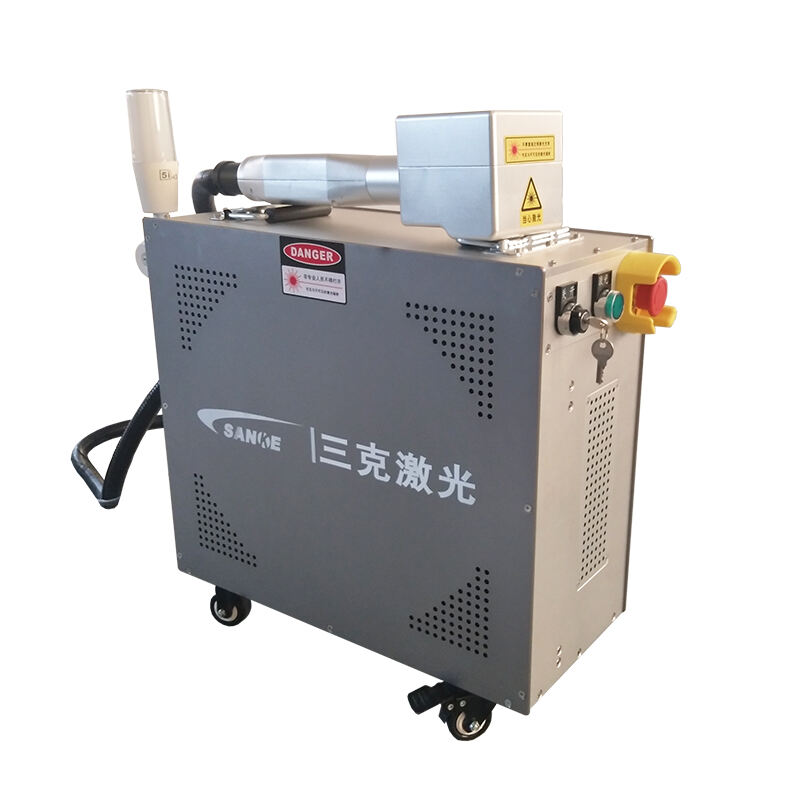
handheld laser cleaning machine
The handheld laser cleaning machine represents a revolutionary advancement in surface preparation and cleaning technology, offering unprecedented precision and efficiency for industrial and commercial applications. This innovative device utilizes high-powered laser beams to remove contaminants, coatings, rust, and unwanted materials from various surfaces without causing damage to the underlying substrate. The core technology behind the handheld laser cleaning machine involves the emission of concentrated laser pulses that create rapid thermal expansion in the target material, effectively breaking the bond between the contaminant and the base surface. This process, known as laser ablation, occurs instantaneously and with remarkable accuracy, making it an ideal solution for delicate cleaning tasks where traditional methods might prove inadequate or destructive. The handheld laser cleaning machine features advanced fiber laser technology, typically operating at wavelengths optimized for maximum absorption by common contaminants while minimizing impact on the base material. Most units incorporate adjustable power settings, allowing operators to customize the cleaning intensity based on the specific requirements of each project. The ergonomic design ensures comfortable operation during extended use, while integrated safety features protect both the operator and surrounding environment. Key technological features include real-time monitoring systems, automatic focus adjustment, and intelligent beam shaping capabilities that optimize cleaning efficiency across different surface types. The handheld laser cleaning machine excels in applications ranging from automotive restoration and aerospace maintenance to historic preservation and marine equipment servicing. Its versatility extends to cleaning concrete surfaces, removing graffiti, preparing surfaces for welding, and eliminating oxidation from metal components. The technology proves particularly valuable in situations where chemical solvents or abrasive methods are prohibited due to environmental concerns or substrate sensitivity requirements.
 EN
EN
 AR
AR
 FR
FR
 DE
DE
 JA
JA
 KO
KO
 RU
RU
 ES
ES