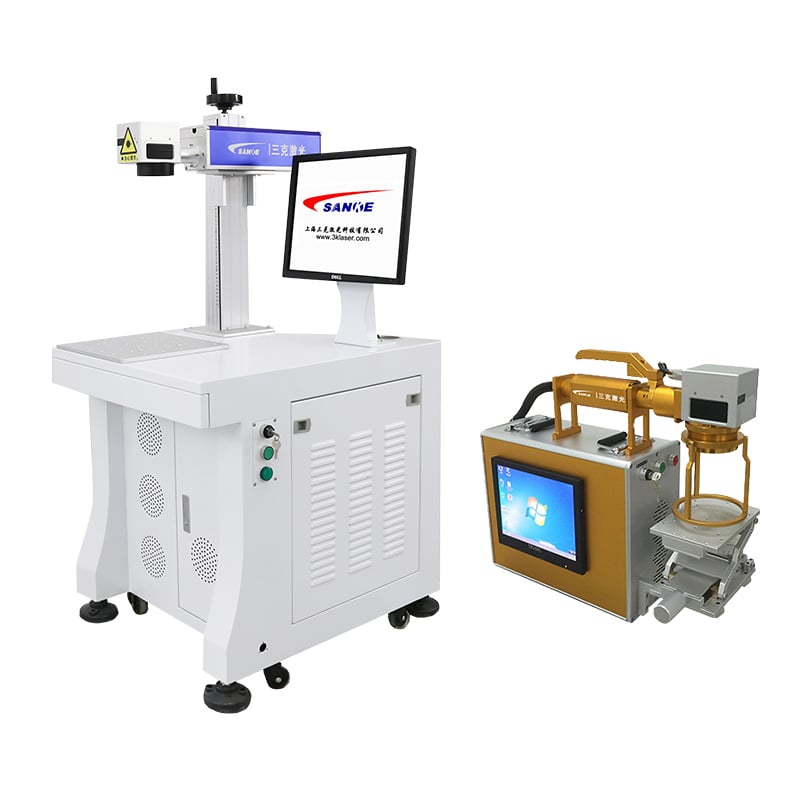
laser cutting fabrication
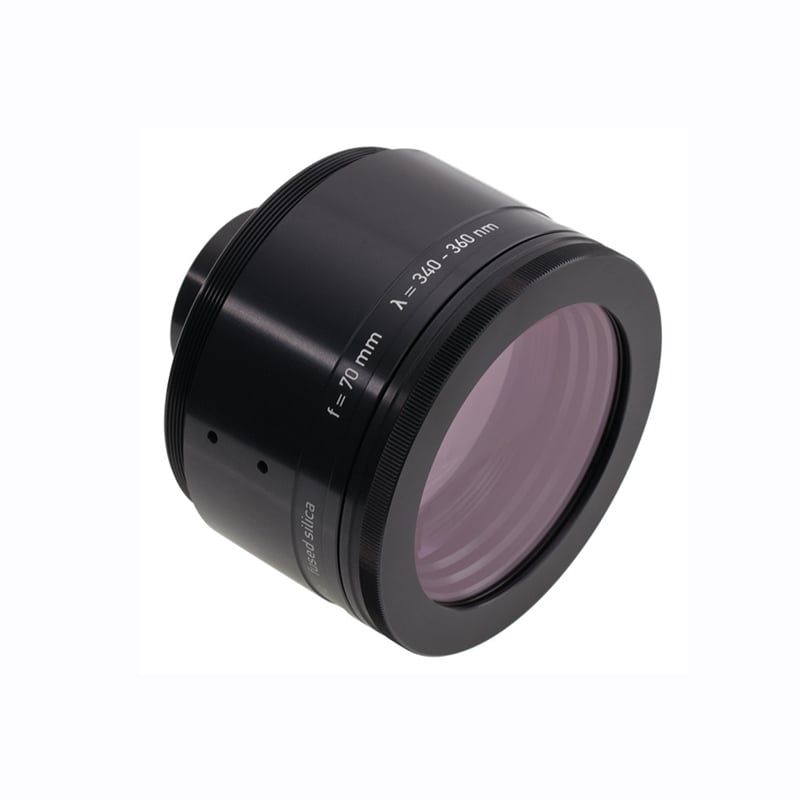
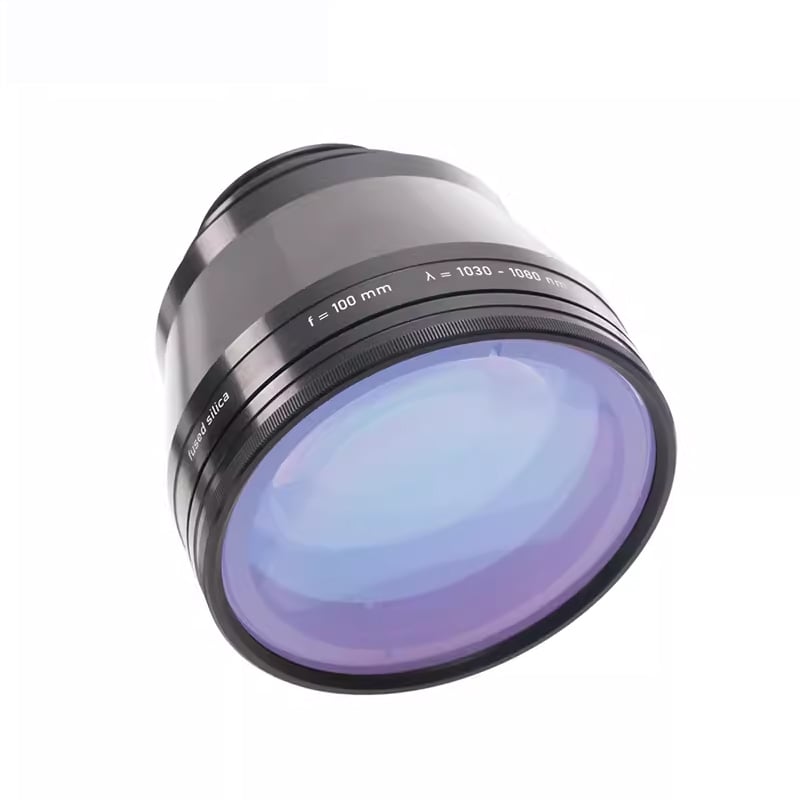
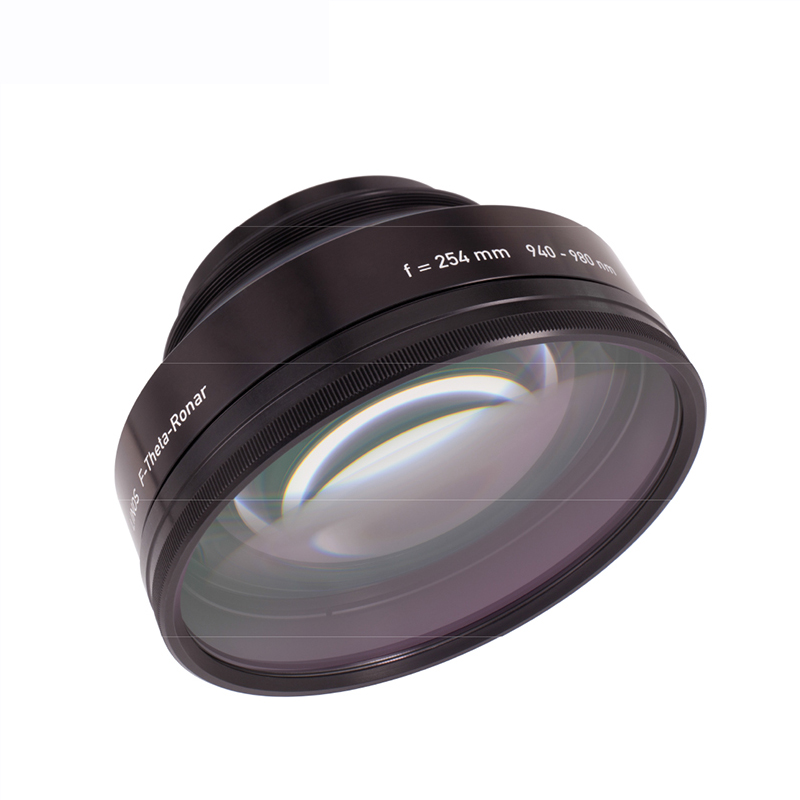
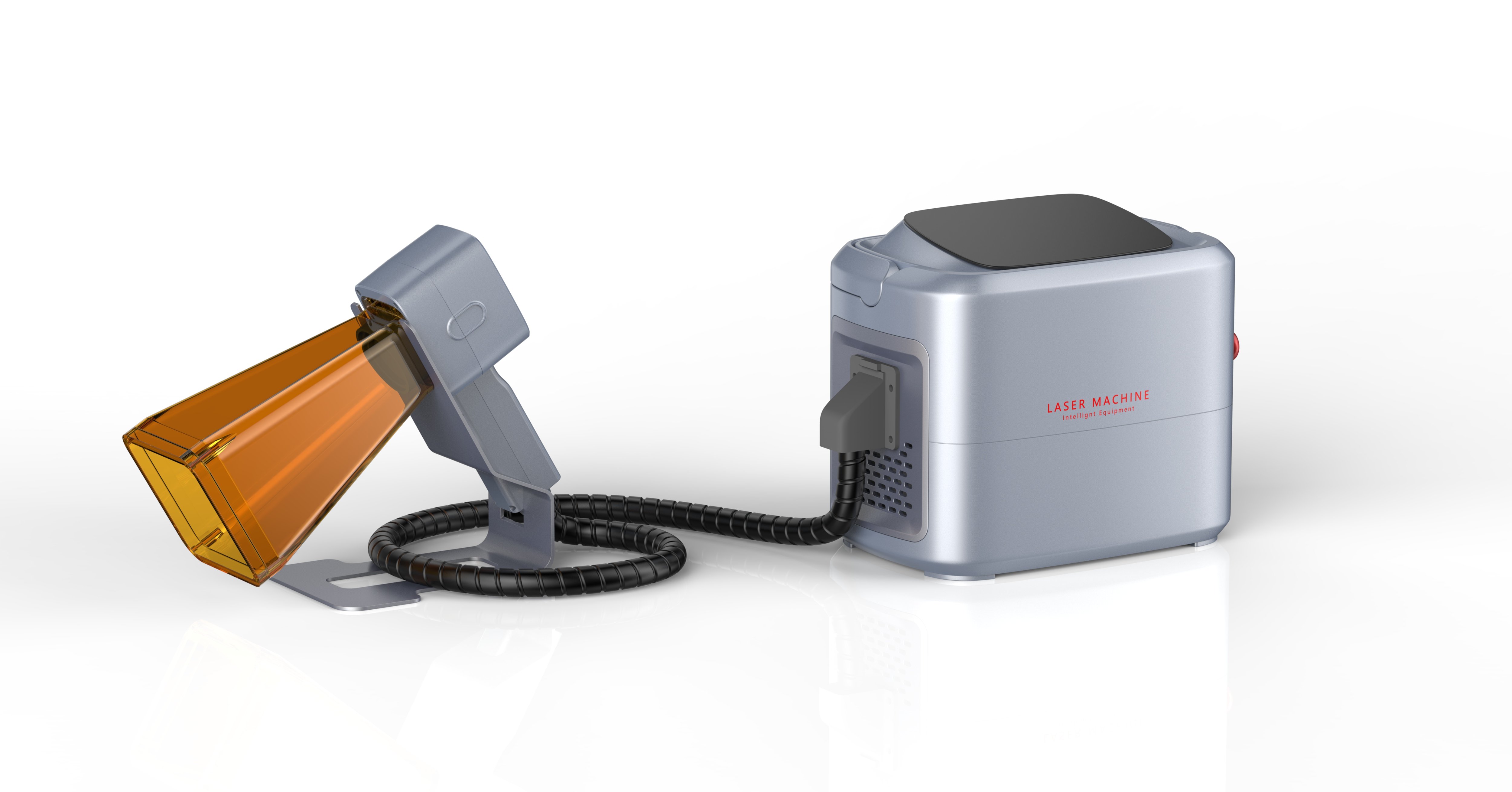
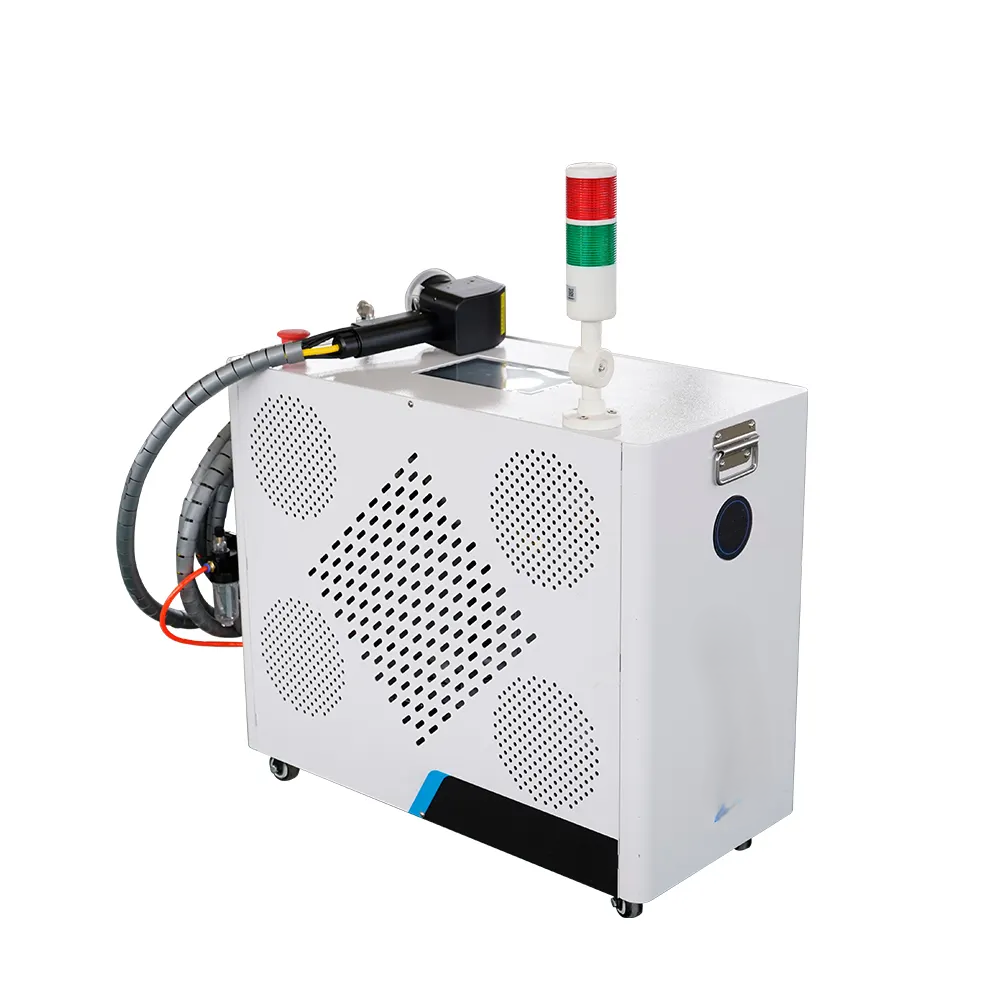
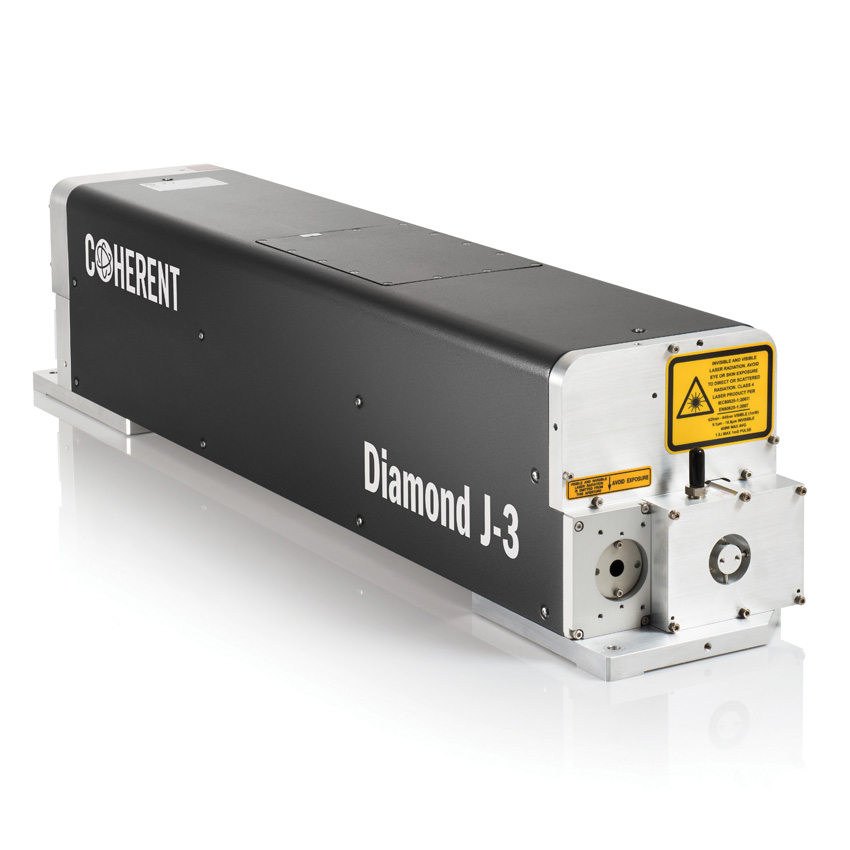
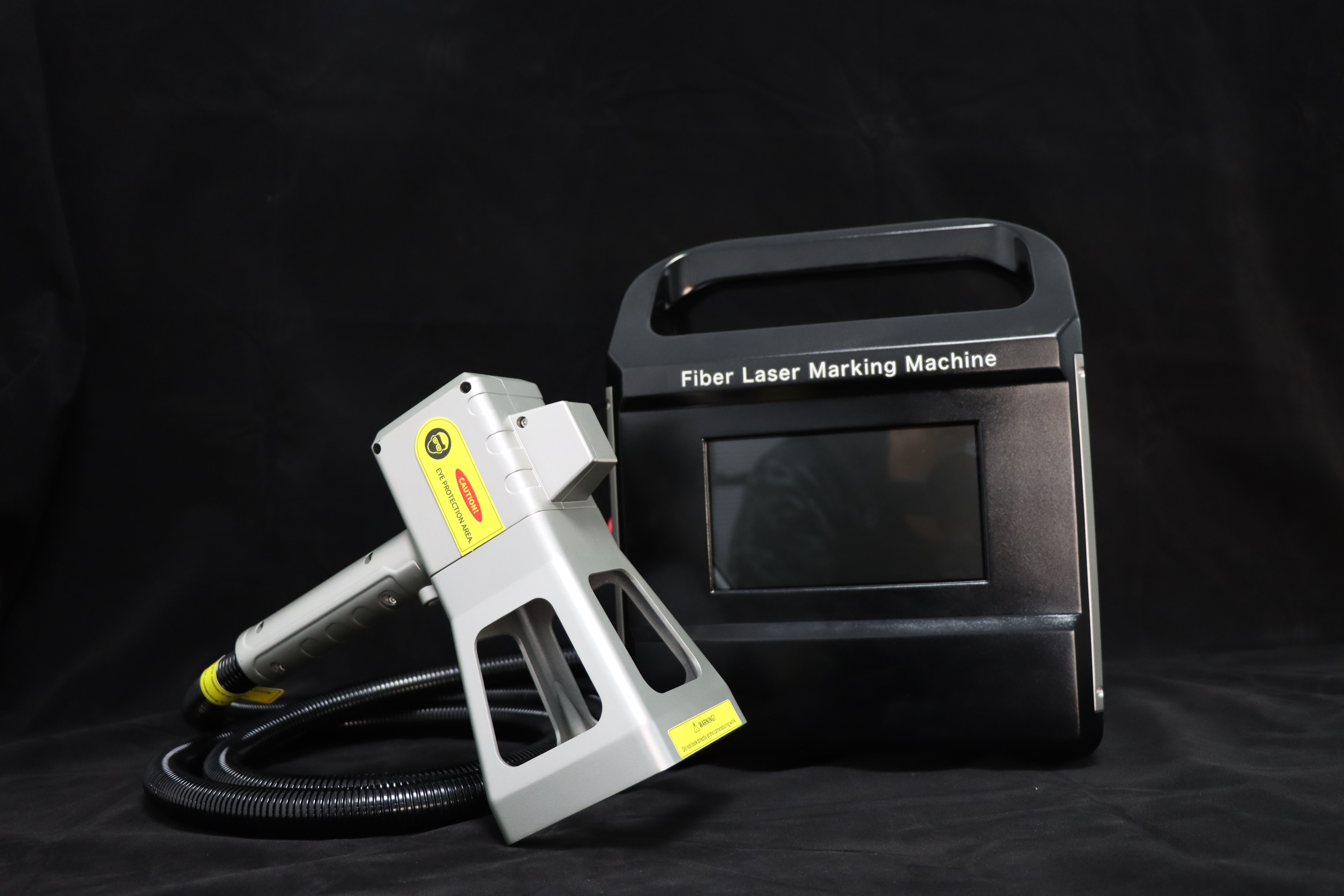
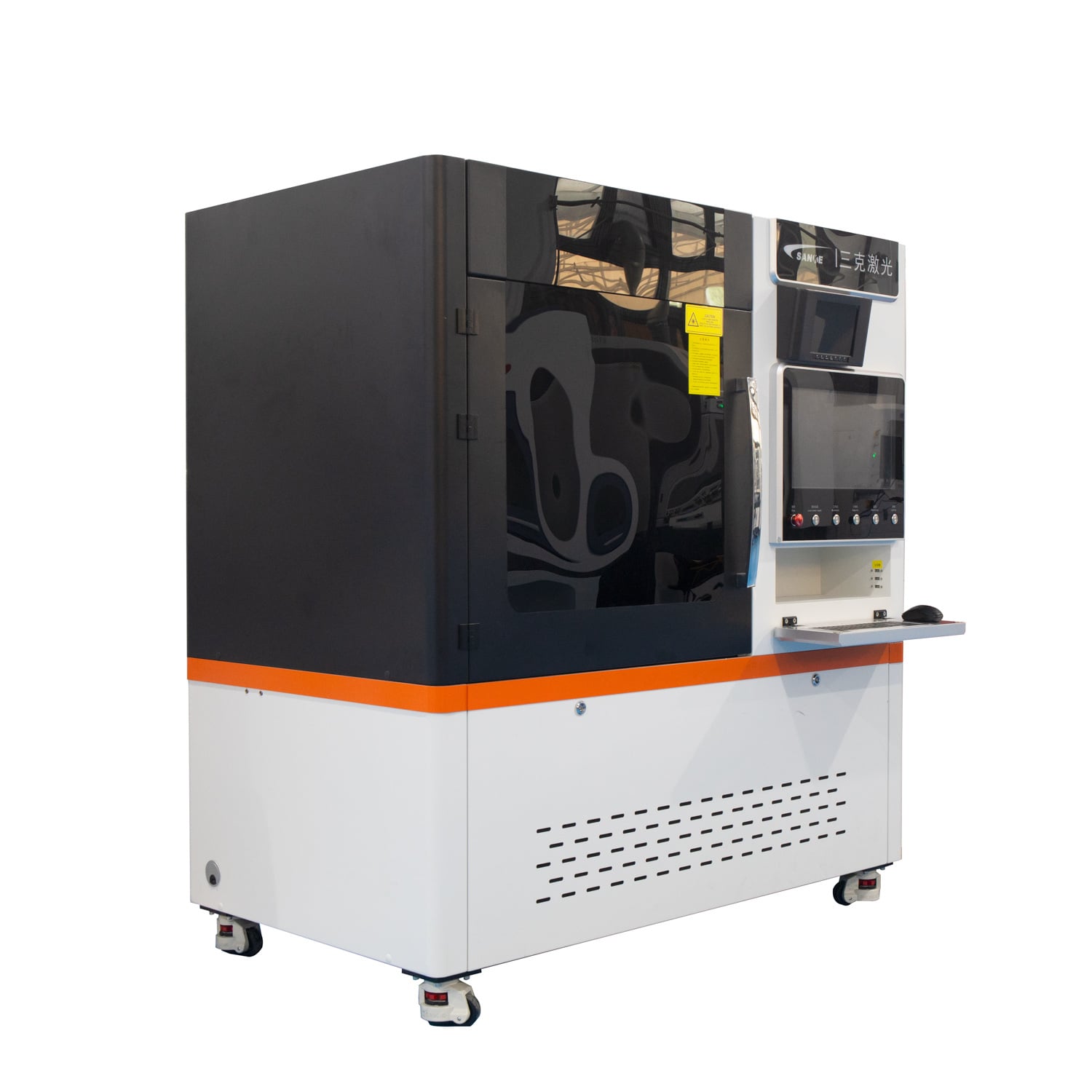
Laser cutting fabrication is an advanced manufacturing process that uses a high-powered laser beam to cut, engrave, or shape materials with exceptional precision and efficiency. This technology directs a concentrated beam of light through computer-controlled systems to melt, burn, or vaporize material along predetermined paths, creating clean and accurate cuts. The main functions of laser cutting fabrication include cutting complex geometric patterns, creating intricate designs, and processing various materials ranging from metals like steel, aluminum, and titanium to non-metals such as plastics, wood, and composites. The technological features that distinguish this process include non-contact cutting that eliminates tool wear, computer numerical control for repeatable accuracy, narrow kerf widths that minimize material waste, and heat-affected zones that remain small to preserve material integrity. Laser cutting fabrication operates at remarkable speeds while maintaining tight tolerances, often achieving precision within fractions of a millimeter. Applications span numerous industries including aerospace for manufacturing aircraft components, automotive for producing body panels and chassis parts, electronics for circuit board fabrication, medical device manufacturing for surgical instruments, architectural metalwork for decorative panels, and signage production for custom lettering. The versatility of laser cutting fabrication makes it indispensable for both prototype development and high-volume production runs, accommodating materials of varying thicknesses and complexities while delivering consistent quality across every piece produced.
 EN
EN
 AR
AR
 FR
FR
 DE
DE
 JA
JA
 KO
KO
 RU
RU
 ES
ES