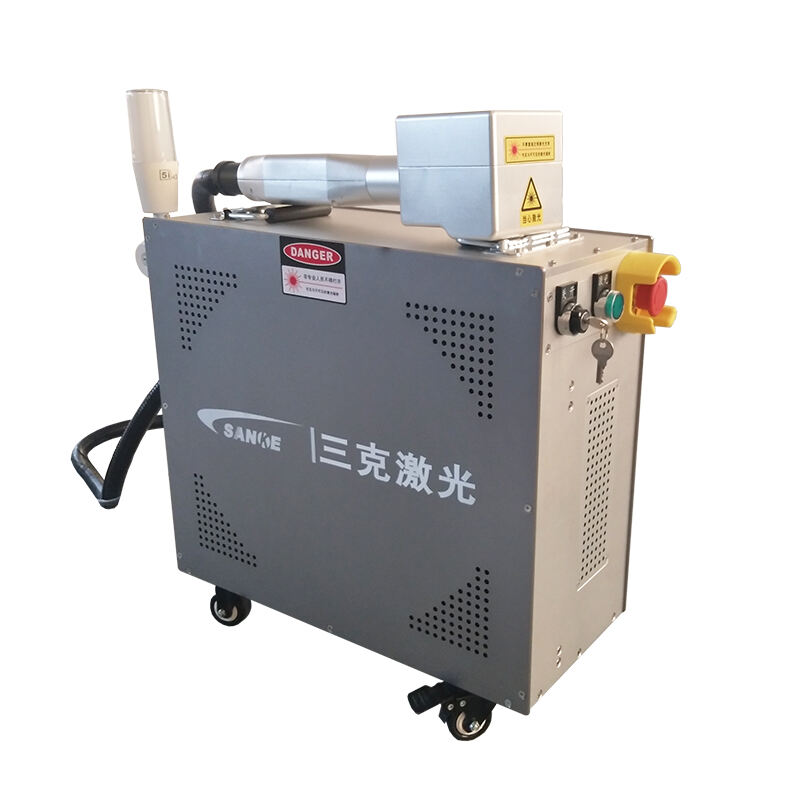
Precision Control and Automation Capabilities
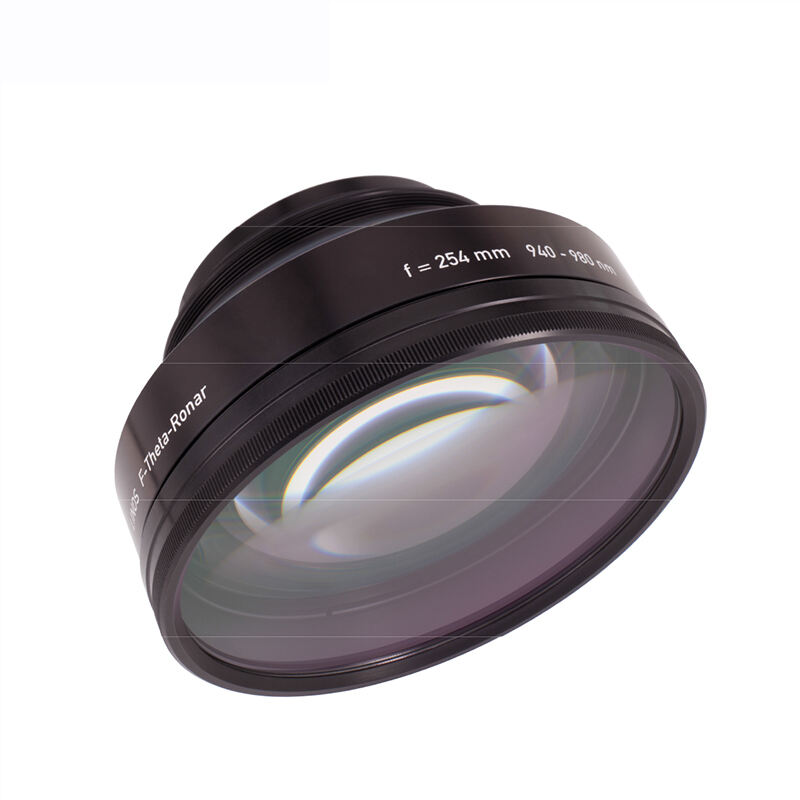
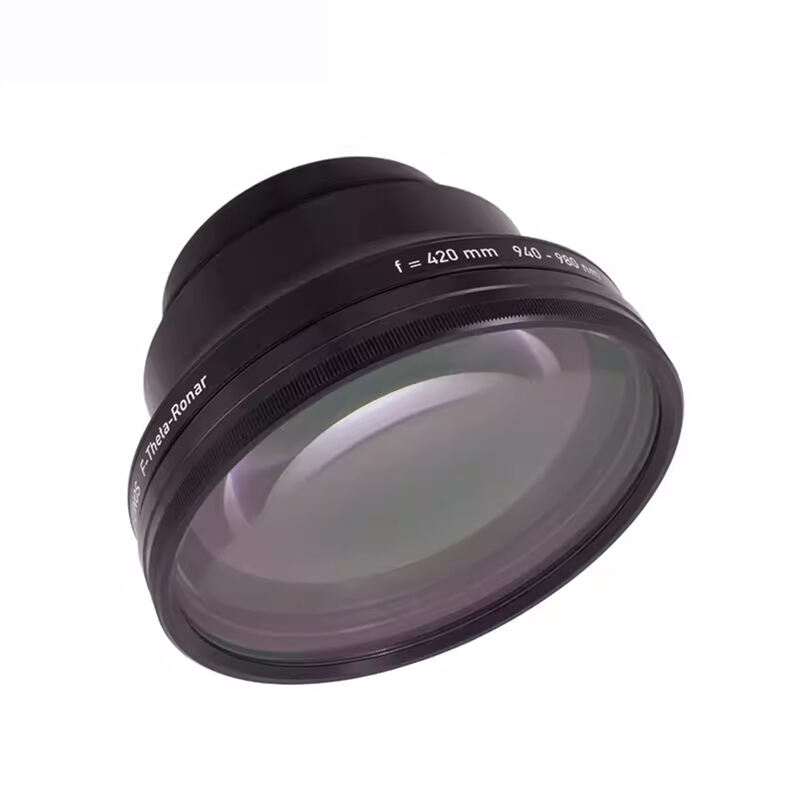
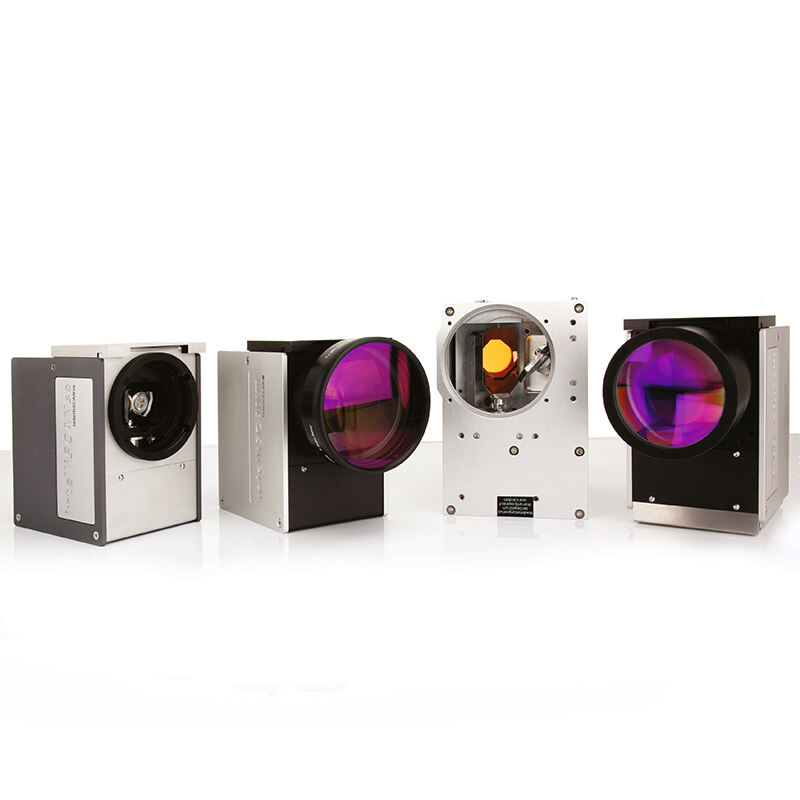
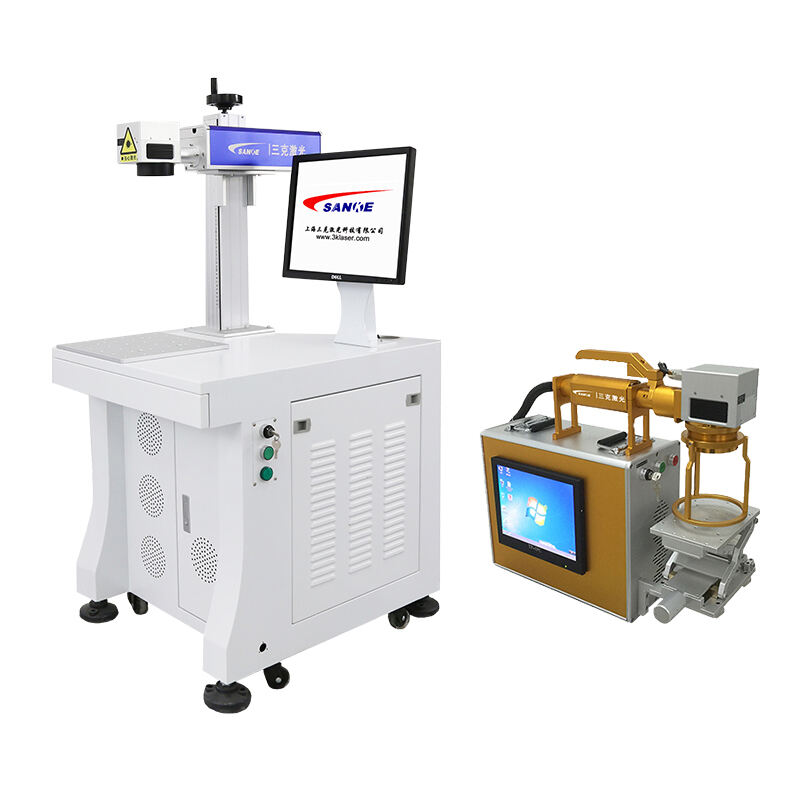
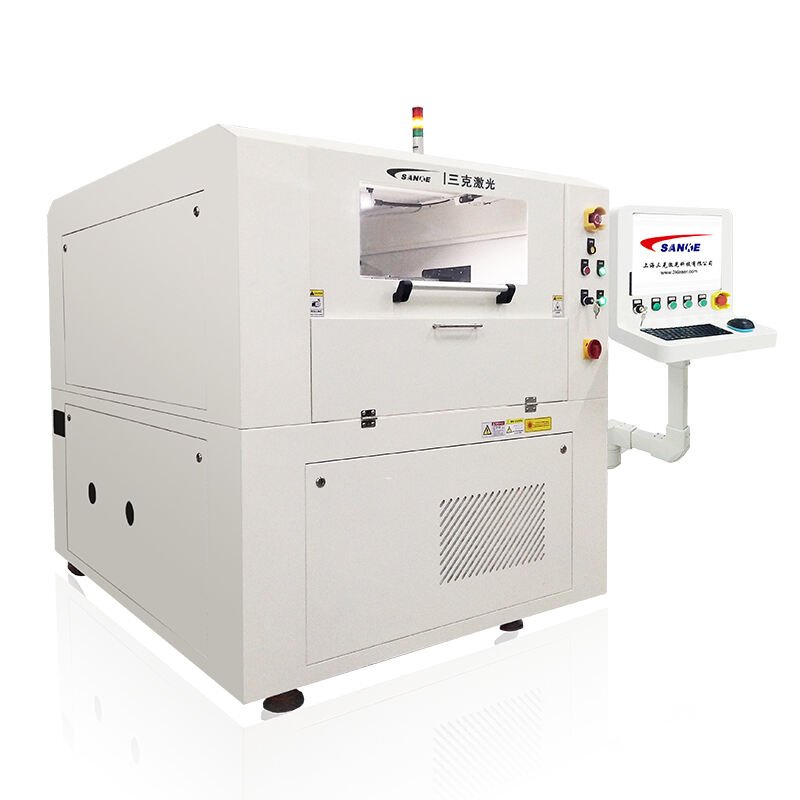
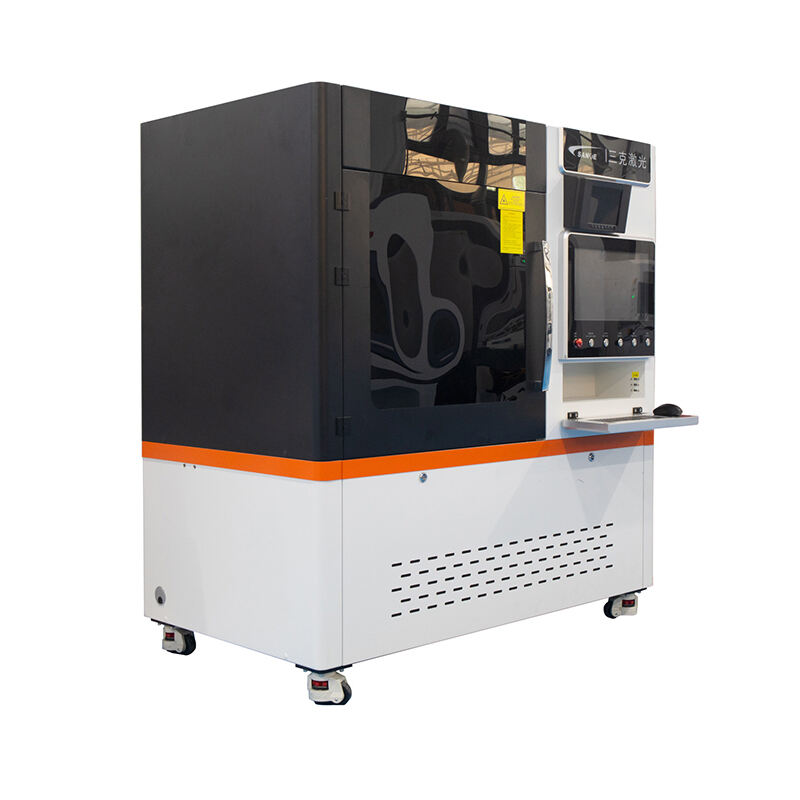
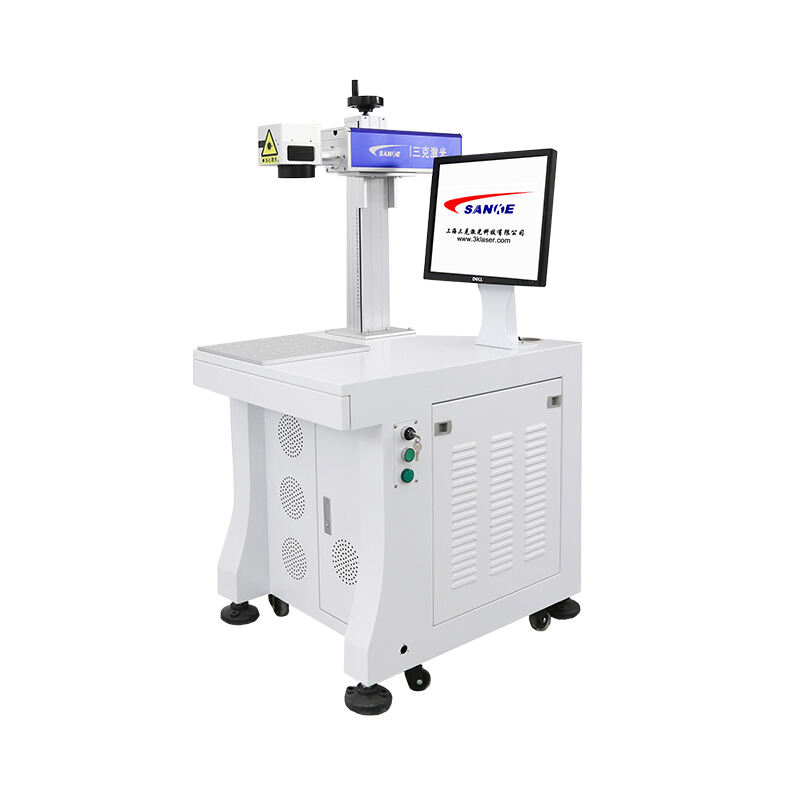
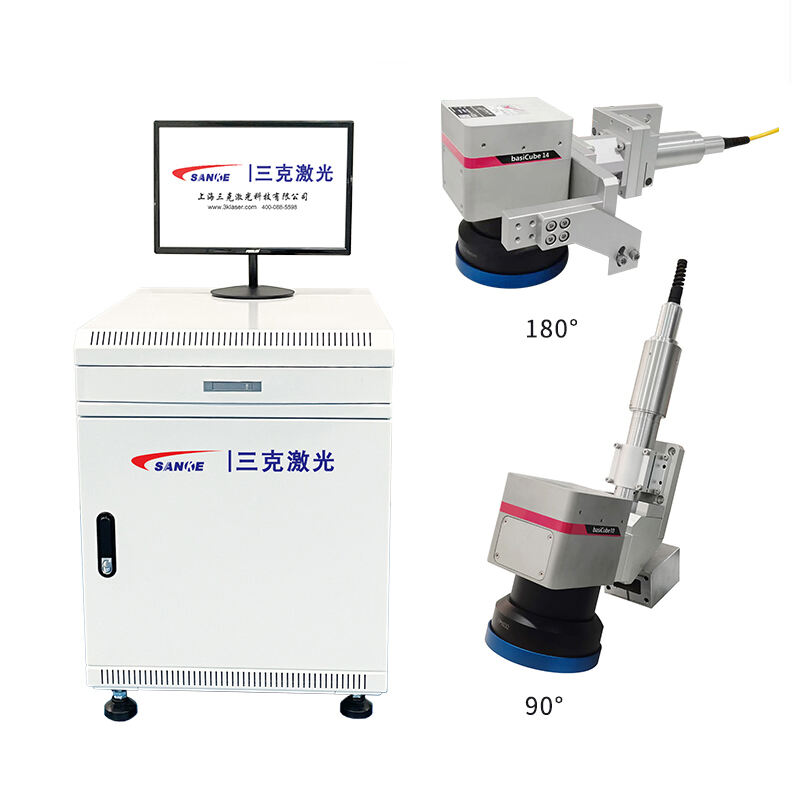
The laser cleaning machine Australia features sophisticated precision control systems that enable unprecedented accuracy and repeatability in surface preparation applications, delivering consistent results that meet the most demanding quality specifications across diverse industrial sectors. Advanced parameter control interfaces allow operators to precisely adjust laser power output, pulse frequency, scanning speed, and beam focus diameter, creating customized cleaning profiles optimized for specific material combinations and contamination characteristics without compromising substrate integrity. Real-time monitoring systems continuously track cleaning progress through integrated sensors and imaging technology, providing immediate feedback on process effectiveness and enabling dynamic parameter adjustments to maintain optimal results throughout the cleaning cycle. The automation capabilities extend far beyond basic operational control, incorporating programmable cleaning patterns, multi-stage processing sequences, and quality verification protocols that ensure consistent outcomes regardless of operator experience levels or environmental variations. Pattern recognition technology enables the laser cleaning machine Australia to automatically identify different surface conditions and adjust cleaning parameters accordingly, preventing over-processing while ensuring complete contaminant removal across complex geometries and varying material thicknesses. Integration capabilities with existing manufacturing systems support Industry 4.0 initiatives, allowing seamless incorporation into automated production lines, robotic systems, and comprehensive quality management networks that track and document cleaning results for compliance and continuous improvement purposes. The precision beam delivery system utilizes advanced galvanometer scanning technology that provides rapid, accurate positioning across large surface areas while maintaining consistent energy density and cleaning quality, significantly reducing processing time compared to manual methods. Temperature monitoring and thermal modeling capabilities prevent overheating damage to sensitive substrates while optimizing cleaning efficiency, particularly important for applications involving heat-sensitive materials or precise dimensional tolerances. Data logging and traceability features create comprehensive records of cleaning parameters, results, and quality metrics that support regulatory compliance, quality auditing, and process optimization initiatives essential for certified manufacturing environments. The user-friendly interface design incorporates touchscreen controls, intuitive menu structures, and visual feedback systems that reduce training requirements while minimizing operator error potential, enabling rapid deployment across different skill levels and operational scenarios. Remote operation capabilities allow safe cleaning of hazardous locations, confined spaces, and difficult-to-access areas while maintaining full parameter control and monitoring capability, expanding application possibilities and improving worker safety outcomes significantly beyond conventional cleaning method limitations.
 EN
EN
 AR
AR
 FR
FR
 DE
DE
 JA
JA
 KO
KO
 RU
RU
 ES
ES