hairpin laser cleaning-0

Advanced Hairpin Laser Cleaning Technology - Precision Industrial Surface Treatment Solutions

Get a Free Quote

Our representative will contact you soon.
Email
Name
Company Name
Message
0/1000

hairpin laser cleaning

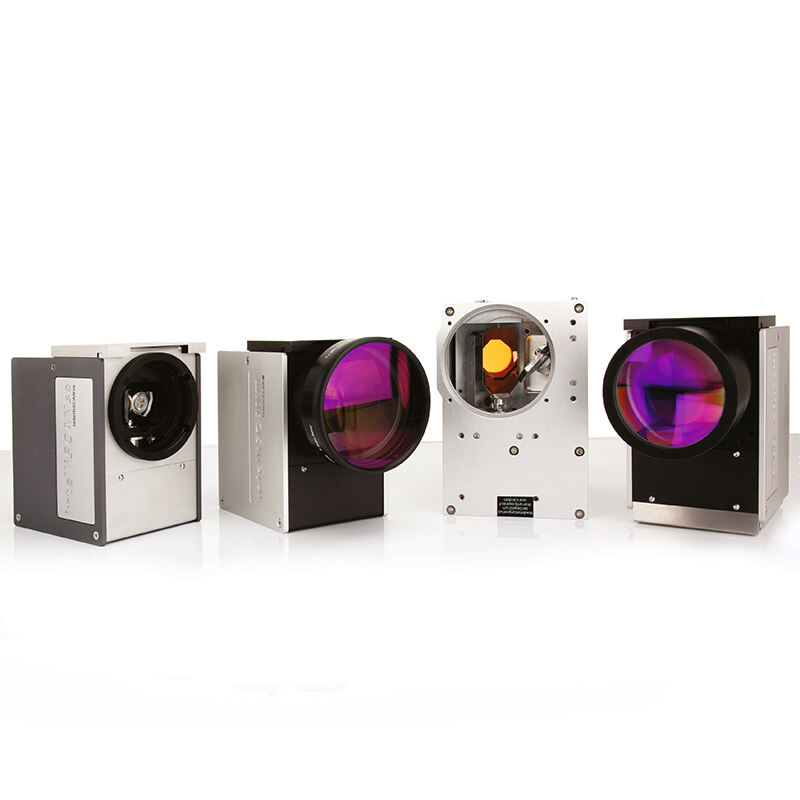
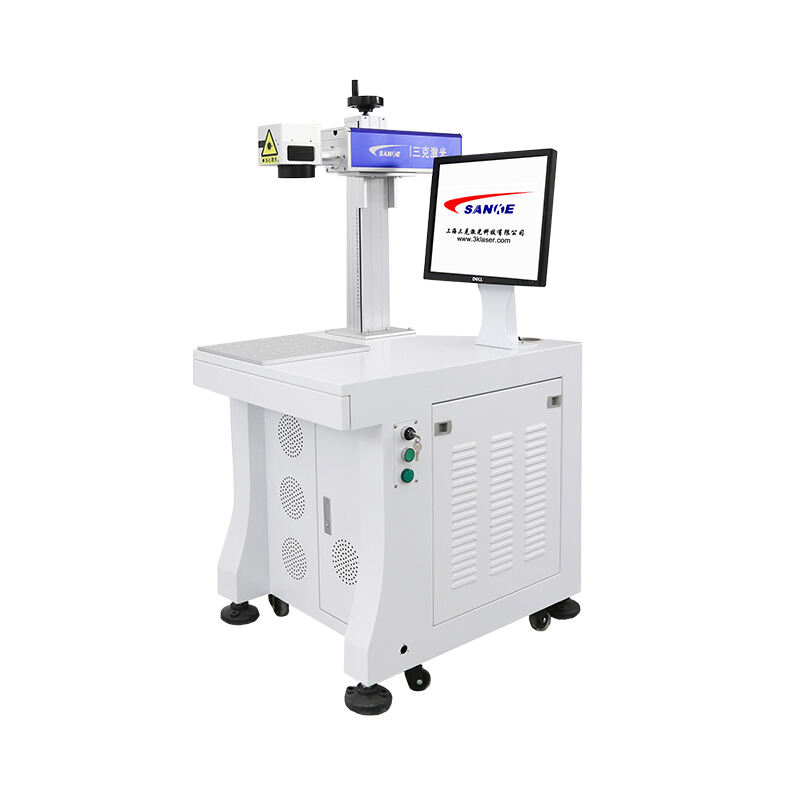
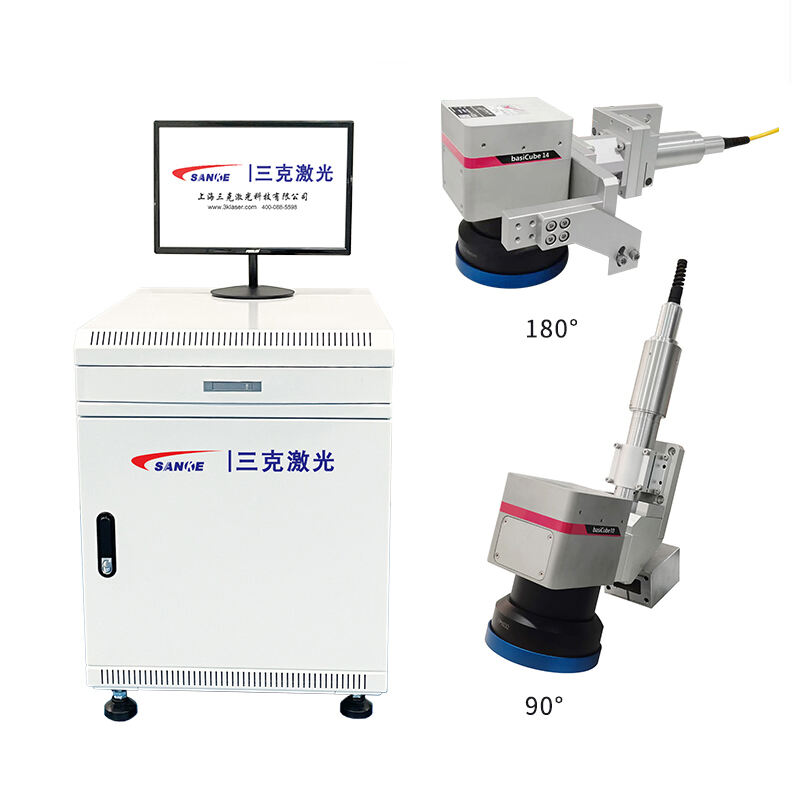
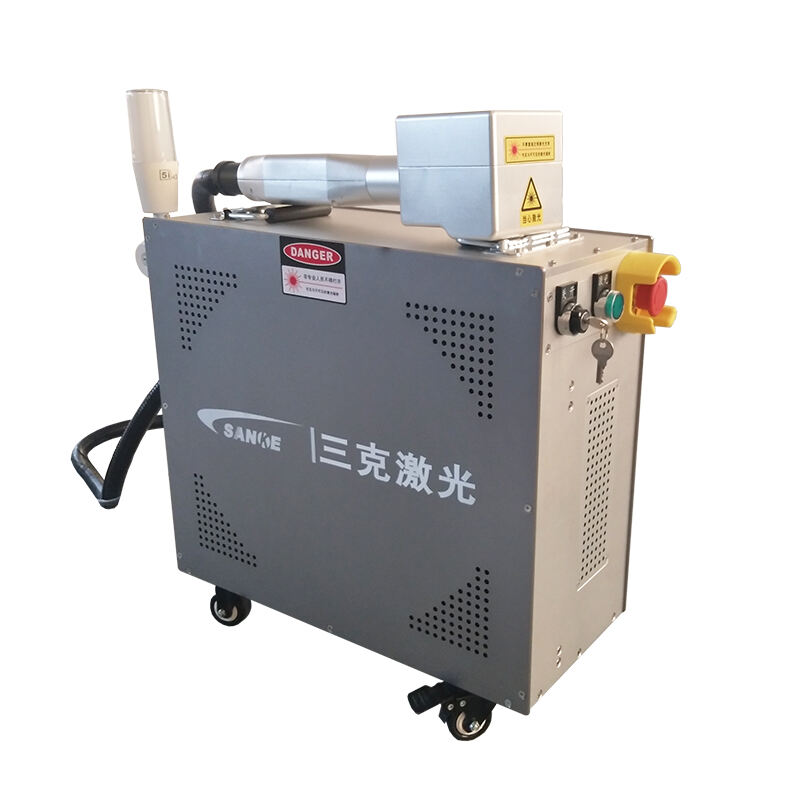
Hairpin laser cleaning represents a revolutionary advancement in industrial surface preparation technology, utilizing precise laser beam configurations to remove contaminants, rust, paint, and unwanted materials from various surfaces. This innovative system employs a specialized hairpin-shaped laser pattern that delivers concentrated energy across targeted areas, ensuring comprehensive cleaning coverage while maintaining exceptional control over the cleaning process. The hairpin laser cleaning technology operates by generating intense laser pulses that vaporize surface contaminants without damaging the underlying substrate material. The main functions of hairpin laser cleaning include rust removal, paint stripping, surface preparation for coating applications, weld cleaning, and restoration of metal components. The system's technological features encompass adjustable power settings, programmable cleaning patterns, real-time monitoring capabilities, and precision beam control mechanisms. Advanced optical systems focus the laser energy with remarkable accuracy, allowing operators to clean intricate geometries and complex surface profiles effectively. The hairpin laser cleaning process is environmentally friendly, producing no chemical waste or hazardous byproducts typically associated with traditional cleaning methods. Applications span across automotive manufacturing, aerospace industry, shipbuilding, construction equipment maintenance, historical artifact restoration, and general metal fabrication processes. The technology proves particularly valuable in situations requiring selective cleaning where only specific areas need treatment while preserving adjacent surfaces. Manufacturing facilities utilize hairpin laser cleaning for production line integration, quality control processes, and maintenance operations. The system's versatility extends to various material types including steel, aluminum, titanium, copper, and specialized alloys. Implementation of hairpin laser cleaning technology reduces operational costs, eliminates consumable materials, and provides consistent cleaning results across multiple production cycles.

New Product Recommendations

Hairpin laser cleaning offers numerous practical benefits that significantly improve operational efficiency and cost-effectiveness for businesses across various industries. The technology eliminates the need for chemical solvents, abrasive materials, and consumable cleaning media, resulting in substantial long-term cost savings and reduced environmental impact. Companies experience immediate improvements in workplace safety as the process produces no toxic fumes, hazardous waste, or airborne particles that require special handling or disposal procedures. The precision control capabilities of hairpin laser cleaning allow operators to target specific areas with remarkable accuracy, preventing damage to surrounding surfaces and reducing material waste. This selective cleaning approach proves especially valuable when working with expensive components or delicate assemblies where traditional methods might cause costly damage. The system operates at significantly faster speeds compared to conventional cleaning methods, enabling higher throughput and improved productivity in manufacturing environments. Maintenance requirements are minimal since the technology relies on laser energy rather than mechanical components that wear down over time, reducing downtime and maintenance costs. The automated operation capabilities of hairpin laser cleaning systems reduce labor requirements and eliminate human error factors that commonly affect traditional cleaning processes. Quality consistency remains uniform across all cleaning cycles, ensuring predictable results that meet strict industrial standards and specifications. The technology adapts easily to various surface geometries and material types without requiring extensive setup changes or specialized tooling. Integration with existing production lines occurs seamlessly, allowing companies to upgrade their cleaning capabilities without major facility modifications. Energy efficiency surpasses traditional methods as the laser system only consumes power during active cleaning operations, unlike continuous-operation alternatives. The process generates detailed cleaning data and performance metrics, enabling operators to optimize parameters for specific applications and maintain comprehensive quality records. Remote monitoring capabilities allow supervisors to oversee cleaning operations from centralized locations, improving operational control and reducing staffing requirements. The environmentally sustainable nature of hairpin laser cleaning aligns with corporate sustainability goals and regulatory compliance requirements, positioning companies favorably for future environmental standards.

Practical Tips

How does the maintenance of precision laser cutting machines impact their longevity and performance, and what are some tips for effective machine maintenance?

19

Nov

How does the maintenance of precision laser cutting machines impact their longevity and performance, and what are some tips for effective machine maintenance?

Precision laser cutting machines represent a significant investment for manufacturing facilities, and their proper maintenance directly correlates with operational efficiency, production quality, and equipment lifespan. These sophisticated systems re...
View More
What are the advantages of using a laser welding machine over traditional welding methods?

19

Nov

What are the advantages of using a laser welding machine over traditional welding methods?

Modern manufacturing processes continue to evolve with technological advancements, and welding technology stands at the forefront of this transformation. Among the most significant developments in recent years is the emergence of the laser welding ma...
View More
How can laser welding be applied to different materials, and what are the challenges?

19

Nov

How can laser welding be applied to different materials, and what are the challenges?

Laser welding has revolutionized modern manufacturing processes by offering unprecedented precision and versatility in joining various materials. This advanced technique utilizes focused laser beams to create high-quality welds with minimal heat-affe...
View More
Top 5 Beam Expander Applications in Laser Systems

21

Oct

Top 5 Beam Expander Applications in Laser Systems

Understanding the Revolutionary Impact of Laser Beam Expansion Technology Modern laser systems have transformed numerous industries, from medical procedures to advanced manufacturing. At the heart of many of these applications lies a crucial optical ...
View More

Get a Free Quote

Our representative will contact you soon.
Email
Name
Company Name
Message
0/1000

hairpin laser cleaning

Precision Surface Treatment with Zero Substrate Damage

Precision Surface Treatment with Zero Substrate Damage

The hairpin laser cleaning technology delivers unparalleled precision in surface treatment applications, utilizing advanced beam control systems that eliminate the risk of substrate damage while achieving thorough contaminant removal. This exceptional precision stems from the system's ability to modulate laser energy output in real-time, adjusting power levels based on material properties and contamination thickness. The hairpin-shaped beam pattern ensures uniform energy distribution across the cleaning area, preventing hot spots that could cause thermal damage to sensitive substrates. Operators can fine-tune cleaning parameters including pulse duration, frequency, and beam intensity to match specific material requirements and contamination types. The technology's precision capabilities prove invaluable when working with thin materials, coated surfaces, or components with tight dimensional tolerances where traditional abrasive methods would cause unacceptable damage. Advanced optical feedback systems monitor surface conditions continuously during the cleaning process, automatically adjusting parameters to maintain optimal results while protecting the underlying material. This intelligent control prevents over-processing that commonly occurs with manual cleaning methods, ensuring consistent surface quality across large production runs. The precision advantage becomes particularly evident in aerospace applications where component integrity is critical and any surface damage could compromise performance or safety. Manufacturing facilities report significant reductions in part rejection rates when implementing hairpin laser cleaning technology, as the controlled process eliminates human error factors that contribute to inconsistent cleaning results. The system's ability to clean complex geometries without mechanical contact means that delicate features, fine details, and internal surfaces receive thorough treatment without risk of deformation or wear. Quality control departments appreciate the repeatable nature of precision laser cleaning, as each component receives identical treatment regardless of operator skill level or environmental conditions. The technology's precision extends to selective cleaning applications where only specific areas require treatment, allowing operators to mask or protect adjacent surfaces through precise beam positioning rather than physical barriers.
Environmental Sustainability and Chemical-Free Operation

Environmental Sustainability and Chemical-Free Operation

Hairpin laser cleaning represents a paradigm shift toward environmentally sustainable manufacturing practices by completely eliminating the need for chemical solvents, abrasive media, and hazardous cleaning agents traditionally used in surface preparation processes. This chemical-free operation significantly reduces environmental impact while improving workplace safety conditions for operators and surrounding personnel. The technology produces no liquid waste streams, eliminating the complex and costly disposal requirements associated with contaminated solvents and cleaning chemicals. Manufacturing facilities implementing hairpin laser cleaning systems report dramatic reductions in hazardous waste generation, leading to lower disposal costs and simplified regulatory compliance procedures. The absence of chemical emissions creates healthier work environments, reducing the need for expensive ventilation systems and personal protective equipment typically required for chemical cleaning operations. Environmental benefits extend beyond waste elimination, as the laser cleaning process consumes significantly less energy compared to heating and maintaining chemical baths or operating high-pressure washing systems. The sustainable nature of hairpin laser cleaning aligns with corporate environmental responsibility initiatives and helps companies meet increasingly stringent environmental regulations. Workers no longer face exposure risks from toxic vapors, skin contact with harsh chemicals, or inhalation of hazardous particles generated by abrasive cleaning methods. The technology's environmental advantages become particularly significant in enclosed manufacturing environments where chemical fumes could accumulate and create health hazards for multiple workers. Facilities operating near residential areas or environmentally sensitive locations benefit from the elimination of chemical odors and emissions that might affect surrounding communities. The sustainable operation of hairpin laser cleaning systems contributes to LEED certification requirements and other green building standards that many modern manufacturing facilities pursue. Long-term cost analysis reveals substantial savings from eliminating chemical purchasing, storage, handling, and disposal expenses that traditional cleaning methods require. The environmental sustainability aspect also provides marketing advantages, allowing companies to promote their commitment to eco-friendly manufacturing practices to environmentally conscious customers and stakeholders.
Automated Integration and Smart Manufacturing Capabilities

Automated Integration and Smart Manufacturing Capabilities

The advanced automation capabilities of hairpin laser cleaning systems enable seamless integration with modern smart manufacturing environments, providing unprecedented levels of process control, data collection, and operational efficiency. These systems incorporate sophisticated software platforms that manage cleaning parameters, monitor performance metrics, and maintain comprehensive operational databases for quality assurance and process optimization. The automation features include programmable cleaning sequences that adapt to different component geometries and contamination patterns without manual intervention, significantly reducing setup times and eliminating operator-dependent variations in cleaning quality. Integration with existing manufacturing execution systems allows hairpin laser cleaning operations to communicate with upstream and downstream processes, ensuring synchronized production flow and real-time status updates across the entire manufacturing line. Advanced sensor arrays continuously monitor cleaning progress, automatically adjusting laser parameters based on real-time feedback to maintain optimal results while preventing over-processing or inadequate cleaning. The smart manufacturing capabilities extend to predictive maintenance functions that analyze system performance data to anticipate maintenance requirements and schedule service activities during planned downtime periods. Remote monitoring and control capabilities enable supervisors to oversee multiple cleaning stations from centralized control rooms, improving operational efficiency while reducing staffing requirements for routine operations. The automated data collection features provide detailed documentation of cleaning parameters, processing times, and quality metrics for each component, supporting traceability requirements and statistical process control initiatives. Machine learning algorithms analyze historical cleaning data to optimize parameters automatically, continuously improving cleaning efficiency and quality consistency over time. The integration capabilities support Industry 4.0 initiatives by providing connectivity to cloud-based analytics platforms, enabling advanced process monitoring and optimization across multiple manufacturing locations. Automated quality verification systems use integrated sensors to confirm cleaning effectiveness immediately after processing, triggering automated acceptance or rejection decisions based on predetermined quality standards. The smart manufacturing integration reduces human error factors by automating critical decision-making processes and maintaining consistent cleaning parameters regardless of operator experience levels. Production scheduling systems can automatically prioritize cleaning operations based on downstream requirements, optimizing overall manufacturing throughput and reducing work-in-progress inventory levels.

Get a Free Quote

Our representative will contact you soon.
Email
Name
Company Name
Message
0/1000