laser beam expander-0

Professional Laser Beam Expanders - Precision Optics for Enhanced Laser Performance

Get a Free Quote

Our representative will contact you soon.
Email
Name
Company Name
Message
0/1000

laser beam expander

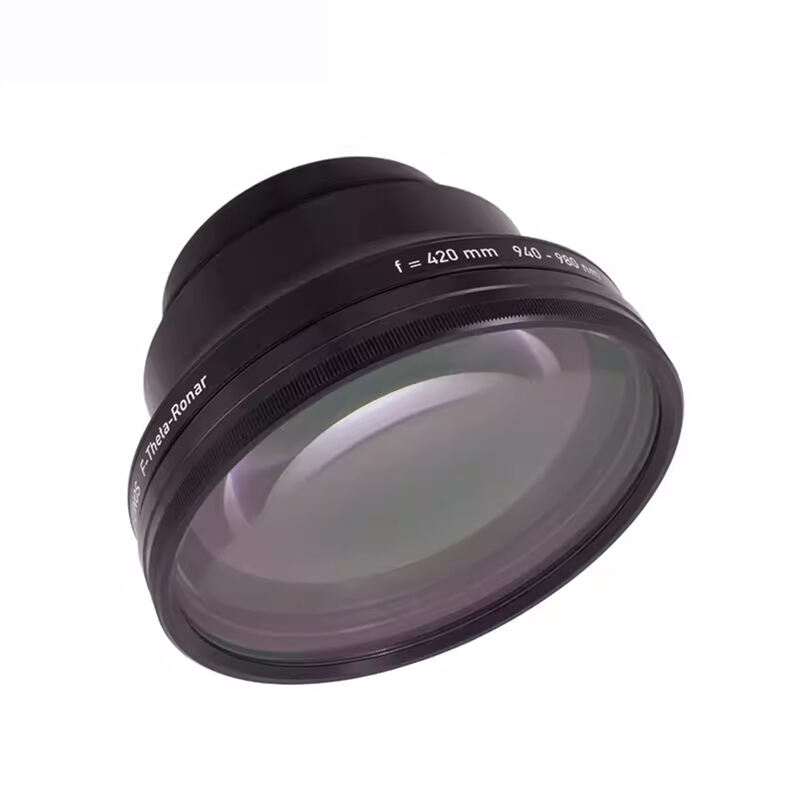
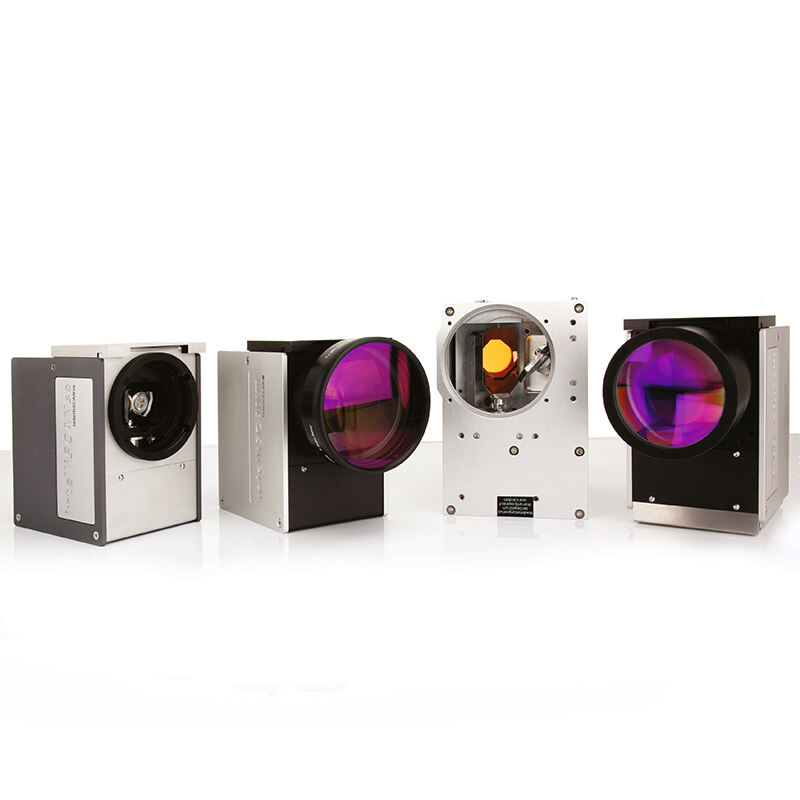
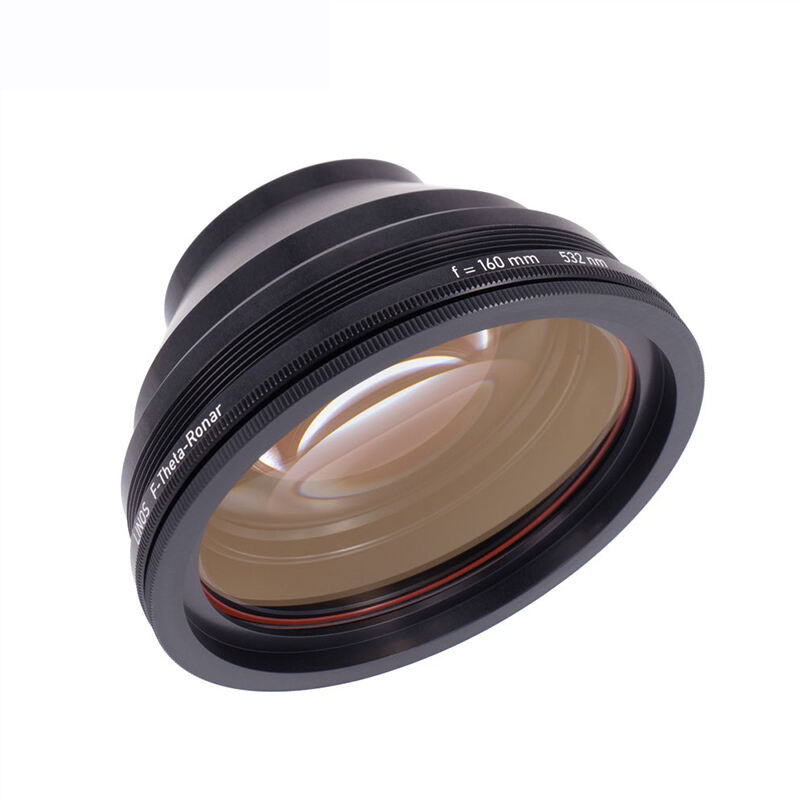
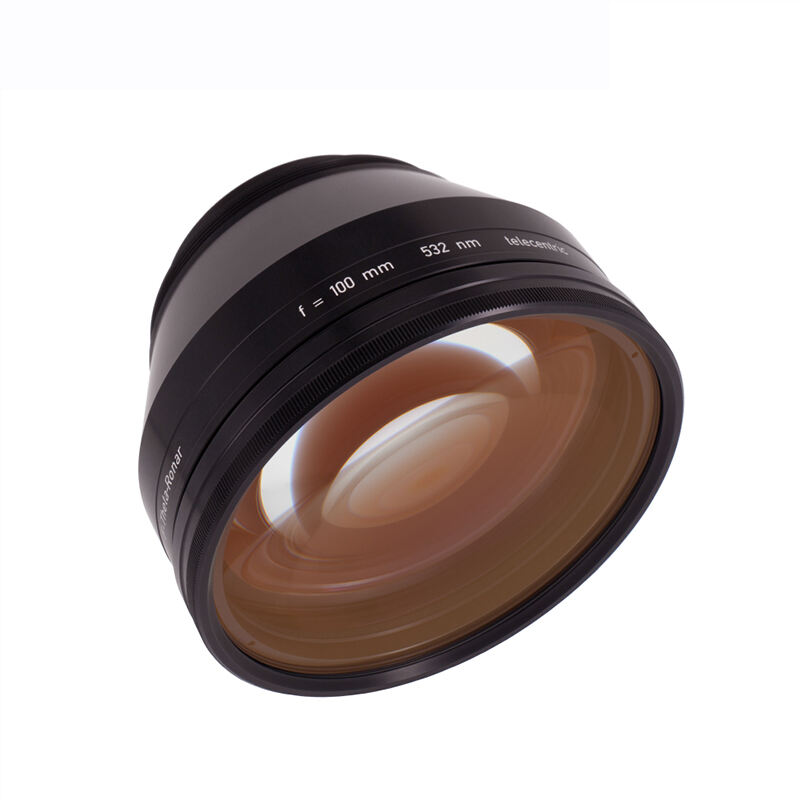
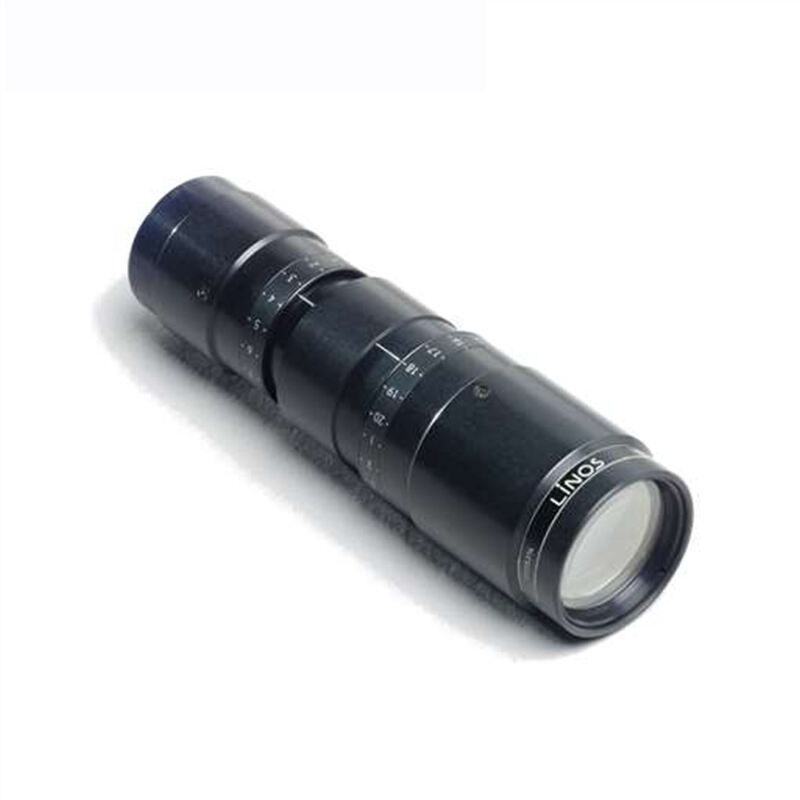
A laser beam expander is a sophisticated optical instrument designed to increase the diameter of a laser beam while maintaining its collimation and coherence properties. This essential device serves as a critical component in numerous laser applications where beam size modification is required for optimal performance. The primary function of a laser beam expander involves magnifying the beam diameter through a carefully engineered telescopic optical system, typically consisting of two or more lenses arranged in specific configurations. The most common designs include Galilean and Keplerian configurations, each offering distinct advantages depending on the application requirements. The Galilean design utilizes a negative input lens followed by a positive output lens, creating a compact system with no intermediate focus point, making it ideal for high-power applications. Conversely, the Keplerian design employs two positive lenses with an intermediate focus, providing excellent beam quality correction capabilities. Technological features of modern laser beam expanders include anti-reflection coatings that minimize losses and prevent unwanted reflections, precision-manufactured optical elements that ensure minimal wavefront distortion, and robust mechanical housings that maintain optical alignment under various environmental conditions. Many contemporary models incorporate adjustable magnification ratios, allowing users to fine-tune the output beam diameter according to specific requirements. Advanced versions may feature motorized zoom capabilities, computer-controlled positioning systems, and integrated beam quality monitoring sensors. The optical design considerations include careful attention to chromatic aberration correction, spherical aberration minimization, and thermal stability to ensure consistent performance across different operating conditions. Applications span across diverse industries including materials processing, scientific research, telecommunications, defense systems, and medical procedures. In manufacturing environments, laser beam expanders enable precise control over spot size for welding, cutting, and marking operations. Research facilities utilize these devices for interferometry, spectroscopy, and beam shaping experiments. The versatility and precision offered by laser beam expanders make them indispensable tools for achieving optimal laser performance in demanding applications where beam characteristics must be precisely controlled and maintained.

Popular Products

Laser beam expanders provide numerous practical benefits that directly impact operational efficiency and performance outcomes. The primary advantage lies in their ability to reduce beam divergence, which significantly improves the focusing capabilities of laser systems. When you expand a laser beam before focusing, you achieve a smaller, more concentrated spot size at the target location. This enhanced focusing ability translates to higher power density, enabling more precise and efficient material processing, cutting, and welding operations. The improved beam quality results in cleaner cuts, reduced heat-affected zones, and superior edge quality in manufacturing applications. Another significant benefit involves extended working distances. Expanded beams maintain their collimation over longer propagation distances, allowing operators to position laser systems farther from workpieces while maintaining beam quality. This increased standoff distance enhances safety protocols, reduces contamination risks, and provides greater flexibility in system design and operation. The ability to work at extended distances proves particularly valuable in hazardous environments or when processing large-scale components. Cost efficiency represents another compelling advantage of laser beam expanders. By optimizing beam characteristics, these devices maximize the utilization of available laser power, reducing the need for higher-powered laser sources. This optimization leads to lower initial equipment costs, reduced energy consumption, and decreased maintenance requirements. The improved efficiency also extends the operational lifespan of laser components by distributing energy more evenly and reducing thermal stress on optical elements. Versatility and adaptability constitute additional key benefits. Modern laser beam expanders accommodate various beam sizes and wavelengths, making them suitable for diverse applications and laser types. Many models feature adjustable expansion ratios, allowing users to optimize beam characteristics for specific tasks without requiring multiple specialized devices. This adaptability reduces inventory requirements and simplifies system integration. Quality enhancement represents a crucial advantage, particularly in precision applications. Laser beam expanders improve beam uniformity, reduce speckle patterns, and minimize aberrations that can degrade performance. These improvements result in more consistent processing results, reduced rejection rates, and enhanced product quality. The ability to fine-tune beam characteristics ensures optimal performance across various materials and processing parameters. Operational flexibility increases significantly when using laser beam expanders. Users can easily modify beam characteristics to match changing requirements without major system modifications. This flexibility accelerates setup times, reduces downtime, and enables rapid adaptation to new applications or materials. The enhanced control over beam properties allows operators to optimize processes for maximum efficiency and quality while minimizing waste and rework.

Tips And Tricks

How to Choose the Right Portable Laser Welding Machine for Your Business?

19

Nov

How to Choose the Right Portable Laser Welding Machine for Your Business?

Manufacturing businesses today face increasing pressure to improve efficiency while maintaining exceptional quality standards. The advent of portable laser welding machines has revolutionized the welding industry by offering unprecedented mobility, p...
View More
How Does Handheld Laser Welding Compare to Traditional Welding Methods?

19

Nov

How Does Handheld Laser Welding Compare to Traditional Welding Methods?

The welding industry has experienced significant technological advancement over the past decade, with handheld laser welding emerging as a revolutionary alternative to conventional welding techniques. This innovative technology represents a paradigm ...
View More
How can laser welding be applied to different materials, and what are the challenges?

19

Nov

How can laser welding be applied to different materials, and what are the challenges?

Laser welding has revolutionized modern manufacturing processes by offering unprecedented precision and versatility in joining various materials. This advanced technique utilizes focused laser beams to create high-quality welds with minimal heat-affe...
View More
How Do Different Laser Sources Impact the Efficiency of Industrial Processes?

19

Nov

How Do Different Laser Sources Impact the Efficiency of Industrial Processes?

Industrial manufacturing has undergone a revolutionary transformation with the integration of advanced laser technology, where different laser sources serve as the cornerstone of precision processing across numerous sectors. The selection of appropri...
View More

Get a Free Quote

Our representative will contact you soon.
Email
Name
Company Name
Message
0/1000

laser beam expander

Superior Beam Quality Enhancement and Precision Control

Superior Beam Quality Enhancement and Precision Control

The laser beam expander excels in delivering exceptional beam quality enhancement through advanced optical design principles that address critical performance parameters. This sophisticated capability stems from the device's ability to correct various optical aberrations and irregularities present in the original laser beam, resulting in significantly improved spatial beam profiles and reduced wavefront distortions. The precision control offered by quality laser beam expanders enables users to achieve near-perfect Gaussian beam profiles, which are essential for applications requiring the highest levels of accuracy and consistency. The optical engineering behind this enhancement involves carefully calculated lens curvatures, optimized spacing, and premium-grade optical materials that work synergistically to eliminate spherical aberrations, minimize astigmatism, and reduce coma effects that typically degrade beam quality. Advanced anti-reflection coatings applied to all optical surfaces further enhance performance by reducing scattered light and maintaining maximum energy transmission efficiency. This superior beam quality directly translates to practical benefits in real-world applications, including more precise material processing, improved cutting edge quality, reduced heat-affected zones in welding operations, and enhanced measurement accuracy in metrology applications. The precision control aspect allows operators to fine-tune beam characteristics with exceptional accuracy, enabling optimization for specific materials, processing speeds, and quality requirements. This level of control proves invaluable in research environments where experimental parameters must be precisely maintained, in manufacturing settings where consistent results are paramount, and in medical applications where safety and precision are critical. The enhanced beam quality also contributes to improved energy efficiency by ensuring that laser power is distributed uniformly across the beam profile, eliminating hot spots that can cause uneven processing or potential damage to optical components. Furthermore, the superior beam quality achieved through professional laser beam expanders enables smaller focused spot sizes, higher power densities, and more efficient energy coupling to target materials, ultimately resulting in faster processing speeds, reduced energy consumption, and improved overall system performance that delivers measurable value to end users.
Extended Working Distance and Enhanced Safety Capabilities

Extended Working Distance and Enhanced Safety Capabilities

One of the most significant advantages of implementing a laser beam expander lies in its ability to dramatically extend working distances while maintaining exceptional beam quality and energy density. This capability fundamentally transforms operational possibilities by allowing laser systems to function effectively at distances that would otherwise result in excessive beam divergence and power loss. The physics behind this benefit involves the inverse relationship between beam diameter and divergence angle, where expanding the beam diameter proportionally reduces the divergence rate, enabling the beam to travel much farther distances before significant spreading occurs. This extended reach capability proves invaluable in numerous industrial and research applications where physical constraints, safety requirements, or process demands necessitate increased standoff distances. In manufacturing environments, extended working distances enable operators to position laser systems safely away from hazardous processing areas while maintaining full operational effectiveness. This separation is particularly crucial when working with toxic materials, explosive atmospheres, or high-temperature environments where equipment proximity poses significant risks. The enhanced safety profile extends beyond physical distance considerations to include reduced exposure to reflected laser radiation, harmful fumes, and debris generated during processing operations. Additionally, the increased working distance facilitates better access for auxiliary equipment, monitoring systems, and manual interventions when required, thereby improving overall operational safety and efficiency. In research and development applications, extended working distances enable more sophisticated experimental setups, allow for the integration of additional optical components and measurement devices, and provide greater flexibility in system configuration and modification. The laser beam expander's ability to maintain beam collimation over extended distances also eliminates the need for frequent realignment procedures, reducing maintenance requirements and improving system reliability. This capability proves particularly valuable in automated production environments where consistent performance over time is essential for maintaining quality standards and meeting production targets. Furthermore, extended working distances enable the processing of larger workpieces without requiring system repositioning, improving throughput and reducing setup times while maintaining the precision and quality that laser processing demands.
Versatile Magnification Options and Adaptive System Integration

Versatile Magnification Options and Adaptive System Integration

The laser beam expander stands out in the optical industry through its remarkable versatility in magnification options and seamless system integration capabilities that accommodate diverse application requirements and varying operational parameters. Modern laser beam expanders offer multiple magnification ratios, ranging from modest 2x expansions for subtle beam modifications to high-ratio 20x or greater expansions for specialized applications requiring dramatic beam size changes. This extensive range of magnification options enables users to select the optimal expansion ratio for their specific requirements, whether the goal is slight beam conditioning for improved focus quality or substantial beam enlargement for wide-area processing applications. The versatility extends beyond fixed magnification ratios, with many advanced models featuring continuously variable zoom capabilities that allow real-time adjustment of beam diameter during operation. This dynamic control capability proves invaluable in applications where processing parameters must be modified on-the-fly to accommodate different materials, varying workpiece geometries, or changing quality requirements without interrupting the production process. The adaptive system integration aspect of quality laser beam expanders ensures compatibility with virtually any laser system configuration, regardless of wavelength, power level, or beam characteristics. This universal compatibility stems from sophisticated optical designs that accommodate multiple wavelengths simultaneously, adjustable input and output beam sizes, and modular construction that facilitates easy integration into existing systems. The mechanical interfaces are standardized to ensure compatibility with common optical mounting systems, while the compact form factors minimize space requirements and enable integration even in constrained environments. Advanced laser beam expanders incorporate motorized positioning systems, computer-controlled zoom functions, and remote operation capabilities that seamlessly integrate with automated production systems and sophisticated control networks. These intelligent features enable programmatic control of beam characteristics, automated optimization routines, and real-time feedback systems that maintain optimal performance under varying conditions. The versatility in magnification options also extends to specialized applications such as beam shaping, where specific expansion ratios are required to achieve desired intensity profiles or spatial distributions. This adaptability makes laser beam expanders essential components in research facilities, where experimental requirements frequently change, and in manufacturing environments where product variety demands flexible processing capabilities that can accommodate diverse specifications without requiring equipment changes or extensive reconfiguration procedures.

Get a Free Quote

Our representative will contact you soon.
Email
Name
Company Name
Message
0/1000