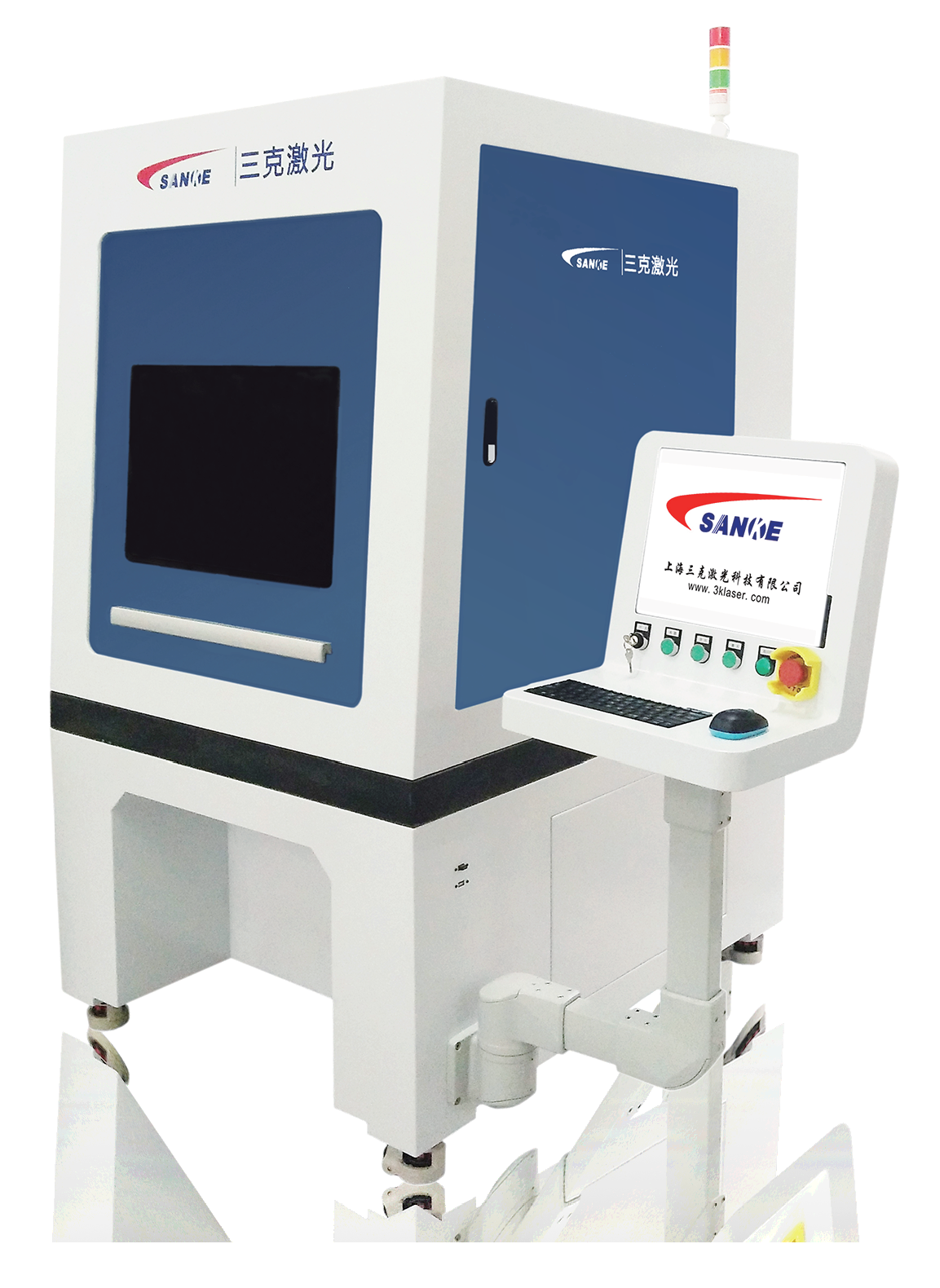
high precision laser engraving process-0

High Precision Laser Engraving Process: Advanced Manufacturing Solutions for Superior Marking Quality

Get a Free Quote

Our representative will contact you soon.
Email
Name
Company Name
Message
0/1000

high precision laser engraving process

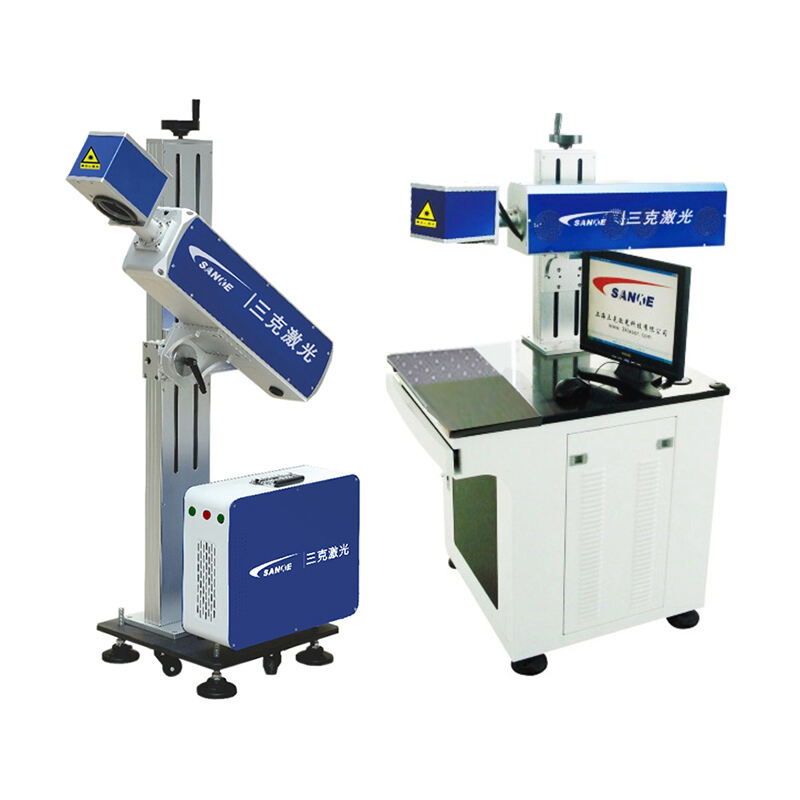
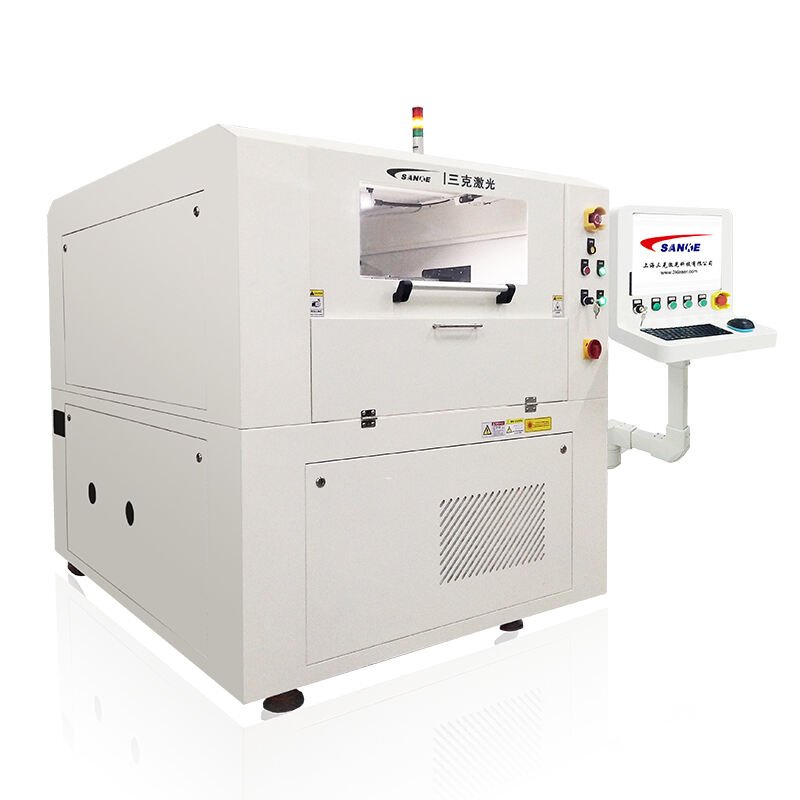
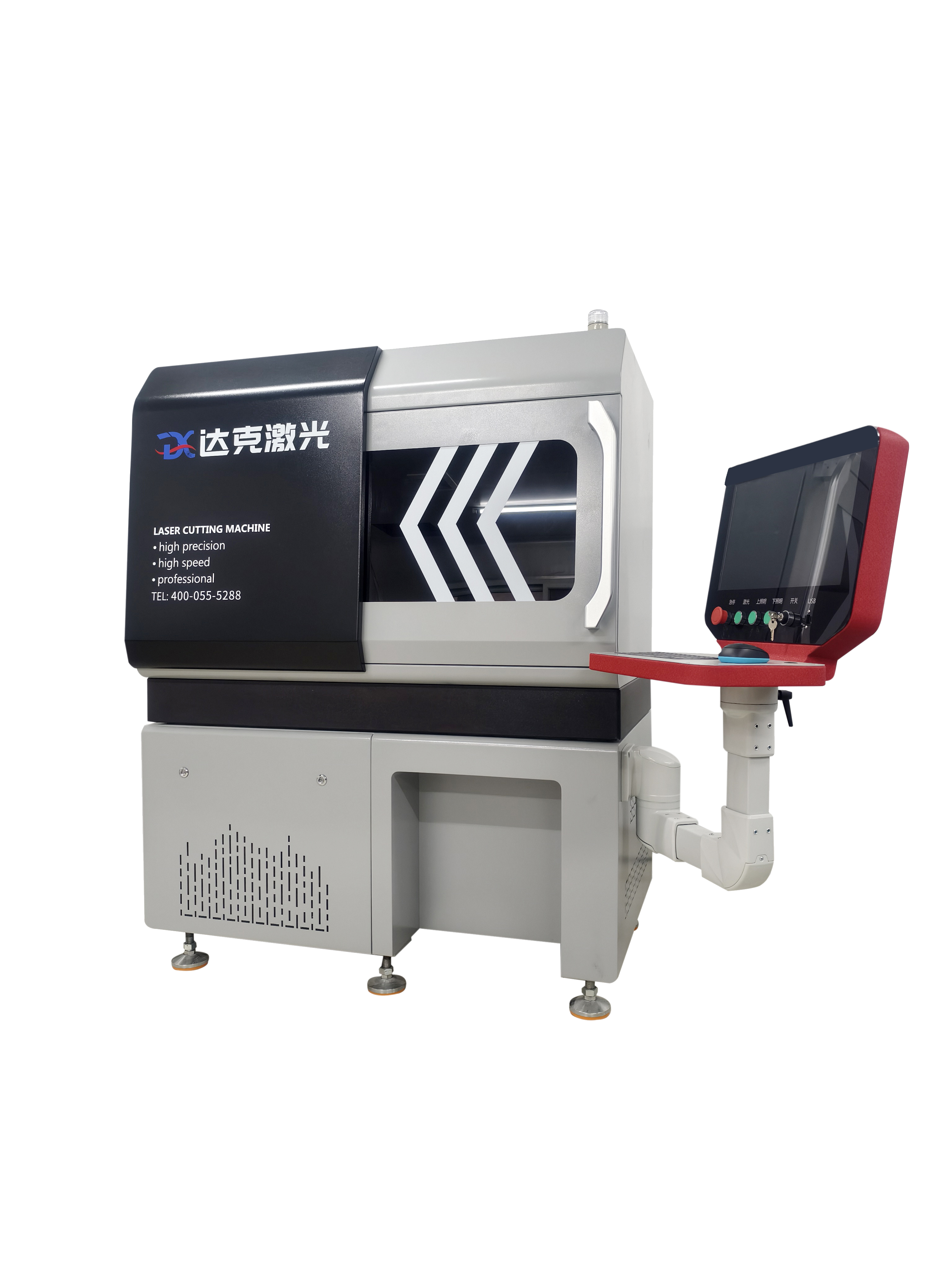
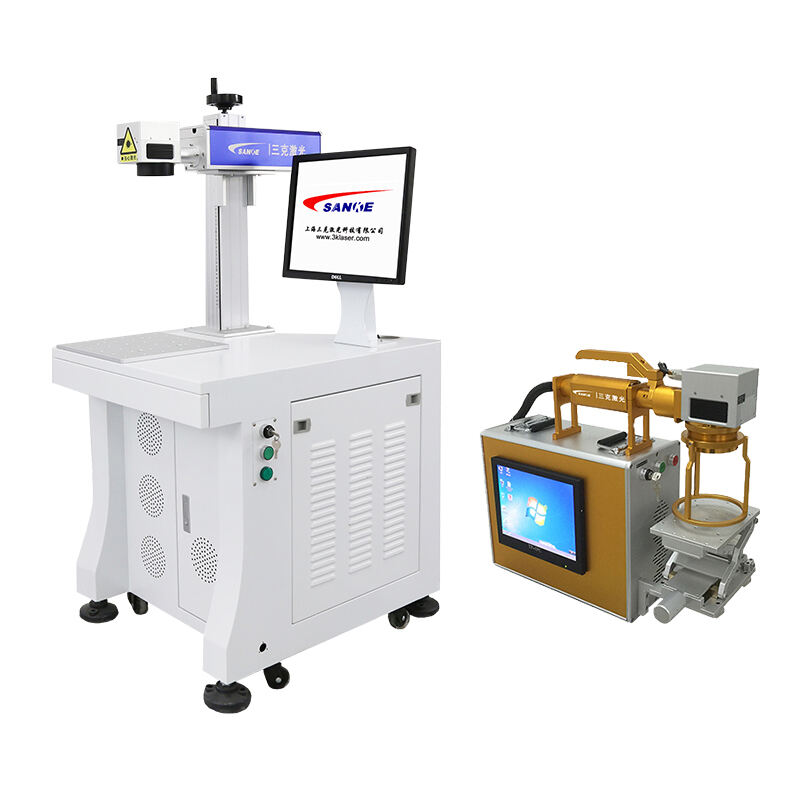
The high precision laser engraving process represents a cutting-edge manufacturing technology that utilizes focused laser beams to create permanent markings, patterns, and designs on various materials with exceptional accuracy. This advanced system employs concentrated light energy to remove material layers or alter surface properties, producing precise engravings with tolerances measured in micrometers. The high precision laser engraving process operates through computer-controlled systems that direct laser beams according to digital designs, ensuring consistent and repeatable results across production runs. The primary functions of this technology include marking identification codes, creating decorative patterns, producing functional textures, and establishing traceability systems for industrial components. Technological features encompass programmable power settings, variable pulse frequencies, adjustable beam diameters, and multi-axis positioning systems that enable three-dimensional engraving capabilities. The high precision laser engraving process supports various laser types including fiber lasers for metals, CO2 lasers for organic materials, and UV lasers for sensitive substrates. Applications span numerous industries including aerospace component marking, medical device identification, automotive part traceability, electronics circuit board labeling, jewelry personalization, and architectural element decoration. The process accommodates diverse materials such as stainless steel, aluminum, titanium, plastics, ceramics, glass, leather, and wood. Advanced software integration enables seamless workflow management, allowing operators to import designs directly from CAD programs and maintain extensive libraries of engraving parameters. Quality control features include real-time monitoring systems, automatic focus adjustment, and integrated vision systems that verify engraving accuracy. The high precision laser engraving process delivers exceptional repeatability, enabling mass production while maintaining consistent quality standards throughout extended manufacturing cycles.

New Products

The high precision laser engraving process offers substantial benefits that transform manufacturing capabilities and deliver measurable value to businesses across industries. This technology eliminates the need for physical contact with workpieces, preventing material deformation and ensuring dimensional stability throughout the engraving operation. Manufacturers achieve significant cost reductions by eliminating consumable tooling expenses, as the high precision laser engraving process requires no replacement bits, cutting fluids, or mechanical wear components. Production speeds increase dramatically compared to traditional mechanical engraving methods, with laser systems completing complex patterns in seconds rather than minutes. The process creates permanent markings that resist wear, corrosion, and environmental degradation, ensuring long-term readability for critical identification applications. Flexibility represents a major advantage, as the high precision laser engraving process adapts instantly to design changes without retooling or setup modifications. Operators simply load new digital files to switch between completely different engraving patterns, reducing changeover times to mere minutes. Material waste decreases substantially because laser engraving removes only microscopic amounts of material, preserving component integrity while creating clear, legible markings. The technology supports extremely fine details that mechanical methods cannot achieve, enabling the creation of intricate patterns, small text, and complex geometries with consistent quality. Energy efficiency surpasses conventional engraving techniques, as modern laser systems convert electrical power directly into focused light energy without mechanical losses. Automation capabilities reduce labor requirements and human error, allowing single operators to manage multiple laser engraving stations simultaneously. The high precision laser engraving process maintains consistent results regardless of operator skill level, standardizing quality across shifts and production facilities. Environmental benefits include elimination of chemical etching processes, reduction of material waste, and decreased energy consumption compared to alternative marking technologies. Quality assurance improves through digital process control, enabling complete documentation of engraving parameters and automatic verification of results against specifications.

Practical Tips

How to Choose the Right Portable Laser Welding Machine for Your Business?

19

Nov

How to Choose the Right Portable Laser Welding Machine for Your Business?

Manufacturing businesses today face increasing pressure to improve efficiency while maintaining exceptional quality standards. The advent of portable laser welding machines has revolutionized the welding industry by offering unprecedented mobility, p...
View More
How does the maintenance of precision laser cutting machines impact their longevity and performance, and what are some tips for effective machine maintenance?

19

Nov

How does the maintenance of precision laser cutting machines impact their longevity and performance, and what are some tips for effective machine maintenance?

Precision laser cutting machines represent a significant investment for manufacturing facilities, and their proper maintenance directly correlates with operational efficiency, production quality, and equipment lifespan. These sophisticated systems re...
View More
How can laser welding be applied to different materials, and what are the challenges?

19

Nov

How can laser welding be applied to different materials, and what are the challenges?

Laser welding has revolutionized modern manufacturing processes by offering unprecedented precision and versatility in joining various materials. This advanced technique utilizes focused laser beams to create high-quality welds with minimal heat-affe...
View More
Fixed vs Variable Beam Expander: Which to Choose?

21

Oct

Fixed vs Variable Beam Expander: Which to Choose?

Understanding Optical Beam Expansion Technology In the world of optics and laser applications, beam expanders play a crucial role in manipulating light beams for various scientific and industrial purposes. These sophisticated optical instruments are ...
View More

Get a Free Quote

Our representative will contact you soon.
Email
Name
Company Name
Message
0/1000

high precision laser engraving process

Unmatched Precision and Accuracy Control

Unmatched Precision and Accuracy Control

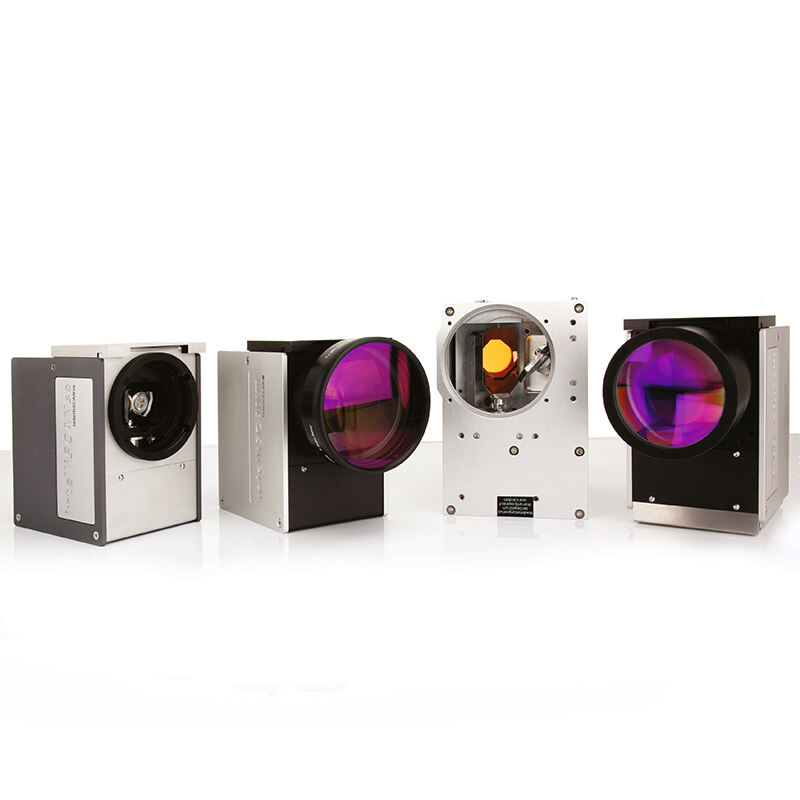
The high precision laser engraving process delivers exceptional accuracy that surpasses traditional marking methods by achieving tolerances within ±0.001 inches consistently across all production runs. This remarkable precision stems from computer-controlled beam positioning systems that eliminate human error and mechanical backlash common in conventional engraving equipment. The technology utilizes advanced galvanometer scanning systems that position laser beams with microsecond timing accuracy, enabling the creation of intricate details that remain sharp and clearly defined even at microscopic scales. Businesses benefit from this precision through improved product quality, enhanced brand image, and compliance with stringent industry standards that demand exact specifications. The high precision laser engraving process maintains consistent depth control across entire workpieces, ensuring uniform appearance and functionality regardless of material variations or surface conditions. This capability proves essential for applications requiring precise dimensional tolerances, such as medical device markings that must meet FDA regulations or aerospace components requiring traceability codes. Quality control becomes simplified as the process eliminates variations typically associated with tool wear, operator fatigue, or mechanical drift. Manufacturers can confidently produce large quantities while maintaining identical specifications for every engraved feature. The precision extends to complex geometries, allowing creation of detailed logos, fine text as small as 0.1mm height, and intricate patterns that enhance product aesthetics and functionality. This accuracy translates into reduced rejection rates, decreased rework costs, and improved customer satisfaction through consistent product quality. The high precision laser engraving process enables manufacturers to achieve previously impossible design requirements, opening new market opportunities and competitive advantages through superior product differentiation.
Exceptional Material Versatility and Compatibility

Exceptional Material Versatility and Compatibility

The high precision laser engraving process demonstrates remarkable versatility by successfully marking virtually any material commonly used in manufacturing, from hardened metals to delicate organic substances. This comprehensive material compatibility eliminates the need for multiple marking systems, reducing equipment costs and simplifying production workflows significantly. The technology adapts to different materials through programmable laser parameters including power levels, pulse frequencies, scanning speeds, and beam characteristics that optimize results for specific substrate properties. Metals such as stainless steel, aluminum, titanium, brass, and hardened tool steels receive permanent, high-contrast markings that resist corrosion and wear throughout product lifecycles. The high precision laser engraving process creates different marking effects including surface removal, oxidation, annealing, and color change, providing aesthetic and functional options that meet diverse application requirements. Plastic materials benefit from clean, precise engraving without melting or thermal damage that commonly occurs with other marking methods. The process successfully marks engineering plastics, thermoplastics, composites, and even flexible materials while maintaining dimensional stability. Glass and ceramic substrates receive detailed engravings for decorative and functional applications, with the laser creating frosted effects or complete material removal as specified. Natural materials including leather, wood, paper, and textiles respond excellently to laser engraving, enabling personalization and customization opportunities across consumer product markets. The high precision laser engraving process accommodates varying thicknesses from thin films to thick plates without requiring mechanical adjustments or tooling changes. This versatility enables manufacturers to consolidate marking operations, reduce inventory complexity, and respond quickly to changing customer requirements. Material compatibility extends to coated surfaces, allowing selective removal of specific layers while preserving underlying substrates, creating multi-color effects and functional surface modifications.
Advanced Automation and Integration Capabilities

Advanced Automation and Integration Capabilities

The high precision laser engraving process integrates seamlessly with modern manufacturing systems through sophisticated automation features that enhance productivity, reduce labor costs, and ensure consistent quality throughout production operations. This technology connects directly to enterprise resource planning systems, manufacturing execution systems, and quality management databases, enabling real-time production monitoring and complete traceability documentation. Automated material handling systems work in conjunction with laser engraving stations to process components continuously without manual intervention, dramatically increasing throughput while reducing handling-related defects. The high precision laser engraving process supports industry-standard communication protocols including Ethernet IP, Modbus, and OPC-UA, facilitating integration with existing factory automation infrastructure. Vision systems integrated within the engraving process automatically locate components, verify orientations, and inspect completed engravings for quality compliance, eliminating human inspection errors and reducing cycle times. Barcode and serial number generation occurs automatically based on production schedules and traceability requirements, ensuring each component receives appropriate identification without manual data entry. The system maintains comprehensive production logs that document every engraving parameter, timestamp, and quality measurement for regulatory compliance and process optimization analysis. Predictive maintenance capabilities monitor laser performance characteristics and automatically schedule maintenance interventions before quality degradation occurs, minimizing unexpected downtime. The high precision laser engraving process adapts to varying production volumes through flexible programming that optimizes parameters for single-piece prototypes or high-volume manufacturing runs. Remote monitoring capabilities enable operators to oversee multiple laser stations from centralized control rooms, maximizing labor efficiency while maintaining quality oversight. Integration with computer-aided design software allows direct import of engraving patterns, eliminating file conversion steps and reducing programming time. The automation extends to material loading and unloading through robotic systems that position components precisely for engraving operations, ensuring consistent placement and optimal marking quality across all production batches.

Get a Free Quote

Our representative will contact you soon.
Email
Name
Company Name
Message
0/1000